
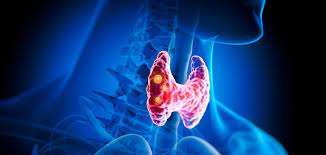
Thyroid hormones are critical regulators of the body’s metabolism, energy expenditure, and fat storage.
When the thyroid gland produces insufficient amounts of these hormones, a condition known as hypothyroidism occurs. One of the most common and noticeable effects of this deficiency is weight gain.
In this article, we will explore the mechanisms behind thyroid hormone deficiency and how it leads to weight gain.
We will also examine real-life examples to illustrate the effects and provide insights backed by scientific research.
Article Index
- Understanding Thyroid Hormones
-
- The role of T3 and T4 in metabolism
- How the thyroid gland functions
- Mechanisms of Weight Gain in Thyroid Hormone Deficiency
-
- Slowed metabolism
- Reduced thermogenesis
- Altered lipid metabolism
- Fluid retention
- Hormonal Interplay: Thyroid and Other Hormones
-
- Interaction with insulin
- Impact on leptin and appetite regulation
- Symptoms of Hypothyroidism and Weight Gain
-
- Identifying the signs
- Case study: Sarah’s journey
- Scientific Evidence on Thyroid Hormone Deficiency and Obesity
-
- Studies linking hypothyroidism and weight gain
- FAQs on How Thyroid Hormone Deficiency Contributes to Weight Gain
- Conclusion
Understanding Thyroid Hormones
Here is how your thyroid hormones function:
The Role of T3 and T4 Hormones:
Thyroid hormones—triiodothyronine (T3) and thyroxine (T4)—are fundamental regulators of the body’s metabolism.
They control how the body utilizes carbohydrates, fats, and proteins for energy production and storage. T3, the more potent hormone, binds directly to receptors in cells, stimulating the production of enzymes and proteins involved in energy metabolism. T4, although less active, is converted into T3 in various tissues, ensuring a steady supply of the active hormone.
Together, these hormones dictate basal metabolic rate (BMR), the energy the body expends at rest.
How the Thyroid Gland Functions?
The thyroid gland, located in the neck, produces T3 and T4 in response to thyroid-stimulating hormone (TSH) secreted by the pituitary gland. This process ensures a feedback loop that maintains optimal hormone levels.
Disruptions in this axis, such as iodine deficiency, autoimmune diseases like Hashimoto’s thyroiditis, or genetic mutations, can lead to decreased hormone production.
When T3 and T4 levels drop, the body’s ability to metabolize nutrients diminishes, causing a cascade of metabolic slowdowns. This often results in weight gain, fatigue, and other symptoms of hypothyroidism.
A study in The Lancet Endocrinology confirms that even mild disruptions in thyroid function can significantly reduce energy expenditure, emphasizing the importance of T3 and T4 in maintaining metabolic balance.

Mechanisms of Weight Gain in Thyroid Hormone Deficiency
Thyroid hormone deficiency, commonly associated with hypothyroidism, is a significant contributor to unexplained weight gain.
This sub-heading explores how slowed metabolism, reduced thermogenesis, altered lipid metabolism, and fluid retention linked to thyroid hormone imbalance drive weight changes in affected individuals.
Slowed Metabolism and Hypothyroidism:
Hypothyroidism significantly reduces the basal metabolic rate (BMR), the energy expended at rest.
This metabolic slowdown means the body burns fewer calories even when dietary intake remains consistent, leading to a calorie surplus and eventual weight gain.
A lowered BMR is a hallmark of thyroid hormone deficiency, as thyroid hormones, particularly T3, are critical for energy production and cellular activity.
Reduced Thermogenesis:
Thyroid hormones also regulate thermogenesis—the body’s heat production mechanism.
Research published in The Journal of Clinical Endocrinology & Metabolism highlights that hypothyroid individuals exhibit diminished thermogenic activity, further reducing overall energy expenditure.
This reduction compounds the metabolic challenges, making weight gain almost inevitable without intervention.
Altered Lipid Metabolism:
Another key factor is impaired lipid metabolism.
Thyroid hormone deficiency disrupts the breakdown of fats, leading to increased fat storage in tissues.
Hypothyroidism often results in elevated levels of LDL cholesterol and triglycerides due to the liver’s reduced ability to metabolize fats efficiently.
This not only contributes to weight gain but also increases the risk of cardiovascular complications.
Fluid Retention:
Fluid retention is a lesser-known but significant contributor to weight gain in hypothyroidism.
Insufficient thyroid hormones can disrupt kidney function, leading to the retention of sodium and water.
This physiological imbalance often explains the rapid, initial weight gain seen in hypothyroid patients.
Combined with metabolic changes, this fluid buildup amplifies the overall weight increase associated with the condition.
Hormonal Interplay: Thyroid and Other Hormones
Thyroid hormone deficiency not only disrupts metabolism but also interacts with key hormones like insulin and leptin, further contributing to weight gain.
Interaction with Insulin:
Hypothyroidism exacerbates insulin resistance, a metabolic state where cells fail to respond effectively to insulin, forcing the pancreas to produce more of the hormone.
Elevated insulin levels are linked to increased fat storage, particularly in the abdominal region, as insulin promotes the conversion of glucose into fat. This metabolic disruption often leads to central obesity, a hallmark of insulin resistance.
A study published in The Journal of Clinical Endocrinology & Metabolism highlights that individuals with hypothyroidism show greater tendencies toward hyperinsulinemia, compounding weight gain challenges.
Impact on Leptin and Appetite Regulation
-
Leptin is a hormone predominantly secreted by adipocytes (fat cells) that helps regulate energy balance by inhibiting hunger, thereby signaling the brain to reduce food intake.
-
It primarily acts on the hypothalamus in the brain, which is the center for appetite and metabolism regulation.
-
Leptin levels are generally proportional to body fat—the more fat stored, the higher the leptin levels—aimed at signaling satiety.
-
Thyroid hormones, especially T3 (triiodothyronine) and T4 (thyroxine), play a crucial role in influencing leptin production, signaling efficiency, and receptor sensitivity.
-
These hormones support proper metabolic functioning, including the expression of leptin receptors in the hypothalamus.
-
In hypothyroidism (underactive thyroid), thyroid hormone production is reduced, leading to a dysregulation in leptin signaling.
-
This condition causes the brain to misinterpret leptin signals, resulting in a reduced sensation of fullness (satiety) after eating.
-
A review in Endocrine Reviews noted that hypothyroid patients often experience abnormal leptin regulation, which contributes to increased appetite and higher caloric intake.
-
This imbalance creates a vicious cycle: diminished satiety → overeating → increased fat storage → higher leptin production → continued leptin resistance.
-
Leptin resistance is a state where, despite high leptin levels, the brain fails to respond appropriately, similar to insulin resistance in type 2 diabetes.
-
Weight gain and obesity in hypothyroid individuals are partly due to this disrupted leptin-thyroid interaction, complicating weight loss efforts.
-
Research also suggests that thyroid hormone replacement therapy (e.g., levothyroxine) may gradually improve leptin sensitivity, helping restore appetite control over time.
-
Therefore, managing thyroid health is vital for maintaining proper appetite regulation and metabolic balance.
Symptoms of Hypothyroidism and Weight Gain
Thyroid hormone deficiency, or hypothyroidism, often presents with subtle yet impactful symptoms that can significantly affect daily life.
Among these, hypothyroidism and weight gain is one of the most noticeable and frustrating challenges for many patients. Recognizing the signs early is crucial for timely intervention.
Identifying the Signs:
Common symptoms of hypothyroidism include fatigue, sensitivity to cold, dry skin, thinning hair, and gradual weight gain.
The weight gain often results from slowed metabolism, fluid retention, and altered fat storage patterns.
While the increase in weight is typically modest at first, untreated hypothyroidism can lead to significant accumulation over time.
Case Study: Sarah’s Journey:
Sarah, a 34-year-old teacher, began noticing persistent fatigue and unexplained weight gain over six months despite maintaining a balanced diet and consistent exercise routine.
Her symptoms also included dry skin and a feeling of being unusually cold even in warm environments. Concerned, Sarah consulted her doctor, who ordered thyroid function tests.
The results revealed elevated TSH levels and reduced T3 and T4 hormones, confirming a diagnosis of hypothyroidism.
After initiating thyroid hormone replacement therapy, Sarah experienced gradual improvements in her energy levels and overall mood.
Over several months, her weight stabilized, and she regained her confidence, illustrating the profound impact of addressing thyroid hormone deficiencies.
Scientific Evidence on Thyroid Hormone Deficiency and Obesity
Numerous studies highlight the link between hypothyroidism and weight gain:
- Study on BMR Reduction: Research published in Thyroid found that hypothyroid patients experienced a 15% reduction in BMR, directly contributing to weight gain.
- Lipid Metabolism Impact: A 2019 study in Nature Reviews Endocrinology demonstrated that thyroid hormone deficiency disrupts lipid metabolism, increasing fat accumulation and cardiovascular risks.
- Leptin Dysregulation: According to a study in Clinical Endocrinology, hypothyroid patients had higher leptin levels, indicating disrupted appetite regulation.
These studies confirm that thyroid hormone deficiency significantly impacts body weight through multiple pathways.
FAQs on How Thyroid Hormone Deficiency Contributes to Weight Gain:
Q-1: How does thyroid hormone deficiency cause weight gain and slow metabolism?
A-1: Thyroid hormones—primarily T3 and T4—play a critical role in regulating metabolism. When these hormones are deficient, the body’s metabolic rate slows down, meaning fewer calories are burned at rest.
This creates an energy imbalance where calories consumed exceed calories burned, leading to gradual weight gain. In the U.S., millions of adults experience thyroid dysfunction, making this a common but often overlooked cause of weight changes.
The slowdown in metabolism also affects how efficiently the body uses nutrients, contributing to fatigue and reduced physical activity, which further compounds weight gain.
Q-2: What is the role of hypothyroidism in weight gain and fat accumulation?
A-2: Hypothyroidism is a condition where the thyroid gland does not produce enough hormones.
This leads to decreased energy expenditure and increased fat storage. The body becomes more efficient at conserving energy, which unfortunately means storing excess calories as fat.
Weight gain in hypothyroidism is usually modest but persistent, and it often occurs alongside symptoms like fatigue, cold intolerance, and dry skin. Over time, this can significantly affect body composition.
Q-3: Why do low thyroid levels lead to unexplained weight gain?
A-3: Low thyroid hormone levels can cause weight gain even without changes in diet or activity levels.
This is because the body’s baseline energy requirements decrease. Additionally, hormonal imbalances can alter appetite regulation and fluid balance, leading to both fat gain and water retention.
Many individuals notice gradual weight increases despite maintaining their usual lifestyle, which can be frustrating and confusing.
Q-4: How do T3 and T4 deficiencies slow down metabolism?
A-4: T3 is the active thyroid hormone that directly influences how cells produce energy.
When T3 levels drop, cellular processes slow down, reducing overall energy expenditure. T4 acts as a precursor to T3, so low T4 also contributes to reduced metabolic activity.
This hormonal imbalance affects nearly every organ system, leading to widespread metabolic slowdown.
Q-5: How does hypothyroidism affect basal metabolic rate and calorie burning?
A-5: Basal metabolic rate (BMR) represents the number of calories the body burns at rest.
In hypothyroidism, BMR decreases significantly, meaning the body requires fewer calories to function.
However, if calorie intake remains unchanged, the excess energy is stored as fat. This is one of the primary reasons why individuals with thyroid deficiency struggle with weight gain.
Q-6: Does thyroid dysfunction cause water retention and weight gain?
A-6: Yes, thyroid hormone deficiency often leads to fluid retention, which can contribute to weight gain.
This is due to changes in how the body regulates sodium and water balance.
The result is swelling, particularly in the face, hands, and legs. While this type of weight gain is not purely fat, it still adds to overall body weight and can affect appearance and comfort.
Q-7: How do low thyroid hormones impact fat storage and energy balance?
A-7: Low thyroid hormone levels shift the body toward energy conservation. Instead of burning calories efficiently, the body stores them as fat.
This imbalance affects both fat metabolism and energy usage, making it easier to gain weight and harder to lose it.
Over time, this can lead to increased body fat percentage and metabolic challenges.
Q-8: What symptoms of hypothyroidism are linked to weight gain and fatigue?
A-8: Common symptoms include:
- Persistent fatigue
- Unexplained weight gain
- Cold sensitivity
- Dry skin and hair
- Slowed heart rate
These symptoms often occur together and can significantly impact daily life. Fatigue, in particular, reduces physical activity levels, which further contributes to weight gain.
Q-9: How does thyroid hormone imbalance affect appetite and body weight?
A-9: Thyroid hormones influence appetite-regulating signals in the brain.
When levels are low, these signals can become disrupted, leading to changes in hunger and satiety.
Some individuals may experience reduced appetite but still gain weight due to slowed metabolism, while others may develop increased cravings.
Q-10: Can treating hypothyroidism reverse weight gain naturally?
A-10: Treating hypothyroidism with appropriate thyroid hormone replacement can help restore normal metabolism.
This often leads to modest weight loss, especially if the weight gain was primarily due to fluid retention.
However, sustainable weight loss also requires lifestyle changes such as balanced nutrition and regular physical activity.
Q-11: What is the relationship between TSH levels and weight gain in adults?
A-11: TSH levels are used to assess thyroid function. Elevated TSH levels typically indicate an underactive thyroid.
Higher TSH levels are often associated with increased body weight and reduced metabolic rate.
Monitoring TSH is essential for diagnosing and managing thyroid-related weight issues.
Q-12: How does thyroid deficiency affect body composition and BMI?
A-12: Thyroid deficiency can increase body fat percentage while reducing lean muscle mass.
This shift in body composition can raise BMI and make weight management more challenging.
Even small changes in hormone levels can have a noticeable impact on how the body stores and uses energy.
Q-13: What are the clinical mechanisms behind the link between hypothyroidism and obesity?
A-13: The connection involves multiple mechanisms, including reduced metabolic rate, altered fat metabolism, hormonal imbalances, and decreased physical activity due to fatigue.
These factors work together to promote weight gain and make weight loss more difficult.
Q-14: Why do people with an underactive thyroid struggle to lose weight?
A-14: Weight loss becomes challenging because the body burns fewer calories and stores energy more efficiently.
Additionally, fatigue and low energy levels reduce the ability to engage in physical activity.
Without addressing the underlying thyroid issue, traditional weight loss methods may be less effective.
Q-15: How does thyroid hormone deficiency alter metabolism and energy expenditure?
A-15: Thyroid hormone deficiency slows down nearly every metabolic process in the body.
This includes reduced calorie burning, slower digestion, and decreased energy production.
The overall effect is a lower energy expenditure, which contributes to weight gain even with normal eating habits.
📊 Key U.S. Statistics
- Approximately 1 in 20 Americans has hypothyroidism
- Women are significantly more likely to be affected than men
- Thyroid disorders are a common cause of unexplained weight gain
- Millions of Americans remain undiagnosed
💡 Actionable Clinical Tips for Managing Weight with Thyroid Deficiency
- Get regular thyroid testing to monitor hormone levels
- Follow prescribed medication consistently to restore hormone balance
- Focus on protein-rich meals to support metabolism
- Incorporate strength training to maintain muscle mass
- Prioritize sleep and stress management to support hormonal health
- Avoid extreme calorie restriction, which can further slow metabolism
⚠️ Clinical Insight
Thyroid-related weight gain is not simply a matter of diet or exercise—it is driven by hormonal imbalance.
Effective management requires both medical treatment and lifestyle adjustments to restore metabolic function.
Free Tip of the Day:
Thyroid hormone deficiency plays a powerful yet often misunderstood role in weight gain.
By slowing metabolism, altering energy balance, and promoting fat storage, it creates a biological environment where gaining weight becomes easier and losing it becomes more difficult.
In the U.S., where thyroid disorders are relatively common, many individuals struggle with unexplained weight changes without realizing the underlying cause.
The key to managing this condition lies in early diagnosis, proper medical treatment, and sustainable lifestyle habits.
While medication can restore hormone levels, long-term success depends on supporting the body through balanced nutrition, regular physical activity, and stress management.
The encouraging reality is that with the right approach, it is possible to regain metabolic balance, improve energy levels, and achieve healthier weight outcomes.

Conclusion
Thyroid hormone deficiency contributes to weight gain through slowed metabolism, impaired thermogenesis, altered lipid metabolism, and fluid retention.
Its interplay with other hormones, such as insulin and leptin, further exacerbates the issue. Recognizing the symptoms early and seeking proper diagnosis and treatment can mitigate these effects.
Understanding the scientific mechanisms behind hypothyroidism’s impact on weight helps individuals and healthcare providers address this challenge effectively.
Recommended:
- https://leanandfit.info/how-thyroid-hormone-regulates-fat-storage/
- https://leanandfit.info/how-hypothyroidism-slows-down-metabolism-leading-to-weight-gain/
- https://www.thyroid.org/thyroid-and-weight/
- https://www.btf-thyroid.org/thyroid-and-weight-the-science
- For educational purposes only
- Why Trust LeanAndFit.info?