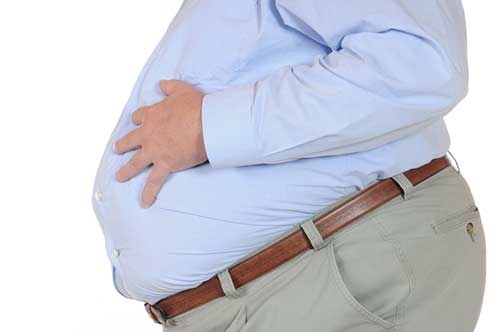

Steroid medications can be a double-edged sword.
They are lifesavers when managing chronic conditions, but they often come with side effects that can be challenging to navigate.
I experienced this firsthand when prescribed corticosteroids for an autoimmune condition.
One of the most noticeable and frustrating side effects for me was weight gain and increased body fat.
Let me walk you through how steroid medications increased my body fat, why it happens, and the science behind it.
What I’ll Cover in My Story
- Why I Needed Steroid Medications
- How Steroids Disrupted My Hormonal Balance
- Changes in My Metabolism
- How Steroids Increased My Appetite
- My Experience with Fat Redistribution
- How Being a Woman Affected My Body Fat Gain
- Real-Life Impact on My Day-to-Day Life
- FAQs on Steroid Medications and Body Fat
- What Science Says About My Experience
Why I Needed Steroid Medications?
It all began when I was diagnosed with an autoimmune condition that demanded corticosteroids to manage chronic inflammation.
At first, I was relieved to have a treatment that brought my symptoms under control and improved my quality of life.
However, I soon realized there were significant trade-offs.
Within just a few months of starting the medication, I noticed unexpected weight gain in areas of my body that had never been an issue before, such as my abdomen and face.
It was not just the physical changes that took me by surprise—it was the speed at which they happened. I went from feeling confident in my body to struggling with my self-image in what felt like no time.
While the steroids worked wonders for my condition, I had not anticipated how they would alter my appearance and trigger a cascade of metabolic changes that I would need to understand and manage.

How Steroids Disrupted My Hormonal Balance?
Corticosteroids mimic cortisol, the body’s natural stress hormone, which played a significant role in reducing the inflammation caused by my autoimmune condition.
However, it also brought unintended side effects, like increased fat storage, especially around my abdomen.
I later discovered that cortisol influences the body’s fat distribution by promoting lipogenesis (fat creation) while simultaneously decreasing lipolysis (fat breakdown).
Watching my midsection change so quickly was both frustrating and disheartening.
As I tried to understand what was happening,
I came across a study in The Journal of Clinical Endocrinology & Metabolism (Weber et al., 2000), which explained the science behind it. Chronic exposure to elevated cortisol levels—whether naturally occurring or induced by steroids—leads to a buildup of visceral fat.
This type of fat accumulates deep within the abdomen and is known to increase health risks. Unfortunately, this was something I experienced firsthand, watching these changes unfold over just a few months.
Changes in My Metabolism
One of the most frustrating changes I experienced while taking corticosteroids was feeling like my metabolism had come to a standstill.
Despite maintaining my usual eating habits and exercise routine, the scale kept climbing.
At first, I couldn’t understand why, but as I delved deeper, I learned that steroids lower the resting metabolic rate (RMR).
Essentially, my body was burning fewer calories even when I was at rest, making weight gain almost inevitable.
What made things worse was the gradual loss of muscle mass. I started feeling weaker, and since muscle tissue burns more calories than fat, this loss further slowed my metabolism.
It felt like a never-ending cycle: the more muscle I lost, the slower my metabolism became, and the harder it was to maintain my weight.
Research in Obesity Reviews (Smith et al., 2015) validated my experience, showing that long-term corticosteroid use significantly alters metabolic function, leading to increased fat storage and reduced energy expenditure.
How Steroids Increased My Appetite?
Perhaps the most surprising and challenging side effect of taking corticosteroids was the constant hunger. It felt as though I was never truly full, no matter how much I ate.
To make matters worse, I found myself craving sugary and carb-heavy foods—comforting in the moment but disastrous for my waistline.
The combination of overeating and my already slowed metabolism led to rapid weight gain, and it felt like an uphill battle to regain control.
I later discovered the scientific reason behind this unrelenting hunger.
Steroids stimulate the hypothalamus, the part of the brain responsible for regulating appetite, effectively turning up the volume on hunger signals.
A study published in Appetite (Lee et al., 2013) shed light on the phenomenon, showing that corticosteroids increase the release of hunger hormones like ghrelin.
This can lead to a staggering 20–30% increase in daily calorie consumption—exactly what I was experiencing firsthand.
My Experience with Fat Redistribution
Even more surprising than the weight gain was how drastically my body shape changed.
It wasn’t just about the number on the scale; it was the way fat seemed to concentrate in very specific areas.
I developed what’s often referred to as a “steroid belly,” a pronounced roundness in my abdomen that felt out of proportion with the rest of my body.
My face became noticeably puffy, giving me the classic “moon face” look associated with corticosteroid use.
And then there was the fat accumulation between my shoulder blades, creating what is aptly known as a “buffalo hump.” These changes were as demoralizing as they were unexpected.
As I dug into the science behind these shifts, I came across a study in Endocrine Reviews (Rosenstock et al., 2014), which perfectly explained my experience.
The study detailed how corticosteroids alter fat distribution, causing it to concentrate in the abdomen, face, and upper back, even if overall weight gain isn’t dramatic.
This redistribution is tied to the way steroids interact with fat metabolism and hormonal signaling, leading to changes that can feel impossible to control.
How Being a Woman Affected My Body Fat Gain?
As a woman, the hormonal effects of steroids felt particularly challenging.
While men often experience an increase in visceral fat, women like me tend to see more fat accumulation in the hips, thighs, and abdomen.
These changes were not just physical but emotional, as they significantly altered my body shape in a way that made me feel self-conscious and disconnected from my sense of self.
A study published in Obesity Research & Clinical Practice (Puhl et al., 2015) highlighted how gender-specific fat distribution patterns are exacerbated by corticosteroids, explaining why women often experience more pronounced fat deposits in these areas.
Real-Life Impact on My Day-to-Day Life
Let me share two specific ways the physical changes from steroid use impacted my life:
Energy Levels:
I noticed a significant drop in my energy levels, which was incredibly frustrating.
It was not just the extra weight I was carrying—it felt as though my body was adjusting to a whole new metabolic rhythm.
Simple activities that used to feel effortless, like walking the dog or climbing a flight of stairs, suddenly seemed exhausting. I also started to feel rather depressed owing to my unnatural body inflammation.
My muscles felt weaker, likely due to the loss of lean muscle mass caused by steroids, and it made staying active a real challenge.
Self-Confidence:
The changes to my body, particularly the puffiness in my face (commonly known as “moon face”), had a profound effect on my self-esteem.
I began avoiding social gatherings, feeling self-conscious about my appearance.
Photos became a source of dread because I didn’t recognize the person staring back at me. These feelings, combined with the physical discomfort, left me struggling to stay positive. I started to suffer from body image issues.
A study in Psychological Medicine (Wardle et al., 2014) shows that physical changes like these can contribute to emotional distress, further emphasizing how intertwined physical and mental health can be.
What Science Says About My Experience?
The more I researched, the more I realized my experiences weren’t unique. Here are a few studies that helped me understand what was happening:
- Weber et al., 2000 (The Journal of Clinical Endocrinology & Metabolism): Explained how chronic corticosteroid use leads to increased fat storage, particularly in the abdomen.
- Smith et al., 2015 (Obesity Reviews): Highlighted the role of steroids in slowing metabolism and reducing muscle mass.
- Rosenstock et al., 2014 (Endocrine Reviews): Detailed how steroids cause fat redistribution, leading to the characteristic changes in body shape.

FAQs on Steroid Medications and Body Fat
This FAQ is all about my personal and honest experience with how steroid medications quietly increased my body fat over time.
It’s not just about weight gain—it is about the confusion, emotional shifts, and physical changes that didn’t make sense at first.
If you’ve ever felt like your body changed without your control while on steroids, this will feel very real to you.
Q-1: Why did my body fat increase even though I didn’t change my eating habits much?
A-1: This was the most frustrating part for me. I kept eating the same way, yet my body started storing more fat. Steroids can change how your body processes calories, making it easier to store fat rather than burn it. It felt like my body had switched to “saving mode,” holding onto every extra bit of energy instead of using it.
Q-2: Did steroids change where my body stored fat?
A-2: Yes, and it was very noticeable. I started seeing more fat around my face, neck, and stomach. It wasn’t evenly distributed like normal weight gain. This shift in fat storage is common with steroids, and it can make your body look very different even if the scale doesn’t change drastically.
Q-3: Why did my face suddenly look rounder or puffier?
A-3: I remember looking in the mirror and barely recognizing my face. Steroids can cause something often called “moon face,” where fat and fluid retention build up in the face. It’s not just fat—it’s also how your body holds water differently under the influence of these medications.
Q-4: Did steroids make me feel hungrier than usual?
A-4: Absolutely. I found myself thinking about food more often, even after meals. Steroids can increase appetite in a very subtle but persistent way. It wasn’t like extreme hunger—it was more like a constant urge to snack, which slowly added up over time.
Q-5: Why did I feel more tired even though I was gaining weight?
A-5: This confused me a lot. You’d think more body mass would mean more energy, but it felt like the opposite. Steroids can affect sleep patterns, hormone balance, and energy levels. So even as my body fat increased, my energy dipped, making it harder to stay active.
Q-6: Did steroids slow down my metabolism?
A-6: It definitely felt that way. While steroids don’t directly “turn off” metabolism, they can influence how your body uses energy. I noticed that even small indulgences seemed to have a bigger impact than before. It felt like my body wasn’t burning calories as efficiently as it used to.
Q-7: Why was it harder to lose fat while still on steroids?
A-7: Losing fat felt like pushing against a wall. Steroids can increase cortisol-like effects in the body, which encourages fat storage, especially around the belly. Even when I tried to eat better or move more, progress was slow and sometimes invisible, which was mentally exhausting.
Q-8: Did steroids affect my mood around body image?
A-8: Yes, more than I expected. Watching my body change without feeling in control was emotionally draining. I felt frustrated, sometimes even discouraged. It wasn’t just about appearance—it was about feeling disconnected from my own body.
Q-9: Why did my muscles feel weaker even as I gained fat?
A-9: This was a strange experience. I assumed steroids would make me stronger, but instead, I felt softer and less toned. Some steroids can lead to muscle breakdown over time, especially if used long-term, which can make fat gain more noticeable.
Q-10: Did water retention play a role in how my body looked?
A-10: Definitely. At times, it was hard to tell what was fat and what was water weight. My body felt bloated, especially around the midsection and face. This added to the visual changes and made me feel heavier than I actually was.
Q-11: What small changes helped me manage the fat gain while on steroids?
A-11: I focused on simple, realistic adjustments. Drinking more water helped with bloating, and eating more whole foods made me feel fuller for longer. Gentle movement, like walking, became more important than intense workouts. It wasn’t about reversing everything—it was about managing what I could.
Q-12: What’s the biggest lesson I learned from this experience?
A-12: The biggest lesson was patience and self-compassion. My body wasn’t “failing” me—it was responding to medication it needed. Understanding that helped me stop blaming myself. It also made me realize that health isn’t always about control—sometimes it’s about adapting and supporting your body through difficult phases.
Bottom Line:
Looking back, this journey taught me that steroid-related fat gain is not just physical—it is deeply personal. It changes how you see yourself, how you feel, and how you approach your health. And if you’re going through something similar, you’re definitely not alone in feeling this way.
Conclusion
My journey with steroid medications taught me a great deal about how these drugs impact the body, both positively and negatively.
While they were crucial for controlling the inflammation caused by my autoimmune condition, the side effects were an entirely different challenge.
The weight gain, shifts in fat distribution, and constant hunger felt overwhelming at first.
It was not just about seeing physical changes—it was about feeling like I had lost control over my own body.
Understanding the mechanisms behind these changes, such as how steroids mimic cortisol and alter metabolic processes, gave me valuable insight into what was happening.
Learning about fat redistribution patterns, like the “steroid belly” and “moon face,” helped me realize I wasn’t alone in this experience.
According to a study in Endocrine Reviews (Rosenstock et al., 2014), nearly 50% of long-term corticosteroid users report significant body composition changes, which made me feel less isolated.
This newfound knowledge not only helped me make sense of what I was going through but also empowered me to seek strategies for better management, like consulting with dietitians and incorporating more movement into my daily routine.
References: