
Think hunger is just part of dieting?
Think again. Low-carb diets are flipping the script by helping people feel full while eating less—and no, it’s not wizardry, it is biology.
From taming the “growling beast” known as ghrelin to unleashing appetite-crushing ketones, low-carb eating offers more than just quick weight loss—it rewires your hunger cues.
In this article, we shall explore how low-carb diets naturally reduce appetite without the need for calorie counting or snack-hoarding.
We would break down the science of ketosis, dive into how protein keeps cravings at bay, and even look at how combining low-carb with intermittent fasting takes hunger control to a new level.
If you have ever wondered why people swear by ditching carbs to ditch the munchies, this deep dive is for you.
Points Covered in this Article
- What is a low-carb diet that suppresses hunger?
- Mechanisms behind carbohydrate restriction and appetite control
- Role of ketosis in natural appetite suppression
- Hormonal changes on low-carb diets that reduce hunger
- Low-carb vs low-fat: differences in appetite reduction
- Long-term appetite control on low-carb diets
- Combining low-carb and time-restricted eating for appetite management
- FAQs on Low Carb Diets and Appetite
- Why higher protein in low-carb diets reduces appetite
What is a Low-Carb Diet that Suppresses Hunger?
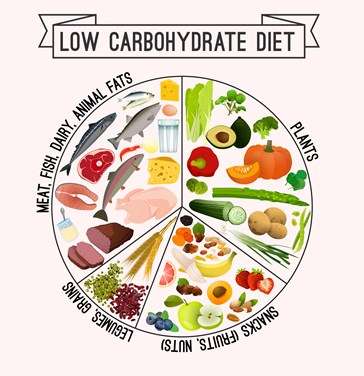
A low-carb diet that suppresses hunger typically limits carbohydrate intake to less than 100 grams per day, with many versions (such as ketogenic diets) dipping below 50 grams. The idea is to reduce blood sugar spikes and improve insulin regulation, which helps prevent sudden hunger crashes that come from a high-carb, high-sugar lifestyle.
According to the National Lipid Association, any diet where carbs account for under 25% of total calories can be considered low-carb. Very low-carb or ketogenic diets restrict carbs to under 10% of daily calories.
What makes this approach unique is that many followers report feeling less hungry—despite eating fewer calories. This has been confirmed in various studies. For example, a systematic review published in Obesity Reviews found that ketogenic diets tend to reduce appetite and may help offset the usual increase in hunger that comes with weight loss.
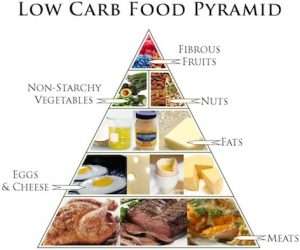
Because low-carb eating emphasizes foods rich in fat and protein, which are naturally satiating, it can promote an effortless reduction in calorie intake without the need for restrictive willpower.
Mechanisms behind Carbohydrate Restriction and Appetite Control
There’s more to the hunger-reducing power of low-carb diets than just fewer carbs. Several biological mechanisms come into play:
First, low-carb diets reduce levels of insulin, a hormone that—when elevated—can increase hunger and fat storage. By minimizing carbohydrate intake, insulin spikes are reduced, leading to more stable blood sugar levels and fewer hunger-triggering crashes.
Second, low-carb eating shifts the body’s fuel preference from glucose to fat. This metabolic change produces ketone bodies, which have been shown to have appetite-suppressing effects. Ketones like beta-hydroxybutyrate may act directly on the hypothalamus, the part of the brain that controls hunger.
Additionally, increasing dietary fat and protein leads to greater satiety. Protein has a higher thermic effect and activates satiety hormones more effectively than carbohydrates.
A clinical trial published in the American Journal of Clinical Nutrition demonstrated that even when calories are matched, those consuming lower-carb, higher-protein diets report lower hunger levels and decreased desire to eat.
These mechanisms make low-carb eating a more natural approach to appetite management—your body simply feels fuller, longer.
Role of Ketosis in Natural Appetite Suppression
Ketosis is the state in which your body relies on fat—rather than glucose—as its primary fuel source. This typically occurs when carbohydrate intake drops below 20–50 grams per day. As the liver breaks down fat, it produces ketones, which circulate in the blood and provide energy.
But ketosis does more than burn fat—it can blunt hunger. In fact, studies have found that individuals in ketosis often report reduced appetite, sometimes to the point where they unintentionally skip meals.
One reason is the role of ketones themselves. Beta-hydroxybutyrate, a primary ketone body, is believed to reduce levels of the hunger hormone ghrelin while promoting feelings of fullness.
A 2014 meta-analysis published in Obesity Reviews noted that individuals on ketogenic diets during periods of calorie restriction consistently reported feeling less hungry than those on higher-carb diets.
So, when people say keto helps them “forget to eat,” it’s not just anecdotal—it’s biology. Ketosis creates a metabolic environment where appetite is naturally down-regulated, making weight loss easier without constant hunger.
Hormonal Changes on Low-Carb Diets that Reduce Hunger
Hormones are central to hunger and satiety regulation, and low-carb diets significantly alter the hormonal landscape in favor of appetite control.
The hunger hormone ghrelin, typically elevated during calorie restriction, is notably blunted on low-carb and ketogenic diets. This means that, unlike with low-fat diets where hunger often increases over time, low-carb diets help keep ghrelin levels lower, making it easier to eat less.
On the other hand, satiety hormones such as peptide YY (PYY) and glucagon-like peptide 1 (GLP-1) often increase or stay stable when following a low-carb diet. Both of these hormones play key roles in signaling fullness to the brain.
A 12-month randomized controlled trial published in The New England Journal of Medicine found that individuals on low-carb diets experienced more favorable changes in these hunger-regulating hormones compared to those on low-fat diets.
These changes support the idea that low-carb eating helps the body “self-regulate” intake. Rather than depending on willpower, the hormonal signals help guide people toward eating just what they need—and no more.
Low-Carb vs Low-Fat: Differences in Appetite Reduction
The debate between low-carb and low-fat diets has raged for decades, but one area where low-carb consistently wins is in appetite suppression.
A major study published in the New England Journal of Medicine tracked obese adults over two years and found that those on a low-carb diet not only lost more weight in the initial 6 months but also reported significantly lower hunger ratings than those on a low-fat diet.
The reason lies in the dietary composition. Low-fat diets often rely on starchy carbohydrates and sugars, which lead to energy spikes and crashes. These crashes trigger more frequent hunger, making such diets harder to sustain.
In contrast, low-carb diets are higher in protein and fat—macronutrients that delay gastric emptying and stimulate satiety hormones. As a result, people eat fewer calories without trying.
This does not mean low-fat diets can’t work—but in head-to-head comparisons, low-carb approaches tend to make appetite control feel less like a battle.
Long-Term Appetite Control on Low-Carb Diets
One of the biggest challenges with any weight-loss diet is maintaining appetite control over the long haul. Fortunately, low-carb diets show promising results in this area.
In a 12-month trial involving over 140 overweight adults, those following a low-carb diet not only lost more weight but also maintained lower levels of hunger compared to participants on low-fat diets. The results were not just short-term. Even after a year, the low-carb group experienced fewer food cravings and reported higher satisfaction with their meals.
The study also noted sustained hormonal adaptations. Ghrelin remained lower, while PYY and GLP-1 levels were more favorable, even months after initial weight loss.
This means that unlike calorie-restricted low-fat diets—where hunger creeps back in—the low-carb approach may offer a more durable path to controlling appetite, which is crucial for preventing weight regain.
Low-carb eating, therefore, isn’t just about dropping pounds quickly—it’s about building a metabolic and hormonal foundation that helps you keep them off.
Combining Low Carb and Time-Restricted Eating for Appetite Management
Combining low-carb diets with time-restricted eating (TRE), such as intermittent fasting, can provide powerful appetite-regulating benefits.
A 2023 clinical study published in Nutrition and Healthy Aging compared low-carb, TRE, and combined strategies. It found that the combination of low-carb and restricted eating windows produced the most pronounced appetite suppression and satiety ratings.
The mechanism is synergistic. While low-carb eating reduces hunger through hormonal and metabolic changes, time-restricted eating trains the body to eat within specific windows, often aligning with natural circadian rhythms. This dual approach minimizes late-night snacking and stabilizes blood sugar levels throughout the day.
Additionally, eating within a shorter window helps people become more attuned to true hunger versus habitual eating. Many participants in studies report that after two to four weeks, they can comfortably go 16+ hours without feeling overly hungry.
Pairing low-carb with time-restricted eating may be especially helpful for those struggling with emotional or habitual overeating.
Why Higher Protein in Low-Carb Diets Reduces Appetite?
Protein plays a starring role in low-carb diets—not just for preserving muscle, but for regulating hunger. This is rooted in what’s known as the “protein leverage hypothesis,” which suggests that the body craves a specific amount of protein each day. If the diet is low in protein, the body keeps signaling hunger until that need is met—often resulting in overeating.
Low-carb diets naturally boost protein intake by replacing carbohydrate calories with protein-rich foods such as meat, eggs, dairy, and legumes.
A 2005 study published in the Journal of Clinical Nutrition demonstrated that increasing protein intake to 30% of total calories resulted in spontaneous reductions in calorie consumption—up to 441 fewer calories per day—without intentional food restriction.
Protein also increases the thermic effect of food (you burn more calories digesting it) and stimulates satiety hormones like PYY and GLP-1.
So, if you’re struggling with cravings or portion control, a higher-protein, low-carb diet may help tame your appetite while supporting metabolic health and muscle maintenance.
FAQs on Low Carb Diets and Appetite
This FAQ is all about how low carb diets quietly reshape your hunger, not just your plate.
We’re exploring the small, confusing, and surprisingly relatable moments where appetite starts changing.
If you’ve ever wondered why you suddenly feel “less hungry” (or sometimes more confused), this is for you.
Q-1: Why do I suddenly forget to eat on a low carb diet without even trying?
A-1: Because your body is finally getting more stable energy. When you reduce carbs, especially refined ones, your blood sugar levels stop spiking and crashing so frequently.
Those crashes are what usually trigger sudden hunger and cravings. On a low carb diet, your body starts relying more on fat for fuel, which provides longer-lasting energy.
As a result, your hunger signals become calmer and less urgent. You’re not forcing yourself to eat less—it just happens naturally.
Q-2: Can eating more fat actually make me feel less hungry throughout the day?
A-2: Yes, and it sounds almost too good to be true. Healthy fats take longer to digest, which keeps you feeling full for a longer time. They also influence hormones that signal satiety, telling your brain that you’ve had enough.
Unlike quick carbs that burn fast, fats provide a slow and steady release of energy. That’s why a meal with good fats can keep you satisfied for hours without constant snacking.
Q-3: Why do my cravings for sugary foods disappear after a few days on low carb?
A-3: Because you’re breaking the cycle of sugar dependency. Refined carbs and sugar trigger dopamine, the “feel-good” chemical in your brain. Over time, this creates a craving loop—eat sugar, feel good, crash, crave again.
When you reduce carbs, your body and brain gradually reset. The intense cravings fade because your system is no longer relying on quick sugar hits for energy or pleasure. It is like turning down the volume on a noisy channel.
Q-4: Is it normal to feel less interested in snacks even when they’re right in front of me?
A-4: Completely normal—and honestly, a big win. When your appetite stabilizes, food stops feeling like a constant distraction. You may still enjoy snacks, but the “I have to eat this right now” feeling fades.
This is because your hunger is no longer driven by blood sugar swings but by actual energy needs. It is a subtle shift, but it makes a huge difference in how you relate to food.
Q-5: Why do I feel fuller with smaller portions on a low carb diet?
A-5: Because your meals are more nutrient-dense and balanced. Protein and fats—both common in low carb diets—are highly satisfying. They signal fullness more effectively than carbs alone.
So even if your plate looks smaller, it is doing more work in keeping you satisfied. It is quality over quantity, and your body recognizes that.
Q-6: Can low carb diets reduce emotional eating, or is that just psychological?
A-6: It is actually both physical and psychological. Physically, stable blood sugar reduces sudden cravings that can feel emotional.
Psychologically, when you’re not constantly hungry, you have more control over your choices.
While emotional eating doesn’t disappear completely, it becomes easier to recognize and manage. You’re responding to emotions, not reacting impulsively with food.
Q-7: Why do I sometimes feel “too full” and end up skipping meals without planning to?
A-7: That’s your body adjusting to a new rhythm. When your meals are more filling, you naturally need fewer of them.
Skipping a meal occasionally isn’t harmful if you’re still getting enough nutrients overall. It simply means your body isn’t demanding constant refueling.
However, it is important to listen to your body and not skip meals just for the sake of eating less. Natural appetite reduction is different from forced restriction.
Q-8: Is it weird that my hunger feels calmer instead of urgent on a low carb diet?
A-8: Not weird at all—it is actually how hunger is supposed to feel. On a high-carb diet, hunger can feel sudden and intense due to blood sugar drops.
On a low carb diet, hunger becomes more gradual and manageable. It’s less of an emergency and more of a gentle reminder. This makes it easier to make thoughtful food choices instead of reacting impulsively.

Takeaway
Low-carb diets offer a science-backed, sustainable way to naturally reduce appetite.
Through a powerful combination of reduced insulin, increased satiety hormones, elevated protein intake, and the metabolic state of ketosis, these diets help people feel satisfied on fewer calories.
Key takeaways include:
- Low-carb eating reduces blood sugar spikes and insulin-driven hunger.
- Ketosis produces appetite-blunting ketones like beta-hydroxybutyrate.
- Hormonal shifts (lower ghrelin, higher GLP-1/PYY) support fullness.
- Higher protein content satisfies hunger more efficiently.
- Time-restricted eating enhances hunger control when paired with low-carb.
- Studies consistently show lower hunger levels on low-carb versus low-fat plans—even over the long term.
In a world full of diets that ask you to fight hunger, low-carb may be the one that works with your biology—not against it. As always, consult a healthcare provider before starting any significant dietary change.
References: