Most American families are surprised to learn that genetics may account for as much as 70 percent of a person’s obesity risk.
This means that struggles with weight might be written into your DNA even before lifestyle enters the picture. Understanding this connection reveals why two people with similar habits can have different outcomes.
Here, you will discover how genetic influence actually shapes obesity and why recognizing your unique DNA can change approaches to health and weight management.
Table of Contents
- Defining Genetic Influence on Obesity
- Types of Obesity-Related Genes Identified
- How Genes and Environment Interact
- Inherited Risk Versus Lifestyle Choices
- Implications for Weight Loss Approaches
Key Takeaways
| Point | Details |
|---|---|
| Genetic Influence on Obesity | Genetics significantly contribute to obesity risk, with heritability estimates ranging from 40% to 70%, highlighting the role of inherited traits in body weight regulation. |
| Types of Obesity Genes | Key genes such as LEP, LEPR, and FTO have been identified, influencing mechanisms such as hunger regulation, energy balance, and metabolic processes. |
| Gene-Environment Interaction | The interplay between genetic predispositions and environmental factors necessitates personalized lifestyle approaches to effectively manage obesity risk. |
| Personalized Weight Loss Strategies | Genetic testing can lead to tailored diet and exercise recommendations, enhancing weight management by aligning strategies with individual metabolic responses. |
Defining Genetic Influence on Obesity
Genetic factors play a profound role in determining an individual’s susceptibility to obesity, with scientific research revealing a complex interplay between inherited traits and body weight regulation.
Recent studies have estimated the heritability of obesity to be between 40% and 70%, indicating that genetics contribute significantly more to weight variation than many people realize.
Obesity is not a simple single-gene condition but exists in two primary genetic manifestations. Monogenic obesity represents rare cases caused by mutations in specific genes, typically resulting in extreme early-onset weight gain.
In contrast, polygenic obesity is far more common and involves multiple genetic variants working in concert to influence body weight, metabolism, and fat storage mechanisms.
The genetic landscape of obesity is remarkably intricate. Researchers have identified numerous genetic variations that can impact appetite regulation, metabolic rate, fat storage, and energy expenditure.
Some individuals may inherit genetic predispositions that make weight management more challenging, such as genes affecting hunger signals, insulin sensitivity, or fat distribution.
Understanding these genetic variants provides crucial insights into appetite regulation and helps explain why some people struggle more intensely with weight control despite similar lifestyle habits.
While genetics significantly influence obesity risk, it’s essential to recognize that inherited factors do not represent an unchangeable destiny.
Environmental interactions, lifestyle choices, diet, physical activity, and personal behaviors can modify how genetic predispositions manifest.
Understanding one’s genetic blueprint offers an opportunity for personalized, strategic health interventions rather than a predetermined outcome.
Types of Obesity-Related Genes Identified
Genetic research has uncovered several key genes that play critical roles in obesity development, revealing a complex molecular landscape underlying weight regulation.
Scientists have identified multiple genes associated with obesity, including LEP, LEPR, POMC, MC4R, and FTO, each contributing unique mechanisms that influence body weight and metabolic processes.
Leptin Pathway Genes represent a crucial category in obesity genetics. The LEP (leptin) and LEPR (leptin receptor) genes are particularly significant, as they regulate hunger signals and energy balance.
Mutations in these genes can disrupt normal appetite control, leading to excessive food intake and weight gain. The POMC (pro-opiomelanocortin) gene is another critical player, helping to control energy expenditure and metabolic rate.

Metabolism-Influencing Genes extend beyond appetite regulation. Genome-wide studies have discovered additional genetic variants like GAD2, ENPP1, and UCP1-3 that impact insulin signaling, energy expenditure, and fat storage.
The MC4R (melanocortin-4 receptor) gene, for instance, plays a vital role in regulating body weight by influencing neural circuits that control hunger and satiety.
Understanding these genetic variations provides more than just scientific insight. It offers a personalized perspective on obesity risk, allowing individuals to develop targeted strategies for weight management.
While genetic predispositions exist, they are not absolute determinants, and lifestyle interventions can significantly mitigate their potential impact on body weight.
How Genes and Environment Interact?
The interaction between genetic predisposition and environmental factors creates a complex dynamic that significantly influences obesity risk.
Epidemiological studies have revealed that certain diets and lifestyles can interact with genetic variants to dramatically increase obesity potential, demonstrating that genes are not an unchangeable destiny but a foundation shaped by personal choices.
Genetic Susceptibility does not guarantee obesity, but it can create metabolic vulnerabilities that make weight management more challenging.
Some individuals inherit genetic variations that make them more sensitive to environmental triggers like high-sugar diets, sedentary lifestyles, or stress. These genetic differences can affect how efficiently the body metabolizes food, regulates hunger signals, and stores fat.
The overall risk increases significantly when high genetic predisposition combines with poor lifestyle choices.
This means that while someone might have a genetic tendency toward weight gain, strategic lifestyle interventions can substantially mitigate those genetic risks.
Understanding this gene-environment interaction empowers individuals to make informed health decisions.
By recognizing personal genetic tendencies, people can develop targeted nutrition plans, exercise routines, and stress management strategies that counteract potential genetic vulnerabilities.
The key is personalized, proactive health management that works in harmony with one’s unique genetic blueprint.
Inherited Risk Versus Lifestyle Choices
Genetic predisposition and environmental factors collectively shape an individual’s obesity risk, creating a nuanced landscape where inherited traits and personal choices intersect.
While some individuals may inherit genetic variations that increase susceptibility to weight gain, these genetic blueprints are not absolute determinants of health outcomes.
Genetic Inheritance plays a significant role in metabolic efficiency, appetite regulation, and fat storage mechanisms. Some people are genetically programmed with slower metabolisms or stronger hunger signals, making weight management inherently more challenging.
However, these genetic tendencies do not automatically translate to inevitable obesity.
The interplay between genetic predisposition and environmental factors determines individual susceptibility, suggesting that strategic lifestyle interventions can effectively counteract genetic risks.
Environmental factors such as diet composition, physical activity levels, stress management, and socioeconomic conditions dramatically influence how genetic potential manifests.
An individual with a high genetic obesity risk can significantly reduce their likelihood of becoming obese through consistent healthy habits. Conversely, someone with a seemingly favorable genetic profile can develop obesity through prolonged poor lifestyle choices.
Ultimately, understanding one’s genetic risk is not about resignation but empowerment.
By recognizing genetic tendencies, individuals can develop personalized nutrition and fitness strategies that work in harmony with their unique metabolic characteristics. The most effective approach combines genetic awareness with proactive, informed lifestyle management.
Implications for Weight Loss Approaches
Understanding gene-diet interactions can revolutionize weight loss strategies, shifting from traditional one-size-fits-all approaches to precision nutrition techniques tailored to individual genetic profiles.
This emerging scientific perspective recognizes that genetic variations significantly influence how individuals metabolize nutrients, respond to different diets, and manage weight.
Personalized Weight Loss Strategies are becoming increasingly sophisticated.
Genetic variations can dramatically alter responses to different weight loss interventions, meaning that a diet or exercise plan effective for one person might be less impactful for another based on their unique genetic makeup.
Some individuals may have genetic predispositions that make them more responsive to low-carbohydrate diets, while others might benefit more from high-protein or Mediterranean-style eating patterns.
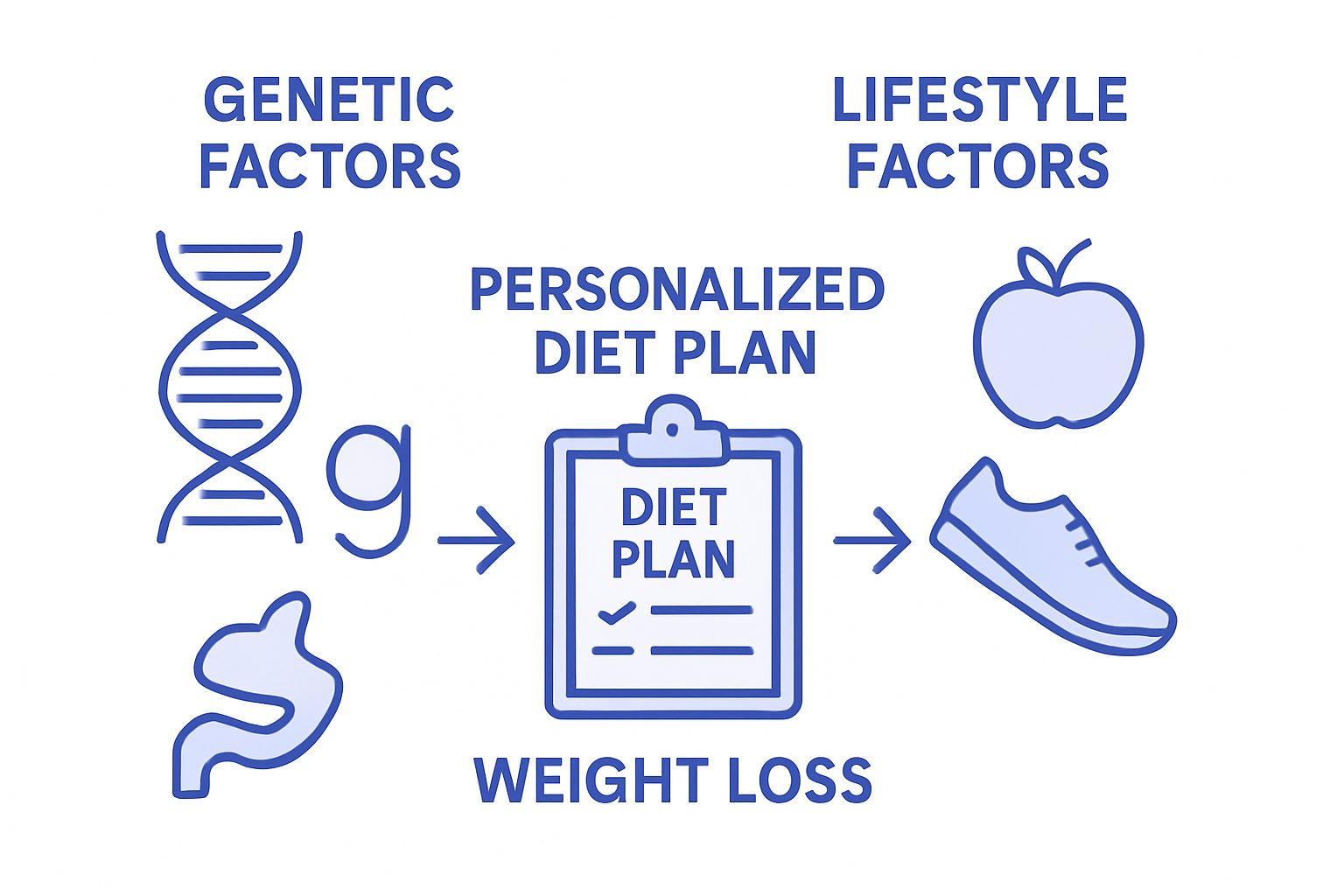
Genetic testing now offers unprecedented insights into individual metabolic tendencies. By analyzing specific genetic markers, healthcare professionals can develop targeted nutrition and fitness recommendations that align with a person’s genetic strengths and potential metabolic challenges.
This approach goes beyond traditional calorie counting, considering how an individual’s genetic blueprint influences factors like insulin sensitivity, fat storage, muscle composition, and metabolic rate.
The future of weight loss is deeply personalized. Rather than following generic diet plans, individuals can now receive scientifically-informed recommendations that respect their unique genetic landscape.
This approach transforms weight management from a frustrating, trial-and-error process into a strategic, data-driven journey of understanding one’s body at the most fundamental genetic level.
Discover How Understanding Your Genetic Predisposition Can Transform Your Weight Loss Journey
If you have ever felt frustrated by persistent weight challenges despite trying countless diets and exercise programs, this article sheds light on why genetics play a crucial role in obesity risk and body weight regulation.
Understanding the impact of genetic variations like those in the LEP, MC4R, and FTO genes offers vital insights into why traditional approaches may not always work.
You deserve personalized strategies that embrace your unique genetic makeup instead of one-size-fits-all solutions.

Explore the Genetic Predisposition – LeanAndFit section for comprehensive resources tailored to help you manage inherited weight challenges effectively.
Learn how lifestyle choices can counteract genetic risks and discover actionable tips that align with your biology today. Ready to take control?
Visit LeanAndFit now and start developing a personalized weight management plan designed for real, lasting results.
Frequently Asked Questions
Q-1: What is the role of genetics in obesity?
A-1: Genetics significantly influences obesity risk, with studies indicating that heritability accounts for 40% to 70% of weight variation. Various genetic factors affect appetite regulation, metabolism, and fat storage, contributing to an individual’s susceptibility to obesity.
Q-2: What are monogenic and polygenic obesity?
A-2: Monogenic obesity is a rare condition caused by mutations in specific genes, leading to severe early-onset weight gain. In contrast, polygenic obesity is more common and involves multiple genetic variants that collectively influence body weight and related metabolic processes.
Q-3: How do genetics and lifestyle choices interact regarding obesity?
A-3: Genetic predisposition can create metabolic vulnerabilities, making weight management more difficult. However, lifestyle choices such as diet and physical activity can significantly mitigate these genetic risks, highlighting the importance of a personalized approach to health.
Q-4: Can understanding my genetic predisposition help with weight loss?
A-4: Yes, recognizing your genetic profile can inform personalized weight loss strategies. By understanding how your genes affect metabolism and nutrient processing, you can tailor nutrition and exercise plans that align with your unique genetic characteristics.
Recommended
- Understanding Weight Loss and Genetics: Your Guide – LeanAndFit
- Role of Inherited Metabolism in Obesity – LeanAndFit
- What are the Genetic Variants Linked to Appetite Regulation? – LeanAndFit
- Is Leptin Resistance the Hidden Genetic Trigger for Obesity? – LeanAndFit
- Understanding Genetic Hair Loss: Causes and Effects | MyHair
- Why Trust LeanAndFit.info?
- For educational purposes only