Choosing where to turn for weight loss advice can feel confusing with so many options promising results. Some sites focus on quick tips and tasty recipes while others offer in depth guides or expert reviews on products and plans.
Maybe you want real stories or just a place to find clear answers without feeling lost in medical talk. Every resource has its own style and strength and a few stand out for making healthy changes feel realistic even if you have a busy schedule.
Curious about what sets these choices apart and how they can fit different goals and lifestyles?
Keep reading to see which approach matches what you need most.
Table of Contents
Lean and Fit
At a Glance
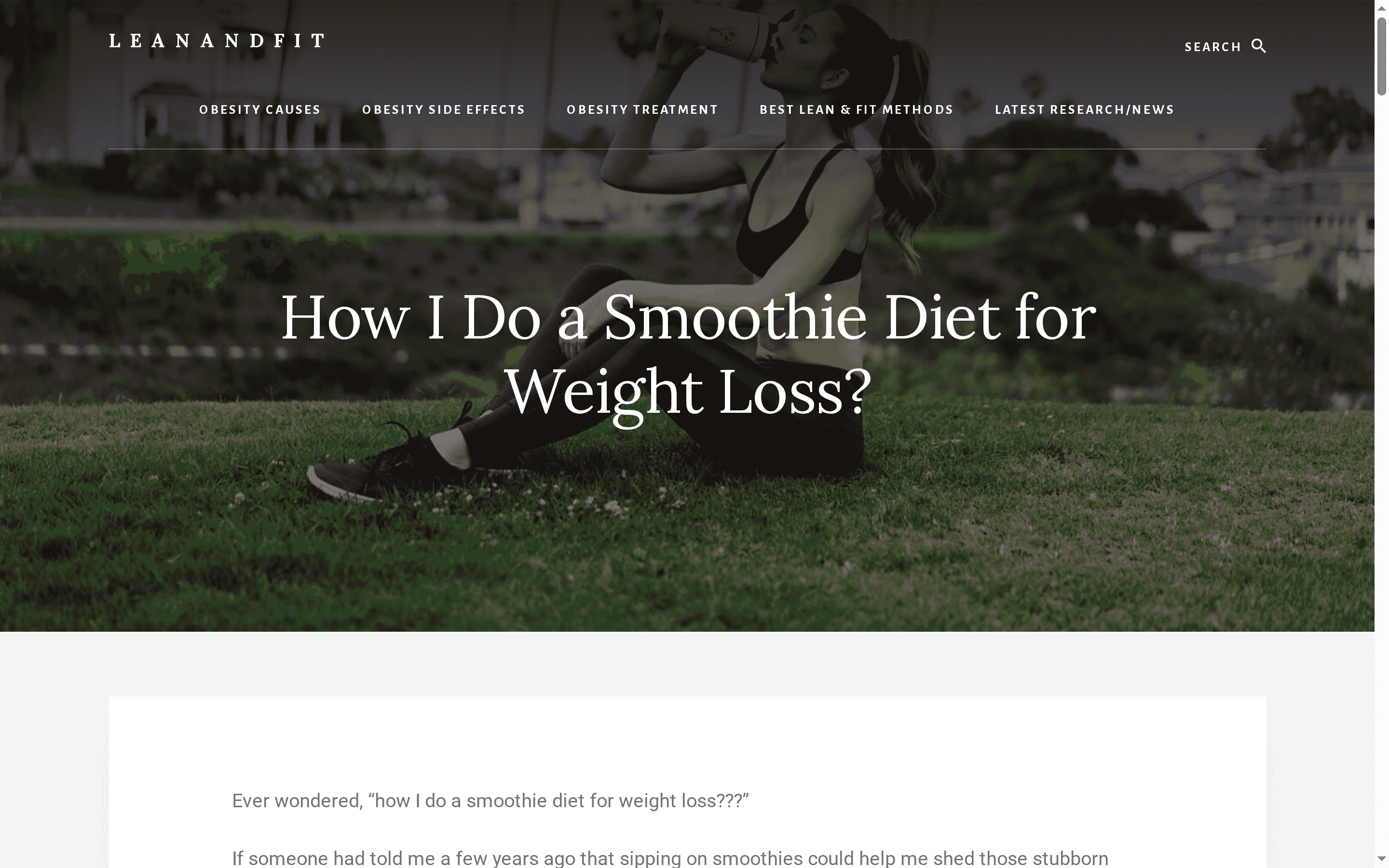
Lean and Fit is an informational hub focused on smoothie-based weight-loss strategies, blending personal stories, practical recipes, and actionable dieting tips.
It emphasizes versatility, nutrition, and sustainability, making it an approachable resource for people who want tasty, DIY ways to lose weight.
While not a substitute for clinical guidance, it excels at translating everyday habits—meal prep, hydration, portion control—into realistic routines you can start this week.
Core Features
Lean and Fit offers personalized smoothie recipes for weight loss, clear guidance on balancing nutrients and maintaining portion control, and a steady stream of practical advice about meal prep, hydration, and listening to your body.
The site shares common mistakes to avoid when pursuing a smoothie diet and promotes a flexible, sustainable approach to dieting that supports long-term behavior change rather than short-term deprivation.
Content ranges from step-by-step recipes to first-hand experiences and general health education, all oriented toward helping readers make smoothies part of a balanced eating plan.
Note: the site focuses on education and guidance rather than clinical endorsements or commercial product offerings, which is a deliberate editorial choice to prioritize accessibility over commercialization.
Pros
- Personalized recipes are provided, giving you targeted smoothie ideas that match weight-loss goals and taste preferences in a usable, DIY format.
- The site emphasizes nutritious, low-sugar ingredients, helping you avoid calorie-dense, nutrient-poor drink choices.
- Practical tips for diet success—like portion control and meal prep—translate recipes into daily habits you can actually maintain.
- A focus on variety and enjoyment encourages long-term adherence by keeping smoothies interesting and flavorful.
- Lean and Fit supports integrating smoothies into a balanced diet, rather than promoting them as an all-or-nothing solution.
Who It’s For
Lean and Fit is ideal for individuals looking for a fun, flexible, and nutritious approach to weight loss through smoothies—especially do-it-yourself cooks who enjoy tweaking recipes.
It suits people seeking quick, healthy meal replacements, those wanting to add more fruits and vegetables to their daily intake, and readers who respond to personal stories and hands-on tips rather than purely scientific papers.
If you prefer practical guidance and doable strategies over clinical-level analysis, this resource was written for you.
Unique Value Proposition
Lean and Fit stands out by combining personalized, practical smoothie recipes with behavioral guidance aimed at sustainable weight loss.
Where competitors may offer dry meal plans or rigid protocols, Lean and Fit delivers adaptable recipes plus clear rules of thumb—portion control, hydration strategies, and common pitfalls to avoid—so you can customize plans to your lifestyle.
Its editorial focus on versatility and enjoyment reduces abandonment rates: people keep sipping and adjusting rather than quitting.
The absence of heavy scientific jargon and commercial push is intentional; the site prioritizes accessibility and real-world usability, giving readers immediate, implementable steps.
In short: it trades complexity for consistency, and that design choice makes it uniquely effective for motivated individuals who want fast, maintainable results without feeling overwhelmed.
Real World Use Case
Imagine someone overscheduled and short on time: they use Lean and Fit to pick three morning smoothies, learn simple meal-prep tips for batching ingredients, and follow portion-control advice to replace one meal daily.
Over weeks, they maintain energy, avoid late-afternoon snacking, and enjoy greater vegetable intake—small changes that add up.
Pricing
Not specified on the website.
Website: https://leanandfit.info
MyFitnessPal Blog
At a Glance
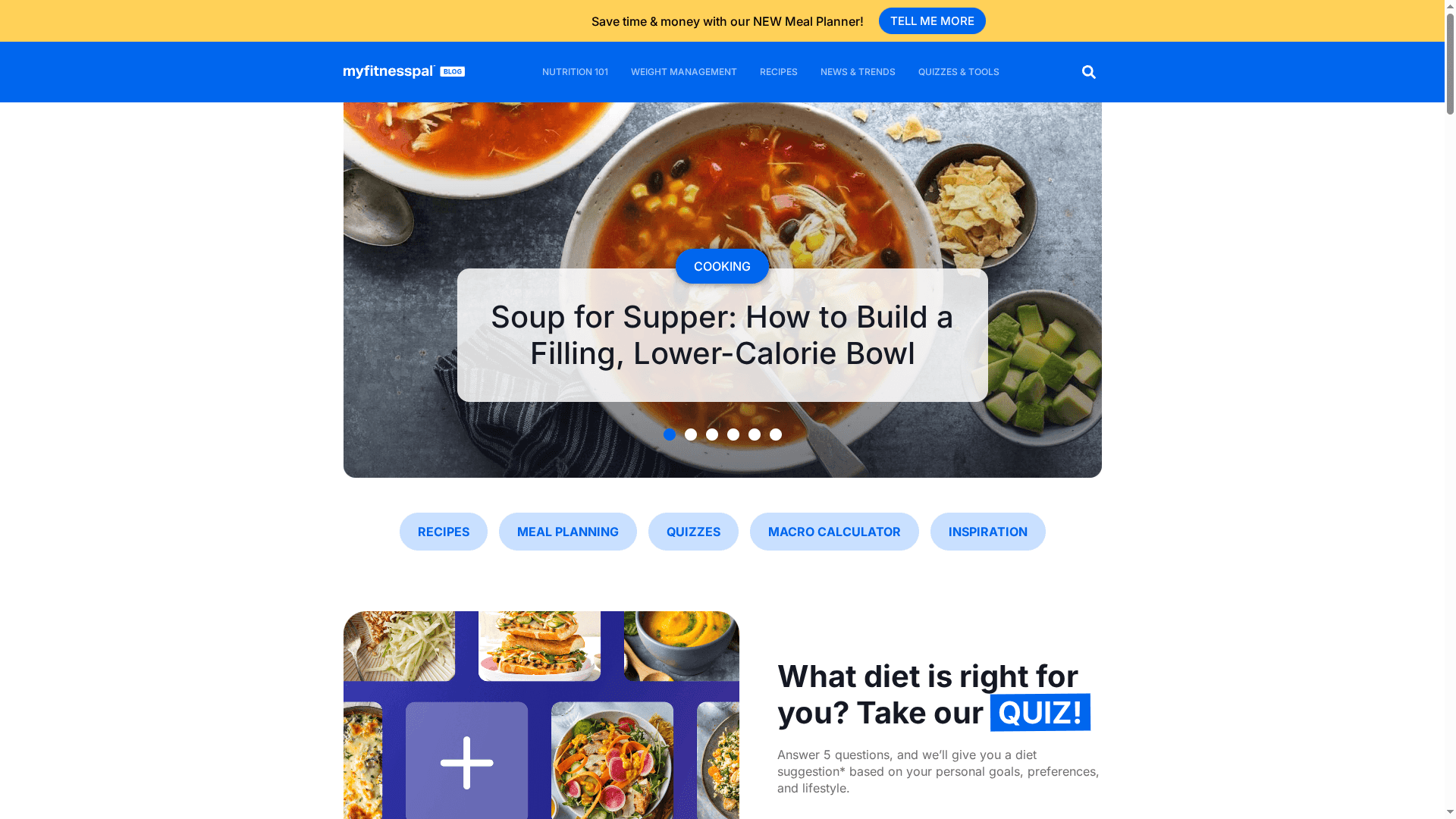
MyFitnessPal Blog is a comprehensive, free resource that combines expert-backed articles, recipes, and community-driven motivation to help you make smarter nutrition and weight-loss choices.
It excels at translating food and nutrition science into actionable tips and meal ideas, while also highlighting trending diets and real user stories. If you need reliable reading material and practical recipes to support rapid weight loss, this blog is a strong first stop.
Core Features
The blog delivers a steady stream of nutrition and diet articles, healthy recipes and meal plans, weight loss tips, and deep dives into food and ingredient insights.
It pairs content with community and social media features to keep motivation high and offers guidance that complements tracking tools and meal planning habits. The format favors readable posts and recipe walks-throughs rather than one-on-one coaching or algorithm-driven personalization.
Pros
- Provides expert-backed advice and science-based information: Articles are positioned as coming from nutrition and health experts, so you can expect guidance grounded in research rather than hearsay.
- Offers a variety of recipes and meal planning tips: The blog includes many practical recipes and meal-planning ideas that you can use immediately to structure calorie-controlled days.
- Covers diverse topics from trendy diets to specific food trends: Whether you want a primer on a new eating pattern or a deep dive into an ingredient, the blog addresses topical and evergreen subjects.
- Includes community stories for motivation and support: Real-world success stories and social content help keep you accountable and provide relatable examples of what works.
- Has a user-friendly website with easy navigation: The site layout emphasizes clarity, so finding recipes, guides, or trend pieces is straightforward and quick.
Cons
- Content is primarily blog-based and may lack personalized features: The site focuses on articles and recipes rather than delivering individualized plans or adaptive coaching.
- Focuses on informational content rather than direct product sales or personalized coaching: If you want hands-on meal plans tied to coaching, the blog won’t replace a dedicated paid program.
- Some articles may require additional context or professional consultation for implementation: For complex health conditions or dramatic weight-loss plans, you may need a healthcare professional to tailor advice safely.
Who It’s For
MyFitnessPal Blog suits health-conscious individuals who want trustworthy, accessible nutrition and recipe content to inform their weight-loss journey.
It is ideal if you prefer self-guided learning, practical meal ideas, and community-driven motivation instead of paying for personalized coaching or specialized products.
Unique Value Proposition
The blog’s unique strength is combining evidence-informed nutrition writing with immediately usable recipes and community stories, all available for free. It bridges the gap between scientific findings and kitchen-friendly execution, making healthy change feel doable.
Real World Use Case
You might read a diet-trend explainer, try a recommended low-calorie recipe, and then use the MyFitnessPal app to track intake—drawing motivation from a community success story to stay consistent during a four- to eight-week rapid weight-loss phase.
Pricing
Free access to blog content; app available for download with potential premium features.
Website: https://blog.myfitnesspal.com
Verywell Fit
At a Glance
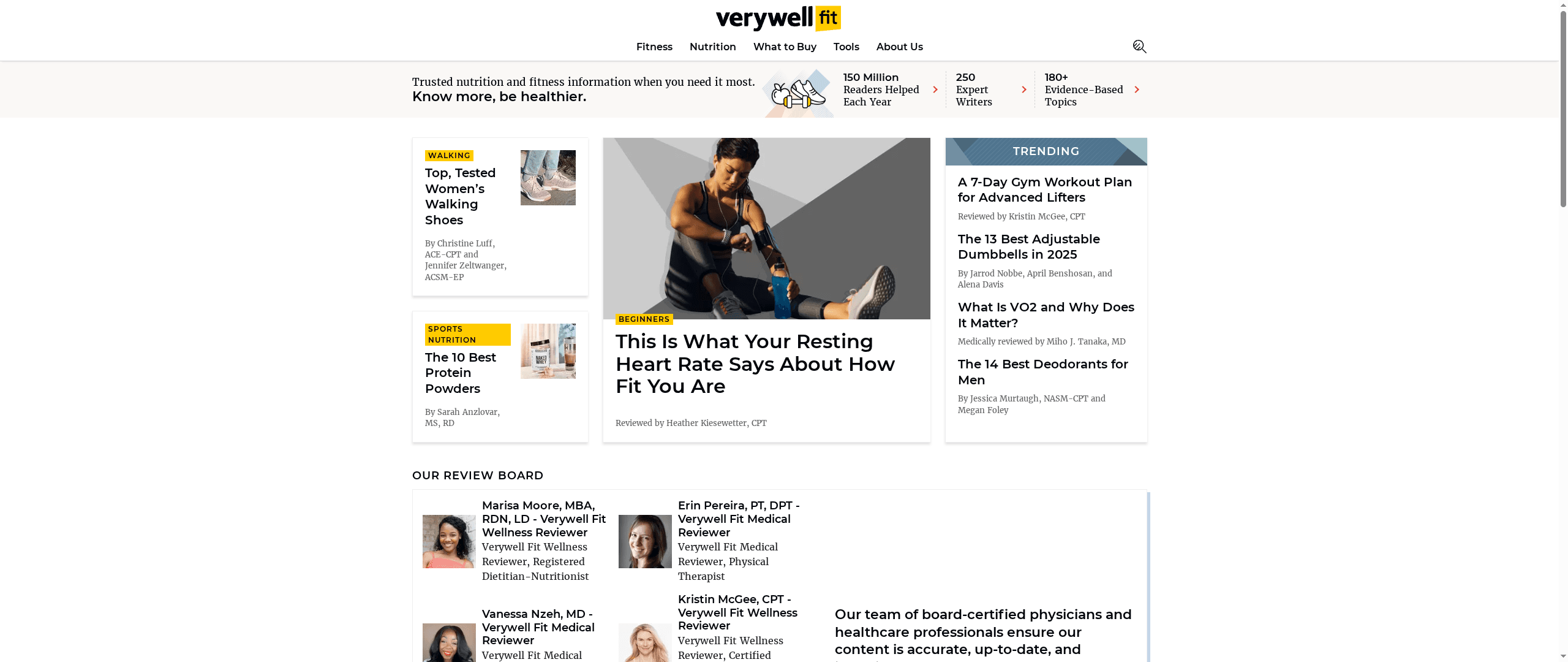
Verywell Fit is an evidence-based information hub that delivers expert-reviewed nutrition and fitness content to help you make smarter choices.
It balances practical how-tos, product reviews, and research updates so you can move from confusion to action quickly. If you want trustworthy guidance rather than hype, this site is a reliable first stop.
Core Features
Verywell Fit publishes expert-reviewed articles across nutrition, workouts, and health trends and pairs that editorial content with practical tools like diet and body metric calculators.
The platform also provides hands-on product reviews and recommendations for fitness equipment, shoes, and supplements, while regularly updating readers with the latest research and evidence-based tips.
Together these features create a single resource for learning, planning, and comparing options without bouncing between dozens of sites.
Pros
- Trusted by healthcare professionals: Content is reviewed and supported by medical and wellness experts, which increases reliability for readers seeking evidence-based advice.
- Comprehensive coverage: The site spans nutrition, exercise, product reviews, and health trends, so users can research multiple topics in one place.
- Practical tools included: Calculators and planning tools help you translate articles into numbers and actionable steps for diet and fitness planning.
- Regularly updated and fact-checked: Content is maintained and refreshed to reflect new findings, which helps reduce outdated or misleading recommendations.
- Inclusive and science-backed tone: The writing aims to be accessible to a broad audience while citing evidence that supports its guidance.
Cons
- Content can be broad rather than specialized: The site prioritizes general wellness information, which may not satisfy advanced users seeking deep, technical detail.
- Primary focus on consumer-facing topics: Verywell Fit emphasizes practical products and lifestyle guidance more than clinical-level or niche performance science.
- Limited personalization and interactivity: There are few bespoke features or interactive coaching tools for users who want tailored plans or ongoing tracking.
Who It’s For
Verywell Fit is ideal for beginners and intermediate wellness enthusiasts who want trustworthy, evidence-based guidance without medical jargon.
If you are looking to learn core nutrition principles, compare products before buying, or use simple calculators to plan your diet and workouts, this site fits your needs. It is less suited for high-performance athletes or clinicians seeking deep technical papers.
Unique Value Proposition
Verywell Fit combines accessible, expert-reviewed editorial with practical utilities and product evaluations, making it a one-stop reference for everyday health decisions. Its strength is delivering reliable, science-informed content in a format that helps non-experts act on what they learn.
Real World Use Case
A reader shopping for protein powders and training shoes can consult Verywell Fit to read expert-reviewed comparisons, check ingredient and performance notes, and use calculators to estimate daily protein needs—then make an informed purchase decision with confidence.
Pricing
Starting at Free. Verywell Fit provides free access to all articles, tools, and reviews.
Website: https://verywellfit.com
Healthline
At a Glance
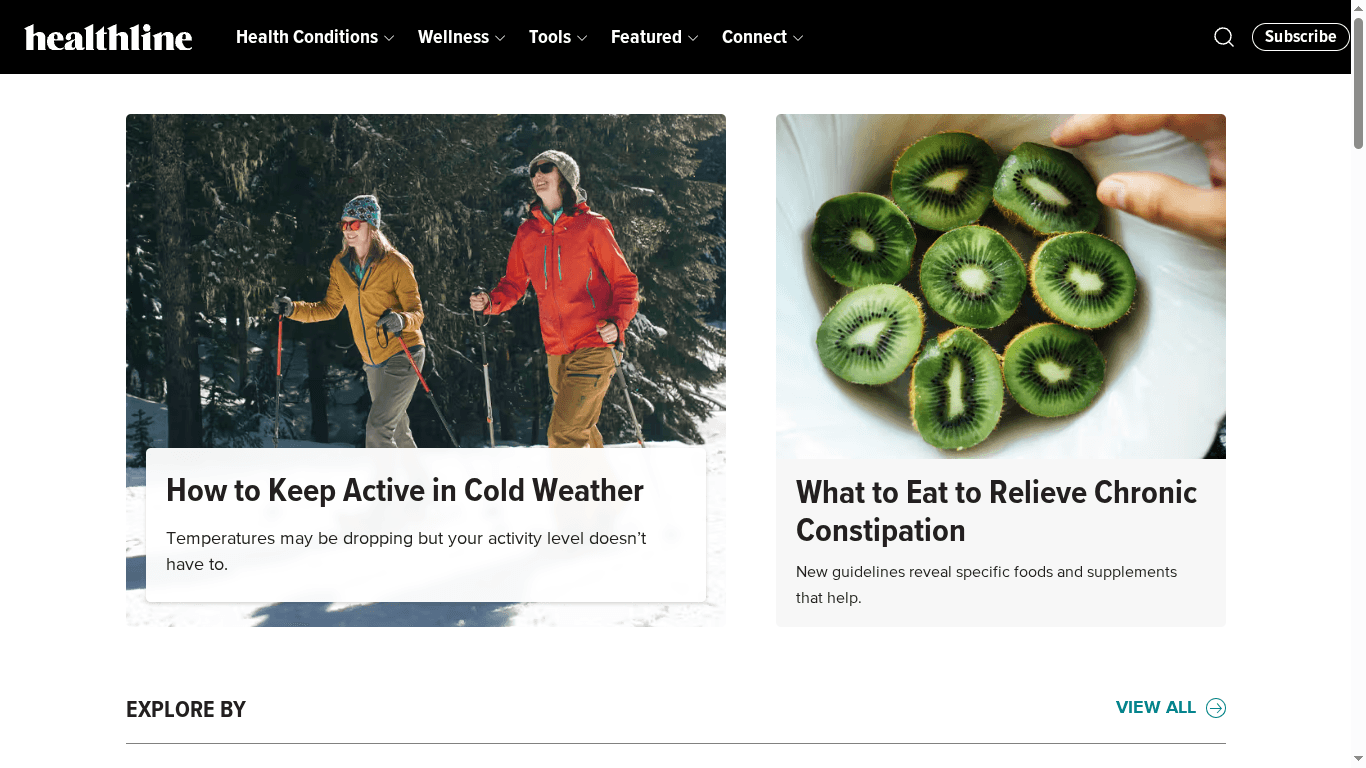
Healthline is a comprehensive hub for trusted medical information, covering conditions, mental health, nutrition, and wellness. The site combines in-depth articles, timely health news, and practical tools like symptom checkers and quizzes to help you make informed decisions.
It is a strong starting point for research, though it stops short of personalized coaching or direct clinical consultation. Overall: reliable, broad, and user-friendly — but not a substitute for a clinician.
Core Features
Healthline delivers extensive condition-specific content, product reviews (including at-home tests and vitamins), and regular health news updates.
It also provides symptom checkers, drug information, and interactive health tools and quizzes (sleep, diet, activity) alongside wellness programs and community options like Bezzy communities.
These elements are organized across a user-friendly interface so readers can move from learning about a condition to comparing products and joining peer support.
Pros
- Trusted, comprehensive content: Healthline offers a wide range of topics so you can research conditions, treatments, and lifestyle strategies in one place.
- Product reviews and practical tools: The site includes reviews of at-home tests and supplements plus quizzes and symptom checkers that help translate information into next steps.
- Timely health news: Regular updates help you stay informed about developments that may affect treatment options or public health guidance.
- Community support through Bezzy: Peer communities give users a place to share experiences and practical tips, which can be especially helpful for chronic-condition management.
- User-friendly layout: Organized sections and clear navigation reduce friction when searching for condition pages, tools, or reviews.
Cons
- Content breadth can be overwhelming: The sheer volume and scope of articles and tools may make it hard for some readers to find focused, actionable guidance quickly.
- Limited personalized services: Healthline does not offer dedicated one-on-one health coaching or medical consultations as part of its core offering.
- Requires health literacy: Some articles contain clinical detail that could be challenging for readers without medical background to fully interpret.
Who It’s For
Healthline is ideal for health-conscious individuals, patients, caregivers, and anyone who wants a reliable starting point for research on symptoms, medications, and lifestyle interventions.
If you value evidence-informed content and practical comparison tools — and you plan to follow up with a clinician for personalized decisions — Healthline is a solid resource.
Unique Value Proposition
Healthline’s strength lies in combining editorially reviewed medical content with practical tools and product reviews in one accessible platform.
That mix helps users move from learning to action — from reading about a condition to evaluating devices or joining a support community.
Real World Use Case
A person noticing signs of diabetes can read condition overviews, compare glucose monitors in Healthline’s product reviews, use symptom checkers to gather questions, and join a Bezzy community for peer tips — then take that information to their healthcare provider.
Pricing
Most content and resources are freely accessible; specific tools or programs may have associated costs, but details are not specified.
Website: https://healthline.com
Weight Loss and Nutrition Resource Comparison
This table provides a concise comparison of different weight loss and nutrition resources, highlighting their features, pros, cons, and pricing for easy decision-making.
| Feature / Resource | Lean and Fit | MyFitnessPal Blog | Verywell Fit | Healthline |
|---|---|---|---|---|
| Features | Personalized smoothie recipes, practical diet tips | Expert-backed articles, meal plans, community motivation | Expert-reviewed content, product reviews, planning tools | Trusted medical info, symptom checkers, reviews, news |
| Pros | DIY format, nutritious ingredients, practical tips | Science-based info, variety, community stories | Comprehensive, trusted, practical tools | Comprehensive content, product reviews, community support |
| Cons | Not clinically endorsed, not a commercial product | Lacks personalized features, purely informational | Broad rather than specialized, limited personalization | Overwhelming content, requires health literacy |
| Who It’s For | DIY cooks, those seeking flexible dieting | Health-conscious, self-guided learners | Beginners/intermediates seeking reliable guidance | Health-conscious individuals, symptom researchers |
| Unique Value Proposition | Combines practical recipes with behavior guidance | Free evidence-backed nutrition and recipe content | Reliable, science-informed content in a practical format | Editorial medical content with practical tools |
| Real World Use Case | Use smoothie guides for meal prep | Use blog for diet trends and recipes, track intake | Compare products and plan diet/exercise | Research conditions, evaluate products, join community |
| Pricing | Not specified | Free, app with premium features | Free access | Mostly free, some tools may have costs |
| Website | Lean and Fit | MyFitnessPal Blog | Verywell Fit | Healthline |
Unlock Rapid Weight Loss with Expert-Backed Diet Strategies
Struggling to choose the right plan in the crowded world of rapid weight loss? This article highlights the challenge of navigating multiple diet options while aiming for sustainable results without burnout.
If your goal is to lose weight quickly but safely, understanding how to manage a calorie deficit and practice conscious eating could be your game changers. These concepts can help you avoid common pitfalls like overeating or nutrient imbalances while keeping your energy steady.
Dive deeper into actionable strategies by exploring our Calorie Deficit – LeanAndFit and Conscious Eating – LeanAndFit guides. These resources offer practical advice you can implement today to maximize your weight loss journey.
Don’t wait for tomorrow to start transforming your habits and body. Visit LeanAndFit now for personalized tips, delicious recipes, and sustainable lifestyle techniques tailored just for you.
Frequently Asked Questions:
Q-1: What are the best diet plans for rapid weight loss comparison in the USA 2026?
A-1: The most popular diet plans for rapid weight loss in the U.S. include ketogenic, intermittent fasting, low-carb, and Mediterranean diets.
Each works differently, but all aim to create a calorie deficit.
With over 42% of U.S. adults classified as obese, demand for fast yet effective diet plans is rising.
Short-term results often vary, with many individuals losing 5–10% of body weight within the first 8–12 weeks depending on adherence and lifestyle.
Q-2: Keto vs intermittent fasting – which is better for fast weight loss?
A-2: Both approaches can deliver quick results.
The ketogenic diet reduces carbohydrate intake to promote fat burning, while intermittent fasting limits eating windows.
Studies show keto can lead to 2–3 kg weight loss in the first month, while intermittent fasting can reduce body weight by 3–8% over 8 weeks.
The better option depends on individual preferences and consistency.
Q-3: Low carb vs low fat diet comparison for quick fat loss results?
A-3: Low-carb diets often produce faster initial weight loss due to water loss and reduced insulin levels.
However, long-term studies in the U.S. show both low-carb and low-fat diets result in similar weight loss of around 5–7% over one year.
The key factor is adherence rather than the specific diet type.
Q-4: Which diet works fastest for weight loss without losing muscle?
A-4: Diets high in protein combined with resistance training are most effective for preserving muscle.
A high-protein intake can reduce muscle loss by up to 50% during weight loss.
Plans like intermittent fasting with adequate protein or a balanced calorie deficit diet tend to deliver better body composition results.
Q-5: What is the comparison of popular diet plans for rapid weight loss results?
A-5: Keto often leads in rapid short-term weight loss, while intermittent fasting offers flexibility.
Mediterranean diets are slower but more sustainable.
Research shows rapid diets can produce up to 10% body weight reduction in 3 months, but maintaining results requires long-term lifestyle changes.
Q-6: Intermittent fasting vs calorie deficit diet – which leads to fastest weight loss?
A-6: Both methods rely on reducing calorie intake. Intermittent fasting simplifies eating patterns, while a calorie deficit diet focuses on portion control.
Studies indicate both approaches can achieve similar weight loss of 4–8% over 12 weeks.
The difference lies in how easy each method is to follow consistently.
Q-7: Which diet burns belly fat fastest – keto, paleo, or Mediterranean?
A-7: Keto may reduce belly fat quickly due to reduced carbohydrate intake and lower insulin levels.
However, Mediterranean diets are linked to long-term reductions in abdominal fat by up to 10–15%.
In health-focused regions like San Diego, Mediterranean-style eating is widely recommended for sustainable results.
Q-8: What are the best short-term diet plans for rapid weight loss and fat burning?
A-8: Short-term plans like low-carb diets, intermittent fasting, and structured calorie deficits are effective.
These approaches can result in 1–2 pounds of weight loss per week, which is considered safe and sustainable.
However, extreme diets may lead to quick regain if not followed by healthy habits.
Q-9: Are there scientifically proven diet plans comparison for quick weight loss?
A-9: Yes, research supports multiple diets, including low-carb, low-fat, and intermittent fasting.
Studies show that adherence plays a bigger role than the diet itself, with successful participants maintaining at least 5% weight loss long-term.
Evidence-based approaches focus on balanced nutrition and calorie control.
Q-10: Which weight loss diet is most effective and sustainable in the US?
A-10: The most effective diet is one that can be maintained long term.
While rapid weight loss plans deliver quick results, sustainable diets like the Mediterranean or balanced calorie deficit approach lead to better long-term success.
Data shows that maintaining even 5–10% weight loss significantly reduces the risk of chronic diseases, making consistency more important than speed.