

Intermittent fasting (IF) has emerged as a popular dietary approach for weight management and overall health improvement.
It involves cycling between periods of eating and fasting, rather than focusing on specific foods or calorie counting.
One of its most compelling effects is its ability to reduce overall calorie intake naturally.
In this article, leanandfit.info will explore the mechanisms by which intermittent fasting achieves this reduction, the behavioral and physiological factors involved, and the scientific evidence supporting its efficacy.
Real-life examples will provide further insight into how intermittent fasting reduces calorie intake.
Table of Contents:
- Understanding Intermittent Fasting
- How Fasting Reduces Hunger and Appetite
- Limited Eating Windows and Calorie Control
- Impact on Hormones Regulating Hunger
- Psychological Benefits of Fasting on Eating Patterns
- Scientific Evidence Supporting Reduced Calorie Intake
- FAQs on Intermittent Fasting for Weight Loss
- Real-Life Examples of Calorie Reduction Through IF
- Conclusion
Understanding Intermittent Fasting
Intermittent fasting is a dietary approach that alternates between designated periods of eating and fasting, emphasizing the timing of meals rather than meticulous calorie tracking.
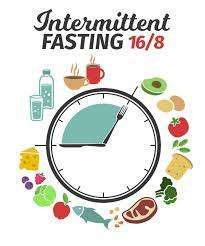
Common methods include the 16 hour fasting diet plan, where individuals fast for 16 hours and eat within an 8-hour window; alternate-day fasting, which involves fasting or consuming very few calories every other day; and the 5:2 method, where normal eating is maintained for five days a week, while caloric intake is significantly reduced on the remaining two days.
Unlike traditional diets that often require strict calorie counting or food restrictions, intermittent fasting focuses on limiting the eating window. This naturally reduces calorie consumption by decreasing the number of meals or snacks consumed.
For example, in the 16:8 method, someone might skip breakfast, begin eating at noon, and finish their last meal by 8 p.m., fasting overnight and into the next morning, simplifying their routine while potentially aiding weight loss and metabolic health.
How Fasting Reduces Hunger and Appetite?
Intermittent fasting can effectively suppress hunger and appetite through complex hormonal and metabolic changes.
During fasting periods, levels of ghrelin, often called the hunger hormone, may initially rise but tend to normalize over time as the body adapts, reducing persistent food cravings.
A systematic review published in Obesity Reviews (Sumithran & Proietto, 2014) found that intermittent fasting helps regulate ghrelin levels while increasing satiety hormones such as leptin and peptide YY (PYY).
These hormones signal the brain to feel fuller for longer, making it easier to consume fewer calories during eating periods.
Additionally, fasting encourages the body to shift from using glucose as its primary energy source to mobilizing fat stores—a process known as lipolysis.
This metabolic switch stabilizes blood sugar levels, reducing the energy crashes that often trigger overeating. Stable blood sugar levels contribute to improved appetite control and reduced cravings for unhealthy, high-sugar foods.
Evidence from clinical studies also indicates that intermittent fasting may help enhance insulin sensitivity, further regulating blood sugar levels and hunger.
By combining hormonal balance with metabolic efficiency, intermittent fasting allows individuals to reduce calorie intake without constant feelings of deprivation, making it a sustainable and practical approach to appetite management and weight control.
Less Hours, Less Bites: How Intermittent Fasting Trims Calories
Intermittent fasting works like a built-in food bouncer, closing the kitchen for most of the day.
By shrinking the eating window, it naturally limits opportunities to snack or overeat.
Take the 16:8 method: fewer hours to eat equals fewer meals and snacks, creating an effortless calorie deficit—no calculators required.
Science backs this up too! A Cell Metabolism study (Gill & Panda, 2015) revealed that people sticking to an 8-hour eating window consumed significantly fewer calories than those grazing over 12 hours.
Why?
The short timeframe encourages prioritizing nutrient-rich meals, leaving less room (and time) for junk food or midnight munchies.
Think of it as a culinary curfew: instead of endless snacking, you are focused on quality over quantity.
This method simplifies eating, curbs impulsive grazing, and helps you wave goodbye to empty calories, all while saving you from late-night fridge raids!
Impact on Hormones Regulating Hunger
A quick look at how your hormones determine your hunger pangs:
Hormonal Harmony: How Intermittent Fasting Tames Hunger:
Intermittent fasting triggers a symphony of hormonal changes that help manage hunger and promote fullness:
- Insulin Sensitivity: Fasting enhances insulin sensitivity, allowing the body to utilize glucose more efficiently. This reduces blood sugar fluctuations, curbing the urge to overeat—a benefit supported by The Journal of Clinical Endocrinology & Metabolism (Mattson et al., 2017).
- Leptin Sensitivity: Improved leptin sensitivity signals the brain that the body is satiated, reducing the likelihood of overeating during eating windows. This promotes a natural decrease in calorie consumption without feeling deprived.
- Cortisol Regulation: While fasting may initially raise cortisol levels, consistent practice improves stress hormone regulation. This helps mitigate stress-induced cravings and emotional overeating, creating a balanced appetite response.
These hormonal shifts create a physiological environment where hunger feels manageable, enabling calorie reduction without constant deprivation. Intermittent fasting doesn’t just curb hunger—it lets your body work smarter, not harder.
Psychological Benefits of Fasting on Eating Patterns
Intermittent fasting is like Marie Kondo for your eating habits—it tidies up meal planning by cutting out the clutter of endless snacks and meal decisions.
With fewer eating hours, you’re no longer playing the mental gymnastics of
“What’s for lunch?
And dinner?
And snack #5?”
This simplicity zaps decision fatigue, letting you focus on the quality of meals rather than mindlessly grazing.
Knowing your eating window is locked in makes it easier to dodge impulsive munching and random snack attacks.
A study published in Appetite (2016) showed that intermittent fasting enhances eating discipline, nudging you toward a more thoughtful, mindful relationship with food.
The beauty of fasting? Less time debating over whether to grab a cookie or carrot stick means fewer calories sneak into your day.
It’s a win-win: simplified eating, better food choices, and fewer moments of “Oops, I ate the whole bag!”
Scientific Evidence Supporting Reduced Calorie Intake
Multiple studies have validated the role of intermittent fasting in reducing calorie intake:
- Tinsley & La Bounty, 2015 (Nutrition Reviews): This review found that intermittent fasting participants naturally consumed fewer calories without being instructed to restrict their intake.
- Varady et al., 2013 (Obesity Research & Clinical Practice): Alternate-day fasting led to a 10-30% reduction in daily calorie consumption over eight weeks, accompanied by significant weight loss.
- Harvie et al., 2011 (International Journal of Obesity): The 5:2 fasting method resulted in comparable calorie reductions and weight loss to traditional calorie-restricted diets, with improved adherence rates.
These findings underscore the efficacy of intermittent fasting as a tool for natural calorie reduction.
Case Study 1: Jane’s 16:8 Snacking Shutdown
Meet Jane, a 35-year-old teacher with a penchant for late-night snacking and a battle against portion control.
After discovering the 16:8 intermittent fasting plan, she flipped her eating schedule, enjoying meals only between 11 a.m. and 7 p.m.
The results?
Pure magic.
Without even realizing it, Jane’s calorie intake plummeted—those late-night chips and cookies were history.
In just three months, she shed 15 pounds, not by meticulously counting every bite but by embracing the structure of fasting.
Her secret?
A plan that closed the snack door firmly shut after 7 p.m.
Case Study 2: John’s Alternate-Day Fasting Triumph
John, a 45-year-old software engineer, decided to give alternate-day fasting a whirl.
On fasting days, he kept it light with just 500 calories, while other days were a buffet of normal eating.
Six months in, John had slashed his overall calorie intake by 20% and waved goodbye to 25 pounds.
Beyond the shrinking waistline, he noticed an unexpected perk: sharper focus and higher energy levels during fasting.
This newfound mental clarity became his fuel to keep going—and he’s not looking back.
For John, fasting wasn’t just a diet; it was a game-changer for both body and brain.
FAQs on Intermittent Fasting for Weight Loss:
Q-1: How does intermittent fasting reduce daily calorie intake naturally?
A-1: Intermittent fasting works less like a “diet” and more like a schedule that quietly limits how much you eat.
By shrinking your eating window—say to 8 hours—you naturally cut down opportunities to snack, especially late at night when calorie-dense foods are common.
Research shows many people consume 20–30% fewer calories without consciously restricting food. In the U.S., where average daily intake often exceeds recommended levels, this passive reduction is powerful.
Instead of tracking every bite, your body adapts to fewer meals, helping regulate hunger and satiety hormones over time.
Q-2: Does intermittent fasting create a calorie deficit without counting calories?
A-2: Yes, and that’s one of its biggest advantages.
A calorie deficit—burning more than you consume—is essential for weight loss. Intermittent fasting helps achieve this automatically by limiting meal frequency.
According to the Centers for Disease Control and Prevention, sustainable weight loss depends on consistent calorie deficits, and fasting offers a structured way to do this without meticulous tracking.
Many individuals report reduced portion sizes and fewer cravings, which further supports calorie control.
Q-3: How does time-restricted eating lower total calorie consumption in adults?
A-3: Time-restricted eating (TRE), such as the 16:8 method, compresses meals into a shorter window.
This reduces mindless eating and eliminates late-night snacking—a major source of excess calories in the U.S. Studies indicate that adults practicing TRE consume 200–500 fewer calories per day on average.
Over weeks, this adds up to meaningful weight loss and improved metabolic health.
Q-4: Intermittent fasting vs calorie counting—Which reduces more calories?
A-4: Both approaches can be effective, but intermittent fasting often wins on simplicity.
Calorie counting requires constant monitoring, while fasting changes eating patterns.
Clinical comparisons show similar weight loss outcomes, suggesting that fasting reduces calories just as effectively—without the mental burden of tracking every meal.
Q-5: How does the 16:8 fasting method reduce calorie intake and support weight loss?
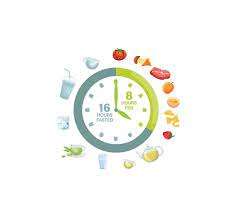
A-5: The 16:8 method involves fasting for 16 hours and eating within an 8-hour window.
This structure limits meals to 2–3 per day, reducing total intake. In the U.S., where frequent snacking is common, this method can significantly cut excess calories.
Many users report improved portion control and fewer cravings, leading to steady weight loss.
Q-6: Why does intermittent fasting help control appetite and calorie intake?
A-6: Fasting influences hormones like ghrelin (hunger hormone) and leptin (satiety hormone).
Over time, ghrelin levels stabilize, reducing hunger spikes.
This hormonal balance makes it easier to eat less without feeling deprived.
Research shows improved appetite control is a key reason fasting leads to lower calorie intake.
Q-7: What is the clinical mechanism behind calorie reduction in intermittent fasting?
A-7: Clinically, fasting reduces calorie intake by altering eating behavior rather than metabolism alone.
It simplifies decision-making—fewer meals mean fewer chances to overeat.
Additionally, improved insulin sensitivity helps regulate blood sugar, reducing cravings for high-calorie foods.
Q-8: How do fasting windows prevent overeating?
A-8: Fasting windows act as boundaries. When eating is restricted to certain hours, impulsive snacking decreases.
This is especially relevant in the U.S., where late-night eating contributes significantly to excess calorie intake.
By eliminating these windows, overall consumption drops naturally.
Q-9: How does intermittent fasting affect hunger hormones and calorie control?
A-9: Hormones play a crucial role. Ghrelin levels adjust to new eating schedules, reducing frequent hunger signals.
Meanwhile, insulin levels drop during fasting, encouraging fat utilization instead of storage.
This hormonal shift supports lower calorie intake and better energy balance.
Q-10: Is skipping meals a safe way to reduce calorie intake in the U.S. population?
A-10: When done strategically, yes. Structured fasting differs from random meal skipping.
It ensures adequate nutrition within eating windows while reducing excess intake.
However, individuals with medical conditions should consult healthcare providers before starting.
Q-11: What are the benefits of intermittent fasting for calorie reduction in obese adults?
A-11: For obese adults, fasting offers a practical way to reduce calories without strict dieting.
With over 42% of U.S. adults classified as obese, this approach is gaining popularity.
Studies show fasting can lead to 5–10% body weight loss, significantly improving metabolic health.
Q-12: How does alternate-day fasting reduce weekly calorie consumption?
A-12: Alternate-day fasting involves eating normally one day and significantly reducing calories the next.
This pattern can cut weekly calorie intake by 20–35%, making it an effective strategy for weight loss.
It also improves insulin sensitivity and fat metabolism.
Q-13: What role do insulin and ghrelin play in calorie reduction during fasting?
A-13: Insulin levels drop during fasting, reducing fat storage and stabilizing blood sugar.
Ghrelin adapts to new eating patterns, leading to fewer hunger signals.
Together, these hormonal changes make it easier to maintain a calorie deficit.
Q-14: What do U.S. statistics say about intermittent fasting and calorie intake?
A-14: In the U.S., intermittent fasting is increasingly popular, with surveys suggesting 10–13% of adults have tried it.
Clinical studies show consistent calorie reduction and modest weight loss.
With rising obesity rates, fasting is being explored as a scalable, sustainable intervention.
Q-15: How does intermittent fasting reduce late-night calorie consumption?
A-15: Late-night eating is a major contributor to excess calories.
Fasting schedules typically eliminate nighttime meals, reducing intake of high-calorie snacks.
This simple shift can significantly lower daily calorie totals and improve overall diet quality.
📊 Key U.S. Insights at a Glance:
- Over 42% of U.S. adults are obese
- Intermittent fasting can reduce calorie intake by 20–30%
- Time-restricted eating lowers intake by 200–500 calories daily
- 5–10% weight loss significantly improves metabolic health
💡 Actionable Clinical Tips:
- Start with a 12:12 fasting schedule, then progress to 16:8
- Focus on nutrient-dense meals during eating windows
- Stay hydrated to manage hunger
- Avoid ultra-processed foods to maximize calorie control
- Combine fasting with regular physical activity (150 min/week)
⚠️ Who Should Be Cautious?
- Individuals with diabetes
- Pregnant or breastfeeding women
- Those with a history of eating disorders
Expert Tip of the Day:
Intermittent fasting simplifies calorie reduction by reshaping when you eat rather than obsessing over what you eat.
In a country where overeating is often driven by constant access to food, this approach creates natural boundaries that promote healthier habits.
Backed by clinical research and growing adoption in the U.S., fasting has proven to be an effective tool for reducing calorie intake and supporting weight loss.
The real power lies in its simplicity—fewer meals, fewer decisions, and fewer opportunities to overeat.
When combined with balanced nutrition and an active lifestyle, intermittent fasting becomes more than a trend; it becomes a sustainable strategy for long-term metabolic health.
Conclusion
Intermittent fasting reduces overall calorie intake through multiple pathways: limiting eating windows, regulating hunger hormones, improving mindfulness, and fostering healthier eating patterns.
Supported by robust scientific evidence and real-life success stories, it offers a sustainable approach to weight management without the need for restrictive diets.
By understanding how and why intermittent fasting works, individuals can harness its potential to achieve long-term health benefits.
References: