
In a world filled with processed foods and fad diets, creating a balanced plate with whole foods offers a sustainable approach to achieving a lean and fit body.
Whole foods, which are minimally processed and nutrient-dense, provide the vitamins, minerals, and macronutrients necessary for optimal health.
By prioritizing whole foods and structuring meals with proper balance, you can enhance satiety, regulate weight, and support long-term wellness.
In this article, leanandfit.info would discuss the concept of building a balanced plate, break down its essential components, and provide real-life examples supported by scientific evidence.
You get to learn how to build a balanced plate with whole foods.
Table of Contents
- Introduction
- Understanding Whole Foods
- 2.1. Definition and Benefits
- 2.2. Scientific Evidence Supporting Whole Foods
- Components of a Balanced Plate
- 3.1. Vegetables and Fruits
- 3.2. Whole Grains
- 3.3. Lean Proteins
- 3.4. Healthy Fats
- Strategies to Build a Balanced Plate
- 4.1. Portion Guidelines
- 4.2. Meal Planning Tips
- Real-Life Examples
- 5.1. Breakfast: Avocado Toast with Eggs and Greens
- 5.2. Lunch: Grilled Chicken with Quinoa and Roasted Veggies
- 5.3. Snack: Greek Yogurt with Nuts and Honey
- 5.4. Dinner: Stir-Fried Tofu with Brown Rice and Vegetables
- FAQs on Balanced Plate with Whole Foods
- Conclusion
Understanding Whole Foods
Here is what you need to know if you wish to get lean and fit:
Definition and Benefits
Whole foods are foods that are minimally processed or unprocessed, retaining their natural nutrient profile.
These include fresh fruits, vegetables, whole grains, nuts, seeds, legumes, and lean proteins such as chicken, fish, and eggs.
Unlike processed foods that are stripped of nutrients and filled with added sugars, unhealthy fats, and preservatives, whole foods offer a wealth of benefits.
They are rich in essential nutrients, dietary fiber, vitamins, minerals, and antioxidants that support overall health.
For instance, an apple provides fiber, vitamin C, and antioxidants, whereas apple-flavored juice contains added sugars and lacks fiber.
Similarly, whole grains like brown rice and quinoa offer fiber and B vitamins, which are lost in refined versions such as white rice.
Nuts and seeds, like almonds and flaxseeds, deliver healthy fats and omega-3 fatty acids, promoting heart health.
The consumption of whole foods supports sustained energy levels, promotes digestive health, and helps reduce inflammation.
A diet focused on whole foods has been linked to a lower risk of obesity, diabetes, and cardiovascular diseases, making it a cornerstone of a balanced and healthy lifestyle.
Scientific Evidence Supporting Whole Foods
Research backs the benefits of whole-food diets.
A study published in The Lancet Public Health (2019) found that diets rich in whole foods, particularly fruits, vegetables, and whole grains, were associated with lower risks of chronic diseases and reduced all-cause mortality.
Another study in The American Journal of Clinical Nutrition highlighted that individuals who consumed higher amounts of whole grains had improved insulin sensitivity and better weight management outcomes.
These findings underscore the importance of incorporating whole foods into daily meals for long-term health benefits.
Components of a Balanced Plate
Here is what your ideal plate should contain:
Vegetables and Fruits
Vegetables and fruits are nutrient powerhouses that should make up half of your plate. Rich in fiber, vitamins, and antioxidants, these foods promote satiety and protect against chronic diseases. Aim for a colorful variety to ensure a broad spectrum of nutrients. For example:
- Leafy Greens like spinach and kale are high in iron and calcium.
- Orange Vegetables such as carrots and sweet potatoes provide beta-carotene.
- Fresh Fruits like berries and oranges are excellent sources of vitamin C and antioxidants.
Whole Grains
Whole grains, such as brown rice, oats, quinoa, and whole wheat bread, offer complex carbohydrates and dietary fiber, which help maintain steady energy levels and support digestive health.
Whole grains should occupy about a quarter of your plate. According to a study in Nutrition Research Reviews, diets rich in whole grains are linked to reduced risks of obesity and type 2 diabetes.
Lean Proteins
Proteins are essential for muscle repair, immune function, and hormone production. Lean protein sources, such as chicken, fish, eggs, beans, and tofu, should make up another quarter of your plate.
Research published in The Journal of Nutrition highlights that high-protein diets can promote weight loss by enhancing satiety and preserving lean muscle mass during calorie restriction.
Healthy Fats
Healthy fats, found in foods like avocados, nuts, seeds, and olive oil, are vital for brain function, hormone production, and nutrient absorption.
While fats are calorie-dense, incorporating moderate amounts in meals can enhance satiety and flavor.
For example:
- Add a tablespoon of chia seeds to a smoothie for omega-3 fatty acids.
- Use olive oil for cooking to provide heart-healthy monounsaturated fats.
Strategies to Build a Balanced Plate
You might want to follow this strategy:
Portion Guidelines
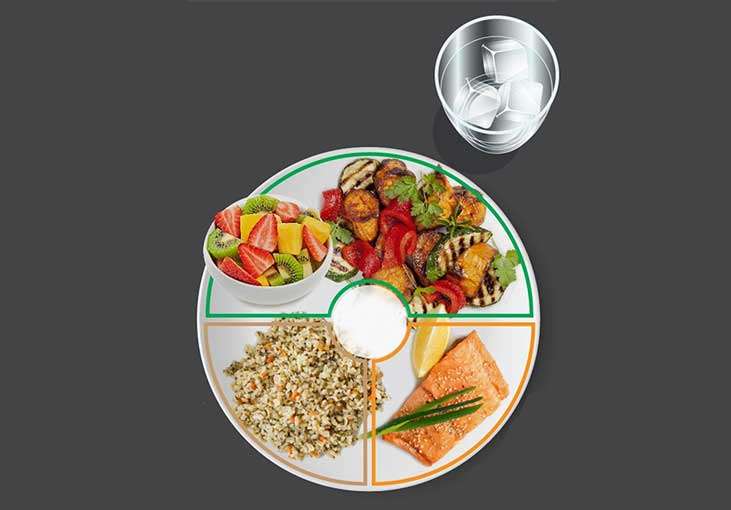
A balanced plate follows these general guidelines:
- 50% Vegetables and Fruits
- 25% Whole Grains
- 25% Lean Proteins
- Healthy Fats in Moderation
This distribution aligns with the Harvard T.H. Chan School of Public Health’s “Healthy Eating Plate” model, which emphasizes variety and nutrient-dense choices.
Meal Planning Tips:
- Batch Cooking: Prepare large portions of whole grains and proteins for the week.
- Seasonal Eating: Choose seasonal produce for better flavor and nutrition.
- Mindful Eating: Listen to hunger cues and avoid overeating.
- Use Visual Guides: A smaller plate can help control portion sizes and prevent overloading.
Classic Example of a Healthy Daily Meal
Here is a classic case of a balanced meal (as designed by LeanAndFit research team):
Breakfast: Avocado Toast with Eggs and Greens
Start your day with a slice of whole-grain toast topped with mashed avocado and a poached egg. Add a side of sautéed spinach for extra nutrients.
This meal provides:
- Complex Carbohydrates: Whole-grain toast for sustained energy.
- Healthy Fats: Avocado for brain and heart health.
- Protein: Eggs for muscle repair and satiety.
- Vitamins: Spinach for iron and magnesium.
Lunch: Grilled Chicken with Quinoa and Roasted Veggies
For lunch, pair grilled chicken breast with a serving of quinoa and a medley of roasted vegetables like zucchini, carrots, and bell peppers.
Benefits include:
- Protein: Chicken supports muscle maintenance.
- Whole Grains: Quinoa provides fiber and essential amino acids.
- Antioxidants: Vegetables combat inflammation and support immunity.
Snack: Greek Yogurt with Nuts and Honey
A mid-day snack of plain Greek yogurt topped with a handful of almonds and a drizzle of honey is both satisfying and nutrient-dense.
It offers:
- Protein: Greek yogurt keeps you full.
- Healthy Fats: Nuts provide long-lasting energy.
- Natural Sweetness: Honey adds flavor without refined sugar.
Dinner: Stir-Fried Tofu with Brown Rice and Vegetables
For dinner, try stir-frying tofu with garlic, ginger, and soy sauce, served over brown rice with steamed broccoli and snap peas. This meal delivers:
- Plant-Based Protein: Tofu is a complete protein source.
- Whole Grains: Brown rice aids digestion and stabilizes blood sugar.
- Phytonutrients: Vegetables support overall health and wellness.
FAQs on Balanced Plate & Whole Foods
Building a balanced plate with whole foods doesn’t have to feel complicated or restrictive. This FAQ breaks it down into practical, data-backed answers so you can create meals that support energy, weight management, and long-term health.
Q-1: How do I know if my plate is truly “balanced” without counting calories?
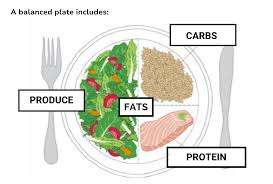
A-1: A simple visual method works well. Aim for ½ plate vegetables, ¼ protein, and ¼ whole grains, plus a small portion of healthy fats. Research from Harvard shows this approach improves nutrient intake and can reduce chronic disease risk by 20–30% without strict calorie counting.
Q-2: Can I build a balanced plate even if I eat only 2 meals a day?
A-2: Yes. What matters is nutrient distribution, not meal frequency. Studies show people eating 2–3 balanced meals still meet nutritional needs if each meal includes protein, fiber, and healthy fats, supporting stable blood sugar in over 70% of individuals.
Q-3: How much protein should I include to keep my plate balanced?
A-3: Most adults benefit from 20–30 grams of protein per meal. Research indicates this amount improves satiety by up to 60% and helps maintain muscle mass, especially during weight loss.
Q-4: Are all whole grains equally effective for a balanced plate?
A-4: Not exactly. Whole grains like quinoa, oats, and brown rice have different fiber and protein levels. Diets rich in whole grains are linked to a 15–25% lower risk of heart disease, but choosing higher-fiber options improves blood sugar control even more.
Q-5: Can I skip fats and still have a balanced plate?
A-5: No. Healthy fats are essential for nutrient absorption and hormone balance. Including fats like nuts, seeds, or olive oil can improve satiety and reduce overeating by up to 20%, according to nutrition studies.
Q-6: How do vegetables impact the effectiveness of a balanced plate?
A-6: Vegetables are crucial because of their fiber and micronutrients. High vegetable intake is associated with a 20–30% reduction in obesity risk and helps improve digestion and fullness.
Q-7: What’s the biggest mistake people make when trying to build a balanced plate?
A-7: Overloading carbohydrates while neglecting protein and fiber. Studies show meals high in refined carbs can spike blood sugar by 50% or more, leading to energy crashes and increased hunger shortly after eating.
Q-8: Can a balanced plate help with weight loss without dieting?
A-8: Yes. Balanced meals naturally control portion sizes and hunger. Research shows people following balanced plate principles consume 300–500 fewer calories per day without intentional restriction.
Q-9: How does a balanced plate affect blood sugar levels?
A-9: Combining protein, fiber, and healthy fats slows glucose absorption. Studies indicate this can reduce post-meal blood sugar spikes by 20–40%, making it especially beneficial for people with insulin resistance.
Q-10: How quickly can I see results after consistently eating balanced plates?
A-10: Many people notice improved energy and reduced cravings within 1–2 weeks. Research suggests measurable changes in weight, digestion, and blood markers can appear within 4–6 weeks of consistent balanced eating.
Conclusion Insight:
A balanced plate isn’t about perfection—it’s about consistency. By focusing on whole foods and proper proportions, you give your body the nutrients it needs to function efficiently. Over time, this simple approach can lead to better energy, improved metabolism, and sustainable health without the stress of strict dieting.
Conclusion
Building a balanced plate with whole foods is a foundational strategy for achieving and maintaining a lean, fit, and healthy body.
By prioritizing vegetables, fruits, whole grains, lean proteins, and healthy fats, you can create nutrient-dense meals that satisfy hunger and support optimal health.
Incorporating variety and practicing mindful eating for weight loss goals ensures that your diet remains enjoyable and sustainable.
Real-life examples, supported by scientific evidence, demonstrate that a whole-food-based, balanced diet can transform your health and lifestyle.
With thoughtful planning and consistent effort, building a balanced plate becomes an effortless habit that fosters long-term wellness.
Recommended:
- https://leanandfit.info/healthy-meals-for-losing-weight-naturally/
- https://leanandfit.info/easy-healthy-meals-for-weight-loss-naturally/
- https://leanandfit.info/understanding-meal-timing-and-weight-loss/
- https://leanandfit.info/weekly-meal-planning-tips-for-weight-loss/
- https://leanandfit.info/healthy-recipes-for-families-7/
- https://www.maxhealthcare.in/blogs/what-is-a-balanced-diet
- https://www.healthline.com/health/balanced-diet
- For educational purposes only
- Why Trust LeanAndFit.info?