Still wondering ‘How Abdominal Fat Contributes to Insulin Resistance’???
Insulin resistance is a precursor to numerous metabolic disorders, including Type 2 diabetes and cardiovascular disease.
Among the many contributing factors, abdominal fat has garnered significant attention for its direct role in impairing insulin sensitivity.
This article delves into how and why abdominal fat influences insulin resistance, exploring the underlying biological mechanisms, its systemic impact, and real-life case studies to illustrate these connections.
LeanAndFit will begin by defining abdominal fat and its unique metabolic activity, followed by the mechanisms linking it to insulin resistance.
Finally, we will examine its broader implications for health, supported by research findings.
Index
- What is Abdominal Fat?
- The Unique Metabolic Role of Abdominal Fat
- How Abdominal Fat Causes Chronic Inflammation
- The Role of Free Fatty Acids in Insulin Resistance
- Hormonal Dysregulation and Abdominal Fat
- Real-Life Case Study: Mark’s Journey with Insulin Resistance
- Systemic Impacts of Abdominal Fat-Induced Insulin Resistance
- FAQs on Abdominal Fat and Insulin Resistance
- Research Insights: Supporting Evidence
- Conclusion
What is Abdominal Fat?
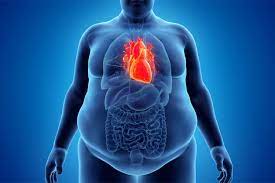
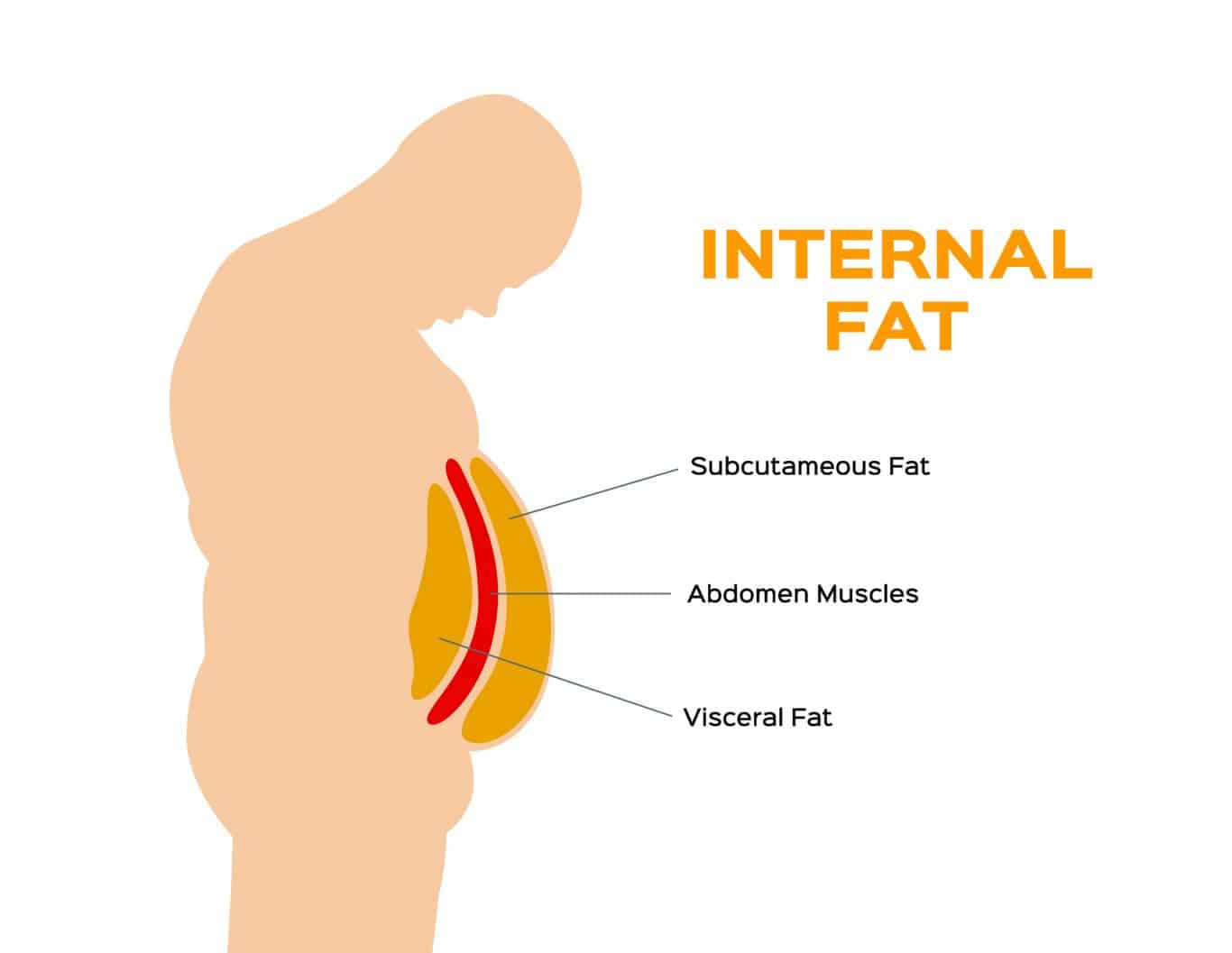
Abdominal fat, commonly referred to as visceral fat, is stored deep within the abdominal cavity, surrounding internal organs like the liver, pancreas, and intestines.
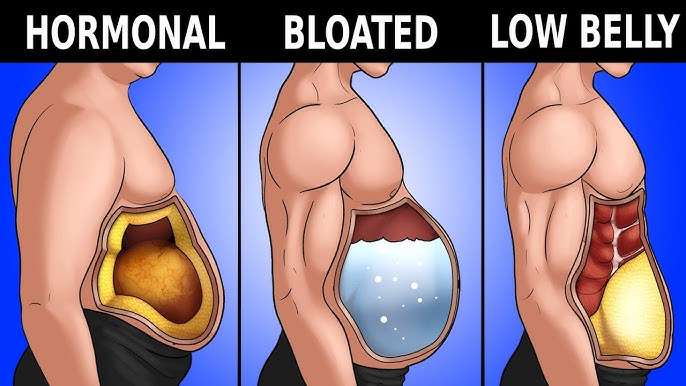
Unlike subcutaneous fat, which resides just beneath the skin, abdominal fat is highly metabolically active and significantly influences physiological processes, including hormone secretion and inflammation.
Excess abdominal fat is typically identified by an increased waist circumference and is closely associated with metabolic disorders.
This type of fat is a key component of metabolic syndrome, a cluster of conditions that increase the risk of diabetes and cardiovascular disease.
A study published in The Lancet highlights that individuals with greater abdominal fat face an elevated risk of developing insulin resistance, independent of their overall body weight or body mass index (BMI).
This underscores the importance of targeting abdominal fat specifically, as its metabolic activity plays a critical role in disrupting glucose regulation and systemic health.
The Unique Metabolic Role of Abdominal Fat
Abdominal fat, unlike subcutaneous fat, functions as an active endocrine organ, secreting a variety of hormones and inflammatory molecules that significantly influence systemic health and metabolic regulation.
Its unique characteristics differentiate it from other fat depots, making it particularly detrimental to insulin sensitivity and overall health.
Key Differences Between Abdominal and Subcutaneous Fat:
- Higher Lipolytic Activity
Abdominal fat breaks down and releases free fatty acids (FFAs) more readily into the bloodstream. Elevated FFAs overwhelm the liver and muscles, leading to insulin resistance and hepatic steatosis (fatty liver). - Pro-inflammatory Cytokines
Abdominal fat secretes cytokines like tumor necrosis factor-alpha (TNF-α) and interleukin-6 (IL-6), which activate inflammatory pathways. These pathways disrupt insulin receptor signaling and impair glucose uptake in tissues. - Adipokine Imbalance
Abdominal fat alters levels of leptin and adiponectin—key hormones in metabolic regulation. Excess abdominal fat often leads to leptin resistance and reduced adiponectin levels, impairing glucose metabolism and enhancing insulin resistance.
Scientific Insight:
A study published in The Journal of Clinical Investigation found that visceral fat contributes disproportionately to insulin resistance due to its pro-inflammatory and lipolytic profile.
These characteristics highlight why abdominal fat is a primary target for reducing metabolic risk.

How Abdominal Fat Causes Chronic Inflammation?
Inflammation is a critical mechanism through which abdominal fat contributes to insulin resistance.
Fat cells (adipocytes) in abdominal fat produce pro-inflammatory cytokines, such as tumor necrosis factor-alpha (TNF-α) and interleukin-6 (IL-6), which interfere with insulin signaling pathways.
Mechanism:
- These cytokines activate inflammatory pathways like c-Jun N-terminal kinase (JNK) and nuclear factor kappa B (NF-κB).
- These pathways phosphorylate insulin receptor substrates (IRS), impairing their ability to transmit insulin signals effectively.
Impact:
- This chronic low-grade inflammation reduces glucose uptake in muscle and liver cells, worsening insulin resistance over time.
- The persistent inflammatory environment created by abdominal fat is a key factor linking central obesity to systemic metabolic dysfunction.
Scientific Evidence:
A study published in Diabetes Care found that individuals with higher levels of abdominal fat exhibited elevated markers of systemic inflammation, including C-reactive protein (CRP) and IL-6.
These markers strongly correlated with decreased insulin sensitivity, highlighting the direct role of inflammation in the development of insulin resistance.
The Role of Free Fatty Acids in Insulin Resistance
Free fatty acids (FFAs) released by abdominal fat play a pivotal role in the development of insulin resistance through multiple pathways:
- Overloading the Liver: Excess FFAs accumulate in the liver, leading to hepatic steatosis (fatty liver disease). This disrupts the liver’s ability to regulate glucose production and storage, a critical process for maintaining blood sugar levels. Impaired hepatic glucose regulation contributes significantly to insulin resistance.
- Interfering with Muscle Glucose Uptake: FFAs impair the function of GLUT4, the primary glucose transporter in skeletal muscles. This results in decreased glucose uptake by muscle tissues, a hallmark feature of insulin resistance. Over time, this leads to persistently high blood sugar levels and increased insulin demand.
Scientific Insight:
A study published in the Journal of Clinical Endocrinology & Metabolism demonstrated that elevated FFAs from abdominal fat directly reduced insulin sensitivity in both liver and muscle tissues.
This creates a cycle where impaired glucose regulation further stimulates fat accumulation, exacerbating insulin resistance.
Understanding the role of FFAs underscores the importance of managing abdominal fat to break this cycle.

Hormonal Dysregulation and Abdominal Fat
Abdominal fat significantly disrupts hormonal balance, particularly affecting leptin and adiponectin, both of which are critical for maintaining insulin sensitivity:
- Leptin Resistance: Leptin, a hormone secreted by fat cells, normally suppresses appetite and enhances glucose metabolism. However, excessive abdominal fat causes leptin resistance, wherein the brain fails to respond to leptin signals, leading to increased appetite and reduced energy expenditure. This contributes to insulin resistance by exacerbating weight gain and glucose dysregulation.
- Low Adiponectin Levels: Adiponectin, another hormone produced by fat cells, enhances insulin sensitivity by promoting glucose uptake and fatty acid oxidation. High abdominal fat reduces adiponectin levels, impairing these metabolic processes and worsening insulin resistance.
A study published in Endocrine Reviews revealed that low adiponectin levels are a strong predictor of insulin resistance in individuals with central obesity, emphasizing the direct hormonal impact of abdominal fat on metabolic health.
Case Study: Mark’s Journey to Improved Insulin Sensitivity
Mark, a 45-year-old accountant, led a sedentary lifestyle due to long work hours and minimal physical activity.
Over the years, he noticed significant weight gain around his abdomen, frequent fatigue, and difficulty concentrating.
Routine health checks revealed elevated fasting blood sugar levels and a waist circumference of 42 inches, well above the healthy threshold.
- Assessment: Concerned about these signs, Mark consulted his doctor, who diagnosed him with insulin resistance after conducting blood tests, including fasting insulin and glucose levels. His abdominal fat was identified as a major contributor to his condition.
- Intervention: To tackle the root cause, Mark adopted a structured diet emphasizing whole foods, lean proteins, and low-glycemic-index carbohydrates. He combined this with an exercise regimen that included resistance training and high-intensity interval training (HIIT), both proven to target abdominal fat.
- Outcome: Over six months, Mark reduced his abdominal fat by 15%, as indicated by a smaller waist circumference and improved blood test results. He experienced higher energy levels, better concentration, and normalized blood sugar levels.
Mark’s story highlights the importance of addressing abdominal fat to reverse insulin resistance, showcasing the effectiveness of targeted lifestyle interventions in improving metabolic health.
Systemic Impacts of Abdominal Fat-Induced Insulin Resistance
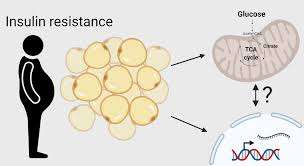
Abdominal fat plays a critical role in the development of insulin resistance, with wide-ranging effects on overall health and chronic disease risk:
- Type 2 Diabetes: Prolonged insulin resistance due to abdominal fat disrupts the body’s ability to regulate blood glucose levels. This eventually leads to beta-cell exhaustion in the pancreas, impairing insulin production and triggering the onset of Type 2 diabetes.
- Cardiovascular Risk: Abdominal fat is metabolically active, releasing free fatty acids and inflammatory markers that increase LDL cholesterol and triglyceride levels. Obesity fuels atherosclerosis, significantly elevating the risk of heart disease and stroke.
- Polycystic Ovary Syndrome (PCOS): In women, insulin resistance worsened by abdominal fat contributes to hormonal imbalances. This exacerbates PCOS symptoms such as irregular menstrual cycles, infertility, and excess androgen levels.
The systemic nature of these effects underscores the importance of reducing abdominal fat to prevent chronic conditions.
Interventions that target abdominal fat, such as lifestyle modifications and medical therapies, are critical in mitigating these risks and improving long-term health outcomes.
FAQs on Abdominal Fat and Insulin Resistance:
Abdominal fat isn’t just about appearance—it plays a powerful role in how your body manages blood sugar and insulin. Understanding this hidden connection can help you take smarter steps to prevent insulin resistance and protect your long-term health.
Research has consistently shown the pivotal role of abdominal fat in developing insulin resistance:
- Nature Medicine (2021): Removal of visceral fat in animal models significantly improved insulin sensitivity and reduced markers of chronic inflammation, emphasizing the direct metabolic effects of abdominal fat.
- Diabetes (2019): This study highlighted how free fatty acids (FFAs) released by abdominal fat interfere with glucose transport mechanisms in skeletal muscles, leading to impaired insulin action.
- Journal of the American Medical Association (JAMA, 2018): Central obesity was found to double the risk of insulin resistance compared to subcutaneous fat distribution, underscoring the systemic impact of abdominal fat.
These findings stress the importance of targeted approaches to reduce abdominal fat, including lifestyle interventions and medical strategies, to prevent and manage insulin resistance effectively.
Takeaway
Abdominal fat plays a central role in the development of insulin resistance through mechanisms like inflammation, hormonal dysregulation, and FFA release.
Its systemic impact extends beyond glucose metabolism, affecting cardiovascular and endocrine health (thyroid hormone deficiency).
By understanding the unique metabolic activity of abdominal fat, healthcare professionals can develop targeted interventions to combat insulin resistance.
Early identification and reduction of abdominal fat can significantly mitigate the risk of Type 2 diabetes and other metabolic disorders.
Recommended:
- https://leanandfit.info/how-metformin-affects-insulin-sensitivity-for-weight-loss/
- https://leanandfit.info/how-insulin-resistance-increases-fat-storage/
- https://leanandfit.info/how-obesity-leads-to-insulin-resistance-in-metabolic-syndrome/
- https://leanandfit.info/how-to-link-bpa-to-insulin-resistance-in-obesity-research/
- https://leanandfit.info/insulin-resistance-and-obesity/
- https://pmc.ncbi.nlm.nih.gov/articles/PMC4038351/
- https://academic.oup.com/edrv/article-abstract/34/4/463/2354642?redirectedFrom=fulltext
- Why Trust LeanAndFit.info?
- For educational purposes only