
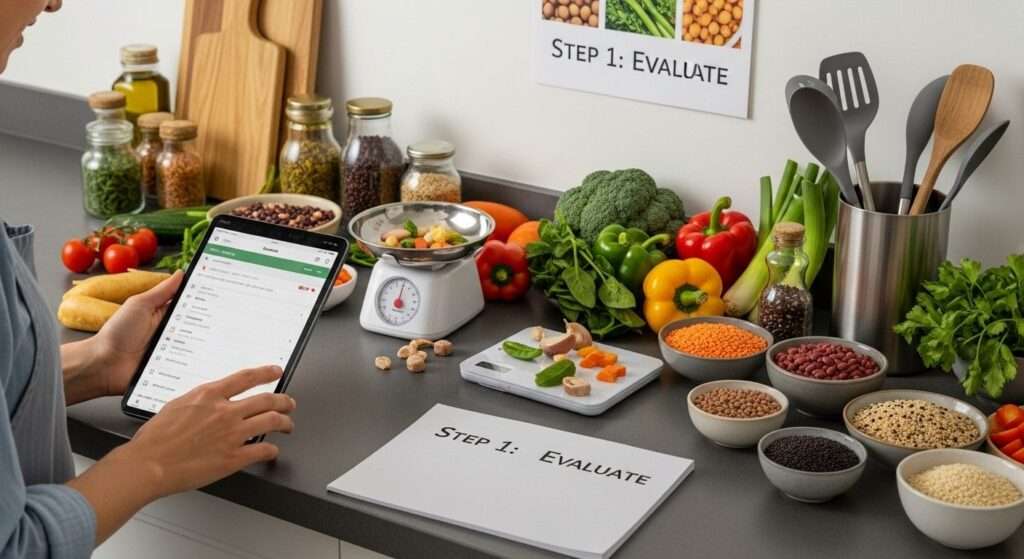
A vegetarian diet can support weight management, but simply removing meat from your meals does not guarantee weight loss.
Your overall food choices, portion sizes, cooking methods, physical activity, and other lifestyle factors all play a role.
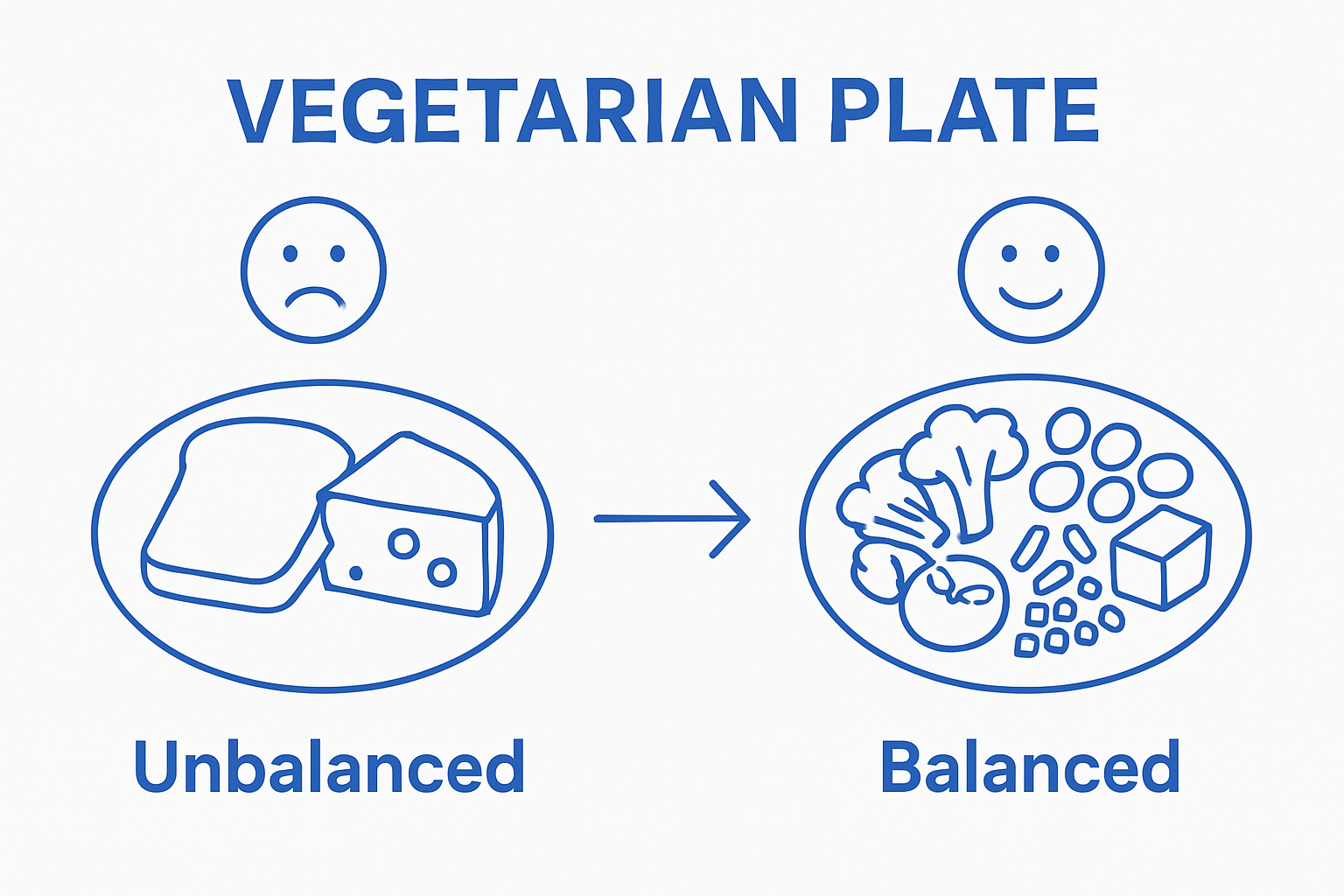
A balanced vegetarian diet can include vegetables, fruit, beans, lentils, whole grains, nuts, seeds, and protein-rich foods such as tofu, paneer, yogurt, and eggs if you eat them. Choosing a variety of nutritious foods can help you meet your nutritional needs while building satisfying meals.
You do not need to follow a strict or excessively restrictive diet to make progress. Instead, focus on practical changes to your everyday meals and habits that support your health and are realistic to maintain.
Article Index
- What Is Vegetarian Weight Loss?
- Can a Vegetarian Diet Help With Weight Loss?
- How to Build a Balanced Vegetarian Meal
- Vegetarian Foods to Include for Weight Management
- 10 Practical Vegetarian Weight Loss Tips
- A Sample Day of Balanced Vegetarian Meals
- Protein and Other Nutrients to Consider
- Common Vegetarian Weight Loss Mistakes
- Frequently Asked Questions
- The Bottom Line
- References
What Is Vegetarian Weight Loss?
Vegetarian weight loss means managing body weight while following an eating pattern that excludes meat, poultry, and seafood. Depending on personal preferences, a vegetarian diet may include dairy products, eggs, or both. A vegan diet excludes all animal-derived foods.
People choose vegetarian diets for a variety of reasons, including cultural, ethical, environmental, and health considerations. Whatever the reason, a well-planned vegetarian eating pattern can be adapted to support weight management.
A vegetarian diet may support weight loss when it emphasizes nutritious, fiber-rich foods and helps a person maintain an appropriate overall energy intake. However, vegetarian foods can also be energy-dense, particularly when they contain substantial amounts of oil, butter, cheese, or added sugar. Food choices and portions therefore matter.
A vegetarian diet may help with weight loss since it is often high in dietary fiber, low in fat, and associated with lower calorie intake. However, vegetarian food can also be calorie-dense and therefore lead to weight gain if consumed in large quantities and in energy-dense forms.
Therefore, a vegetarian diet should be properly planned and meet the requirements of food quality, quantity, and personal preferences.
Can a Vegetarian Diet Help With Weight Loss?
A well-planned vegetarian diet can support weight management. Research suggests that vegetarian eating patterns can offer health benefits, but the results depend on the overall quality of the diet and other individual factors.
Nevertheless, simply switching to vegetarianism will not necessarily lead to weight loss. The amount and the quality of the food that a person eats still matter.
For instance, a mixture of lentils, vegetables, and the right amount of whole grains for dinner is nutritionally different from a plate of fried foods, white flour products, and calorie-dense sauces.
Moreover, a vegetarian diet does not mean avoiding all carbohydrate-rich foods like rice, potatoes, bread, and others. These foods are not inherently unhealthy. A proper balance between different food groups and control of a serving size are more important in terms of losing weight.
For broader guidance, see our article on evidence-based weight-loss principles.
How to Build a Balanced Vegetarian Meal
A balanced meal does not require a complex recipe. With a few basic ingredients you can make a balanced meal by varying the quantities according to your hunger, activity level, preferences and health needs.
- Include a source of protein like legumes (lentils, chickpeas, beans, peas), tofu, tempeh, paneer, eggs, dairy (yogurt or milk) depending on your dietary preferences.
- Add vegetables and fruit. Include a variety of vegetables with main meals and enjoy whole fruit regularly. Fresh, frozen, and suitable canned options can all be convenient choices.
- Choose a carbohydrate source. For example, rice, whole wheat roti, oats, potatoes, whole grain bread, and other grains to provide energy. These can be included even when trying to lose weight.
- Add healthy fats like nuts, seeds and oils in your meals. These foods provide useful nutrients, but portions matter because they are energy-dense.
- Pay attention to the method of cooking and the amount of oil used. Steaming, boiling, grilling or baking with some healthy fats are good ways to prepare food. However, fried foods and rich gravies can be consumed occasionally as they tend to increase calories if had regularly.
For example, a balanced meal can consist of dal + veggies + rice/roti or a salad made with chickpeas + veggies + whole grain bread and yogurt. There is no need to have a perfect meal every day, just aim to have a balanced diet overall in the long run.
Vegetarian Foods to Include for Weight Management
Variety helps you obtain a wider range of nutrients and makes meals more enjoyable. Consider including foods from the following groups.
| Food group | Examples and benefits |
|---|---|
| Legumes | Lentils, chickpeas, beans, and peas provide protein and fiber. |
| Soy foods | Tofu and tempeh provide protein; some fortified soy beverages supply additional nutrients. |
| Vegetables | Leafy greens, carrots, cauliflower, and tomatoes provide fiber, vitamins, and minerals. |
| Whole fruit | Apples, oranges, guava, and berries provide fiber and other nutrients. |
| Whole grains and starchy foods | Oats, whole-wheat roti, rice, and potatoes supply energy and can contribute fiber. |
| Dairy foods, if included | Milk, plain yogurt, and paneer provide varying amounts of protein and calcium. |
| Nuts and seeds | Peanuts, almonds, chia seeds, and flaxseeds provide unsaturated fats and other nutrients. |
No single food guarantees weight loss. What matters is how these foods fit into your overall eating pattern and the portions that work for you.
10 Practical Vegetarian Weight Loss Tips:
Review Your Current Eating Habits
Before making any changes, take a look at what you normally consume as food and drinks. Over the next few days, try keeping a log of everything you eat and drink including approximate portions and situations that influence your food choices.
You may realize that you skip breakfast and end up being famished by the afternoon or that you frequently drink sweetened sodas or only reach out for greasy junk food when you are too busy to prepare a healthy snack.
These insights can then be used to devise one or two simple changes simple changes to your current eating patterns. Keeping track of your food intake should be an educational experience and not a stressful activity that would make you obsessed with calories and the like.
Include Protein-Rich Foods in Your Meals
Protein supports normal body functions and helps maintain body tissues, including muscle. Including protein-rich foods in meals can also help some people feel satisfied after eating.
Vegetarian protein sources include dal, beans, chickpeas, tofu, tempeh, paneer, eggs, milk, and yogurt, depending on your dietary preferences.
You can add chickpeas to a salad, serve dal with a meal, or include tofu or paneer alongside vegetables. Protein powders are not necessary for everyone; whether they are useful depends on your individual needs and eating pattern.
Protein needs vary depending on age, body size, level of activity, overall health, and other factors. Individuals with kidney disease or other conditions may need to follow a special diet and should consult a healthcare provider.
Choose Fiber-Rich Foods Regularly
Vegetables, whole fruits, legumes, and whole grains are examples of foods that provide fiber in the diet. Dietary fiber is important for healthy digestion, and fiber-rich foods may also help you feel fuller after eating.
For instance, you might choose to eat more fiber by swapping out some refined grains for oats or whole grains in your breakfast, adding beans to your soup, or adding more vegetables to your lunch and dinner plates.
If your current fiber intake is low, increase it gradually and drink enough fluids for your needs. This can help your digestive system adjust and may reduce discomfort such as gas or bloating.
Pay Attention to Portions Without Following Extreme Rules
Even nutritious foods contribute energy. Nuts, seeds, oils, paneer, cheese, and rich sauces can fit into a balanced diet, but large portions may make weight management more difficult because these foods can be energy-dense.
Serve food on a plate rather than eating directly from a large package. Eat slowly and stop if you feel you have had enough.
Do not panic about measuring everything and counting every calorie. If tracking portions is helpful to you, you can use it without feeling that you must measure everything.
Make Vegetables a Regular Part of Main Meals
Vegetables are nutritious and add variety and fiber; they are a good way to make a meal more filling without adding highly energy-dense ingredients.
You can add vegetables to dal, prepare a mixed-vegetable sabzi, serve a salad with lunch, or include mushrooms, peppers, or spinach in an omelet or tofu dish.
Fresh and frozen vegetables are both useful options. Choose vegetables that you enjoy and can reasonably afford.
Plan Meals Before You Become Very Hungry
Planning out a few meals ahead of time makes things much easier when you’re short on time.
You can cook a pot of dal, prepare chickpeas, or wash vegetables, or have some plain yogurt and fruits ready to make some healthy, balanced meals instead of just eating the same thing over and over again.
Planning doesn’t mean you have to plan out your whole week’s meals. Deciding what to have for lunch the next day can help you not have to think about it as much.
For more ideas, see our guide to weekly meal planning for weight loss.
Be Mindful of Cooking Methods and Added Ingredients
Vegetarian dishes can vary considerably in their energy content depending on how they are prepared.
For example, a bean curry prepared with a moderate amount of oil may contain less energy than one made with substantially more oil. Similarly, dressings, cheese, and fried toppings can increase the energy content of a salad.
You do not need to eliminate these ingredients completely. Instead, consider how often you use them and whether the portions fit your needs. Make gradual changes that you find practical and enjoyable.
Choose Snacks That Fit Your Needs
Snacks are optional for a reason. Some people find that they are helpful in between meals, but others feel just fine eating a regular diet.
If you get hungry between meals, you could eat some fruit, plain yogurt, roasted chickpeas, or a small portion of nuts. You could also mix different things together, such as fruit and plain yogurt, to make it more filling.
Check ingredient lists and nutrition labels when helpful, paying attention to factors such as added sugar, sodium, and saturated fat.
Make Physical Activity Part of Your Routine
Physical activity plays an important role in total health and weight management. Choose activities that suit your current fitness level, lifestyle, abilities, and preferences.
Walking, bicycling, swimming, dancing and participating in other sports are types of physical activity that a person can consider. If you are new to exercise, start with manageable activities and increase gradually.
For general health, public-health guidelines recommend that adults work toward at least 150 minutes of moderate-intensity aerobic activity each week, along with muscle-strengthening activities on at least two days per week. If you are new to exercise, build up gradually at a pace that suits your abilities and circumstances.
Physical activity does not need to feel like a chore; choose activities you enjoy. If a person has any health concerns, significantly limited ability to exercise or worries about getting started, it may be a good idea to speak with a healthcare professional.
Focus on Consistency Rather Than Perfection
A sustainable eating pattern should include flexibility with your preferences, social life, and routines.
If you have one meal that is out of your control, go back to your daily pattern at your next one, instead of punishing yourself by skipping meals or overexercising.
Focus on longer-term patterns rather than judging yourself by a single day. You may choose to review your eating habits, physical activity, energy levels, and other changes that matter to you. Weight can be one measure of progress if weighing yourself feels appropriate and comfortable.
If you aren’t seeing any results, examine your habits and consider talking to a medical professional.

A Sample Day of Balanced Vegetarian Meals
The following is an example, not a prescribed diet or a personalized calorie plan. Adjust ingredients and portions to suit your appetite, cultural preferences, activity level, and nutritional needs.
| Meal | Example | Practical note |
|---|---|---|
| Breakfast | Oats with milk or fortified soy beverage, fruit, and a few nuts | Provides a mix of carbohydrates, protein, and fats. |
| Lunch | Dal, vegetables, and rice or whole-wheat roti | Combines legumes, vegetables, and a carbohydrate source. |
| Optional snack | Fruit with plain yogurt or roasted chickpeas | Useful if you are hungry between meals. |
| Dinner | Tofu or paneer with mixed vegetables and rice or roti | Provides protein alongside vegetables and carbohydrates. |
It is possible to choose a different set of meals in accordance with personal preferences. For instance, chickpea curry, bean salad, vegetable khichdi with an appropriate proteinaceous ingredient, or an egg-based dish could also be considered, depending on the food that is consumed.
When a vegan diet is followed, it is essential to consider using alternative plant-based products and pay special attention to the content of vitamin B12 and calcium.
Protein and Other Nutrients to Consider
A well-planned vegetarian diet can provide the nutrients you need. But there are some nutrients that become more important to think about if you cut out any of the food groups.
Protein
Make sure to eat plenty of legumes/lentils, beans, chickpeas, soy products, nuts, seeds, and dairy or eggs if you eat them. Most people can get all the protein they need from food, but individual requirements vary.
Vitamin B12
Vitamin B12 deserves particular attention if you follow a vegan diet because unfortified plant foods are not reliable sources of this vitamin. Vegans should obtain B12 from reliable fortified foods or a suitable supplement. Vegetarians who consume dairy products or eggs may also need to review their intake, depending on how much they eat.
Iron
Lentils, beans, chickpeas, tofu, seeds, and fortified cereals are all good sources of iron. It’s also a good idea to pair high iron plant foods with a source of vitamin C like citrus fruits, tomatoes, or bell peppers, to help your body absorb non-heme iron.
Calcium
Dairy products can provide calcium if you include them in your diet. Other options include calcium-fortified plant beverages and suitable calcium-set tofu. Check product labels because calcium content varies. If you avoid dairy, plan your diet to include reliable alternative sources.
Vitamin D and other Nutrients
Vitamin D needs depend on several factors, including diet, age, health, and sun exposure. Following a vegetarian diet does not automatically mean you need a supplement. If you are concerned about your intake or have specific risk factors, ask a qualified healthcare professional for advice.
If you’re pregnant, an older adult, or managing a health condition, or are considering doing a very strict vegetarian diet, it’s always a good idea to talk to a doctor or a nutritionist about how to make sure you’re getting all the nutrition you need.
Common Vegetarian Weight Loss Mistakes
Several common misconceptions can make vegetarian weight management more difficult than necessary.
Thinking that all vegetarian dishes are low in calories. Tossing in fried items, adding loads of sugar, using rich sauces and having a large portion of calorie-dense food can also add up to unhealthy weight gain even though they are vegetarian.
Avoiding all carbohydrates. Rice, roti, oats, potatoes, and other carbohydrate-containing foods can fit into a balanced diet. Rather than eliminating carbohydrates, consider your overall eating pattern, portion sizes, and the foods you combine with them.
Extreme dieting. Restrictive diets can make you feel weak and leave you craving unhealthy food. Go slow and pick a diet that allows you a variety of foods without making you feel like you’re always missing out on something.
Eating the same meals every day. If you’re eating the same exact meals and snacks each day, then your body might not be getting all the nutrients that it needs to function properly.
Going off a diet because your weight hasn’t changed. Your weight on a scale can vary based on how much water you’re retaining or losing and not necessarily reflect any changes in body fat.
Treating exercise as compensation for eating. Working out is good for you, but don’t think of it as punishment for eating that slice of chocolate cake or as a way to justify eating the whole cake.
Frequently Asked Questions:
Can a vegetarian diet help me lose weight?
A carefully planned vegetarian diet can support weight management, but merely cutting out meat and not monitoring the entire diet will not be sufficient. The food consumed, portion size, activity levels and more are important factors that contribute to weight loss.
What are the best sources of protein in a vegetarian diet?
Good vegetarian protein sources include lentils, chickpeas, kidney beans, peas, tofu, tempeh, nuts, and seeds. Milk, paneer, yogurt, and eggs can also provide protein if you include them in your diet. Eating a variety of these foods can help you meet your protein needs as part of a balanced eating pattern.
Should I avoid eating rice or roti to reduce weight?
Not necessarily. Rice and roti are staples of the Indian diet and can easily be incorporated into a healthy vegetarian diet to reduce weight, so long as the portions are kept in check and paired with protein-rich foods and fiber-rich foods.
Are vegetarian packaged foods healthy?
Some packaged vegetarian foods are nutritious and convenient, while others contain substantial amounts of sodium, added sugar, or saturated fat. Check the nutrition label when useful and consider how the product fits into your overall eating pattern. Being vegetarian does not automatically make a packaged food healthy.
Do vegetarians require supplements?
Supplement needs depend on the foods you eat and your individual circumstances. People following a vegan diet need a reliable source of vitamin B12, usually through fortified foods or a suitable supplement. If you are unsure whether your diet meets your nutritional needs, consult a qualified healthcare professional or registered dietitian.
What should I do if I am not seeing desired results?
Evaluate your diet, portion sizes, drinks, activity levels and more after a few weeks. Do not make extreme dietary changes and if you are still not seeing desired results or feel that your diet is unhealthy in some way or you cannot keep up with it due to severe restrictions, consult with a healthcare professional or dietician.
The Bottom Line
Vegetarian weight loss is not simply about removing meat and expecting your weight to change. It involves building a balanced eating pattern that meets your nutritional needs, provides satisfying meals, and fits your lifestyle.
Start with practical changes, such as including protein-rich foods in your meals, eating vegetables and fruit regularly, choosing suitable portions, and planning convenient meals. Regular physical activity and a flexible approach can also support long-term health.
Focus on habits you can maintain rather than aiming for perfection. If you have a medical condition, specific nutritional concerns, or difficulty managing your weight, seek individualized advice from a qualified healthcare professional.
References
- National Institute of Diabetes and Digestive and Kidney Diseases (NIDDK): Some Myths About Nutrition and Physical Activity
- NIDDK: Eating and Physical Activity to Lose or Maintain Weight
- NHS: The Vegetarian Diet
- Academy of Nutrition and Dietetics: Vegetarian Dietary Patterns for Adults — Position Paper
For more guidance on our editorial standards, see Why Trust LeanAndFit.info? and our Medical Disclaimer.