
When people talk about metabolism boosters they tend to mean foods, exercises, drinks, supplements or lifestyle changes associated with an increased number of calories burned.
This is partially correct, but the term is often used in marketing to suggest something entirely different.
Metabolism is the collection of chemical processes your body uses constantly to maintain life, produce energy, and carry out normal functions.
It is impossible to simply “turn up” your metabolism at will – it changes depending on how much energy your body needs at the given time to perform its daily functions, such as keeping organs working properly, digestion and processing food, physical activity, and others.
Hormones play an important role in the process, as do elements like protein intake, resistance training, caloric intake and overall physical activity level, sleep cycle regularity and more.
In isolation, many of these contribute to a person’s overall energy expenditure and impact their ability to maintain weight and build muscle tissue – but rarely by as much as some “fat-burning” or “metabolism-boosting” products advertise.
The more useful question is therefore not:
“How can I dramatically speed up my metabolism?”
It is:
“What can I realistically do to support a healthy metabolism and make long-term weight management easier?”
This guide looks at the evidence behind common metabolism-boosting strategies and separates practical habits from exaggerated claims.
Table of Contents:
- What Does “Boosting Your Metabolism” Mean?
- Can You Really Boost Your Metabolism?
- Eat Enough Protein
- Strength Train to Support Muscle
- Move More Throughout the Day
- Get Enough Sleep
- Choose Nutrient-Dense Foods
- Stay Hydrated
- Can Caffeine Boost Metabolism?
- Do Spicy Foods Boost Metabolism?
- What About Metabolism-Boosting Supplements?
- What Factors Affect Your Metabolism?
- What Doesn’t Really Boost Your Metabolism?
- A Simple Daily Routine for Supporting Metabolic Health
- Frequently Asked Questions
- Bottom Line
What Does “Boosting Your Metabolism” Actually Mean?
Metabolism refers to the overall process of converting and utilizing energy.
A typical person’s energy expenditure can be generally divided into three components, including energy spent on bodily functions at rest, energy used to digest and process food, and the amount of energy burned during physical activity.
Therefore, it is not surprising that two people of the same age and weight may have different energy expenditures.
Such a discrepancy occurs due to people’s body composition, level of physical activity, genetic differences, and other factors.
Furthermore, a person’s metabolic rate is not set in stone or determined solely by age, sex, and body mass. It can change depending on whether a person gains or loses weight and body fat. For example, a decreased body mass generally leads to a lower metabolic rate because there is less energy needed to sustain the body.
Physical activity and muscle mass can play a role in energy expenditure too. In that regard, people seeking to increase their metabolism should understand that they might be referring to different aspects of their metabolism.
They may actually be referring to different goals, such as increasing daily energy expenditure, maintaining or building muscle, reducing body fat, becoming more physically active, or making long-term weight management easier.
Understanding this distinction is important because no single food, exercise, beverage, or activity will have a profound effect on every aspect of metabolism at the same time.
Can You Really Boost Your Metabolism?
Yes, but the word boost needs perspective.
Certain foods and physical activities cause energy expenditure to go up for a short amount of time. For example, protein has a higher thermic effect of food and will expend more energy compared to dietary fat and generally carbohydrates. Physical activity can also increase expenditure and weight resistance training can help maintain and build muscle.
But they won’t entirely transform your metabolism.
A sustainable approach will focus on many aspects of a healthy lifestyle working together instead of one magic metabolism booster.
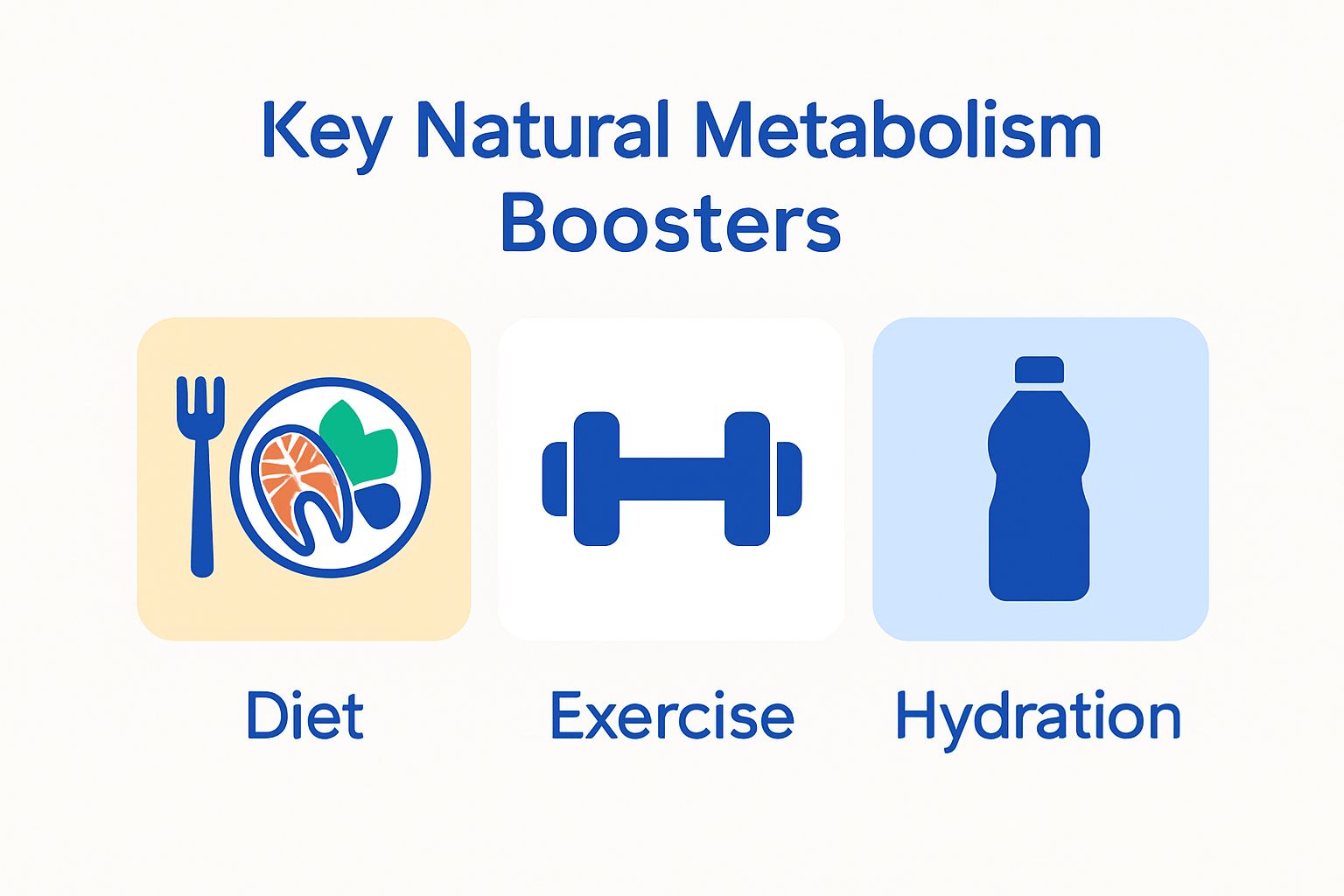
The most useful strategies are:
- Eat adequate protein.
- Perform resistance training.
- Stay physically active throughout the day.
- Get adequate sleep.
- Build a nutrient-dense eating pattern.
- Stay adequately hydrated.
- Use caffeine thoughtfully if you tolerate it.
- Be cautious with products marketed as metabolism or fat-burning supplements.
-
Eat Enough Protein
Protein is one of the more useful nutrients to consider when discussing metabolism and weight management.
The first reason is the thermic effect of food (TEF) which refers to the number of calories your body burns while breaking down the ingested nutrients.
Proteins tend to have a higher TEF percentage compared to other macronutrients such as carbohydrates and lipids.
This does not mean that protein intake leads to a considerably higher metabolic rate, but it does contribute to the overall energy expenditure.
The second reason why proteins are essential for a weight loss diet is that they allow the maintenance of muscle mass.
A proper diet that includes sufficient protein intake combined with the appropriate amount of resistance training will ensure a higher rate of lean body mass gain while you lose weight.
Good protein sources are:
- eggs
- Greek yogurt
- fish and seafood
- lean poultry
- cottage cheese
- beans and lentils
- tofu and tempeh
- lean meats
- milk and other dairy foods
- nuts and seeds
Instead of seeking out a specific “metabolism-boosting” food, try to make sure that you’re getting a good amount of protein in your diet.
For more information, see our guide to protein intake and weight management.
-
Strength Train to Support Muscle Mass
If you’re looking for a lasting solution for improving your metabolism, resistance training has a much bigger role to play than most ‘metabolism-boosting’ foods.
Muscle tissue contributes to resting energy expenditure, although the increase in resting calorie needs from adding muscle is often overstated online.
However, resistance training can help you maintain or even gain muscle tissue (with the right amount of protein).
This is important if you are trying to lose body fat since losing substantial amounts of lean mass during weight loss can affect body composition and energy requirements.
A practical resistance-training program might include exercises such as:
- squats
- lunges
- rows
- presses
- hip-hinge movements
- resistance-band exercises
- bodyweight exercises
The goal does not have to be bodybuilding.
Working out consistently and making sure to target the big muscles is an important step towards healthy weight-management.
For an in depth look at the relationship between resistance training and the body’s metabolic rate, be sure to see our article on how resistance training improves metabolic rate.
-
Move More Throughout the Day
Exercise is important, but your metabolism isn’t controlled solely by the big workouts you get in at the gym. Everyday activities play a part in that too.
For example:
- Walking
- Standing
- Doing household chores
- Climbing stairs
- Shopping or running errands
- Gardening
- Moving around at work
This is sometimes called your non-exercise activity thermogenesis, or NEAT. The upshot is that you don’t need to be doing a full workout to get active.
If you’re the type to sit most of the day, try substituting in some walking for sitting. Or after sitting for a while, get up and do something mildly athletic.
Here are a few examples:
- Take a walk after dinner.
- Use the stairs if you can.
- Walk and talk on the phone.
- Don’t sit for long stretches at a time.
- Walk somewhere if you can.
These small changes may not create a dramatic metabolic “boost,” but they can contribute to a more active lifestyle and greater overall energy expenditure.
-
Get Enough Consistent Sleep
Sleep is often forgotten when it comes to metabolism-boosting activities.
While sleeping enough does not directly impact the rate at which you burn calories, it is deeply linked with urges and cravings for food, total caloric intake, energy expenditure, and general wellbeing.
Lack of shut-eye can make it abnormally hard for some people to stick to a healthy diet and/or exercise routine, negatively affecting their capacity to manage weight. Rather think of it as a cornerstone necessary for the success of any other weight loss activity.
Useful habits include:
- keeping a relatively consistent sleep schedule
- allowing enough time for sleep
- limiting unnecessary late-night screen exposure
- creating a comfortable sleeping environment
- keeping caffeine earlier in the day if it interferes with sleep
If your sleep is consistently poor despite making changes, discussing the problem with a healthcare professional may be appropriate.
-
Build Meals Around Nutrient-Dense Foods
There are no foods that permanently boost metabolism.
A more effective approach to a healthy diet is to focus on including a variety of nutrient-rich foods and adequate calories in the daily diet.
An example of a balanced meal includes:
- a protein source
- plus vegetables or fruit
- plus a high-fiber carbohydrate such as brown rice or whole-wheat pasta
- and a small amount of fat such as olive oil
Another balanced meal may include: grilled chicken plus vegetables plus brown rice plus olive oil.
Or it may include lentils plus vegetables plus whole grains plus yogurt. Or fish plus roasted vegetables plus potatoes plus avocado.
Any of these meals can contribute to a healthy diet. Focus on eating a variety of healthy foods rather than seeking out specific foods that claim to help increase metabolism.
-
Stay Hydrated Without Expecting a Miracle
Water is vital for normal physiological function; adequate hydration is important for normal physical performance and general health.
But drinking too much water shouldn’t be presented as some kind of powerful metabolism-boosting cure.
You don’t need to drink huge amounts of water to “burn fat,” but instead should focus on staying normally hydrated, depending on factors such as:
- thirst
- climate
- physical activity
- body size
- diet
- medical considerations
Water can also be helpful when it comes to replacing calorie-containing drinks like sugar-sweetened beverages.
That can help reduce overall calorie intake without requiring you to take advantage of some supposed special metabolic effect of water itself.
-
Can Caffeine Boost Metabolism?
Caffeine has the ability to temporarily increase energy expenditure and stimulate the nervous system. That is why caffeine is often added to various “fat burning” or “metabolism-boosting” products.
But it is usually not enough of a stimulus to do something really meaningful on a regular basis.
Plus, the effects of caffeine are quickly neutralized by continued exposure to it. Coffee and tea can certainly be part of a healthy diet for most people, but they shouldn’t be regarded as a replacement for physical activity, proper sleep, or healthy eating.
And it’s important to keep in mind how caffeine affects different people.
Too much of it can lead to:
- insomnia
- nervousness
- restlessness
- rapid heartbeat
- stomach upset
So if you’re having trouble sleeping because of caffeine, it’s definitely not going to be helping you when it comes to your «overall health and weight management.
For a deeper discussion, see our article on how caffeine stimulates metabolism.
-
Do Spicy Foods Boost Metabolism?
Spicy foods that contain capsaicin affect thermogenesis and energy expenditure in minor ways.
This, however, does not make them a significant fat-burning tool.
Indeed, adding chili peppers to your favorite dishes will make them scrumptious, but you cannot rely on spices to mitigate an unhealthy lifestyle of overeating and lack of exercise.
Instead, think about them as a flavor addition to your healthy nutrition and an alternative to salt.
-
What About Metabolism-Boosting Supplements?
This is where extra caution is required.
Products that claim to be:
- metabolism booster
- fat burners
- thermogenic
- calorie burning
- natural metabolism increaser
may contain combination of stimulants, herbs, caffeine or other ingredients.
Just because it says natural does not mean it is effective or safe. Some supplements may also interact with medications and cause unwanted side effects.
Before taking a supplement to boost your metabolism and speed up weight loss consider the following:
- What active ingredients are in the product?
- Is there good human evidence that the product works?
- How much do you plan on taking?
- Can the product interfere with other medications?
- Does the product have more than one stimulant?
- Does the manufacturer make outrageous claims or promises?
Avoid products that claim they can “melt away fat” or “supercharge” your metabolism or help you shed pounds fast without making lifestyle changes.
For more information, see our guide to common weight-loss supplements.
-
What Factors Affect Your Metabolic Rate?
Your metabolism is influenced by a great deal more than just the food you eat.
Body size and composition
Larger bodies generally require more calories to maintain basic functions such as breathing and heartbeats.
The amount of lean mass is also important in terms of the resting expenditure.
Age
Age can influence energy requirements and body composition, but it is only one factor among many that affect metabolic rate.
Physical activity
A regular physical activity and exercising can play a very significant role in terms of calorie expenditure.
Genetics
The genetic makeup plays a part in determining people’s metabolism.
Hormonal and medical factors
A number of medical conditions and hormonal imbalances can disrupt the normal functioning of the metabolism.
For instance, some hormonal imbalances such as the thyroid hormone irregularities can be the cause of weight gain or weight loss.
This is just another reason why you should not blame your slow metabolism for your unexplained weight gain and seek advice from a professional medical practitioner if such a condition persists over time.
You can also learn more about basal metabolic rate and weight loss and the role of inherited metabolism in obesity.
What Doesn’t Really “Boost” Your Metabolism?
The Internet is full of myths and misconceptions about metabolism. Here are some pieces of advice that seem too good to be true.
Eating Every 2 or 3 Hours
Having small meals is most beneficial for people who favor this way of eating due to their hunger patterns or lifestyle. The frequency of eating is less important than the caloric intake and the alignment of nutrition with individual needs. One should not aim to keep the metabolism spinning by eating as frequently as every two hours.
Drinking Ice-Cold Water
The thermogenesis that happens when a person warms up cold water to body temperature is minimal and should not be a reason to drink water in this form more often than usual.
Detox Teas
While detox teas are not fat burners, adding them to one’s current regimen is not likely to lead to significant weight loss results in the short term.
Some products may contain laxatives or stimulants in their ingredients.
Cutting Calories to a Drastic Minimum
In the short term, cutting calories to a minimum will lead to weight loss as the body will start using its fat reserves. However, such a diet is unhealthy and unsustainable in the long run and may lead to losing muscle mass and a lighter overall weight due to the body reducing its calorie needs.
Sweating a Lot
Sweating itself is a mechanism of heat dissipation that helps to maintain a constant body temperature. It does not indicate fat loss.
Fat-Burning Pills
A label on a bottle is not an indicator of a product’s benefit for a person’s body. In fact, the more exaggerated the claims, the more one should research what exactly is in the product and how it may affect the body.
A Practical Daily Routine for Supporting Metabolic Health
A real protocol would not require a complicated “metabolism-boosting protocol.”
Here’s a simple plan:
Morning
Eat a balanced breakfast (if hungry) that includes a source of protein, plus other healthy foods.
Drink plenty of fluids and get some exercise.
During the day
Make sure to eat plenty of protein, along with vegetables, fruit, whole grains, legumes, and healthy fats.
Get plenty of exercise (see below), and take regular breaks from sitting by getting up and walking around.
Exercise
Do resistance training on a regular basis. In addition, do aerobic exercise, again on a regular basis, but at a level that’s right for you.
Evening
Get plenty of sleep.
Don’t drink caffeinated beverages too late in the day, if at all.
Finally
Remember that you are going to stick with this, more or less, for the rest of your life. That is why a sustainable metabolism-boosting plan is so much better than any fad diet.

Frequently Asked Questions:
What is the fastest way to boost metabolism?
There is no single method that can dramatically and permanently increase metabolism. The most practical approach is to support healthy energy expenditure through regular physical activity, resistance training, adequate protein, sufficient sleep, and an eating pattern that supports an appropriate calorie intake.
Can protein increase metabolism?
Protein has a high thermic effect of food compared with fat and carbohydrate
Protein intake prevents muscle loss during exercise.
However, it is not associated with a massive increase in metabolic rate.
Does strength training boost metabolism?
Strength training boosts energy expenditure during exercise. It also helps maintain muscle mass with age.
Since muscle is metabolically active, strength training can to some extent help with weight loss during a caloric deficit.
Does drinking water boost metabolism?
Water is essential for normal physiological function, but drinking more water than your body needs is not a powerful metabolism-boosting strategy. Staying adequately hydrated is the more appropriate goal.
Does caffeine boost metabolism?
Caffeine can temporarily increase energy expenditure and thermogenesis, but the effect is generally modest and should not be considered a major or lasting increase in metabolic rate.
Regular caffeine use may also reduce some of the effect over time as tolerance develops.
Do spicy foods boost metabolism?
Capsaicin and other active components in chili peppers can modestly increase thermogenesis.
However, the overall effect of capsaicin on weight loss is likely to be too small to be meaningful. No evidence suggests that spicy foods are an effective weight-loss intervention.
Can you permanently speed up a slow metabolism?
There is no simple way to increase the metabolic rate profoundly and permanently. Nevertheless, building muscle, exercising regularly, eating enough food, sleeping well, and treating underlying diseases may improve metabolic health.
Spontaneous changes in body weight are common, and extreme weight loss or gain may indicate an underlying disease. If you are concerned about your weight or health, consult a physician instead of attempting to increase your metabolic rate.
Bottom Line
There are no magic bullets for boosting your metabolism. The most useful ways to support a healthy metabolism are much less exciting: eat enough protein, perform resistance training, stay physically active, get adequate sleep, and follow a balanced eating pattern.
Don’t waste your money or time on foods, drinks, or supplements that promise to “turbocharge” your metabolism or melt away body fat. Some products may have small effects on energy expenditure, but they should not be viewed as substitutes for healthy, sustainable habits.
Caffeine may temporarily increase energy expenditure, while spicy foods containing capsaicin may have small effects on thermogenesis. However, neither should be treated as a primary strategy for weight loss or metabolic health.
Most importantly, be skeptical of advertising that claims a particular product, supplement, or procedure can dramatically increase your metabolism so that you can eat whatever you want without gaining weight.
Your metabolism is a complex system that responds to many factors. Instead of looking for a magic bullet, focus on the habits that support healthy body composition, regular physical activity, balanced nutrition, and sustainable weight management over time.
References:
- National Academies — Factors Affecting Energy Expenditure and Requirements
- NIDDK — Eating & Physical Activity to Lose or Maintain Weight
- NIDDK — Factors Affecting Weight & Health
- Physical Activity Guidelines for Americans — ODPHP
- NIH Office of Dietary Supplements — Dietary Supplements for Weight Loss
- NIDDK — Treatment for Overweight & Obesity
- Why Trust Us?
- For Educational Purposes Only