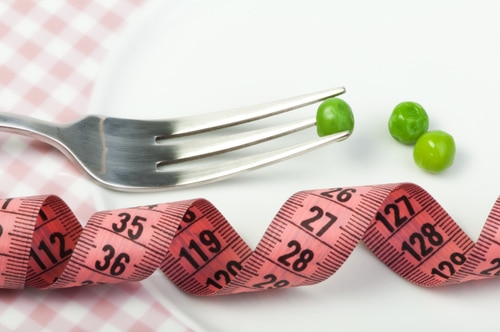

Weight loss supplements are aggressively advertised as a means of burning fat, suppressing appetite, or boosting metabolism.
These supplements come in a variety of forms, including capsules, powders, tablets, drinks, and combinations of different ingredients. Marketed products claim to produce rapid or effortless weight loss.
The truth is not as simple as the marketers would like it to be.
While some ingredients have been shown to have small effects on body weight or appetite in human studies, others have little or no effect. Moreover, supplements can cause harmful side effects, interact with medications, and provide inaccurate information about their ingredients.
This article aims to provide a comprehensive review of the most popular weight loss supplements, describe the existing evidence for ingredients that have been studied in humans, and identify the most critical factors to consider when purchasing these products.
Article Index
- What Are Weight Loss Supplements?
- Do Weight Loss Supplements Actually Work?
- Common Weight Loss Supplement Ingredients
- Caffeine and Weight Loss
- Green Tea and Green Tea Extract
- Glucomannan and Appetite Control
- Chromium and Weight Management
- Protein Supplements and Weight Loss
- What About Fat Burners and Metabolism Boosters?
- How Effective Are Weight Loss Supplements?
- Weight Loss Supplement Safety and Side Effects
- Can Weight Loss Supplements Interact With Medications?
- Are Natural Weight Loss Supplements Safer?
- How to Evaluate a Weight Loss Supplement
- Weight Loss Claims to Be Skeptical About
- Frequently Asked Questions
- The Bottom Line
- References
What Are Weight Loss Supplements?
Weight loss pills are dietary supplements intended to help with weight loss.
They may contain ingredients that have been shown to:
- reduce hunger,
- increase calorie burning,
- alter lipid metabolism,
- reduce nutrient absorption,
- produce satiety,
- preserve lean body mass.
The ingredients may include vitamins, minerals, herbs, botanicals, amino acids, fiber, stimulants, or a combination of these. The scientific evidence for each ingredient varies considerably.
Therefore, the assumption that all weight-loss supplements are interchangeable is incorrect.
A supplement containing a researched ingredient is not necessarily effective as a finished product. The evidence depends on the specific ingredients, doses, formulation, and the product itself.
The dosage, formulation, quality of the product, and individual factors also contribute to the effectiveness.
Weight loss supplement vs. weight loss medication
It is also important to differentiate between dietary supplements and prescription drugs for obesity treatment.
Prescription medications for obesity undergo a different regulatory and clinical evaluation process. A dietary supplement should therefore not be assumed to have the same level of evidence for weight loss as an approved obesity medication.
Do Weight Loss Supplements Actually Work?
The short answer is that many ingredients have been found to have only minor effects, and weight loss supplements as a whole should not be relied upon as a serious means of weight loss.
The NIH Office of Dietary Supplements points out that there is a lack of scientific evidence to back up many ingredients used in weight loss supplements. Some ingredients may produce small changes in body weight, while others have little to no measurable effect.
The NCCIH also warns that many popular rapid weight loss supplements haven’t been proven to be safe or effective. It also points out that some supplements with labels claiming that they can burn fat or suppress your appetite haven’t been proven to be safe.
This is an important distinction as a substance can have a real effect on your body without having any significant effect on your weight.
Say, for example, that a certain substance is proven to cause an increase in energy expenditure in controlled experiments. This doesn’t mean that a supplement containing it will cause you to lose large amounts of weight.
The question should therefore not simply be, “Does this supplement affect metabolism?”
A better question is:
“Does taking this ingredient actually produce meaningful weight loss in humans, and is the potential benefit large enough to justify the risks?”
Supplements should not replace an overall evidence-based weight loss approach that includes appropriate nutrition, physical activity, and sustainable behavior changes.
Common Weight Loss Supplement Ingredients
There are many ingredients that go into weight-loss products. Here are some of them, along with research that has been done or a description of products that are commonly found in weight-loss supplements.
Evidence should be evaluated separately for each ingredient that was used, rather than accepting the idea that all weight-loss supplements are effective.
Caffeine and Weight Loss
Caffeine is a stimulating agent that occurs naturally in coffee beans, tea leaves, guarana, yerba mate, and other plants. It can also be found in many weight-loss products and “fat burning” or “thermogenic” dietary supplements.
Caffeine can cause a person to feel more alert. It can temporarily increase energy expenditure and fat oxidation. Some studies suggest that caffeine-containing weight-loss supplements may help a person lose a small amount of weight or prevent weight gain. However, regular caffeine intake can cause a person to become tolerant to its effects on body weight.
So this does not necessarily mean that taking twice as much weight-loss supplement every day will reduce a person’s body weight by twice as much.
Increased doses of caffeine can also cause nervousness, shakiness, difficulty sleeping, nausea, heart palpitations, and other side effects. Taking it with other stimulant ingredients can amplify its effects.
Therefore, a product that claims to be a very strong “fat burner” because it contains several stimulating agents is particularly deserving of caution.
For a more detailed explanation of caffeine’s effects on energy expenditure and metabolism, see our guide to how caffeine stimulates metabolism.
Green Tea and Green Tea Extract
Green tea contains compounds such as catechins and caffeine that have been investigated for possible effects on energy expenditure and body weight.
Preliminary research indicates that green tea or green tea extract may have minimal beneficial impact on body weight in certain populations and under certain conditions, but it is not associated with significant weight loss benefits. The NCCIH points out that there is insufficient evidence to suggest that green tea supplements have significant weight loss properties.
There is also an important difference between consuming green tea as a drink and taking concentrated green tea extract.
Drinking green tea as a beverage is generally considered safe, but concentrated extracts can have adverse effects such as gastrointestinal tract issues, elevated blood pressure, and, in rare cases, liver toxicity.
Green tea extracts can also interact with various medications.
Therefore, “green tea” and “green tea extract supplement” should not be considered interchangeable terms.
Glucomannan and Appetite Control
Glucomannan is a soluble fiber derived from the root of the konjac plant.
It has been marketed as an effective weight loss aid, due to its ability to absorb water and increase in volume.
However, its actual effect on weight loss appears to be much smaller than some advertisements suggest, and it can cause gastrointestinal side effects.
The NIH Office of Dietary Supplements finds that glucomannan has minimal, if any, effect on overall weight loss, though it may have some beneficial effects on cholesterol and blood sugar levels.
It may also lead to bloating, gas, diarrhea, constipation, and abdominal discomfort.
Swallowed tablets may even cause intestinal blockage.
I say this because while increased fullness might help some people eat less, it does not lead to significant weight loss on its own.
Overall, glucomannan appears to have little or no meaningful effect on weight loss, despite its ability to increase fullness.
Chromium and Weight Management
Chromium is a metal nutrient involved in normal glucose metabolism that is sometimes found in weight-loss products.
It has been promoted as an appetite suppressant, a builder of muscle mass, and a catalyst for fat loss.
The evidence is much less impressive.
The NIH Office of Dietary Supplements maintains that chromium may play a role in decreasing total body weight and body fat by a very small amount, but it is not an important weight-loss intervention.
Chromium supplements can cause side effects, particularly at higher doses, and the potential benefits for weight loss appear to be very small.
The practical lesson is simple: an ingredient may have a biological effect without having an appreciable effect on body weight when taken as a supplement.
Protein Supplements and Weight Loss
Protein powders and protein drinks are sometimes part of discussion around weight-loss supplements, but differ from many fat burners.
Protein itself is an essential nutrient, and during weight loss it is important to ensure sufficient protein intake alongside an appropriate diet and exercise to prevent muscle loss.
A protein supplement can therefore be beneficial to someone if it helps them get the amount of protein they need.
But protein powder itself is not a fat-burning supplement.
Its effectiveness depends on the person’s total diet, calorie needs, protein needs, food choices, and exercise.
The addition of a high-calorie protein shake to an otherwise adequate and balanced diet will not cause weight loss on its own.
For practical guidance on food-based protein choices, see our guide to best protein sources for healthy weight loss.
What About Fat Burners and Metabolism Boosters?
“Fat burner” and “metabolism booster” are terms that frequently appear in marketing, but they have little basis in scientifically proven facts about fat loss.
They usually contain combinations of ingredients such as caffeine and botanical extracts, but the combined effects and appropriate doses are often not well studied.
In addition, the presence of several ingredients at once makes it difficult to establish:
- which of them has a specific effect,
- which one interferes with it,
- how much of a particular substance is in the product,
- whether the dose that has been taken is safe,
- what the cumulative effect of all these substances will be on the body.
NCCIH warns that many such products may not have been properly tested for safety. The article also notes that some weight loss products have been found to contain undeclared pharmaceutical ingredients.
For a broader discussion of metabolism and weight management, see our guide to healthy metabolism boosters.
How Effective Are Weight Loss Supplements?
One of the biggest problems with the marketing of weight-loss supplements is that a small biological effect can be blown up to enormous claims about weight loss.
A more useful way to think about the evidence is to try to assess the size of the effect.
Some evidence of a modest effect
There is evidence from some ingredients (e.g., caffeine, green tea extracts, chromium, or certain forms of carnitine) that there may be small effects under certain conditions. But that doesn’t mean that every product that contains them will produce that effect.
Limited or inconsistent evidence
There is limited or inconsistent evidence about the effect of some ingredients.
Little or no evidence
There’s little or no evidence about the effects of many popular supplements, beyond marketing claims, testimonials, theoretical claims, and/or weak human studies.
The size of the effect often matters
Even if a study finds a statistically significant difference, that doesn’t mean the difference is large — or that it would matter to someone trying to lose more than a few kilograms. This is why focusing only on the word “clinically proven” is not sufficient.
You also want to know: How large was the difference in weight loss between the treatment and control groups?
Weight Loss Supplement Safety and Side Effects
The safety of the supplement is equally important to its efficacy.
The following adverse effects are possible:
- increased risk of stimulant overdose
- increased blood pressure or heart rate
- anxiety or restlessness
- insomnia
- nausea
- allergic reaction
- drug interaction
- liver damage from specific products
- contamination or adulteration
- overdose
The safety profile of the substance depends on the ingredients and products. NCCIH notes that there are differences between dietary supplements and those used in clinical studies, and that some weight loss dietary supplements have been discovered to contain hidden pharmaceutical ingredients.
Be especially cautious with multi-ingredient products
A product containing several stimulants or botanical extracts can make it difficult to determine the total exposure and potential interactions.
More ingredients do not automatically mean greater effectiveness.
Can Weight Loss Supplements Interact With Medications?
Yes.
Certain supplements can have an interaction with a prescribed or over the counter drug and the risk varies depending on the ingredients. For example, according to NCCIH, green tea extracts can interact with some medications, including ones for blood pressure and cholesterol.
Other supplements can also have an effect on blood sugar, blood pressure, blood clotting, and enzymes that are involved in breaking down drugs.
Therefore, it is essential that anyone taking a prescribed drug consults with their pharmacist or healthcare provider about taking any weight loss supplement. This advice applies to people taking multiple medications or people with chronic diseases.
Are Natural Weight Loss Supplements Safer?
Not necessarily.
The term ‘natural’ refers to the source or marketing of an ingredient, and does not imply that a product is safe or effective, or free of drug interactions.
Plant-derived compounds can have pharmacological effects, and concentrated botanical extracts can have different effects than the foods or beverages from which they are derived.
For example, concentrated green tea extract has safety considerations distinct from simply drinking green tea.
The NCCIH advises consumers to remember that “natural” does not necessarily mean safe.
How to Evaluate a Weight Loss Supplement
Before trying over-the-counter weight loss supplements, ask yourself these questions:
-
What’s in them?
Don’t be fooled by catchy names. Read the fine print.
-
Is there human evidence?
Look for clinical trials or systematic reviews, rather than testimonials.
-
Was the actual product tested?
Evidence on an ingredient isn’t necessarily evidence on the finished product.
-
How big was the effect?
Statistically significant doesn’t mean “wonder drug.”
-
What’s the dose?
The amount of an ingredient can make all the difference.
-
What are the side effects?
Pay attention to downsides, too.
-
Can it interfere with medication?
Particularly important if you’re on a prescription drug or have any medical conditions.
-
Does it contain multiple stimulants?
It’s easy to get too much when combining ingredients.
-
Does it promise unrealistic results?
If it claims to “melt away” fat, help you “shed pounds without dieting” or “supercharge your metabolism”, it’s probably best to avoid it.
-
Was the evidence independently verified?
Consider whether the findings have been independently replicated and whether they are supported by systematic reviews or other high-quality evidence.
Weight Loss Claims to Be Skeptical About
Be careful with a claim that this product can:
- melt away belly fat
- melt away fat while you sleep
- boost your metabolic rate dramatically
- help you lose lots of weight with no changes in diet
- cause rapid weight loss without dieting
- block most of the fat or carbohydrates you eat
- lead to easy weight loss
- detoxify the body and eliminate fat
- cause a certain amount of weight loss
- work for everyone
Testimonials can be misleading.
Just because a person lost weight after taking a product does not mean that the product caused the loss.
The NCCIH recommends being wary of testimonials, as well as any claims that sound too good to be true.

Frequently Asked Questions:
-
Do weight loss supplements actually work?
Some ingredients may produce relatively modest effects on body weight, but the evidence varies greatly, and many weight-loss supplements have little evidence of meaningful effectiveness, and some may carry safety risks.
-
What are the most common weight loss supplement ingredients?
Common ingredients include caffeine, green tea extract, glucomannan, chromium, carnitine, green coffee bean extract, and various botanical extracts. Their effectiveness and safety vary greatly.
-
What supplement helps with appetite control?
Some ingredients are marketed for appetite control, including glucomannan and certain stimulant-containing products. However, an appetite-related effect does not necessarily produce meaningful long-term weight loss. Glucomannan, for example, has little to no overall effect on weight loss according to the NIH Office of Dietary Supplements.
-
Does caffeine help with weight loss?
Caffeine can temporarily increase energy expenditure and fat breakdown, and caffeine-containing weight-loss supplements may produce a small effect on weight. Tolerance can develop with regular use, and excessive intake can cause adverse effects.
-
Does green tea extract help with weight loss?
Green tea products may have a small effect on body weight, but the evidence does not support treating green tea extract as a powerful weight-loss treatment. Concentrated extracts also have safety considerations that do not apply in the same way to ordinary green tea consumption.
-
Does glucomannan help with weight loss?
Glucomannan may increase fullness because it is a soluble fiber that absorbs water, but evidence suggests that it has little to no overall effect on weight loss. It can also cause digestive problems and requires appropriate fluid intake.
-
Are fat burner supplements safe?
Not necessarily. Many products marketed as fat burners have not been adequately tested for safety. Some contain substantial amounts of caffeine or other stimulants, while contaminated or adulterated weight-loss products have also been identified.
-
Are natural weight loss supplements safer?
No. Natural ingredients can still cause side effects, interact with medications, or be harmful at certain doses. Concentrated botanical extracts may also have risks that are not obvious from their natural origin.
-
Can weight loss supplements interact with medications?
Yes. Some supplements can affect how medications work or increase the risk of side effects. Green tea extracts, for example, can interact with certain medications. Anyone taking medication should check with a healthcare professional before starting a supplement.
-
What should I look for before taking a weight loss supplement?
Look at the active ingredients, evidence from human studies, studied doses, potential side effects, medication interactions, and the size of the demonstrated benefit. Be particularly cautious about products making unusually rapid or guaranteed weight-loss claims.
The Bottom Line
Common weight loss supplements are not all the same, and the evidence varies substantially from one ingredient to another.
Some ingredients may produce small effects on body weight or appetite, but these effects should not be confused with the substantial weight loss promised by some supplement marketing.
Caffeine, green tea preparations, chromium, glucomannan and other ingredients have all been studied, but their effects vary and none should be taken for granted as a reliable standalone solution for obesity or long-term weight management.
Safety is also important. Supplements can cause side effects, interact with medications, and in some cases, contain undeclared or contaminated ingredients.
If you are considering a weight-loss supplement, focus less on the marketing promise and more on the quality of human evidence, size of the benefit, dose, safety profile and potential interactions.
If someone chooses to use a weight-loss supplement, it should be viewed as an optional adjunct—not a substitute for sustainable nutrition, physical activity, behavioral changes, or appropriate medical treatment.
References:
- National Institutes of Health, Office of Dietary Supplements. Dietary Supplements for Weight Loss. NIH ODS
- National Institutes of Health, Office of Dietary Supplements. Dietary Supplements for Weight Loss: Health Professional Fact Sheet. NIH ODS
- National Center for Complementary and Integrative Health. Weight Control. NCCIH
- National Center for Complementary and Integrative Health. 6 Things To Know About Dietary Supplements Marketed for Weight Loss. NCCIH
- National Center for Complementary and Integrative Health. Dietary Supplements Marketed for Weight Loss, Bodybuilding, and Sexual Enhancement: What the Science Says. NCCIH
- National Center for Complementary and Integrative Health. Herb-Drug Interactions: What the Science Says — Green Tea. NCCIH
- National Center for Complementary and Integrative Health. Green Tea: Usefulness and Safety. NCCIH
- National Institutes of Health, Office of Dietary Supplements. Dietary Supplements: Background Information. NIH ODS