
Looking for the best protein foods for weight loss? Choosing the right protein foods can make a weight-loss diet more satisfying while helping you maintain lean muscle by providing the amino acids your body needs.
Protein, however, isn’t a fat-burning shortcut.
Healthy weight loss depends on overall calorie balance, diet quality, physical activity, and your ability to maintain your eating pattern over time. Protein is one important part of that bigger picture.
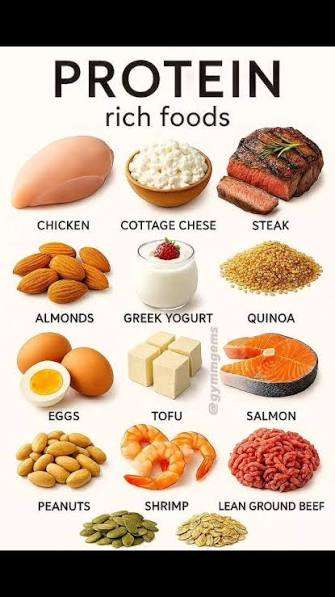
The good news is that you have plenty of options. Chicken breast, Greek yogurt, eggs, fish and seafood, lentils and beans, tofu and tempeh, cottage cheese, and nuts and seeds can all fit into a healthy weight-loss diet.
The goal isn’t to find one “perfect” protein food. Instead, choose protein sources that provide useful amounts of protein while fitting your calorie needs, dietary preferences, budget, and overall eating pattern.
Learn more on this topic by reading our guide on evidence-based weight loss.
Quick Answer: What Are the Best Protein Foods For Weight Loss?
For most people, the most useful protein foods for weight loss are those that offer significant amounts of protein that can be consumed without adding too many calories and that can be eaten regularly.
Lean poultry, fish, Greek yogurt, eggs, legumes, tofu, tempeh, and low-fat dairy are all excellent sources of protein, which are filling but not heavy.
Nuts and seeds are also healthy but should be eaten sparingly since they are high in calories.
Some of the most practical high-protein foods for weight loss include:
- Skinless chicken breast
- Greek yogurt
- Eggs
- Lentils and other legumes
- Fish and seafood
- Tofu and tempeh
- Cottage cheese
- Nuts and seeds
There is no single best protein food for weight loss.
What works is based on your individual caloric needs, preferences, appetite, budget, cooking methods, and whether you eat animal products.
A mixture of animal and plant-based proteins may offer greater nutritional diversity than relying on one food group.
Table of Contents
- Why Protein Matters During Weight Loss
- Does Protein Actually Help You Lose Weight?
- What Makes a Protein Food Good for Weight Loss?
- 8 Best Protein Sources for Healthy Weight Loss
- Other High-Protein Foods for Weight Loss
- Best High-Protein Foods for Vegetarians
- Best Protein Sources for a Vegan Weight-Loss Diet
- Best High-Protein Foods for Breakfast
- Best High-Protein Snacks for Weight Loss
- How Much Protein Do You Need for Weight Loss?
- How to Build a Weight-Loss Meal Around Protein
- High-Protein Foods That May Not Be Ideal for Weight Loss
- Common Protein Mistakes During Weight Loss
- Protein Foods vs. Protein Supplements
- How to Choose the Best Protein Food for Your Goal
- Frequently Asked Questions
- A Simple High-Protein Weight-Loss Strategy
- Bottom Line
Why Protein Matters During Weight Loss
When you’re dieting to lose weight, your goal isn’t typically to shrink the number on your scale.
You want to shed those pounds of excess body fat while keeping your tissues — that is, your muscles — lean and mean.
Protein can help.
It can provide your body with the amino acids that it needs to maintain and repair tissue, and it can also be quite filling – compared to many lower-protein foods.
A number of scientific studies looking at higher-protein diets have found that increasing protein intake is associated with increased satiety and minor but measurable improvements in weight control, if you eat what you eat in a healthy way, but results vary from person to person.
That said, adding protein to your meal plan doesn’t guarantee fat loss, per se.
If you add lots of protein to your daily caloric intake without factoring in a change in overall calories, you could actually end up with more calories than you need.
A much better idea is to use protein strategically.
That means including foods high in protein in your meal plan.
Eating them in combination with other nutrient-dense foods like vegetables, fruits, whole grains, or legumes.
Using protein to replace some higher-calorie, lower-protein foods when appropriate.
And eating healthy portions of them that fit in with your overall calorie needs.
The Centers for Disease Control and Prevention categorizes seafood, meat, poultry, eggs, legumes, soy products, nuts, and seeds as healthful protein foods that should be part of your daily diet, along with an eye toward general healthy eating and your overall caloric needs.
To know more on how calories govern your body fat, read our detailed guide on calorie deficit for maintaining a healthy body.
Does Protein Actually Help You Lose Weight?
Protein can play a role in weight loss, but it’s not as simple as it’s often made out to be.
It can be helpful for satiety, has a higher thermic effect and can help preserve lean tissues but it can also lead to complacency if you’re not careful.
- Helps with satiety
Studies have shown that increased protein intake can lead to increased satiety and decreased hunger in many cases.
This is useful, since it makes it easier to stick to a calorie deficit.
It doesn’t, however, make you insatiably full, and hunger levels vary drastically from person to person.
- Higher thermic effect
The thermic effect of food is the amount of calories burned off through digestion and processing.
Protein has a higher thermic effect than carbs or fat, which means your body has to expend more energy breaking it down.
While recent studies have demonstrated an increased thermic effect (and therefore calories burned) with higher-protein meals and diets, it’s important to remember that this isn’t an enormous amount.
The thermic effect is real, but it is not large enough to make protein a substitute for managing overall calorie intake.
- Preservation of lean tissues
During weight loss, some lean mass can be lost along with body fat. Adequate protein, particularly when combined with resistance training, can help reduce the loss of muscle mass.
Higher protein intake, together with resistance training, can help preserve lean mass during weight loss.
This is why protein is so important if you’re trying to lose weight while retaining shape and muscle mass – because your body will break down muscle to compensate for the calories you’re lacking, unless you give it another source of amino acids.
If you want to lose weight while maintaining your muscle mass, read our detailed guide on building muscle for fat loss (https://leanandfit.info/understanding-building-muscle-for-fat-loss/).
- Adds substance to meals
It is not uncommon to feel unsatisfied or deprived after finishing a meal, despite having enough calories to last you until your next meal.
That’s why it’s a good idea to make protein an important part of your diet.
Not only will it help you feel more satisfied, but it can be combined with fruits and veggies to make balanced, healthy meals that are both nutritious and filling.
What the Evidence Says?
Higher-protein diets can improve satiety and prevent muscle loss during a calorie deficit, but protein intake itself will not cause you to lose fat. You must still be in a calorie deficit for an extended period of time in order to lose weight.
| Claim | What the evidence supports |
|---|---|
| Protein increases fullness | Higher-protein meals can increase satiety and may help some people control calorie intake. |
| Protein has a higher thermic effect | Protein requires more energy to digest and process than carbohydrate or fat, but the additional calorie expenditure is modest. |
| Protein helps preserve muscle during weight loss | Adequate protein, particularly when combined with resistance training, can help reduce loss of lean mass during calorie restriction. |
| Protein directly burns body fat | Not supported. Protein does not independently cause body-fat loss. A sustained calorie deficit is still necessary for fat loss. |
| More protein is always better | Not supported. Protein needs vary by body size, age, activity, health status, and dietary goals. |
| High-protein foods are automatically good for weight loss | Not necessarily. Some protein foods are calorie-dense, and preparation methods can substantially increase calories. |
What Makes a Protein Food Good for Weight Loss?
There is no established list of weight-loss proteins.
Focus on these traits instead:
Protein density
How much protein does the food provide for a given number of calories?
A food that provides substantial protein for relatively few calories can make it easier to meet protein needs while controlling total energy intake.
Nutrient density
Protein foods can also provide:
- vitamins
- minerals
- essential fatty acids
- calcium
- iron
- fiber
- other beneficial nutrients
Satiety
Some protein-rich foods may help you stay satisfied between meals.
Portion size
A food can be nutritious and still contribute substantial calories when eaten in large portions.
This is particularly important with nuts, seeds, cheese, fatty fish, and some higher-fat meats.
Preparation method
The food itself is only part of the equation.
Deep-frying chicken, covering vegetables with high-calorie sauces, or turning a healthy protein food into a dessert with large amounts of added sugar can substantially change the calorie content of the meal.
8 Best Protein Sources for Healthy Weight Loss
Skinless Chicken Breast
The skinless chicken breast is one of the most common types of poultry that is suitable for a higher-protein diet.
It contains a significant amount of protein without too much fat.
This makes it an ideal choice for those who want to get a lot of protein without spending too many calories on fat.
Why chicken can work well for weight loss?
- High in protein
- Low in fat (when skinless)
- Easy to portion
- Widely available
- Can be prepared in advance
- Versatile in recipes, including salads, wraps, bowls, soups, and stir-fries
Best ways to prepare chicken
Try:
- grilling
- baking
- roasting
- poaching
- air-frying with minimal added oil
Avoid using calorie-dense sauces and instead use herbs and spices, garlic, lemon, chili, ginger, or other seasonings.
Weight-loss tip:
Chicken that is heavily breaded or fried or served with high-calorie sauces can be significantly harder to incorporate into a calorie-restricted diet.
Greek Yogurt
Plain Greek yogurt is a convenient protein-rich dairy food that can be especially good at breakfast or as a snack.
Greek yogurt has more protein than regular yogurt, but the amount can vary greatly.
For weight loss, plain Greek yogurt is typically a good choice, since it doesn’t have added sugar.
Why Greek yogurt can be good for weight loss?
- Protein-rich
- Convenient
- Has calcium
- Can be used at breakfast or as a snack
- Can replace high-calorie sauces or desserts
- Can be combined with fruit, oats, nuts, and seeds
How to use Greek yogurt for weight loss?
Try combining plain Greek yogurt with:
- berries
- sliced fruit
- oats
- chia seeds
- cinnamon
- a small amount of nuts
You could also use it as a base for savory dips or sauces.
What to be careful of?
Not all high-protein yogurts are created equal.
Look at the label for:
- protein
- calories
- added sugars
- saturated fat
- serving size
A flavored yogurt can have significantly more added sugar and calories than plain yogurt.
Eggs
Eggs are an affordable and versatile source of high-quality protein.
A large egg contains nearly 6 grams of protein, though the amount varies with the size of the egg.
Eggs also contain a number of vitamins and minerals, primarily in the egg yolk.
Why eggs can be good for weight loss?
- Protein-rich
- Easy to prepare
- Low-cost
- Convenient breakfast option
- Can be incorporated into a healthful eating pattern that includes vegetables
Versatile ways to use eggs include:
- hard-boiled eggs
- poached eggs
- scrambled eggs with vegetables
- vegetable omelets
- eggs with whole-grain toast and fresh fruit
The biggest difference in calories usually comes from the preparation method.
Eggs are relatively low in calories, but adding large amounts of butter, oil, cheese, processed meats, or heavy sauces can add significantly more calories.
Eggs and Satiety
Eating a protein-rich breakfast may increase satiety in some people.
However, the most important consideration is that the food you eat for breakfast fits your overall dietary pattern and nutrient needs.
Lentils and Beans
If you’re looking for plant-based protein, you should definitely consider adding lentils and beans to your shopping list.
These foods contain a good mix of protein, fiber, and complex carbohydrates which make them especially good for creating hearty and filling meals.
Some legumes to choose from are:
- lentils,
- chickpeas,
- black beans,
- kidney beans,
- pinto beans,
- black-eyed peas, and
Why lentils and beans are a great choice?
- Protein that comes from plants
- High in fiber
- Filling
- Versatile
- Reasonably priced
- Great for vegetarian and vegan diets
- Can substitute for higher calorie foods of animal origin
Ways to use legumes
Add to:
- soups,
- curries,
- salads,
- grain bowls,
- wraps,
- chili,
- and vegetable dishes
To reduce sodium, rinse and drain canned beans before using.
A useful distinction
Legumes are not necessarily the highest-protein foods on a gram-for-gram basis.
They are, however, rich in nutrients and fiber, and they contain complex carbohydrates.
That being said, they are still an excellent source of food for the person on a healthy weight-loss diet despite lower protein content per gram when compared to chicken or fish.
Protein becomes particularly important when you’re trying to preserve lean mass while reducing body fat. For a broader look at the relationship between resistance training, muscle and fat loss, see our guide to building muscle for fat loss.
Fish and Seafood
Fish and seafood can supply high-quality protein and add variety to a weight-loss diet.
Choices include:
- salmon
- tuna
- cod
- sardines
- trout
- shrimp
- tilapia
- other seafood
Fatty fish such as salmon also supplies omega-3 fatty acids.
Why fish can be good?
- High-quality protein
- Many varieties are relatively low in fat
- Fatty fish supply omega-3 fats
- Versatile
- Can substitute for some higher-saturated-fat meat choices
Lean versus fatty fish
Not all fish have the same number of calories.
For example, salmon has more fat and calories than very lean white fish.
That does not make it a bad choice, however.
It just means that portion size and overall calorie intake are important considerations.
Best ways to prepare fish
Try:
- baking
- grilling
- broiling
- steaming
- poaching
Avoid assuming that deep-fried fish is automatically a weight-loss food just because the fish itself is nutritious.
Tofu and Tempeh
Tofu and tempeh are valuable sources of soy-based protein for vegetarians and vegans. In addition, they can be helpful to people who just want to reduce their meat consumption.
Tofu
Tofu is available in several consistencies, including:
- silken
- soft
- firm
- extra firm
The amount of protein and calories will vary depending on the product and preparation method.
The firm and extra-firm varieties of tofu are particularly useful for creating high-protein meals.
Tempeh
Tempeh is a type of fermented soy product that has a more compact structure and a unique flavor.
It is generally higher in calories than many other lean proteins, so it is important to watch a portion size if the goal is to maintain a calorie deficit.
Why soy foods can work well?
- A plant-based source of protein
- Versatile
- A good option for vegetarian and vegan diets
- Can replace meat in many recipes
- Provides an alternative to legumes and dairy products
Simple ways to use tofu and tempeh
Use in:
- stir-fries
- salads
- grain bowls
- wraps
- curries
- vegetable dishes
Choose low-fat preparation methods and avoid adding excessive amounts of oil.
Cottege Cheese
Cottage cheese can be a good choice for a protein-rich dairy food, especially as a snack or for breakfast.
The food’s nutrition differs greatly between full-fat, reduced-fat, and nonfat options.
Why cottage cheese can work well?
- Protein-rich
- Convenient
- Provides calcium
- Easy to combine with sweet or savory foods
- Useful as a snack
Try pairing cottage cheese with:
- berries
- peaches
- tomatoes
- cucumber
- herbs
- whole-grain toast
Choose according to your calorie needs
Full-fat cottage cheese is not inherently unhealthy.
However, if your goal is to reduce calorie intake, a lower-fat version may allow you to obtain similar protein with fewer calories.
Check the nutrition label rather than assuming that every variety has the same nutritional profile.
Nuts and Seeds
Nuts and seeds are useful sources of protein, unsaturated fats, fiber, vitamins, and minerals, but they are much more calorie-dense than many lean protein foods.
They do contain protein, but they are also relatively energy-dense due to large amount of fats, which contribute significantly to the caloric content per serving.
Some examples are:
- Almonds
- Pistachios
- Walnuts
- Peanuts
- Pumpkin seeds
- Chia seeds
- Flaxseeds
- Hemp seeds
Why nuts and seeds can still fit a weight-loss diet?
They offer:
- Protein
- Unsaturated fats
- Fiber
- Vitamins and minerals
- They also provide a source of flavor and texture.
The important caveat is the portion size. Since they are calorie-dense, just grabbing a big handful from a bag can easily lead to consuming much more calories than one actually needs.
Instead, it is better to measure out a small serving.
Something like a little handful of these would be appropriate, and could be added to:
- Greek yogurt
- Oatmeal
- Salads
- Fruit
- Smoothies
Nuts and seeds are nutrient-dense foods, but they should not be considered low-calorie protein sources.
Other High-Protein Foods for Weight Loss
The eight foods mentioned above are far from being the sole options.
Some other protein-rich foods that may be beneficial include:
Lean turkey
Turkey breast may offer a high-protein, relatively low-fat option comparable to that of chicken breast.
Shrimp
Shrimp is a good source of protein that is low in fat; however, be mindful that calories may add up quickly if shrimp is not prepared healthily or if high-calorie sauces are added.
Tuna
Tuna is a healthy, easy-to-prepare protein source. When eating canned tuna, be mindful of sodium, and try to eat different kinds of seafood.
Edamame
Edamame contains plant-based protein, fiber, along with other nutrients, and can be consumed as a snack, a side dish, or even added to your salad or bowl.
Skyr
Skyr is an Icelandic-style yogurt that is high in protein.
Seitan
Seitan is a wheat-based protein food that can be used either as a meat substitute in vegetarian and vegan diets or as a significant addition to your daily meals.
Those with gluten intolerance or sensitivity should be cautious about consuming seitan.
Low-fat Paneer
Paneer is a type of Indian cheese that can be used as a vegetarian source of protein in your diet. Traditional paneer can be relatively high in calories and fat, so portion size is important when you’re trying to maintain a calorie deficit.
Best High-Protein Foods for Vegetarians
A vegetarian weight-loss diet does not involve protein powder or meat.
Some good sources of protein on a vegetarian diet are:
- Greek yogurt
- cottage cheese
- eggs
- low-fat paneer
- tofu
- tempeh
- edamame
- lentils
- chickpeas
- beans
- peas
- nuts
- seeds
- milk or fortified dairy alternatives
A vegetarian diet meal plan could include:
greek yogurt + fruit + chia seeds
or
lentils + vegetables + small amount whole grains
or
tofu + vegetables + brown rice
The focus is not on cutting out carbohydrates or fats, but on creating meals that provide enough protein, while still keeping the calories in line with your goals.
Best Protein Sources for a Vegan Weight-Loss Diet
For people adhering to a vegan diet, some protein-rich foods are:
- tofu
- tempeh
- edamame
- lentils
- beans
- chickpeas
- peas
- seitan
- soy milk
- nuts
- seeds
- some higher-protein whole grains
Because plant foods vary considerably in their protein content and amino-acid profiles, eating a variety of protein-rich plant foods throughout the day can make it easier to meet protein and essential amino-acid needs.
A vegan diet that is appropriate for weight loss can be nutritious, but it is important to plan meals carefully to ensure that they contain enough protein.
Best High-Protein Foods for Breakfast
A protein-rich breakfast may be useful if hunger or cravings tend to become a problem later in the morning or during the day.
Examples of a protein-rich breakfast are:
Eggs + vegetables
A good recipe includes vegetables and whole grain toast with eggs.
Greek yogurt + fruit
Greek yogurt is high in protein. Plain Greek yogurt with berries, fruit, oats, and a sprinkle of seeds makes a healthy, protein-rich breakfast that contains carbohydrates, fiber, and other nutrients. It is one of the best healthy breakfast ideas to help you reach your fat loss goals.
Cottage cheese + fruit
This combination makes a simple protein-rich breakfast if you’re pressed for time.
Tofu scramble
Tofu makes a great egg substitute. Try scrambling tofu with vegetables.
Oatmeal with protein-rich additions
Oatmeal doesn’t have an exceptionally high amount of protein, but you can add Greek yogurt, milk, soy milk, and/or nut or seed toppings.
Best High-Protein Snacks for Weight Loss
A snack does not need to be protein-dense to be nutritious.
If you need to eat something in between meals, though, try a protein-containing snack.
Some examples are:
- plain Greek yogurt
- cottage cheese with fruit
- boiled eggs
- edamame
- roasted chickpeas
- a small serving of nuts
- fruit with Greek yogurt
- vegetables with a yogurt-based dip
The important question is not:
“Is this snack high in protein?”
It is:
“Does this snack help me meet my nutritional needs without making it harder to manage my total calorie intake?”
In order to much without feeling guilty, read our exclusive guide on healthy snack ideas.
How Much Protein Do You Need for Weight Loss?
There is not a single protein target that is right for every individual who wishes to lose weight.
Protein intake levels should be based on:
- body size
- age
- activity levels
- whether one is resistance training
- health status
- how many calories one is consuming
- your diet
- and
- weight-loss goals
The recommended dietary allowance for protein for an average adult is 0.8 grams for every 2.2 pounds of body weight, but individuals looking to maintain muscle mass while reducing calories who are also working out may find that they need more protein than the average adult.
Some studies mentioned in the text that looked at high-protein diets for weight loss actually used much higher amounts of protein than the recommended daily allowance suggests.
This does not mean that every person should be trying to get this much protein into their diet.
It may be a good idea to base how much protein one consumes on the amount of calories that one is eating, how active one is, what kind of diet one is on, and your personal health and medical history.
Before dramatically changing your diet to include much more protein, anyone with a preexisting medical condition that might interact with a higher-protein diet should speak with a medical professional about making the change.
How to Build a Weight-Loss Meal Around Protein
One of the easiest ways to utilize protein for weight loss is to base your meals around a protein-rich food, rather than adding protein as an afterthought.
An easy way to remember this is to think about a meal structure like this:
Protein + veggies or fruit + fiber-rich carbs + healthy fats in moderation.
For example:
Meal 1
Chicken grilled with mixed vegetables + brown rice + a drizzle of olive oil.
Meal 2
Lentils + veggie + whole grain roti + plain yogurt.
Meal 3
Salmon + roasted veggies + potatoes.
Meal 4
Tofu + mixed vegetables + rice in moderation.
Breakfast
Greek yogurt + fruit + oats + a sprinkle of seeds.
Now this is a lot easier to stick to than a strictly protein-based diet.
High-Protein Foods That May Not Be Ideal for Weight Loss
A food can be high in protein but also very calorie-dense.
Some examples are:
- fatty cuts of meat,
- fried chicken,
- processed meats,
- big portions of cheese,
- full-fat dairy products in big amounts,
- protein bars that contain a lot of calories,
- sugar-sweetened protein shakes,
- a lot of nuts,
- and high calorie restaurant dishes that promote high protein.
The phrase “high protein” does not automatically mean “low calorie.”
Always look at the entire nutrition profile. Go through our detailed article on healthy lunch ideas to get more information on this topic.
Common Protein Mistakes During Weight Loss
Mistake 1: Adding the protein on top
If you simply add protein, you’ll add calories.
Instead of replacing a low-nutrient, low-satisfaction food with something else, think about using a higher-protein food as your replacement.
Mistake 2: Thinking it burns fat
Protein has a high thermic effect and satiety potential, but protein itself will not burn body fat.
Fat loss remains a matter of overall energy balance.
Mistake 3: Not considering portions
Healthy food still has calories.
This is particularly important with:
- nuts
- seeds
- cheese
- fatty fish
- full-fat dairy
- protein bars
Mistake 4: Skipping fiber
A higher-protein diet does not require you to cut out fiber-rich foods.
Vegetables, fruit, legumes and whole grains can be valuable complements to a higher protein diet, adding nutrition and satisfaction.
Learn more about how fiber fits into weight loss in our guide to fiber for weight loss.
Mistake 5: Eating highly-processed protein foods
Protein bars, shakes, cereals and other processed products are easy options.
But they should not take the place of whole or minimally processed protein foods when those options are available and practical for you.
Mistake 6: Cutting out carbohydrates
Protein is good, but cutting out an entire category of food is not an optimal strategy for weight loss.
Whole grains, legumes, fruit and vegetables can all play a role in healthy eating for weight loss, along with lean protein and healthy fats. The CDC promotes overall healthy eating patterns, not elimination diets.
Mistake 7: Skipping resistance training
If you want to maintain muscle during a period of weight loss, nutrition is not the only consideration.
Resistance training provides an important stimulus for maintaining and increasing muscle mass while losing weight.
Protein Foods vs. Protein Supplements
Protein powders aren’t necessary for losing weight. Take a closer look at our healthy dinner recipes guide to learn more on this.
Most people can get all the protein they need from regular foods like:
- eggs
- yogurt
- dairy products
- poultry
- fish
- beans
- lentils
- tofu
- tempeh
- nuts
- and seeds
However, protein powders can be a convenient supplement if:
- you need extra protein that you can’t get from food
- you want something quick and easy to prepare after a workout
- you don’t have access to food
- you’re on a special diet that makes it hard to get enough protein
- you just like having them and they help you stick to your diet.
The important thing to remember is that a protein shake is still calories.
Adding them to your daily diet without making any other changes to your eating habits will actually prevent you from reaching your goal of losing weight. Think of protein powders as a convenience product- not an essential item for shedding pounds.
If you’re also using protein to support exercise and recovery, see our guide to choosing the best protein for muscle recovery.
How to Choose the Best Protein Food for Your Goal
Rather than asking:
“What is the single best protein source for weight loss?”
perhaps consider asking
“Which protein source meets my nutritional needs, caloric goals, preferences, and lifestyle requirements?”
Here is a brief guide to help you decide:
| Your goal | Protein foods to consider |
|---|---|
| High protein with relatively few calories | Chicken breast, lean fish, shrimp, Greek yogurt |
| Vegetarian | Eggs, Greek yogurt, cottage cheese, tofu, tempeh, lentils |
| Vegan | Tofu, tempeh, edamame, lentils, beans, seitan |
| Protein + fiber | Lentils, beans, chickpeas, edamame |
| Breakfast | Eggs, Greek yogurt, cottage cheese, tofu |
| Snacks | Greek yogurt, cottage cheese, eggs, edamame |
| Protein + healthy fats | Salmon, nuts, seeds |
| Budget-friendly | Eggs, lentils, beans, canned fish |
| Indian meals | Dal, chana, rajma, soy foods, eggs, paneer, fish, chicken |
Frequently Asked Questions
What are the best protein sources for weight loss?
There’s no one “best” protein for weight loss. Lean poultry, fish, greek yogurt, eggs, legumes, tofu, tempeh, cottage cheese, nuts, and seeds can all play a role in a healthy, balanced weight-loss diet. The best protein for you depends on grams per serving, calories, and your personal preferences
What are the best high protein foods for weight loss?
Chicken breast, fish, greek yogurt, eggs, cottage cheese, tofu, tempeh, lentils, beans, and edamame are all excellent high protein, low calorie foods that can help you feel full on fewer calories.
What is the best protein for fat loss?
No single protein food specifically causes fat loss. To reduce body fat, you generally need to maintain an appropriate calorie deficit over time. Protein can support this process by helping with satiety and helping preserve lean mass during weight loss.
Are eggs good for body-fat reduction?
Yes! As long as you’re not deep-frying them in butter or oil, or adding highly-processed meats or cheeses, eggs can be a convenient and highly nutritious addition to your weight loss plate.
Is Greek yogurt good for lean-mass preservation?
Plain greek yogurt can certainly aid in weight loss, since it provides you with protein and is fairly low in calories. Just be sure you’re staying within your daily calories and that you know how many grams of carbs you’re getting per serving.
Are lentils good for calorie control?
Lentils are a fantastic weight-loss friendly legume, as they’re protein and fiber-rich, and they’re vegan. They’re also super versatile and can be added to many dishes, from soups to curries to rice bowls.
Are nuts ideal for a healthy eating pattern?
They can be, as long as you’re not eating large servings.
While they are high in protein, fiber, and heart-healthy fats, they’re also calorie-dense. That can help you feel full longer, but it can also be easy to accidentally eat too many and go over your daily calorie budget.
Is plant protein as good as animal protein for body-fat reduction?
They can both work. It’s really up to your personal preferences and dietary restrictions. However, many plant proteins like lentils, beans, tofu, tempeh, and edamame, also contain fiber and other nutrients that animal products typically don’t have.
Can eating more protein help reduce belly fat?
Protein does not specifically target belly fat.
You cannot choose where your body loses fat through a particular food or exercise. However, an overall calorie-controlled diet that provides adequate protein can help reduce body fat while supporting the maintenance of lean muscle.
Can too much protein cause weight gain?
Yes, it can – but so can too much anything.
If you’re consuming more calories than you need and your body has to store them as fat, you will gain weight. This has nothing to do with whether the calories come from protein, carbs, or fat.
Do I need protein powder to shed extra body fat?
No. Unless you have a hectic schedule and find it hard to get enough protein through whole foods, you likely don’t need a protein powder supplement to lose weight. If you do get your protein through shakes, that’s a convenient way to do it. Just make sure you’re not eating or drinking more calories than you need.
Should I eat protein at every meal?
Including a protein-rich food at most meals can be a practical way to distribute protein throughout the day and may help with satiety. However, you do not necessarily need to consume a specific number of grams at every meal. Your total daily protein intake and individual needs are more important.
What protein foods are best for a low calorie diet?
Relatively lean choices such as skinless chicken breast, lean fish, shrimp, egg whites, and nonfat or low-fat Greek yogurt can provide substantial protein for relatively few calories. However, the final calorie content depends on the portion size and preparation method.
A Simple High-Protein Weight-Loss Strategy
You don’t need to undertake a complete overhaul of your diet.
Planning your meals in advance can also make it easier to consistently include protein-rich foods. See our guide to meal planning for healthy weight loss (https://leanandfit.info/category/obesity-treatment/meal-planning ).
There are 3 simple changes you can make right away.
Add a protein source to your plate
Here are a few examples:
- chicken,
- fish,
- eggs,
- Greek yogurt,
- cottage cheese,
- tofu,
- tempeh,
- lentils,
- beans,
- or another protein rich food.
Add vegetables or fruit
Protein is best consumed as part of a balanced diet, rather than as the centerpiece of every meal.
Pay close attention to calorie dense additions
Here are a few examples:
- oils,
- sauces,
- cheese,
- sugary drinks,
- desserts,
- large amounts of nuts,
- and highly processed snacks.
The Bottom Line
The best protein foods for healthy weight loss are not necessarily those that contain the most protein.
Rather, the most suitable protein foods are those that allow one to reach their protein requirements while fitting within their calorie needs and preferences as well as long-term dietary patterns.
Chicken breast, Greek yogurt, eggs, lentils and beans, fish and seafood, tofu and tempeh, cottage cheese, and nuts and seeds are all viable options for a healthy weight loss diet.
Protein, however, is not the sole component of a healthy diet.
For healthy weight loss, a balanced approach that includes adequate protein, calories, good nutrition, regular exercise, sufficient sleep, and a realistic approach are all essential.
Instead of focusing on a single food, it is better to think in terms of a diet that is centered on protein-rich foods that one prefers and will continue to eat regularly.
References
- Centers for Disease Control and Prevention (CDC). Tips for Healthy Eating for a Healthy Weight.
https://www.cdc.gov/healthy-weight-growth/healthy-eating/index.html - U.S. Department of Agriculture and U.S. Department of Health and Human Services. Dietary Guidelines for Americans, 2020–2025.
https://www.dietaryguidelines.gov/sites/default/files/2020-12/Dietary_Guidelines_for_Americans_2020-2025.pdf - de Carvalho KMB, Pizato N, Botelho PB, Dutra ES, Gonçalves VSS. Dietary protein and appetite sensations in individuals with overweight and obesity: a systematic review. European Journal of Nutrition. 2020;59:2317–2332.
https://pubmed.ncbi.nlm.nih.gov/32648023/ - Kohanmoo A, Faghih S, Akhlaghi M. Effect of short- and long-term protein consumption on appetite and appetite-regulating gastrointestinal hormones: a systematic review and meta-analysis of randomized controlled trials. Physiology & Behavior. 2020;226:113123.
https://pubmed.ncbi.nlm.nih.gov/32768415/ - Deutz NEP, et al. Protein intake and exercise for optimal muscle function with aging: recommendations from the ESPEN Expert Group. Clinical Nutrition. 2014;33(6):929–936.
https://pubmed.ncbi.nlm.nih.gov/25173615/ - Li Z, et al. Effects of varying protein amounts and types on diet-induced thermogenesis: a systematic review and meta-analysis. Nutrients. 2024.
https://pubmed.ncbi.nlm.nih.gov/39486625/ - Kirkpatrick CF, et al. Effects of higher protein diets on body weight and body composition in adults with overweight or obesity: a systematic review and meta-analysis.
https://pubmed.ncbi.nlm.nih.gov/39002131/ - U.S. Department of Agriculture. FoodData Central. Nutrient database for foods and ingredients.
https://fdc.nal.usda.gov/ - Why trust us?
- For educatonal purpose only