
Self care gets tossed around like it means spa days or scented candles, but for weight loss there is a lot more at stake.
Most people focus on strict diets or endless gym time, yet research shows that sustainable weight loss is linked to those who practice regular self care habits, including emotional and mental health support.
So while losing weight sounds like a numbers game, real success often starts inside your head before it ever shows up on the scale.
Table of Contents
- What Is Self Care And How Does It Relate To Weight Loss?
- Why Self Care Is Essential For Sustainable Weight Loss
- The Psychological Aspects Of Self Care In Weight Management
- How Lifestyle Choices Influence Weight Through Self Care
- Key Concepts Of Self Care Practices For Effective Weight Loss
Quick Summary
| Takeaway | Explanation |
|---|---|
| Self care fosters sustainable weight loss. | Embracing self care is key to achieving lasting results in weight management through holistic health practices. |
| Integrate physical, mental, and emotional strategies. | Effective weight loss blends exercise, coping mechanisms, and self-awareness to support overall well-being. |
| Focus on intrinsic motivation for health. | Developing a personal drive encourages individuals to pursue wellness for themselves rather than external pressures. |
| Maintain a compassionate mindset during weight loss. | Practicing self-compassion helps manage setbacks and fosters a positive relationship with one’s body during the journey. |
| Tailor lifestyle choices to individual needs. | Customized approaches to diet, exercise, and stress management allow for successful and sustainable weight management. |
What is Self Care and How Does It Relate to Weight Loss?
Self care represents a comprehensive approach to personal health management that extends far beyond occasional pampering or relaxation.
At its core, self care is a deliberate, proactive strategy of addressing one’s physical, mental, and emotional well-being through intentional behaviors and lifestyle choices.
Defining Self Care in Weight Management:
In the context of weight loss, self care transforms from a general wellness concept into a strategic framework for sustainable health transformation.
According to research from the Yale Journal of Biology and Medicine, self care involves implementing health-promoting behaviors that directly impact weight management.
These behaviors are not random actions but carefully considered practices designed to support overall health and weight loss goals.
Key components of self care in weight management include:
To clarify the different forms of self care highlighted in weight loss management, the following table breaks down the core types and their specific focus areas.
| Type of Self Care | Focus Areas |
|---|---|
| Physical | Exercise, balanced nutrition, adequate sleep |
| Emotional | Stress management, positive self-talk, addressing barriers |
| Mental | Setting realistic goals, healthy coping mechanisms, motivation |
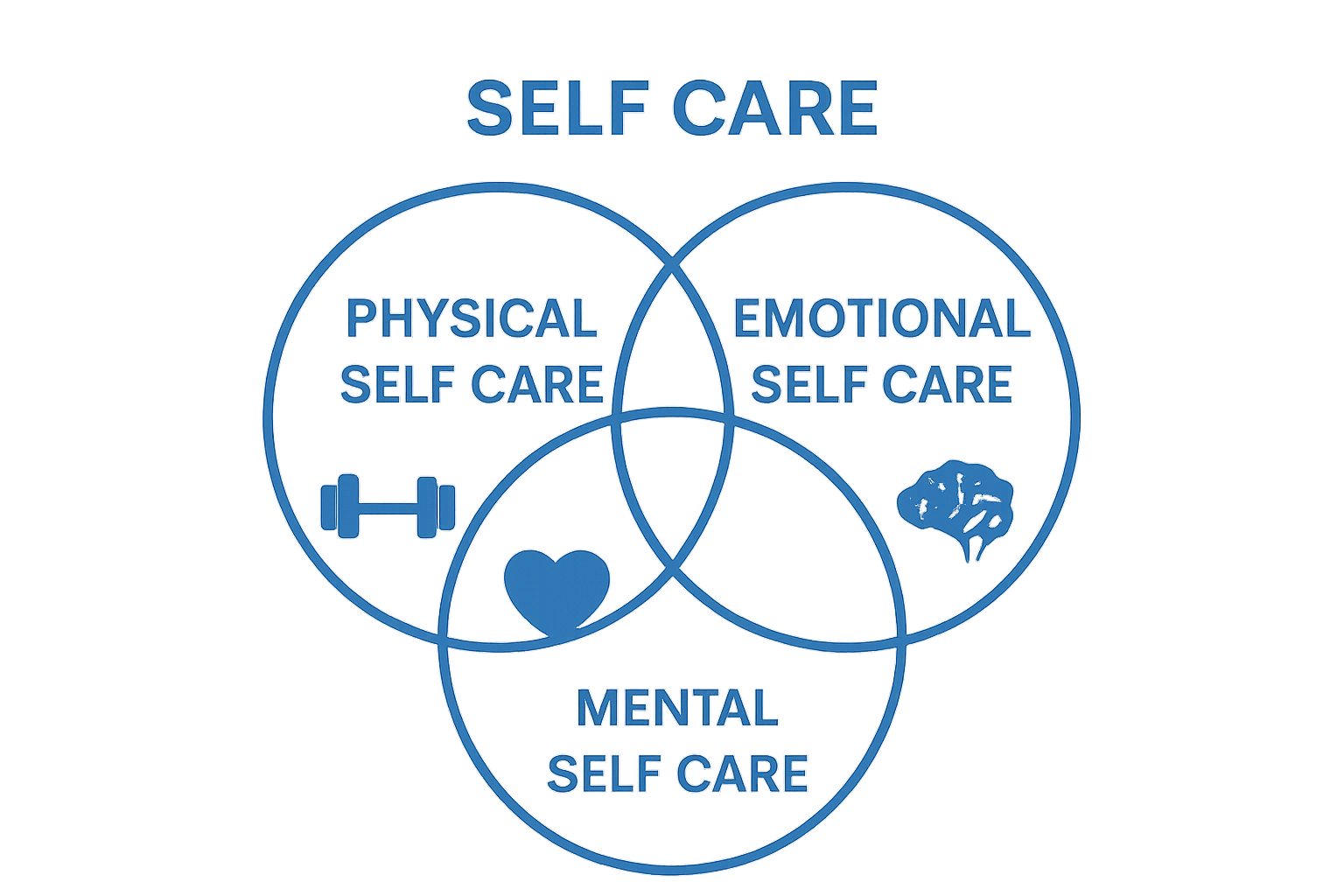
- Physical Self Care: Regular exercise, balanced nutrition, adequate sleep
- Emotional Self Care: Stress management, positive self-talk, addressing psychological barriers
- Mental Self Care: Setting realistic goals, developing healthy coping mechanisms, maintaining motivation
The Holistic Connection Between Self Care and Weight Loss:
Weight loss is rarely about restrictive diets or punishing exercise regimens.
Instead, it is a holistic journey that requires compassionate, strategic personal care.
Self care approaches weight loss by recognizing that sustainable change happens when individuals treat themselves with respect, understanding, and patience.
By integrating self care principles, individuals create a supportive internal environment conducive to lasting weight management.
This means acknowledging personal challenges, developing resilient strategies, and maintaining a compassionate mindset throughout the weight loss process.
The goal is not just losing weight but cultivating a healthier, more balanced relationship with one’s body and overall well-being.
Why Self Care is Essential for Sustainable Weight Loss?
Weight loss is not merely a physical transformation but a complex journey involving psychological, emotional, and behavioral components.
Sustainable weight loss requires more than temporary diet modifications it demands a comprehensive approach that prioritizes long-term personal well-being and holistic health strategies.
Breaking the Cycle of Temporary Solutions:
Traditional weight loss approaches often focus exclusively on caloric restriction and intense exercise, which frequently lead to short-term results and eventual burnout.
According to research published in the International Journal of Environmental Research and Public Health, successful weight management integrates self-care practices that address underlying psychological and emotional factors.
Key reasons why self-care is critical for sustainable weight loss include:
- Psychological Resilience: Building mental strength to overcome setbacks
- Emotional Regulation: Managing stress and preventing emotional eating
- Motivation Maintenance: Creating consistent, supportive internal dialogue
The Psychological Foundations of Weight Management:
Self-care transforms weight loss from a punitive process into a nurturing journey of personal growth.
By developing compassionate self-awareness, individuals can identify and address the root causes of weight challenges.
This approach recognizes that weight management is not about punishment, but about creating a supportive internal environment that promotes healthy choices.
The most effective weight loss strategies view health as a holistic experience.
Self-care provides the psychological infrastructure necessary for individuals to develop sustainable habits, maintain motivation during challenging periods, and cultivate a positive relationship with their body and personal health journey.
The Psychological Aspects of Self Care in Weight Management
Weight management transcends physical transformation and delves deep into the intricate landscape of psychological dynamics.
Understanding the mental and emotional components of weight loss is crucial for developing sustainable strategies that promote long-term health and personal wellness.
Mental Health and Weight Loss Connection:
Psychological factors play a pivotal role in determining an individual’s success in weight management.
According to research exploring psychological interventions in obesity management, mental health strategies significantly influence eating behaviors, motivation, and overall weight loss outcomes.
Key psychological aspects influencing weight management include:
This table organizes the core psychological aspects and how each supports effective self care in weight management.
| Psychological Aspect | Description |
|---|---|
| Emotional Resilience | Building coping strategies for stress and setbacks |
| Self-Perception | Fostering positive body image and self-worth |
| Motivation Dynamics | Understanding and supporting internal motivation |
- Emotional Resilience: Developing coping mechanisms for stress and setbacks
- Self-Perception: Cultivating positive body image and self-worth
- Motivation Dynamics: Understanding internal drivers for sustainable change
Cognitive Strategies in Self Care:
Self care in weight management involves developing robust cognitive strategies that transform negative thought patterns and behaviors.
This approach recognizes that weight loss is not just about physical changes but about creating a supportive internal dialogue that nurtures personal growth and emotional well-being.
By addressing underlying psychological barriers, individuals can create a more compassionate and effective approach to weight management.
The goal is to shift from a punitive mindset of restriction and self-criticism to a nurturing framework of self-understanding, resilience, and positive personal development.
How Lifestyle Choices Influence Weight Through Self Care?
Lifestyle choices are powerful determinants of weight management, extending far beyond simple diet and exercise considerations.
Self care transforms these choices from isolated actions into integrated, holistic strategies that support comprehensive personal health and sustainable weight management.
The Interconnected Nature of Lifestyle Decisions:
Every daily decision contributes to an individual’s weight management journey.
According to evidence-based research from the National Center for Biotechnology Information, lifestyle interventions that incorporate behavioral self-management strategies are fundamental to effective weight loss and maintenance.
Key lifestyle factors influencing weight through self care include:
- Sleep Patterns: Quality and duration of rest
- Stress Management: Emotional regulation techniques
- Nutrition Choices: Mindful eating and balanced dietary approaches
- Physical Activity: Consistent and enjoyable movement
Holistic Approach to Lifestyle Modification:
Self care reframes lifestyle modifications from restrictive regimens to empowering personal development.
This approach recognizes that sustainable weight management is not about perfection but about creating a supportive environment that naturally promotes healthy choices.
By understanding the intricate connections between lifestyle choices and weight, individuals can develop personalized strategies that align with their unique physiological and psychological needs.
The goal is to create a harmonious balance that supports both physical health and emotional well-being, transforming weight management from a challenging task into a journey of personal growth and self-discovery.
Key Concepts of Self Care Practices for Effective Weight Loss
Self care in weight loss is a nuanced approach that goes beyond traditional diet and exercise strategies.
It represents a comprehensive framework of intentional practices designed to support holistic personal transformation and sustainable health outcomes.
Understanding Foundational Self Care Principles:
Effective weight loss requires more than external interventions.
According to guidance from the National Institute of Diabetes and Digestive and Kidney Diseases, successful weight management integrates strategic self-care practices that address multiple dimensions of personal wellness.
Core concepts of self care for weight loss include:
- Autonomous Motivation: Developing intrinsic drive for personal health
- Self-Monitoring: Tracking progress without judgment
- Mindful Awareness: Cultivating present moment consciousness
- Emotional Regulation: Managing stress and psychological triggers
Integrative Approach to Personal Wellness:
Self care transforms weight loss from a punitive experience into a journey of personal growth and discovery.
By recognizing that health is multidimensional, individuals can develop personalized strategies that honor their unique physiological and psychological needs.
This approach moves beyond restrictive thinking, creating a supportive internal environment that naturally encourages healthier choices and sustainable lifestyle modifications.
The ultimate goal of self care in weight management is not just physical transformation but comprehensive personal empowerment.
It invites individuals to view their health journey as an opportunity for holistic self-understanding, resilience, and continuous personal development.

Ready to Turn Self Care into Real Weight Loss Success?
Feeling stuck in a cycle of temporary fixes and frustration with your weight loss journey?
The article highlights how self care is more than just a buzzword—it is the foundation for lasting and healthy change.
If you are looking to finally overcome emotional eating, stay motivated, and create habits that actually stick, you do not have to navigate this alone.
On leanandfit.info, we take these powerful self care principles and give you practical, science-backed strategies you can use every day.
Discover real-life experiences, natural diet plans, behavioral tips, and helpful resources that address the mental and physical roadblocks described in the article.
If you are ready to break free from restrictive diets and start building healthy behaviors that last, explore our full library at leanandfit.info.
Start your transformation with our expert weight loss advice today and take control of your well-being now.
Frequently Asked Questions:
This FAQ is all about understanding how self-care goes far beyond spa days and actually plays a powerful role in weight loss.
It breaks down the emotional, physical, and mental habits that quietly influence your progress every day.
Think of it as a realistic, no-pressure guide to losing weight while still being kind to yourself.
Q-1: Can being “too hard” on myself actually slow down my weight loss?
A-1: Surprisingly, yes. When you constantly criticize yourself for not losing weight fast enough, it creates stress—and stress isn’t exactly your metabolism’s best friend.
Harsh self-talk can lead to emotional eating, poor sleep, and burnout from trying to be perfect. Self-care flips this approach. It encourages patience and consistency instead of pressure.
When you treat yourself with understanding, you’re more likely to stick to healthy habits long-term. Weight loss isn’t just about discipline; it is about sustainability.
Being kinder to yourself doesn’t mean slacking—it actually helps you stay on track without feeling mentally exhausted.
Q-2: Why do I crave junk food more on days I feel emotionally drained?
A-2: Because your body is looking for quick comfort.
Emotional exhaustion lowers your mental energy, making it harder to make healthy choices. At the same time, your brain seeks “feel-good” foods—usually high in sugar or fat—to boost mood temporarily.
This is where self-care comes in. Instead of fighting cravings aggressively, try understanding them.
Are you tired, stressed, or overwhelmed?
Sometimes a nap, a short walk, or even a break from screens can reduce cravings. Self-care helps you respond to your needs instead of reacting impulsively with food.
Q-3: Is rest really as important as workouts for weight loss?
A-3: Absolutely.
In fact, rest is often underrated. When you don’t get enough rest, your body produces more hunger hormones and fewer satiety hormones. That means you feel hungrier and less satisfied after eating.
Plus, fatigue makes workouts feel harder, so you’re less consistent. Self-care includes prioritizing sleep and recovery.
Think of rest as part of your weight loss routine—not a break from it. When your body is well-rested, it performs better, burns energy more efficiently, and helps you make smarter food choices.
Q-4: Can small daily habits really make a difference, or do I need big changes?
A-4: Small habits are actually the secret sauce.
Big changes often feel exciting at first but are hard to maintain. Self-care focuses on simple, repeatable actions—like drinking more water, taking short walks, or eating mindfully.
These might seem minor, but over time, they create a powerful ripple effect.
The goal isn’t to overhaul your life overnight but to build routines that feel natural. When healthy habits become part of your daily rhythm, weight loss stops feeling like a struggle and starts feeling like a lifestyle.
Q-5: Why do I lose motivation even when I start strong?
A-5: Because motivation is temporary—it comes and goes. Relying only on motivation is like depending on good weather to go outside; it’s not always reliable.
Self-care shifts your focus from motivation to consistency. It teaches you to show up even on low-energy days, but in a gentle way. Maybe that means doing a shorter workout or choosing a slightly healthier meal instead of a perfect one.
The idea is to keep moving forward without burning out. Consistency, fueled by self-care, always beats short bursts of motivation.
Q-6: Can stress management actually help me lose weight?
A-6: Definitely. Stress triggers the release of cortisol, a hormone that can increase appetite and encourage fat storage, especially around the belly.
When you’re stressed, you’re also more likely to skip workouts or reach for comfort food. Self-care practices like deep breathing, journaling, or even spending time doing something you enjoy can lower stress levels.
It is not just about feeling calm—it directly impacts how your body stores and burns energy. Managing stress is like removing a hidden obstacle from your weight loss journey.
Q-7: Why does my progress feel slower compared to others?
A-7: Because everyone’s body—and life—is different. Comparing your journey to someone else’s can be discouraging and unrealistic. Factors like metabolism, lifestyle, sleep, and stress all play a role.
Self-care helps you shift your focus inward instead of outward. Instead of asking, “Why am I not like them?” you start asking, “What does my body need right now?”
This mindset reduces frustration and keeps you grounded. Progress might feel slow, but steady and sustainable changes often lead to better long-term results.
Q-8: Is emotional eating always a bad thing?
A-8: Not necessarily. Emotional eating becomes a problem only when it’s your only coping mechanism. Sometimes, food can be comforting—and that’s human.
Self-care encourages balance. Instead of eliminating emotional eating completely, try adding other coping tools like talking to someone, going for a walk, or practicing relaxation techniques.
The goal isn’t perfection but awareness. When you understand your triggers, you gain control over your choices without feeling guilty every time you eat for comfort.
Q-9: How can I practice self-care without feeling like I’m being “lazy”?
A-9: That’s a common misconception. Self-care isn’t about avoiding effort—it is about using your energy wisely. Taking breaks, getting enough sleep, or choosing a lighter workout when you’re exhausted isn’t laziness; it is smart recovery.
Pushing yourself too hard can lead to burnout, injuries, or giving up altogether.
Self-care teaches you to listen to your body and adjust accordingly. It’s about working with your body, not against it. When done right, self-care actually makes you more productive and consistent in your weight loss journey.
Recommended
- Role of Hunger and Fullness Cues in Mindful Eating for Weight Loss – LeanAndFit
- How Obesity Contributes to Hormonal Imbalances Linked to Depression? – LeanAndFit
- What is The Link Between Obesity and Depression? – LeanAndFit
- Why Trust LeanAndFit.info?
- For educational purposes only
- What is The Role of Green Tea Extract in Boosting Metabolism for Obesity Treatment? – LeanAndFit