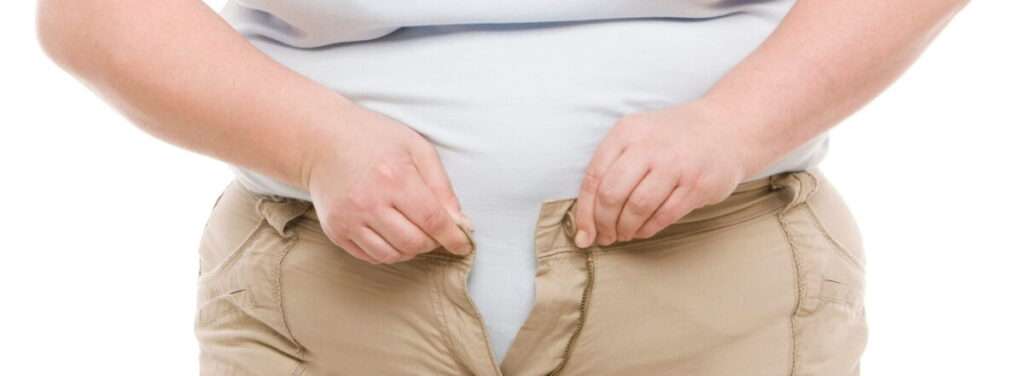

If you are wondering how to reduce obesity rates in Madison County, Mississippi then, you have come to the right place.
In this guide, leanandfit.info shall walk you through the top ‘tried and tested’ methods to help you regain your ‘slim and fit’ self once again.
But first, you need to understand the extent of this problem.
In Madison County, 37% adults are obese (Data Commons report). If the state is to be assessed for obesity then, 40% adults in Mississippi fits into this bracket.
This is definitely a serious issue that needs to be addressed with an iron grip.
What you really need is a solution that is practical, achievable, cost effective and backed by the local community.
If Madison is left as it is then, diseases linked directly to obesity (such as type 2 diabetes. cardiovascular issues, chronic arthritis, fatty liver disease, kidney diseases, thyroid and depression) are definitely going to increase fourfold.
So, how do we address this issue??? Well, read on to find out!
Points Covered in this Article
- Make Healthy Foods Easily Available in Madison County
- Madison County’s Health Infrastructure Needs a Revamp
- Introduce Obesity Education at School
- Initiate Wellness Programs at Offices in Madison County
- Strengthen Madison County’s Existing Healthcare System
- Run Obesity Campaigns to Increase Public Awareness in Madison County
- Resolve Socioeconomic Barriers Amicably
- Madison County’s Fitness Initiatives need Community Support
- Frequently Asked Questions
- Obesity Policy in Madison County needs State Level Intervention
Make Healthy Foods Easily Available in Madison County
With almost 37% population obese, Madison County really needs to work on its current eating habits.
Open More Grocery Stores:
With only 1.6 grocery stores serving 10,000 residents, the availability of healthy food is scarce in Madison County. The statewide figure is 4.3 stores for every 10,000 individuals. So, this county lacks far behind the state average.
Promote Fresh Produce:
As per Madison County 2025 Community Health Assessment, only 72% adults consume a single serving of fruit or vegetables in a day. 28% do not even care to do that. Opening community gardens and making farmers market affordable, is an ideal solution to change this habit.
Fizz Drinks Needs to be Stopped:
Almost 34% adults in Madison County consume at least one sugar laden drink in a single day. To reduce this extra calorie intake, switch to healthier alternatives – such as green juice.
Reduce the Prices of Fruits and Vegetables:
By promoting farmers produce and reducing the prices of fruits, vegetables, legumes and lean meat, you would encourage healthy eating practices in Madison.
Key Takeaway:
Initiative with regards to healthy eating practices needs to be done at a community level.
Madison County’s Health Infrastructure Needs a Revamp
If you have a warm and inviting outdoor environment, you are more likely to participate in physical activity and vice versa.
Madison County too has its share or parks and trails, such as Natchez Trace Parkway – an ideal trail for cycling and walking. Another example is the 20 mile multi-purpose trail used primarily by cyclists and joggers is the Chisha Foka Multi-Use Trail.
Unfortunately, they are not adequate to fight the rising obesity menace. Such trails and parks are few in Madison County. To curb obesity, we need much more.
Here is what needs to be done:
@ Improve parks and create more walking trails and cycling paths.
@ Improve street lighting and build better sidewalks.
@ Fitness centers and recreational facilities need to be further developed.
@ Encourage people to visit Simmons Arboretum and Strawberry Patch Park for their beautiful and natural walking trails.
Key Takeaway:
Several studies have reported that by merely exercising 30 minutes daily, you can end up reducing obesity rates by as much as 30%.
Introduce Obesity Education at School
The Madison Central High School is a classic example of an institution that teaches the importance of fitness, regular exercise and a healthy mindset. Nonetheless, schools teaching physical fitness are few in number. No wonder 40% school kids and adults in Madison County are obese.
What Madison county needs is a well structure physical education program that should become a part of each and every school present within the county.
It is only then that children shall become aware of the health complications that are directly linked with obesity. For example, stress, high blood pressure, cardiovascular diseases, kidney diseases, joint pain, type 2 diabetes and much more.
Here is what needs to be done at the school level:
@ Include daily physical activity within the school hours.
@ Replace fast food with well balanced and nutritious meals in the school canteens.
@ There should be a special lesson on healthy nutrition.
In Mississippi, it has been reported that 60% students avoid participating in daily physical exercises. If students start exercising daily and consume nutrient dense meals, they can reduce obesity levels by as much as 25%.
Initiate Wellness Programs at Workplaces/Offices in Madison County
Most adults in Madison County spend a large part of their day at the office. So, time for physical activity is less.
Medical healthcare costs arising from obesity in the United States is $147 Billion annually. Employees who spend most days sitting on office chairs, often end up spending up to 40% extra on medical expenses.
The reason is simple enough – employees often spend 7 to 8 hours daily sitting on office chairs thereby gaining weight rather easily.
What can be done to reduce obesity caused by the workplace environment?
@ Encourage 5 minute stretching breaks every hour at offices.
@ Offices should tie-up with fitness chains such as Courthouse Racquet & Fitness or Anytime Fitness, to offer lucrative discounts to their employees who use these facilities.
@ Each week, a ‘reward based’ fitness goal activity should be made compulsory. This would encourage employees to pay attention toward their physical health.
@ Replace junk food and aerated drinks in office cafes with healthy beverages and nutritious foods.
Key Takeaway:
If you have a well-structured fitness based program at the office then, employee activity levels increase automatically. Research by leanandfitinfo claim that such activities reduce sedentary lifestyle by as much as 25%.
Strengthen Madison County’s Existing Healthcare System
As per NC Center for Health Statistics, 22.1% residents complain of multiple days of anxiety in a single month.
Low income neighborhoods, geographical barriers, poor transportation and few family doctors are the main reasons why healthcare fails to deliver results in Madison County.
Moreover, the existing healthcare system is overburdened with the patient inflow (especially post the corona pandemic).
What can be done to improve healthcare for obesity treatment?
@ Organize weekly camps for screening BMI, cholesterol and blood pressure levels in areas that are most affected by obesity.
@ Offer cost effective obesity prevention programs. Provide nutritional tips to promote healthy food consumption.
@ To change existing lifestyle habits, reduce stress levels and curb emotional eating, implement behavioral therapy programs in selected neighborhoods (that are affected the most by this obesity menace).
@ Several healthcare facilities in and around Jackson are encouraging weight loss via correct diet, exercise and psychological interventions.
Key Takeaway:
National Institute of Health clearly states that even 5% weight loss can significantly reduce the risk of chronic ailments.
The benefits are:
@ reduced triglycerides,
@ reduced insulin resistance,
@ less inflammation,
@ reduction of pain on weight bearing joints.
Run Obesity Campaigns to Increase Public Awareness in Madison County
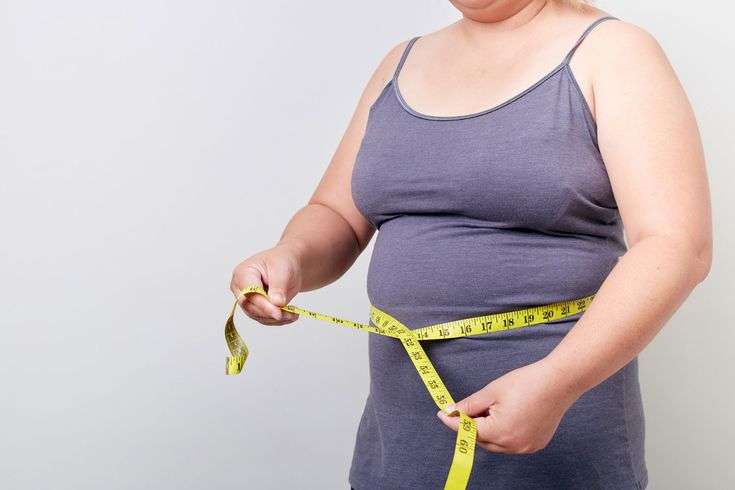
Simple lifestyle changes on a daily basis would increase activity levels and reduce obesity rates considerably in Madison County.
A classic example:
In the United States 13% of your daily calorie intake is via sugar based drinks. So, replacing these with healthy juices is a positive lifestyle change.
Change needs to be introduced via increased public awareness. People should be taught the ill effects of processed foods, sugar laden beverages and large portion size, on your body weight.
So, how to raise public awareness in Madison County?
@ Introduce community level awareness programs that highlight the importance of portion control, correct way to read product labels and ill effects of excessive sugar intake.
@ Initiate local health drives to encourage good eating habits. A classic example is the Mississippi State Fair.
@ Raise awareness levels on social media platforms that are most frequently visited by the youth. For example, Instagram, TikTok or Facebook.
Key Takeaway:
Research by LeanandFit.info states that by increasing awareness levels on healthy food, you can improve your dietary habits by as much as 20%.
Resolve Socioeconomic Barriers Amicably
Areas in Madison County where poverty is higher, the obesity levels too are significantly higher (10%-15% higher). This county has an obesity rate of 37.2%. Out of a total population of 116,298, more than 43,000 adults are obese.
Rural areas have lesser parks, fewer outdoor activity areas, limited healthcare access and fewer grocery stores, serving fresh farm produce.
So, how to reduce Socioeconomic Disparities in Madison County for controlling obesity?
@ County administration should provide fresh fruits and vegetables at a subsidized rate.
@ Initiate cost effective or free of charge fitness programs at Strawberry Patch Park.
@ Community centers and schools should introduce nutritional coaching to spread awareness on healthy eating habits.
Key Takeaway:
You can reduce obesity levels by as much as 20% if you bridge the socioeconomic gap in Madison County.
Healthier choices should be provided to all the residents and not merely limited to the economically stronger section of the society.
Madison Fitness Initiatives need Community Support
Most adults in Madison County spend up to 8 hours a day sitting on their office chair. This reduces physical activity, slows down metabolism, increases calorie intake (excessive snacking) and encourages body fat development.
So, how to involve the community in controlling obesity in Madison County?
@ Include community based fitness programs, marathon runs and free yoga sessions at local parks.
@ Make stretching and walking for 5 minutes after each hour of sitting in the office chair, a compulsory task.
@ Introduce physical activity based programs at office (such as step count challenges or a special reward for achieving weight loss goals). Encourage walking or cycling to workplace.
@ Introduce recreation facilities (such as yoga, Zumba, stretching) that are free of any charges at Natchez Trace Parkway (as it is a local attraction).
Key Takeaway:
When the community is involved, the participation rate increases and you also tend to enjoy the workout sessions. With time, it becomes an important part of your daily routine.
Frequently Asked Questions:
Q-1: Could making Madison County more walkable reduce obesity without asking residents to “exercise” more?
A-1: Yes, more walking tracks would ensure higher calorie burning, which in turn leads to faster weight loss. By merely developing an environment that encourages walking, you can naturally encourage physical activity levels of the residents without forcing them to ‘exercise’.
Q-2: What would happen to Madison County’s obesity rate if healthy food became the easiest affordable option in every neighborhood?
A-2: There would be a drastic reduction in obesity levels if fresh fruits and vegetables are introduced in Madison County. Various diseases linked to obesity (type 2 diabetes, hypertension, kidney disease, joint pain, chronic stress etc.) would also be reduced.
Q-3: Can local schools and families prevent obesity more effectively by changing daily routines rather than focusing on weight alone?
A-3: Yes, obesity education and nutritional counselling should be made compulsory in schools. As per Madison County health assessment, 44% K-8 children were overweight/obese in Madison County in 2019. It was also found in the report that 30.01% kids consumed sugar laden drinks.
Q-4: Which small changes to Madison County’s parks, sidewalks, and public spaces could turn everyday errands into opportunities for physical activity?
A-4: There should be more cycle paths, walking trails, children parks that encourage physical activity, water sidewalks and brighter streetlamps. When the local infrastructure is developed, it encourages walking – a simple physical activity that helps in long lasting weight management.
Q-5: Could Madison County reduce obesity faster by coordinating healthcare, schools, employers, food retailers, and local government instead of relying on individual weight-loss efforts alone?
A-5: This is absolutely true! A well-structured obesity prevention program involving the local community, healthcare system, schools, community gardens and workplaces, needs to be put in place to control rising obesity rates in Madison County.
Obesity Policy in Madison County needs State Level Intervention
The state government needs to address the growing obesity menace in Madison County by implementing policies that encourage healthy living. These policies need to be initiated at schools, workplace and community levels.
How to reduce obesity by changing the government policies?
@ Retailers selling fresh fruits and vegetables should be rewarded by the state government.
@ In school canteens (such as Madison Central High School), replace fast food/processed food with healthy and nutritious foods.
@ Urban spaces near popular parks (such as the Liberty Park) should be fortified with better walking paths and better lighting.
Key Takeaway:
If the state government ignores implementing policy that encourage healthy living, Madison County’s obesity rates may increase to 55% in the years to come.
Conclusion
If you really want to control and reduce obesity in Madison County then, you need to create a structured obesity prevention program that involves local communities and the state government.
In Madison County, 1 out of every 3 adults is obese. In Mississippi, the adult obesity rate is 40%. So, the need for action is clear.
Here is how the county can achieve its obesity related goals:
- Making sure that fresh fruits and vegetables are easily available.
- Developing local infrastructure that encourages outdoor activities.
- Educating school children on obesity and creating a healthy workplace enviornment that encourages physical activity.
- Developing community level Healthcare to combat obesity.
- Poor neighborhoods should be provided subsidized food, better recreation opportuinities and insentives.
- The state government should create policies that help in eradicating obesity from its root.
Madison County is way ahead of other counties in the area with regards to its existing infrastructure. So, it has an edge over others when it comes to controling the rising obesity rates.
The solution is through practical and evidence based strategies that are implimented at the community level.
The goal towards an obesity free county is simple—make healthy living accessible, affordable, and sustainable for everyone.
Recommended:
- https://leanandfit.info/causes-of-high-obesity-rates-in-madison-county-mississippi/
- https://leanandfit.info/how-to-treat-and-manage-obesity-in-jackson-mississippi/
- https://pmc.ncbi.nlm.nih.gov/articles/PMC3136983/
- https://datacommons.org/place/geoId/28089
- why trust leanandfit.info?
- for educational purposes only