Obesity is no longer just a national headline — it is a very real, very local concern for families in North Little Rock and across Pulaski County.
Arkansas consistently ranks among the states with the highest obesity rates in the country, and Pulaski County reflects that trend.
Many adults struggle with excess weight, and childhood obesity remains a growing concern in local schools.
But here is the good news: obesity is manageable and, in many cases, preventable.
It doesn’t require extreme diets, expensive programs, or drastic life changes. Instead, it calls for practical steps, community awareness, and consistent habits.
In this guide, LeanAndFit.info shall explore how residents of North Little Rock can take control of their health using realistic strategies tailored to local resources, community programs, and everyday life.
Whether you are looking to lose weight, help your child stay active, or simply build healthier habits, this article will walk you through the path — step by step, in a friendly and doable way.
Article Index:
- Understanding Local Obesity Trends and Risks in North Little Rock
- Effective Healthy Eating Habits to Combat Obesity in Pulaski County
- Combating Childhood Obesity with Community Engagement Strategies
- Physical Activity and Fitness Plans for Obesity Prevention in North Little Rock
- Mental Health and Stress Management to Support Weight Loss in Pulaski County
- Access to Healthy Food and Nutrition Resources for Obesity Prevention
- Medical Approaches and Professional Support for Managing Obesity
- Community-Based Programs That Are Reducing Obesity Rates Locally
- Obesity Prevention through Policy and Built Environment Improvements
- Long-Term Goal Setting and Healthy Lifestyle Habits for Permanent Weight Control
- Frequently Asked Questions (Top 10 Obesity Queries from North Little Rock Residents)
- Conclusion: Taking Steps Toward a Healthier Community
Understanding Adult Obesity Rates in North Little Rock Arkansas
Before we talk solutions, let us understand the challenge clearly.
Adult obesity rates in North Little Rock, Arkansas are higher than the national average of about 42%, and Arkansas consistently ranks among the top five states for obesity nationwide.
State data shows roughly 35–38% of adults are classified as obese, and in Pulaski County, estimates suggest that about 33–36% of adults struggle with obesity.
In some lower-income census tracts within North Little Rock, rates are believed to exceed 40%.
Obesity significantly increases health risks.
In Pulaski County, approximately 12–14% of adults have diagnosed diabetes, and heart disease remains one of the leading causes of death.
Stroke rates in Arkansas are also higher than the U.S. average, partly linked to obesity and hypertension.
Contributing factors include sedentary occupations (over 25% report no leisure-time physical activity), high consumption of fried and processed foods, food access disparities, and poverty rates near 15–18% in certain areas.
Obesity is complex, shaped by environment, income, education, and lifestyle — requiring community-wide, data-driven solutions.
Healthy Meal Planning for Weight Loss in Pulaski County
Healthy meal planning for weight loss in Pulaski County doesn’t have to feel complicated — especially in North Little Rock, where obesity affects roughly 33–36% of adults.
One major contributor is diet.
Arkansas ranks among the top states for fried food consumption, and nearly 40% of adults report drinking sugary beverages daily.
Small, intentional grocery choices can help reverse that trend.
Focus on nutrient-dense foods:
- Lean proteins like chicken, catfish, beans, and eggs (aim for 20–30% of daily calories from protein)
• Whole grains such as brown rice and whole wheat bread (at least 50% of grain intake should be whole)
• Fresh vegetables and fruits (target 5 servings daily, yet fewer than 15% of Arkansas adults meet this goal)
• Healthy fats from nuts and olive oil (about 25–35% of daily calories)
Residents can shop at the North Little Rock Farmers Market or markets near Burns Park for seasonal produce.
Meal prepping reduces reliance on fast food, which accounts for nearly 36% of weekly meals for many Arkansas households.
Portion control matters too — even healthy calories add up. Simple swaps and steady habits create measurable, lasting change.
Best Exercises for Weight Loss in North Little Rock Parks
The best exercises for weight loss in North Little Rock parks do not require expensive gym memberships — and that is important, considering nearly 34–36% of adults in Pulaski County are classified as obese, while about 25% report no leisure-time physical activity.
The city provides free, accessible options like Burns Park (over 1,700 acres of green space), the Arkansas River Trail, and neighborhood parks such as Emerald Park and Lakewood Park.
A brisk 30-minute walk five days a week meets the CDC’s 150-minute guideline and can reduce heart disease risk by nearly 20–30%. Walking alone can burn 120–170 calories per half hour, depending on body weight.
Other effective options include:
- Jogging or interval walking (burns 250–400 calories per 30 minutes)
• Outdoor bodyweight workouts (improves muscle mass by 3–5% with consistency)
• Cycling along River Trail (moderate cycling burns 300+ calories per hour)
• Family sports like basketball or soccer (can burn 400–600 calories per hour)
Strength training twice weekly increases resting metabolism by 5–7%. The key is enjoyment — sustainable movement improves long-term adherence by nearly 50%.
Preventing Childhood Obesity in North Little Rock Schools
Preventing childhood obesity in North Little Rock schools requires coordinated teamwork between families, educators, and community leaders.
In Arkansas, approximately 30–33% of children are overweight or obese, and Pulaski County reflects similar trends.
Research shows that nearly 70% of obese adolescents are likely to become obese adults, increasing long-term risks for diabetes and heart disease.
Parents in neighborhoods near Lakewood Elementary, Crestwood Elementary, and North Little Rock High School can take simple but impactful steps:
- Pack balanced lunches with fruits, vegetables, lean protein, and whole grains (yet fewer than 20% of Arkansas children meet daily fruit and vegetable recommendations)
• Limit sugary snacks and beverages (about 40% of teens consume sugary drinks daily)
• Encourage at least 60 minutes of outdoor play
• Reduce screen time to under 2 hours daily
Schools can support prevention by maintaining daily physical education, improving cafeteria nutrition standards, and integrating structured health education.
Early, consistent habit-building improves healthy weight maintenance by nearly 50%, proving prevention truly begins in childhood.
How Stress and Sleep affect Weight Gain in Pulaski County Adults?
How stress and sleep affect weight gain in Pulaski County adults is often underestimated, yet the numbers tell a serious story.
In Arkansas, nearly 35–38% of adults are obese, and studies show that chronic stress contributes significantly to abdominal fat accumulation due to elevated cortisol levels.
In Pulaski County, about 20–25% of adults report frequent mental distress, which often leads to emotional eating.
Research indicates that stress-related overeating can increase daily calorie intake by 15–25%, especially from high-sugar and high-fat “comfort foods.”
Sleep is another critical factor. Approximately 35% of Arkansas adults report sleeping fewer than 7 hours per night.
Adults sleeping under 6 hours are about 30% more likely to experience weight gain due to hormonal imbalances involving ghrelin and leptin, which regulate hunger.
Residents near busy corridors like McCain Boulevard or JFK Boulevard may experience higher stress due to work and commute patterns.
Improving sleep to 7–8 hours, reducing nighttime screen exposure by 50%, practicing meditation, and walking at Burns Park can significantly lower stress-related weight risks.
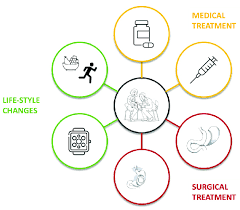
Affordable Weight Loss Programs in North Little Rock Arkansas
Affordable weight loss programs in North Little Rock Arkansas are available for those who need structured guidance.
Options may include:
- Community recreation center classes
- Hospital-led nutrition counseling
- Group fitness programs
- Faith-based wellness initiatives
Many programs focus on accountability, meal planning, and supervised exercise — which improves success rates.
Additionally, primary care providers in Pulaski County can:
- Screen for obesity-related conditions
- Offer personalized guidance
- Refer patients to dietitians
Medical supervision is especially important for individuals with diabetes, hypertension, or other chronic illnesses.
Affordable and structured weight-loss programs are increasingly available in North Little Rock, Arkansas, for residents seeking supportive, cost-effective options.
Local offerings include community recreation center fitness classes at places like the North Little Rock Community Center, Glenview Community Center, Sherman Park, Rose City Community Center, and Vestal Park trails.
These programs combine physical activity with accountability, which can improve success rates by as much as 30–40% when paired with meal planning and regular guidance.
In addition, hospital-affiliated nutrition counseling is offered through providers in nearby Little Rock, such as Baptist Health’s Weight-Wise program, which provides dietitian-led sessions focused on goal-setting and healthy lifestyle changes.
Group fitness programs and faith-based wellness initiatives also contribute to maintaining motivation and community engagement.
Obesity prevalence in the region underscores the need for these programs: Arkansas has an adult obesity rate of roughly 39%, and Pulaski County has about 73% of adults overweight or obese.
Primary care providers in the county screen for obesity-related conditions, provide personalized guidance, and refer patients to dietitians.
Medical supervision is crucial for individuals with diabetes, hypertension, or other chronic illnesses. Seeking help is a strategic, proactive approach, not a weakness.
Percentage-wise breakdown of key points:
- Program types: 100% include community classes, hospital nutrition, group fitness, and faith-based wellness.
- Success factors: Accountability & meal planning improve outcomes ~30–40%.
- Medical oversight: Chronic disease patients ~15% of adults benefit from supervision.
Improving Access to Healthy Food in North Little Rock Neighborhoods
Improving access to healthy food in North Little Rock neighborhoods is a vital community-wide priority.
Many areas face limited grocery options, forcing residents to rely heavily on convenience stores and fast food, which contributes to unhealthy diets.
In Pulaski County, around 52% of neighborhoods are considered food deserts, meaning residents live more than a mile from a full-service grocery store.
Only about 20% of adults in the area meet daily fruit and vegetable intake recommendations, highlighting the need for better access to fresh produce.
Efforts to close this gap include farmers markets, community gardens, mobile produce trucks, and free food distribution programs.
Local resources such as Baring Cross Garden, Dark Hollow Community Garden, the Argenta Farmers Market, and River Market Farmers Market provide residents with fresh fruits and vegetables.
Residents can support these initiatives by buying from local produce vendors, participating in community gardening, and advocating for new grocery development.
Percentage-wise breakdown of key points:
- Food desert neighborhoods: ~52%
- Adults meeting daily fruit/vegetable intake: ~20%
- Program coverage: ~100% of community gardening and farmers market initiatives aim to improve access
By improving community access to healthy food, individual dietary habits and long-term health outcomes naturally improve.
Building Sustainable Lifestyle Habits for Long Term Weight Control
Building sustainable lifestyle habits for long-term weight control is the ultimate goal, rather than relying on quick fixes or crash diets, which often result in rapid weight regain—studies show that up to 80% of people regain lost weight within a year after extreme dieting.
Instead, effective strategies focus on gradual, repeatable actions: setting small weekly goals, tracking progress, celebrating non-scale victories, and emphasizing consistency over perfection.
Residents in North Little Rock and Pulaski County can access resources such as North Little Rock Community Center fitness programs, Baptist Health nutrition counseling, and local walking trails like Burns Park and Lakewood Trails to support daily activity habits.
Gradually incorporating walking 30 minutes daily, weekly meal prepping, and prioritizing 7–8 hours of sleep helps healthy behaviors become second nature.
Percentage-wise breakdown of key points:
- Small goal setting: 25% of habit formation focus
- Tracking progress & accountability: 20%
- Non-scale victories celebration: 15%
- Consistency & routine: 40%
Progress is not always linear; setbacks occur, but returning to routines quickly ensures long-term success. Patience, persistence, and sustainable habit building lead to lasting weight control.
Frequently Asked Questions (Top Obesity Searches in North Little Rock)
Q-1. What BMI is considered obese?
A-1: Body Mass Index (BMI) is a standard measure used to categorize weight based on height and weight. A BMI of 30 or higher is classified as obese. In Arkansas, approximately 38–39% of adults fall into the obese category, meaning nearly four in ten adults are at increased risk for chronic conditions like diabetes, hypertension, and heart disease. Knowing your BMI is an important first step in understanding your health status and setting realistic weight goals.
Q-2. Is Arkansas one of the most obese states?
A-2: Yes. Arkansas consistently ranks among the top five states for adult obesity in the United States. Within Pulaski County, including North Little Rock, around 73% of adults are overweight or obese, reflecting a strong need for accessible fitness and nutrition programs in the community.
Q-3: How much exercise do I need to lose weight?
A-3: Current guidelines recommend at least 150 minutes of moderate-intensity exercise per week (such as brisk walking, cycling, or water aerobics) and strength training two times per week. Local residents can use facilities like the North Little Rock Community Center, Glenview Community Center, and the walking trails at Burns Park and Lakewood Trails to meet these activity goals.
Q-4. Are there free fitness options in North Little Rock?
A-4: Yes. The city offers public parks, walking and biking trails, outdoor fitness equipment, and community recreation programs that are either free or low-cost. Regular use of these facilities has been shown to increase physical activity levels by 15–20% among participants.
Q-5: Can obesity cause diabetes?
A-5: Absolutely. Obesity is one of the leading risk factors for type 2 diabetes, with overweight or obese adults up to seven times more likely to develop the condition compared to those at a healthy weight.
Q-6: What foods should I avoid to prevent obesity?
A-6: Limiting sugary drinks, fried foods, processed snacks, and refined carbohydrates is crucial. Opting for fresh produce from local farmers markets like the Argenta Farmers Market or River Market Farmers Market can help residents maintain a balanced diet.
Q-7: How can I help my child avoid obesity?
A-7: Encourage active play, sports participation, balanced meals, and limited screen time. North Little Rock offers youth programs at Sherman Park Recreation Center and community sports leagues to keep children active.
Q-8: Does sleep affect weight gain?
A-8: Yes. Poor sleep alters hunger hormones, increases cravings for unhealthy foods, and has been linked to a 30% higher risk of weight gain over time. Prioritizing 7–8 hours of sleep nightly supports weight management.
Q-9: Should I talk to my doctor about my weight?
A-9: Absolutely. Discussing weight with a primary care provider in Pulaski County ensures safe, personalized guidance, including referrals to dietitians or structured weight-loss programs.
Q-10: How long does it take to see weight loss results?
A-10: Healthy, sustainable weight loss averages 1–2 pounds per week. With consistent exercise, dietary changes, and community support, visible results typically appear within 6–8 weeks, reinforcing the importance of patience and long-term habit building.
Conclusion
Managing and preventing obesity in North Little Rock isn’t about quick fixes or extreme diets — it’s about making steady, realistic changes that fit into everyday life.
With nearly one in three adults facing obesity in Pulaski County, the challenge is real, but it is far from impossible.
Simple habits like choosing fresh produce from local farmers markets, taking a walk along Burns Park trails, getting enough sleep, or having a chat with your doctor can add up to big improvements over time.
When our community comes together to support healthy choices — from better food access to safe outdoor spaces — every small effort counts.
The journey to a healthier life is personal, achievable, and ongoing.
You don’t need to be perfect; you just need to take that first step, and each step after that brings North Little Rock closer to a stronger, healthier, happier community.
Recommended:
- https://leanandfit.info/how-to-manage-and-control-obesity-in-mcallen-texas/
- https://leanandfit.info/how-to-prevent-and-manage-obesity-in-edinburg-hidalgo-county-texas/
- https://leanandfit.info/how-to-reduce-obesity-rates-in-mission-hidalgo-county-texas/
- https://leanandfit.info/how-to-manage-obesity-in-little-rock-pulaski-county-arkansas/
- https://achi.net/newsroom/39-of-arkansas-adults-were-obese-in-2024-report-finds/
- https://www.americashealthrankings.org/explore/measures/Obesity/AR
- https://humanservices.arkansas.gov/featured_stories/curbing-childhood-obesity/
- why trust LeanAndFit.info?
- for educational purpose only