
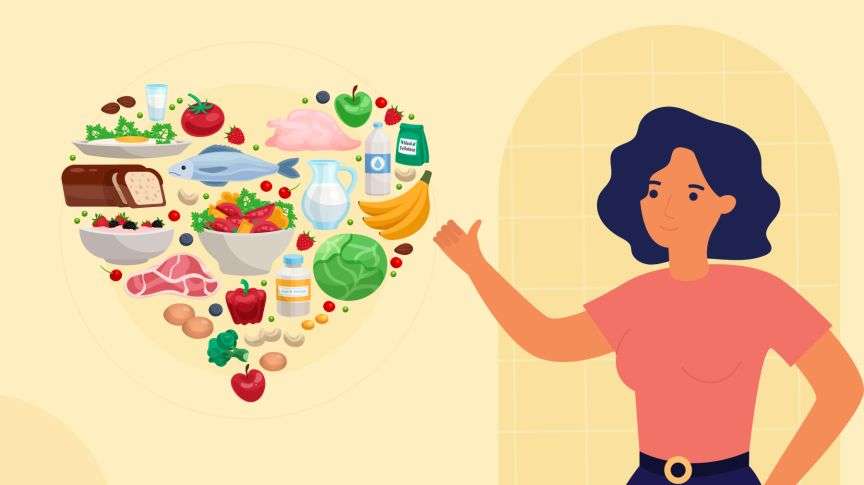
Processed foods have become a staple in modern diets, but their consumption is often linked to health issues like obesity, diabetes, and heart disease.
A conscious eating plan prioritizes whole, unprocessed foods to nourish the body and mind.
In this article, leanandfit.info will explore strategies for avoiding processed foods, understand why they are detrimental to health, and provide practical advice supported by scientific evidence.
Real-life examples will illustrate how to avoid Processed Foods in a conscious eating plan.
In This Article:
- Introduction to Processed Foods and Conscious Eating
- Understanding Processed Foods: What and Why
- Health Implications of Processed Foods
- Reading Labels and Identifying Hidden Ingredients
- Strategies to Transition Away from Processed Foods
- Building a Conscious Eating Plan
- Real-Life Examples of Avoiding Processed Foods
- Scientific Research on Processed Foods and Health
- FAQs on Processed Food and Weight Gain
- Conclusion: Achieving a Processed-Free Conscious Eating Plan
Introduction to Processed Foods and Conscious Eating
Processed foods dominate grocery store shelves, ranging from sugary cereals and frozen meals to snacks and beverages.
While convenient and often cost-effective, these products are frequently laden with unhealthy fats, added sugars, sodium, and artificial preservatives.
Consistent consumption of such foods is linked to health concerns, including obesity, diabetes, heart disease, and nutrient deficiencies.
A conscious eating plan, on the other hand, emphasizes deliberate food choices that align with health goals and personal values.
This approach prioritizes nutrient-dense, whole foods like fresh vegetables, fruits, lean proteins, and whole grains, promoting long-term health and well-being.
By understanding the risks associated with processed foods and adopting strategies to reduce their intake, individuals can develop a more mindful and sustainable approach to eating.
This article explores practical methods to identify, avoid, and replace processed foods, supporting a healthier lifestyle through informed and intentional dietary choices.

Understanding Processed Foods: What and Why?
Processed foods are defined as products altered from their natural state to improve shelf life, enhance flavor, or increase convenience.
These alterations often involve physical, chemical, or mechanical methods. It is not incorrect to state that urbanization has caused obesity.
Examples range from minimally processed items like washed and bagged salad greens to highly processed products such as instant noodles, sugary cereals, and packaged snacks.
Highly processed foods typically contain:
- Additives: Artificial flavors, colors, and emulsifiers to improve taste and appearance.
- Refined Sugars: Found in products like soda and candy, these contribute to empty calories and spike blood sugar levels.
- Unhealthy Fats: Trans fats and hydrogenated oils that increase the risk of heart disease.
- Preservatives: Ingredients like sodium benzoate or nitrates to extend shelf life but with potential health risks.
Understanding the degree of processing is essential.
Minimally processed foods, such as frozen vegetables or plain yogurt, retain most of their natural nutrients, while ultra-processed foods are stripped of beneficial components, loaded with additives, and linked to various health issues like obesity and metabolic syndrome.
Health Implications of Processed Foods
Regular consumption of processed foods is associated with numerous adverse health effects, impacting both physical and metabolic well-being:
- Weight Gain and Obesity: A pivotal study published in Cell Metabolism (2019) revealed that individuals consuming diets high in ultra-processed foods consumed significantly more calories, resulting in weight gain. These foods are often engineered for overconsumption due to their high sugar and fat content.
- Increased Risk of Chronic Diseases: Processed foods containing trans fats, refined sugars, and excessive sodium are strongly linked to the development of chronic conditions such as type 2 diabetes, hypertension, and cardiovascular disease. These ingredients disrupt metabolic processes and increase inflammation.
- Nutrient Deficiency: Highly processed foods are typically stripped of essential vitamins, minerals, and fiber during production. Their regular consumption can lead to nutritional imbalances, weakening the immune system and contributing to long-term health issues.
These findings emphasize the importance of reducing processed food intake to improve overall health and prevent chronic diseases.
Reading Labels and Identifying Hidden Ingredients
Learning to read food labels is a vital skill for avoiding processed foods and making healthier dietary choices.
Processed food labels often include misleading terms and hidden ingredients that require careful examination:
- Recognize Red Flags: Ingredients such as high-fructose corn syrup, hydrogenated oils, artificial sweeteners, and preservatives signal high levels of processing and potential health risks.
- Count the Ingredients: Products with long ingredient lists filled with unpronounceable or unrecognizable items often indicate ultra-processing. Opt for items with minimal and natural ingredients.
- Beware of Marketing Claims: Phrases like “low-fat,” “all-natural,” or “fortified” can be deceptive. For example, “low-fat” products may compensate with added sugars or artificial flavors to enhance taste.
Example:
Susan, a health-conscious shopper, initially purchased granola bars marketed as “healthy.”
Upon closer inspection of the label, she discovered hidden sugars and preservatives, prompting her to switch to homemade snacks.
This small change improved her energy levels and aligned with her conscious eating plan.
Learning to critically evaluate food labels empowers individuals to avoid processed foods and prioritize nutrient-rich, whole-food alternatives.
Strategies to Transition Away from Processed Foods
Transitioning to a processed-free diet can be gradual and manageable by implementing simple yet effective steps:
- Plan Meals: Preparing meals at home with fresh, whole ingredients minimizes dependence on packaged or convenience foods. Meal planning also helps maintain a balanced diet.
- Stock Whole Foods: Keep your pantry filled with nutrient-dense staples like whole grains, fresh produce, nuts, and seeds, ensuring healthier choices are always within reach.
- Cook in Batches: Batch cooking meals like soups, stews, and salads saves time and reduces the temptation to rely on ready-made meals during busy days.
- Experiment with Recipes: Try creating simple, nutritious snacks such as homemade granola, energy balls, or roasted chickpeas to replace processed snack options.
Example:
Mike, aiming to eliminate frozen meals, began batch-cooking quinoa salads and grilled vegetables for lunch. Within a few weeks, he noticed increased energy levels and reduced bloating, demonstrating how small changes can lead to significant health benefits.
Building a Conscious Eating Plan
A mindful eating plan promotes mindful decision-making and long-term sustainability by prioritizing nutrition and reducing reliance on processed foods.
Key elements include:
- Focus on Whole Foods: Emphasize fresh, nutrient-dense options such as vegetables, fruits, lean proteins, and whole grains to ensure a balanced diet and optimal health.
- Practice Mindful Eating: Develop awareness of hunger and fullness cues, savoring each bite to improve digestion and prevent overeating. Mindful eating encourages a deeper connection with food.
- Limit Dining Out: Minimize restaurant meals, as they often contain processed ingredients, added sugars, and unhealthy fats to enhance taste and shelf life.
- Shop Locally: Support farmers’ markets to access fresh, seasonal, and unprocessed produce while contributing to local economies and sustainable agricultural practices.
This approach fosters a healthier relationship with food, prioritizing nourishment over convenience.
Sarah’s Family Transformation:
Sarah, a busy mother of two, noticed her family’s increasing reliance on processed snacks like chips and cookies.
Concerned about their long-term health, she decided to gradually eliminate these items from their diet.
She introduced alternatives such as fresh fruit, homemade popcorn seasoned with natural spices, and colorful veggie sticks with hummus.
By involving her children in snack preparation, she made the transition enjoyable and resistance-free.
Within months, her family experienced improved energy levels and reduced cravings for unhealthy foods, demonstrating the power of small, consistent changes.
Example 2: Tom’s Fitness Journey:
Tom, a dedicated gym enthusiast, realized his reliance on store-bought protein bars was contributing to excess sugar in his diet.
Seeking healthier options, he began preparing homemade protein shakes using fresh fruits, unsweetened almond milk, and high-quality protein powder.
This simple change not only reduced his sugar intake but also provided a nutrient-dense post-workout recovery option.
Over time, Tom noticed enhanced athletic performance, better muscle recovery, and a sustained energy boost during workouts, showcasing how thoughtful choices can elevate fitness results.
Scientific Research on Processed Foods and Health
Scientific research provides robust evidence linking processed foods to adverse health outcomes:
- Monteiro et al. (2018): Published in Public Health Nutrition, this landmark study developed the NOVA classification system to categorize foods based on processing levels. The study highlighted that ultra-processed foods, characterized by high sugar, fat, and additive content, significantly increase the risk of obesity, cardiovascular disease, and type 2 diabetes.
- Hall et al. (2019): This randomized controlled trial in Cell Metabolism demonstrated that participants consuming ultra-processed diets ingested an average of 500 more calories daily compared to those on whole-food diets. The additional caloric intake was attributed to the hyper-palatable nature of processed foods, which drive overeating.
- Mozaffarian et al. (2012): Published in Circulation, this study linked high consumption of processed foods to increased prevalence of metabolic syndrome, a cluster of conditions including high blood pressure, elevated blood sugar, and abnormal cholesterol levels, which collectively heighten cardiovascular risk.
These studies underline the importance of reducing processed food intake to mitigate health risks and promote overall well-being.
FAQs on Processed Food and Weight Gain:
Achieving a Processed-Free Conscious Eating Plan
Avoiding processed foods is a cornerstone of a conscious eating plan, essential for enhancing health and well-being.
Processed foods are often high in unhealthy fats, added sugars, and sodium, contributing to chronic conditions such as obesity, diabetes, and cardiovascular disease.
Understanding the detrimental impact of these foods empowers individuals to make better dietary choices.
Carefully reading food labels helps identify hidden ingredients like high-fructose corn syrup, trans fats, and artificial additives, which are common in processed items.
Prioritizing whole, unprocessed foods such as fresh vegetables, fruits, lean proteins, and whole grains ensures nutrient-rich meals that support overall health.
Gradual transitions, such as replacing sugary snacks with fresh fruit or swapping packaged meals for homemade options, make the process sustainable.
Embracing mindful eating practices—including savoring meals and recognizing hunger cues—fosters a healthier relationship with food.
These strategies collectively lead to lasting dietary changes and an improved quality of life.
References: