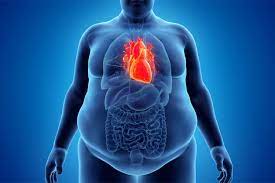

Most American adults will feel the impact of stress at some point, yet over half misunderstand its true nature and effects.
Many people assume all stress is unhealthy or identical for everyone, but the reality is much more nuanced and personal.
Understanding the biological roots and surprising benefits of some stress types can help you reframe negative beliefs and discover better ways to protect your health and well-being.
Table of Contents
- Defining Stress And Its Common Misconceptions
- Different Types Of Stress And Their Effects
- How Stress Impacts The Body And Mind
- Link Between Stress, Obesity, And Chronic Illness
- Effective Strategies For Managing Stress
Key Takeaways
| Point | Details |
|---|---|
| Understanding Stress | Stress is a complex response that can be both beneficial and harmful, depending on its duration and context. Acute stress can enhance performance, while chronic stress can lead to significant health issues. |
| Individual Differences in Stress | Stress affects individuals differently based on genetics, experiences, and coping mechanisms. Tailored stress management strategies are essential for effective support. |
| Holistic Approach to Management | Effective stress management involves a combination of mindfulness practices, lifestyle modifications, and social support to optimize mental and physical health. |
| Connection to Health Risks | Chronic stress is linked to obesity and chronic illnesses, highlighting the importance of addressing stress as a key health risk factor. |
Defining Stress and Its Common Misconceptions
Stress is a complex physiological and psychological response that goes far beyond the simplistic notion of feeling overwhelmed or anxious.
Biological stress represents the body’s intricate mechanism for responding to external challenges, involving a sophisticated interplay of hormonal, neurological, and metabolic processes.
Understanding the connection between stress and weight gain reveals how deeply this response can impact our overall health.
Contrary to popular belief, stress is not inherently negative. Acute stress can actually be a powerful adaptive mechanism that helps humans react quickly to potential threats. The misconception that all stress is harmful fails to recognize its evolutionary protective function.
Some stress triggers can prompt heightened alertness, improved cognitive performance, and rapid decision-making. Chronic stress, however, represents a different scenario where prolonged activation of stress responses can lead to significant health complications.
Researchers have identified several persistent myths about stress that require careful examination. One prevalent misconception is that stress affects everyone identically, which scientific evidence clearly refutes.
Individual genetic makeup, past experiences, and coping mechanisms dramatically influence how people experience and process stressful stimuli.
How stress triggers emotional eating in obese individuals demonstrates the nuanced ways stress can manifest differently across various population groups.
Understanding these variations is crucial for developing personalized stress management strategies that recognize individual differences in physiological and psychological responses.
Ultimately, stress management is not about eliminating stress entirely but learning to navigate and mitigate its potential negative impacts.
Recognizing stress as a complex, multifaceted experience rather than a monolithic phenomenon allows individuals to develop more sophisticated and effective approaches to maintaining mental and physical well-being.
Different Types of Stress and Their Effects
Stress is not a monolithic experience but a nuanced spectrum of physiological and psychological responses with distinct characteristics.
Acute stress represents the most common type of stress, characterized by immediate and short-term reactions to immediate challenges or perceived threats.
How stress impacts metabolic slowdown reveals the intricate ways these immediate stress responses can trigger rapid bodily changes, demonstrating how even brief stressful encounters can significantly influence metabolic processes.
Researchers have identified three primary stress categories that provide deeper insight into how our bodies and minds respond to different stressors. Acute stress involves immediate, intense reactions that typically resolve quickly, like narrowly avoiding a traffic accident or preparing for an important presentation.
Episodic acute stress occurs when individuals frequently experience acute stress episodes, often characterized by persistent worry, heightened anxiety, and a perpetual sense of being overwhelmed.
Chronic stress represents the most damaging form, involving prolonged exposure to stressors that can persistently disrupt physiological and psychological equilibrium.
Positive stress, or eustress, offers a fascinating counterpoint to traditional stress narratives. Unlike negative stress, eustress generates excitement, motivation, and can actually enhance performance and personal growth.
How chronic stress impacts cortisol levels and weight gain highlights the critical distinction between constructive and destructive stress experiences.
Eustress might emerge from challenging but engaging work projects, personal achievements, or anticipating positive life events, demonstrating that not all stress is detrimental to our well-being.
Understanding these stress variations empowers individuals to develop more sophisticated stress management strategies. By recognizing the unique characteristics of different stress types, people can better anticipate, mitigate, and potentially leverage stress responses.
The key lies in developing resilience, implementing targeted coping mechanisms, and maintaining a holistic approach to managing physiological and psychological stress reactions.
How Stress Impacts the Body and Mind?
Stress represents a complex biological response that profoundly transforms both physiological and psychological systems.
The human body responds to stress through an intricate network of neurological and hormonal mechanisms, triggering immediate and long-term changes that can significantly impact overall health.
How stress eating is making you fat illustrates how psychological stress can directly influence physical metabolic processes, creating a powerful mind-body connection that extends far beyond simple emotional experiences.
Physiologically, stress activates the hypothalamic-pituitary-adrenal (HPA) axis, which releases stress hormones like cortisol and adrenaline.
These hormonal cascades trigger multiple bodily responses: increased heart rate, elevated blood pressure, suppressed immune function, and altered metabolic processes.
Chronic stress can lead to persistent hormonal dysregulation, potentially causing long-term health complications such as cardiovascular disorders, compromised immune responses, and metabolic disruptions that can contribute to weight gain and inflammation.

Mentally, stress profoundly impacts cognitive functioning and emotional regulation. Prolonged stress can reshape neural pathways, potentially leading to anxiety, depression, and decreased cognitive performance.
The psychological toll includes reduced concentration, impaired memory formation, and heightened emotional reactivity.
How obesity contributes to increased anxiety levels demonstrates the cyclical relationship between stress, mental health, and physical well-being, highlighting how psychological and physiological systems are intimately interconnected.
Understanding stress’s multifaceted impact empowers individuals to develop comprehensive strategies for managing its effects.
Recognizing that stress is not just a mental experience but a whole-body phenomenon can motivate proactive approaches to health, including stress reduction techniques, lifestyle modifications, and holistic wellness practices that address both psychological resilience and physiological balance.
Link Between Stress, Obesity, and Chronic Illness
The intricate relationship between stress, obesity, and chronic illness represents a complex physiological cycle with profound health implications. Psychological stress triggers a cascade of metabolic and hormonal changes that can directly contribute to weight gain and increased disease risk.
Complete guide to the effects of obesity on health reveals how these interconnected processes create a potentially dangerous feedback loop that impacts multiple bodily systems.
Stress initiates a series of hormonal responses that fundamentally alter metabolic functioning. Cortisol, the primary stress hormone, plays a critical role in this mechanism by promoting fat storage, particularly around the abdominal region.
When chronically elevated, cortisol levels can increase insulin resistance, boost appetite for high-calorie foods, and slow metabolic rate.
These physiological changes make weight management significantly more challenging and create conditions that predispose individuals to developing chronic diseases such as diabetes, cardiovascular disorders, and metabolic syndrome.
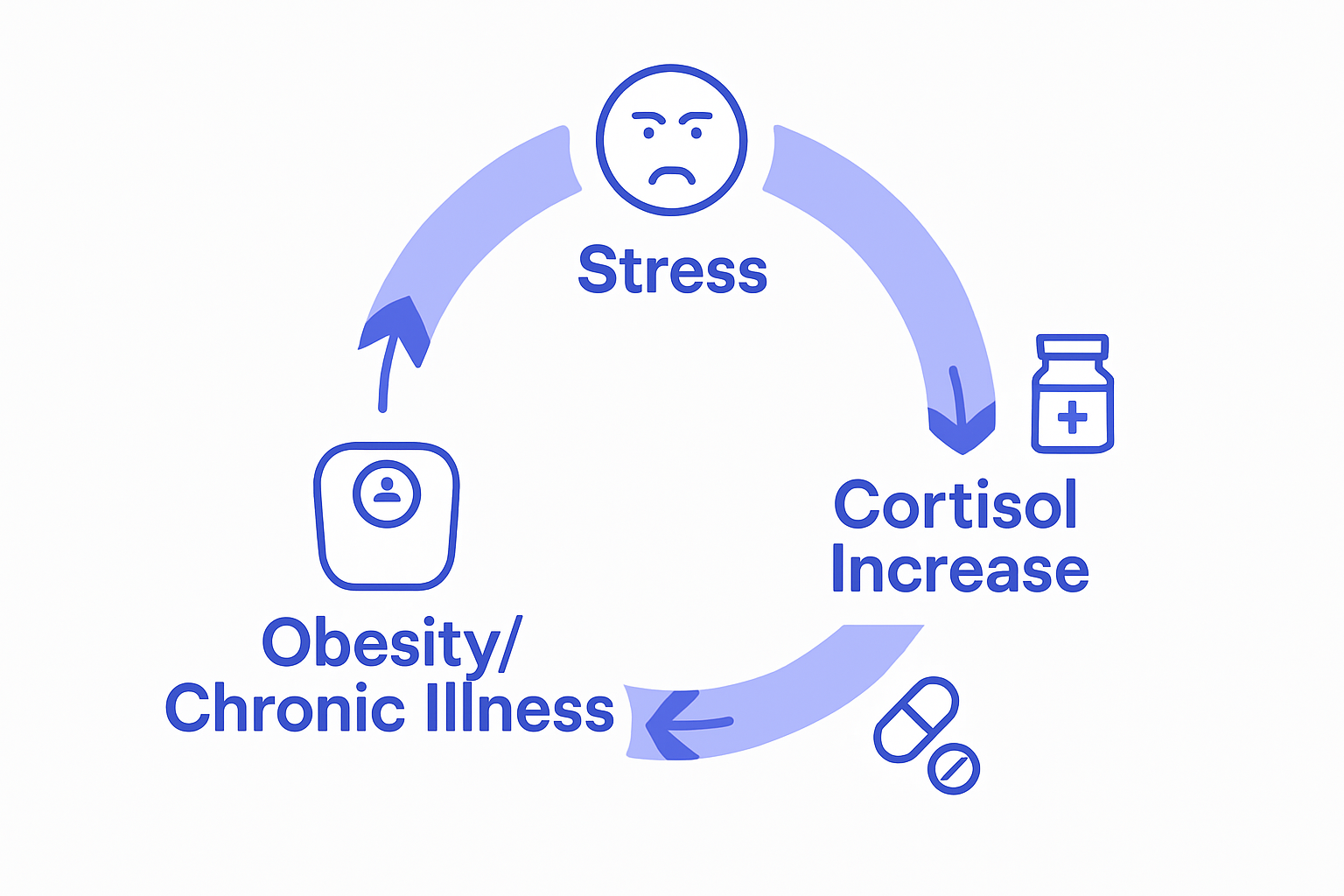
The bidirectional relationship between obesity and stress creates a self-perpetuating cycle of health challenges.
How chronic inflammation increases fat storage demonstrates how excess weight generates additional inflammatory responses that further exacerbate stress mechanisms.
Increased body fat produces pro-inflammatory cytokines that can disrupt normal hormonal balance, elevate stress responses, and compromise immune function.
This complex interaction means that stress not only contributes to weight gain but also creates physiological conditions that make weight loss more difficult.
Ultimately, breaking this cycle requires a holistic approach that addresses psychological resilience, metabolic health, and lifestyle modifications.
Recognizing stress as a significant health risk factor empowers individuals to develop targeted strategies for managing both psychological and physiological responses, potentially interrupting the destructive pattern between stress, obesity, and chronic illness.
Effective Strategies for Managing Stress
Managing stress requires a holistic approach that addresses psychological, physiological, and lifestyle factors.
How guided meditation reduces stress to aid weight loss demonstrates that targeted interventions can effectively mitigate stress responses and promote overall well-being.
By understanding and implementing strategic stress management techniques, individuals can significantly improve their mental and physical health.
Multiple evidence-based strategies have emerged for effectively managing stress. Mindfulness practices like meditation, deep breathing exercises, and progressive muscle relaxation can dramatically reduce physiological stress markers.
These techniques work by activating the body’s parasympathetic nervous system, which counteracts the fight-or-flight response triggered by chronic stress. Regular practice can lower cortisol levels, reduce blood pressure, and improve emotional regulation, creating a powerful buffer against stress-induced health complications.
Lifestyle modifications play a crucial role in comprehensive stress management. Physical activity, nutrition, sleep hygiene, and social connections are fundamental elements in building resilience.
Regular exercise releases endorphins, improves mood, and helps metabolize stress hormones. Balanced nutrition supports hormonal equilibrium, while consistent sleep patterns help reset the body’s stress response mechanisms.
Building strong social support networks provides emotional buffering and practical coping strategies that can significantly reduce perceived stress levels.
Technology and professional support offer additional stress management resources.
Wearable sensors and digital applications can help individuals track and understand their stress patterns, providing personalized insights and intervention strategies.
Professional counseling, cognitive behavioral therapy, and stress management workshops offer structured approaches to developing coping mechanisms. The key is creating a personalized, multifaceted strategy that addresses individual stress triggers and promotes holistic well-being.
Take Control of Stress to Protect Your Health and Enhance Your Well-Being
Stress affects more than just your mood. As detailed in the article, chronic stress can disrupt your hormonal balance, lead to weight gain, and increase the risk of serious health problems.
If you are struggling with stress that feels overwhelming or persistent, it is important to take active steps toward managing it effectively. Understanding terms like chronic stress and recognizing the physical and emotional symptoms can be the first step toward reclaiming your health.
Discover proven strategies to combat stress and support your weight loss goals by exploring our dedicated resources on Chronic Stress and effective Stress Reduction techniques. Don’t wait for stress to negatively impact your life further.
Visit LeanAndFit.info now for expert guidance and tools designed to help you lower anxiety, boost resilience, and improve your physical health today.
Frequently Asked Questions:
Listed below are answers to the top 10 burnign queries regarding stress and its impact on your waist circumfrence:
Q-1: How does chronic stress affect physical health long term?
A-1: Chronic stress significantly increases long-term health risks. According to U.S. data from the National Health Interview Survey, individuals with high stress perception have a 43% higher risk of premature death.
Persistent stress also contributes to inflammation, which is linked to conditions like cardiovascular disease, diabetes, and autoimmune disorders.
Studies show that nearly 33.7% of U.S. adults believe stress directly impacts their health, highlighting its widespread physical toll. Over time, prolonged cortisol exposure weakens organs, accelerates aging, and disrupts metabolic balance.
Q-2: What are the symptoms of stress affecting the body daily?
A-2: Daily stress manifests physically in multiple ways.
Reports from the American Psychological Association indicate that over 80% of individuals experiencing stress report at least one physical symptom, including headaches, fatigue, muscle tension, and rapid heartbeat.
Additionally, about two-thirds of Americans say stress shows up as physical discomfort. These symptoms can become chronic if stress persists, leading to long-term health complications and reduced quality of life.
Q-3: How does stress impact the immune system and illness risk?
A-3: Stress weakens the immune system by suppressing white blood cell activity. Chronic stress increases inflammation, making the body more vulnerable to infections and illnesses.
Research shows that stress-related immune dysfunction is linked to diseases like cancer and autoimmune disorders.
In the U.S., 14.7% of adults report frequent mental distress, which is strongly associated with reduced immunity and increased susceptibility to illness.
Q-4: What are the effects of stress on heart health and blood pressure?
A-4: Stress directly affects cardiovascular health by increasing heart rate and blood pressure. Studies show that psychological distress can more than double the risk of stroke among U.S. adults.
Chronic stress also contributes to hypertension and heart disease, which remain leading causes of death in the United States. Elevated stress hormones constrict blood vessels, increasing the likelihood of heart attacks over time.
Q-5: How does stress affect mental health and brain function?
A-5: Stress has a profound impact on mental health and cognitive function. According to the CDC, 18.2% of U.S. adults experience anxiety symptoms and 21.4% experience depression symptoms.
Chronic stress alters brain structure, particularly in areas responsible for memory and emotional regulation. It can impair concentration, decision-making, and increase the risk of disorders like anxiety and depression.
Q-6: Can stress cause digestive problems and gut issues?
A-6: Yes, stress significantly affects digestive health through the gut-brain connection.
It can lead to issues such as irritable bowel syndrome (IBS), bloating, and acid reflux. Research indicates that stress triggers inflammation in the gastrointestinal tract, disrupting digestion.
With approximately 75% of U.S. adults experiencing stress, digestive complaints linked to stress are increasingly common in clinical settings.
Q-7: How does workplace stress affect employee health and productivity?
A-7: Workplace stress is a major health concern in the U.S. Data shows that over 80% of U.S. workers experience work-related stress, and more than 50% report it negatively impacts their personal lives.
Chronic workplace stress leads to burnout, reduced productivity, absenteeism, and mental health issues. Organizations are now recognizing stress management as critical to employee well-being and performance.
Q-8: What diseases are linked to long-term stress exposure?
A-8: Long-term stress is associated with several serious diseases, including heart disease, diabetes, depression, and autoimmune disorders.
Scientific studies confirm that chronic stress contributes to systemic inflammation, which plays a key role in disease development.
In high-stress populations, such as childcare professionals, 66.5% report moderate to high stress levels, alongside increased rates of chronic illnesses.
Q-9: How does stress affect sleep quality and insomnia problems?
A-9: Stress disrupts sleep by increasing alertness and cortisol levels, making it difficult to fall and stay asleep.
In the U.S., mental distress—often linked to stress—affects 15.9% of adults, many of whom report poor sleep quality.
Chronic sleep deprivation further worsens stress, creating a harmful cycle that impacts both physical and mental health.
Q-10: How do stress hormones like cortisol damage the body over time?
A-10: Cortisol, the primary stress hormone, is beneficial in short bursts but harmful when elevated long-term.
Excess cortisol leads to weight gain, weakened immunity, high blood pressure, and cognitive decline.
Studies show that over 75% of Americans experience stress regularly, meaning prolonged cortisol exposure is widespread.
Over time, this hormonal imbalance accelerates aging and increases disease risk.
Recommended:
- How Stress Impacts Metabolic Slowdown? – LeanAndFit
- How Stress Eating is Making You Fat? – LeanAndFit
- How Chronic Stress Impacts Cortisol Levels and Weight Gain? – LeanAndFit
- Understanding the Connection Between Stress and Weight Gain – LeanAndFit
- Prečo je tetovanie stresujúce: Zrozumiteľné vysvetlenie – TKTX
- Jak radzić sobie ze stresem w pracy – skuteczny poradnik krok po kroku | Soulmedic
- Understanding Hair Breakage Medical Causes Explained | MyHair
- Why Trust LeanAndFit.info?
- For educational purposes only