Pilates Sculpt, a modern evolution of traditional Pilates, is gaining traction for its dual focus on enhancing flexibility and building lean muscle.
This article delves deep into how Pilates Sculpt achieves these benefits, backed by scientific research and real-life examples.
We will explore its core principles, techniques, and physiological impact. We also discuss in detail how Pilates Sculpt boosts Flexibility and builds Lean Muscle mass.
Whether you are a fitness enthusiast looking to optimize your workout routine or someone new to Pilates, this comprehensive guide will explain why Pilates Sculpt is a game-changer for achieving a balanced, strong, and flexible body.
Article Index
- Introduction to Pilates Sculpt
- How Pilates Sculpt Enhances Flexibility
- 2.1. Stretching and Lengthening Techniques
- 2.2. Improving Joint Mobility
- How Pilates Sculpt Builds Lean Muscle
- 3.1. Resistance Training in Pilates Sculpt
- 3.2. Core Activation and Muscle Engagement
- Real-Life Examples of Pilates Sculpt Transformations
- 4.1. Case Study: Sarah’s Improved Flexibility
- 4.2. Case Study: John’s Lean Muscle Development
- Scientific Studies Supporting Pilates Sculpt’s Benefits
- 5.1. Research on Flexibility Gains
- 5.2. Evidence of Muscle Strengthening
- Pilate Sculpt for Building Muscle and Flexibility
- FAQs on Pilate Sculpt and Build Muscle and Flexibility
- Conclusion
Introduction to Pilates Sculpt
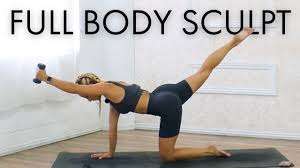
Pilates Sculpt blends the foundational principles of traditional Pilates with strength-building exercises to create a dynamic and transformative workout.
Drawing inspiration from Joseph Pilates’ original philosophy, this modern variation emphasizes precise, controlled movements, mindful breathing, and body alignment.
Unlike conventional strength training that often focuses on larger muscle groups, Pilates Sculpt targets smaller, stabilizing muscles to enhance overall strength and balance.
Utilizing body weight, resistance bands, and light dumbbells, this workout creates a low-impact yet highly effective routine suitable for individuals at any fitness level.
By emphasizing functional strength and flexibility, Pilates Sculpt supports joint health while fostering long, lean muscle development without the bulk often associated with heavier weightlifting.
The fluid transitions between movements not only improve flexibility but also engage the core consistently, contributing to better posture and improved body awareness.
Its versatility and holistic benefits make Pilates Sculpt a preferred choice for those seeking a balanced approach to fitness.
How Pilates Sculpt Enhances Flexibility?
Here is how this form of exercise enhances your flexibility:
Stretching and Lengthening Techniques:
Pilates Sculpt incorporates dynamic stretching techniques that lengthen the muscles while strengthening them.
For example, exercises like the Swan Dive stretch the spine and improve back flexibility.
The focus on controlled breathing ensures muscles are relaxed during these stretches, maximizing their range of motion.
A study published in the Journal of Sports Science & Medicine (Segal et al., 2004) found that participants practicing Pilates thrice weekly for six months exhibited significant gains in hamstring and lower back flexibility.
These results underscore Pilates Sculpt’s effectiveness in improving muscle elasticity and reducing stiffness.
Improving Joint Mobility:
Joint health is crucial for overall flexibility. Pilates Sculpt targets joints by engaging surrounding stabilizing muscles, promoting fluid movement.
Movements like the Leg Circles and Arm Reaches encourage better joint mobility, reducing stiffness and discomfort.
For instance, people recovering from injuries often use Pilates Sculpt to restore joint mobility.
By focusing on gradual, controlled movements, they regain flexibility without risking further injury.
How Pilates Sculpt Builds Lean Muscle?
LeanAndFit research staff have compiled the most basic ways how this takes shape:
Resistance Training in Pilates Sculpt:
Unlike heavy lifting, Pilates Sculpt focuses on resistance through body weight, resistance bands, or small hand weights.
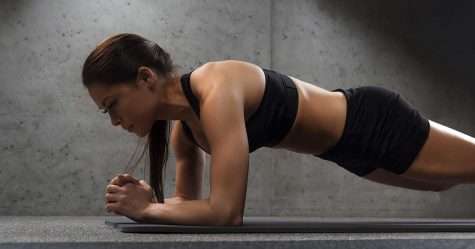
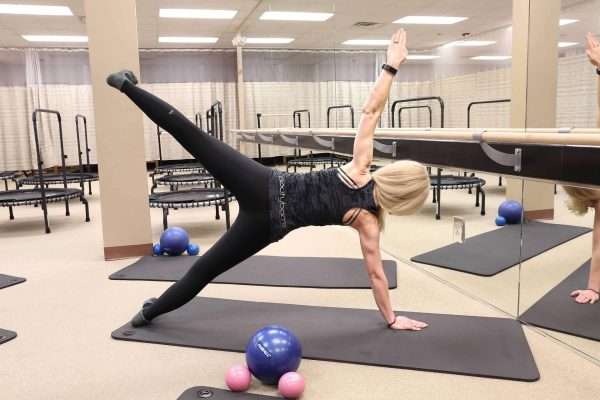
Exercises such as the Plank Shoulder Tap or the Side-Lying Leg Lift challenge the muscles, enhancing endurance and strength without adding bulk.
Research in The Journal of Strength and Conditioning Research (Rogers & Gibson, 2009) highlights how resistance training in Pilates strengthens muscles while maintaining their lean structure.
Participants in this study experienced improved muscular endurance and definition after eight weeks of consistent practice.
Core Activation and Muscle Engagement:
Pilates Sculpt’s emphasis on core engagement ensures balanced muscle development.
Exercises like the Hundred or Roll-Up target the deep abdominal muscles, improving posture and stability.
Core strength not only sculpts lean muscles but also reduces the risk of injuries by supporting the spine during physical activities.
For example, a common Pilates Sculpt sequence—planks combined with leg raises—activates the entire core, helping users tone their midsection while maintaining spinal alignment.
How Pilate Sculpt Improved Emma’s Improved Flexibility?
Emma, a 40-year-old yoga instructor, decided to incorporate Pilates Sculpt into her fitness routine to tackle persistent tightness in her hamstrings, an issue that yoga alone had not resolved.
Despite years of practice, Emma found her range of motion in forward bends and backbends limited.
The dynamic stretching techniques in Pilates Sculpt, paired with its emphasis on precise breathing and controlled movements, offered a fresh approach to flexibility training.
After just three months of consistent practice, Emma noticed a remarkable transformation.
Her forward bends became deeper and more fluid, while her backbends felt less strained and more natural.
Pilates Sculpt’s unique combination of strengthening and stretching not only enhanced Emma’s flexibility but also improved her overall body alignment and core stability.
The improvement she experienced underscored the value of blending Pilates Sculpt with her yoga routine, offering benefits she previously thought were beyond her reach.
John’s Lean Muscle Development using Pilate Sculpt
John, a 35-year-old accountant, decided to try Pilates Sculpt after years of struggling with weight gain and low energy due to a sedentary lifestyle.
He aimed to shed a few pounds and improve his muscle definition, opting for a fitness regimen that would not involve heavy weightlifting.
Over six months of consistent practice, John saw a dramatic transformation in his body composition—he lost 15 pounds and developed noticeable muscle tone in his arms, legs, and core.
Pilates Sculpt’s incorporation of resistance bands and bodyweight exercises allowed John to build lean muscle while maintaining a natural, streamlined physique rather than the bulk associated with traditional weightlifting.
The precise, controlled movements also enhanced his posture, which had been negatively impacted by hours spent at a desk.
Beyond the physical changes, John reported a significant boost in his confidence and energy levels, finding himself more productive and engaged in both his work and personal life.
Scientific Studies Supporting Pilates Sculpt’s Benefits
A quick look at what science has to say about this:
Research on Flexibility Gains:
A study published in the International Journal of Sports Medicine (2011) evaluated the impact of Pilates on flexibility.
Participants reported significant improvements in hamstring and spinal flexibility after 10 weeks of practice.
The researchers concluded that the unique stretching and strengthening aspects of Pilates contribute to its flexibility-enhancing properties.
Evidence of Muscle Strengthening:
A randomized controlled trial in Clinical Biomechanics (2018) examined the effects of Pilates-based resistance training on lean muscle mass.
Results showed increased muscle endurance and a reduction in body fat among participants.
These findings support the idea that Pilates Sculpt not only enhances flexibility but also builds lean muscle effectively.
FAQs on Pilate Sculpt for Building Muscle and Flexibility
Conclusion
Pilates Sculpt is a unique, holistic workout that seamlessly combines flexibility training with strength-building exercises such as deadlifts.
Through precise, controlled movements, resistance-based training, and mindful breathing, it offers a comprehensive approach to fitness.
Unlike traditional strength training, which often targets larger muscle groups, Pilates Sculpt emphasizes smaller stabilizing muscles, improving overall balance, posture, and core strength.
This workout’s versatility makes it suitable for various fitness goals, whether it is enhancing flexibility, improving muscle tone, or simply maintaining physical well-being.
The practical impact of Pilates Sculpt is evident in real-life examples.
For instance, Emma, a yoga enthusiast, achieved unprecedented flexibility gains, while John transformed his body composition, developing lean muscle and improving his posture.
Scientific studies also validate the benefits of Pilates-based training, highlighting improvements in muscle endurance, joint mobility, and overall functional strength.
For those seeking a sustainable, low-impact workout, Pilates Sculpt offers an effective path to achieving fitness without the risk of injury associated with high-impact activities.
By understanding the mechanics of Pilates Sculpt, individuals can unlock their full physical potential. The workout not only builds strength and flexibility but also fosters a deeper connection between the mind and body, making it a long-term solution for overall health and fitness.