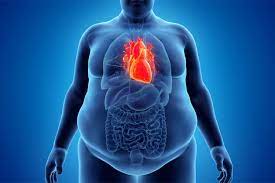
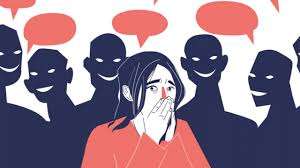
Obesity and social anxiety disorder (SAD) are intertwined conditions that create a challenging cycle, affecting both physical and mental well-being.
Obesity often intensifies social anxiety by amplifying concerns about body image, fear of judgment, and social rejection. Conversely, SAD can contribute to obesity through avoidance behaviors, emotional eating, and reduced physical activity.
This bidirectional relationship is supported by extensive research highlighting shared psychological, social, and biological mechanisms.
For instance, weight-based stigma exacerbates self-consciousness, while chronic anxiety elevates cortisol levels, promoting fat storage.
This article by LeanandFit.info examines the intricate links between these conditions, focusing on the ways obesity and SAD reinforce each other.
It provides real-life examples of individuals who have navigated this cycle and integrates scientific studies to deepen understanding.
By shedding light on this complex connection, the article aims to highlight the importance of addressing both conditions in tandem for effective management and improved quality of life.
The idea is that you understand how obesity and social anxiety disorder are interlinked.
Table of Contents
- Understanding Obesity and Social Anxiety Disorder
- The Psychological Impact of Obesity on Social Anxiety
- Role of Social Stigma in Strengthening the Link
- Biological Mechanisms: Hormones and Neurotransmitters
- Behavioral Patterns and Their Contribution to the Cycle
- Real-Life Examples of the Obesity-Social Anxiety Connection
- The FAQ Section
- Conclusion
Understanding Obesity and Social Anxiety Disorder
Here is how they work together, hand-in-hand:
Obesity: Beyond Physical Health:
Obesity, defined by a body mass index (BMI) of 30 or higher, goes beyond mere weight concerns.
It significantly affects physical health, increasing risks for cardiovascular diseases, diabetes, and joint disorders.
However, its psychological impact is equally profound, manifesting as body image dissatisfaction, low self-esteem, and social withdrawal.
These factors often exacerbate emotional distress, creating a cycle that reinforces unhealthy behaviors.
Social Anxiety Disorder: Fear of Social Evaluation:
Social anxiety disorder (SAD) is a chronic mental health condition characterized by an overwhelming fear of social situations and interactions.
This fear stems from the anticipation of embarrassment, scrutiny, or rejection.
Affecting nearly 7% of individuals annually (Stein & Stein, 2008), SAD can impair daily functioning, leading to isolation and avoidance behaviors.
Understanding how obesity and SAD influence one another is vital for addressing their overlap and managing the associated challenges effectively.
The Psychological Impact of Obesity on Social Anxiety
A quick reminder on how your mind reacts to your body image:
Obesity and the Fear of Social Judgment:
Obesity often fosters body dissatisfaction and amplifies fear of social judgment, a hallmark of social anxiety disorder (SAD).
This connection is particularly evident in individuals who feel scrutinized for their appearance.
Body Image Concerns and Social Avoidance:
Body image issues commonly drive avoidance behaviors.
For example, Lisa, a 32-year-old marketing professional, declined invitations to public events due to fear of being judged for her weight.
Studies, such as Puhl et al. (2011) in Obesity Research & Clinical Practice, highlight that individuals with obesity frequently withdraw from social settings, deepening feelings of isolation and exacerbating social anxiety symptoms.
Internalized Weight Bias:
Internalized weight bias occurs when individuals adopt societal stigmas about obesity, leading to shame and diminished self-worth.
John, a 40-year-old teacher, internalized societal prejudices about weight, which amplified his anxiety during social interactions.
This psychological toll creates a vicious cycle of social withdrawal and heightened anxiety, further linking obesity and SAD.
Role of Social Stigma in Strengthening the Link
Here is how society tends to jeopardize your normal thought process:
Social Stigma and Its Psychological Toll:
Weight-based discrimination is a pervasive issue affecting individuals with obesity across various settings, including workplaces, schools, and healthcare.
This stigma contributes significantly to the development of anxiety disorders, including social anxiety disorder (SAD).
Research published in Obesity Reviews (Puhl & Heuer, 2009) highlights that weight discrimination not only increases psychological distress but also leads to social withdrawal, reinforcing feelings of inadequacy and isolation.
Cultural Expectations and Unrealistic Beauty Standards:
Media-driven beauty standards promote unattainable body ideals, exacerbating the psychological burden for individuals with obesity.
Constant exposure to these unrealistic ideals fosters body dissatisfaction and a fear of social rejection, which are central to SAD.
For instance, a study in the Journal of Adolescent Health (Neumark-Sztainer et al., 2006) revealed that adolescents exposed to idealized body images reported higher levels of body dissatisfaction and anxiety.
This cultural pressure perpetuates the cycle of stigma, shame, and anxiety.

Biological Mechanisms: Hormones and Neurotransmitters
A quick look at how your biology determines your weight gain:
Cortisol and the Stress Response:
Chronic stress caused by social anxiety disorder (SAD) significantly elevates cortisol levels, a hormone that plays a key role in the body’s stress response.
Prolonged cortisol elevation promotes fat storage, particularly in the abdominal region, and increases appetite, creating a direct link to obesity.
Research in Psychoneuroendocrinology (Rosmond, 2005) demonstrates that high cortisol levels not only contribute to visceral fat accumulation but also impair metabolic functions, making weight management more challenging for individuals with anxiety.
Elevated cortisol also exacerbates the psychological symptoms of SAD, creating a vicious cycle of stress and weight gain.
Dysregulated Dopamine and Serotonin Pathways:
Neurotransmitter imbalances in dopamine and serotonin pathways are commonly observed in both SAD and obesity.
Reduced dopamine activity, associated with impaired reward processing, often leads to emotional eating as a coping mechanism for anxiety.
Serotonin dysregulation, linked to mood and appetite control, further intensifies cravings for high-calorie comfort foods.
A study in Neuroscience & Biobehavioral Reviews (Volkow et al., 2008) found that these neurotransmitter imbalances worsen both anxiety and obesity, highlighting their shared neurobiological underpinnings.
Behavioral Patterns and Their Contribution to the Cycle
Here is how your thought process determines your eating habits:
Emotional Eating as a Coping Mechanism:
Social anxiety disorder (SAD) often drives individuals to engage in emotional eating as a way to cope with feelings of fear, rejection, and inadequacy.
Emotional eating involves consuming high-calorie, comfort foods to alleviate negative emotions rather than hunger.
This pattern significantly contributes to weight gain over time.
Research published in Appetite (Leehr et al., 2015) demonstrates a strong correlation between emotional eating and social anxiety, with higher anxiety levels leading to increased consumption of energy-dense foods.
This behavior not only perpetuates obesity but also deepens the emotional distress associated with SAD, creating a self-reinforcing cycle.
Sedentary Lifestyle and Social Avoidance:
Individuals with SAD are less likely to participate in physical activities, often due to fear of being judged or exposed in public settings.
This avoidance leads to a sedentary lifestyle, further contributing to weight gain and compounding the physical and mental challenges of obesity.
A study in BMC Psychiatry (Vancampfort et al., 2017) highlighted that individuals with SAD engage in significantly less physical activity compared to those without anxiety disorders.
This lack of exercise exacerbates metabolic dysfunction and intensifies both the psychological and physiological burden of obesity, making recovery from either condition more difficult.
Real-Life Examples of the Obesity-Social Anxiety Connection
Here are two classic examples of this scenario that we would like to share with you:
Case Study 1: Lisa’s Journey from Isolation to Empowerment:
Lisa, a 28-year-old software engineer, found herself trapped in a cycle of weight gain and social anxiety.
After gaining significant weight due to a sedentary lifestyle and stress-induced overeating, she began avoiding team meetings and social events, fearing judgment from colleagues.
Lisa’s appearance-related anxiety escalated into full-blown social phobia, leaving her socially isolated and reliant on comfort food for emotional relief.
This only worsened her weight gain, reinforcing her fears.
Her turning point came when she sought therapy to address her anxiety and self-perception.
With a combination of cognitive-behavioral therapy (CBT) and guided self-compassion exercises, Lisa gradually regained her confidence.
She also adopted healthier eating habits and introduced light physical activity into her daily routine.
Within a year, she reported a significant improvement in her mental well-being and began participating in workplace events with renewed self-assurance.
Case Study 2: John’s Triumph Over Anxiety and Obesity:
John, a 35-year-old teacher, struggled with anxiety-driven obesity stemming from years of bullying during his school years.
Fear of being judged for his weight made him avoid physical activities and social interactions, deepening his social anxiety disorder (SAD).
His reliance on high-calorie comfort foods further exacerbated his condition, leading to rapid weight gain and compounding his fears.
John’s breakthrough came when he started a multidisciplinary program involving CBT, group therapy, and nutritional counseling.
By addressing the root of his anxiety and learning healthier coping mechanisms, John broke the cycle of emotional eating.
Over time, he embraced regular exercise in a supportive environment, lost 30 pounds, and reclaimed his self-confidence.
This holistic approach not only improved John’s physical health but also helped him rebuild his social life.
The FAQs Section:
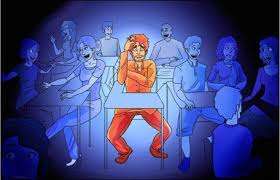
This FAQ is all about understanding the deep, often hidden connection between obesity and social anxiety disorder.
Many people experience both but don’t realize how strongly they influence each other.
Here, we explore this link in a simple, human, and relatable way so you can better understand your own experience.
Q-1: Can obesity actually trigger social anxiety, or is it the other way around?
A-1: It can go both ways. Obesity can lead to social anxiety due to fear of judgment, while social anxiety can reduce activity levels and increase emotional eating. Over time, they can feed into each other, creating a cycle that feels hard to break.
Q-2: Why do I feel nervous in social situations because of my body?
A-2: This often comes from past experiences or fear of being judged. Even small comments or looks can leave a lasting impression, making your mind anticipate similar situations again, which triggers anxiety.
Q-3: Can avoiding social situations worsen obesity over time?
A-3: Yes, avoidance can lead to a more sedentary lifestyle and emotional isolation. This may reduce physical activity and increase comfort eating, both of which can contribute to weight gain.
Q-4: Why does social anxiety make it harder to start exercising in public?
A-4: Gyms, parks, or group classes can feel like spaces where you’re being watched. This fear can be overwhelming, even if others aren’t paying attention. It’s about perceived judgment, not actual observation.
Q-5: Can emotional eating be linked to social anxiety?
A-5: Absolutely. Food can become a source of comfort when social situations feel stressful. It provides temporary relief, but over time, it can contribute to weight gain and reinforce the cycle.
Q-6: Why do I overthink how people see me when I’m outside?
A-6: Social anxiety heightens your awareness of others’ reactions. Your mind tries to interpret every glance or gesture, often assuming negative judgment, even when it may not be there.
Q-7: Can social anxiety affect my motivation to lose weight?
A-7: Yes, it can reduce motivation by making healthy actions feel stressful. Activities like joining a class, walking outside, or even shopping for healthier food can feel emotionally draining.
Q-8: Why do I feel safer staying at home even though I want to go out?
A-8: Home feels like a controlled, judgment-free environment. While it provides comfort, it can also reinforce avoidance, making it harder to face social situations over time.
Q-9: Can negative self-talk connect both obesity and social anxiety?
A-9: Yes, negative self-talk plays a big role. Thoughts like “I’m not good enough” or “people are judging me” can affect both your confidence and your behaviors, influencing eating habits and social interactions.
Q-10: Does social anxiety affect how I eat in public?
A-10: It often does. You might eat less, eat quickly, or feel uncomfortable ordering food. This can create an unhealthy relationship with eating, where meals become stressful instead of enjoyable.
Q-11: Can small positive social experiences help break this cycle?
A-11: Yes, even small interactions can make a difference. A friendly conversation or a supportive environment can slowly rebuild confidence and reduce anxiety over time.
Q-12: Why does comparison with others make things worse?
A-12: Comparing yourself to others, especially in social or online settings, can increase feelings of inadequacy. This can deepen both anxiety and dissatisfaction with your body.
Q-13: Can social support help improve both obesity and anxiety?
A-13: Definitely. Support from friends, family, or even online communities can create a sense of belonging. Feeling accepted can reduce anxiety and encourage healthier habits.
Q-14: Why do I feel judged even when people are kind to me?
A-14: When anxiety is strong, your brain can misinterpret neutral or even positive interactions as negative. It’s a protective mechanism that sometimes becomes overly sensitive.
Q-15: What’s the first small step to manage both obesity and social anxiety together?
A-15: Start with something gentle and private, like a short walk or simple home workout. Build confidence in a safe space first. As you feel stronger, gradually step into more social environments at your own pace.
Key Takeaway:
Understanding the connection between obesity and social anxiety can help you approach both with more compassion.
It is not just about physical or mental health alone—they’re deeply connected.
With small, steady steps and self-kindness, it’s possible to break the cycle and move toward a healthier, more confident life.
Conclusion
The connection between obesity and social anxiety disorder (SAD) illustrates a multifaceted cycle fueled by psychological, social, and biological dynamics.
Obesity intensifies fears of judgment and exclusion, which are core elements of SAD, while social anxiety drives behaviors such as emotional eating and avoidance of physical activity that contribute to weight gain.
These reinforcing behaviors create a loop that compounds the challenges of managing either condition independently.
For instance, individuals with SAD often turn to high-calorie comfort foods to cope with stress, leading to weight gain that further exacerbates their anxiety about appearance.
Simultaneously, biological factors such as elevated cortisol levels and dysregulated serotonin pathways worsen both obesity and anxiety.
Research, such as the study published in Appetite (Leehr et al., 2015), highlights the prevalence of emotional eating as a coping mechanism among individuals with social anxiety.
Advancements in understanding these shared pathways offer hope for comprehensive interventions.
By addressing the overlapping psychological and physiological mechanisms, healthcare providers can craft personalized treatments that not only mitigate anxiety but also promote sustainable weight management, ultimately improving the quality of life for affected individuals.
Recognizing this dual connection is crucial for achieving holistic mental and physical health outcomes.
Recommended:
- https://obesitymedicine.org/blog/obesity-and-anxiety-disorder-which-one-comes-first/
- https://leanandfit.info/how-social-stigma-triggers-anxiety-for-people-with-obesity/
- https://leanandfit.info/how-obesity-contributes-to-increased-anxiety-levels/
- https://leanandfit.info/how-body-image-issues-cause-anxiety-in-obese-individuals/
- For educational purposes only
- Why Trust LeanAndFit.info?