Most American adults have heard about low-carb diets, yet fewer understand the deeper science behind fat adaptation.
This concept goes well beyond weight loss trends and influences how efficiently the body uses fuel, especially during exercise or fasting.
With over 40 percent of American adults exploring carb-restricted eating patterns, knowing the real facts about fat adaptation helps separate common myths from legitimate benefits and guides more informed health choices.
Table of Contents
- Fat Adaptation Defined and Common Misconceptions
- How the Body Transitions to Fat Adaptation
- Key Signs and Benefits of Being Fat Adapted
- Fat Adaptation Diets and Practical Approaches
- Potential Risks and Common Mistakes to Avoid
Key Takeaways
| Point | Details |
|---|---|
| Fat Adaptation Process | Successful fat adaptation requires careful dietary planning to shift the body from using carbohydrates to burning fat for energy. |
| Individual Variability | Responses to fat adaptation are highly individual; genetics, metabolic health, and dietary composition play crucial roles. |
| Potential Risks | Abruptly cutting carbohydrates can lead to negative effects; a gradual, informed approach is essential for success. |
| Professional Guidance | Consulting with a registered dietitian or metabolic specialist is recommended to tailor the fat adaptation process to individual needs. |
Fat Adaptation Defined and Common Misconceptions
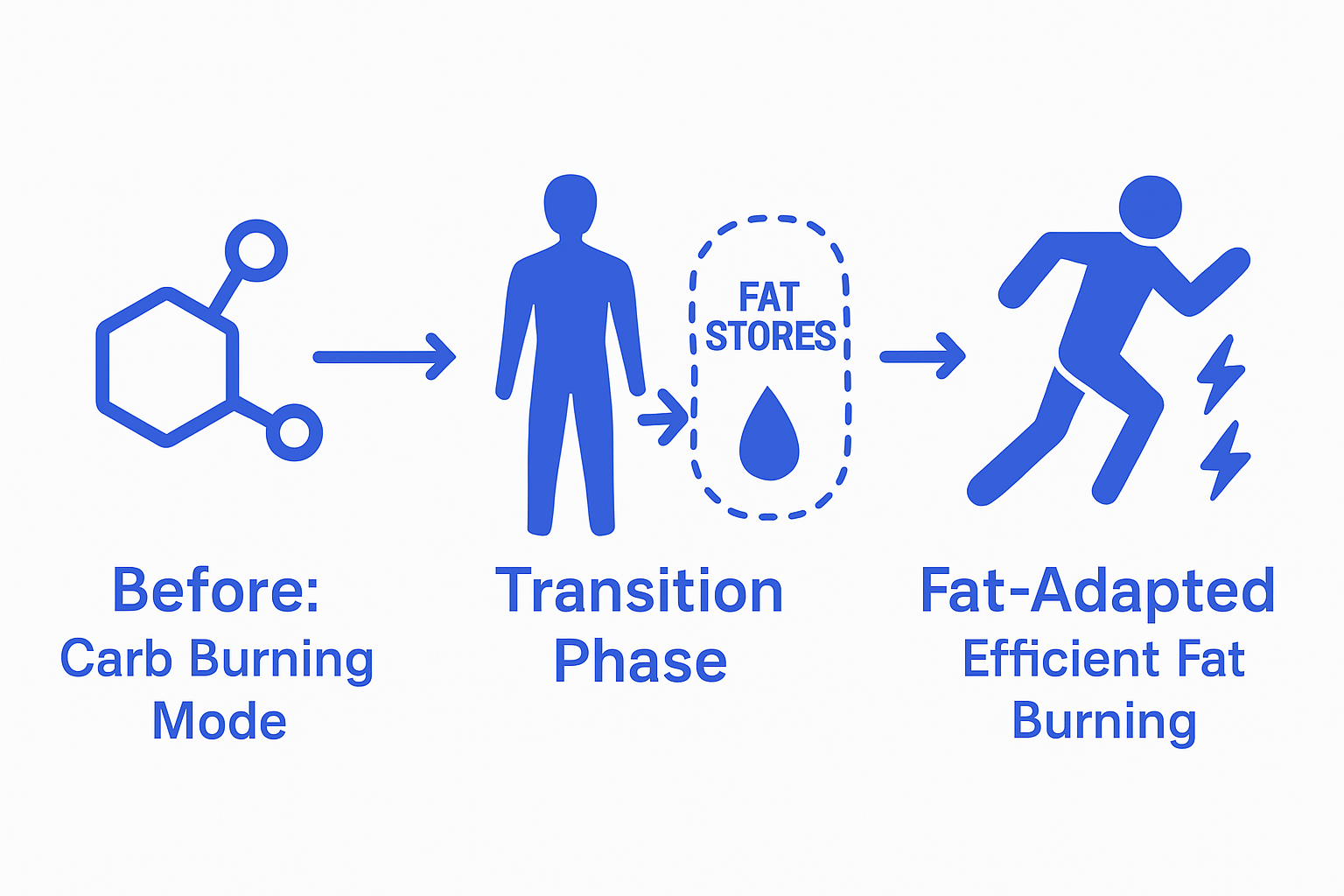
Fat adaptation represents a metabolic transformation where your body shifts from primarily using carbohydrates to burning fat as its primary energy source. When properly implemented, this process can fundamentally change how your body processes and utilizes fuel.
Research exploring low-carbohydrate dietary approaches indicates that while fat adaptation involves significant metabolic changes, its impact on performance varies.
At its core, fat adaptation occurs through strategic dietary modifications that dramatically reduce carbohydrate intake, forcing the body to become more efficient at metabolizing fat for energy.
Unlike traditional weight loss approaches that focus on caloric restriction, this method aims to reprogram your metabolic machinery. However, the process isn’t as straightforward as simply cutting carbs.
Nutrition experts caution that fat adaptation can potentially lead to decreased training performance if not carefully managed.
Common misconceptions about fat adaptation often revolve around its perceived simplicity and universal applicability. Many individuals assume that reducing carbohydrate intake automatically triggers efficient fat burning.
In reality, the process requires:
- Carefully planned macronutrient ratios
- Consistent dietary discipline
- Individual metabolic variations
- Potential short-term performance adjustments
Ultimately, successful fat adaptation demands a nuanced understanding of individual metabolic responses and a personalized approach to nutrition.
While the potential benefits include improved metabolic flexibility and sustained energy, the journey requires patience, scientific insight, and a willingness to listen to your body’s unique signals.
Pro Tip: Consult with a registered dietitian or metabolic specialist before dramatically altering your dietary approach to ensure safe and effective implementation of fat adaptation strategies.
How the Body Transitions to Fat Adaptation?
The transition to fat adaptation is a complex metabolic process that fundamentally rewires how the human body generates and utilizes energy.
Metabolic adaptations during nutritional ketosis demonstrate significant changes in fat oxidation mechanisms, revealing a sophisticated biological transformation that occurs when carbohydrate intake is dramatically reduced.

Initially, the body experiences a challenging adjustment period where glucose becomes scarce, forcing metabolic pathways to shift towards fat utilization.
This transition typically involves several key physiological changes: mitochondrial enzymes recalibrate to preferentially metabolize fatty acids, insulin sensitivity improves, and the liver begins producing ketones more efficiently.
Research on endurance performance suggests that this adaptation process can be nuanced, with short-term dietary changes potentially impacting exercise capacity before metabolic efficiency is achieved.
The fat adaptation process involves several critical stages:
- Metabolic Switching: Reducing carbohydrate intake to trigger fat metabolism
- Enzyme Recalibration: Mitochondrial adaptations for enhanced fat oxidation
- Hormonal Rebalancing: Adjusting insulin and glucagon responses
- Ketone Production: Liver begins generating alternative energy sources
Successful fat adaptation requires patience and strategic nutritional planning. While the body can transition to fat burning, individual metabolic responses vary significantly.
Factors like genetics, current metabolic health, activity levels, and overall diet composition play crucial roles in determining how efficiently and quickly someone can become fat-adapted.
Pro Tip: Monitor your body’s response during the transition, paying close attention to energy levels, cognitive function, and physical performance to ensure a smooth metabolic adaptation process.
Key Signs and Benefits of Being Fat Adapted
Recognizing when your body has successfully transitioned to fat adaptation involves understanding subtle yet significant metabolic changes.
Research examining fat adaptation in well-trained athletes reveals complex physiological shifts, indicating that becoming fat-adapted is more nuanced than simply changing dietary macronutrients.
The key signs of successful fat adaptation extend beyond mere weight loss and include several profound metabolic indicators. Your body demonstrates metabolic flexibility through improved energy stability, reduced hunger fluctuations, and enhanced mental clarity.
Physiologically, you’ll notice decreased reliance on frequent carbohydrate intake, more consistent energy levels throughout the day, and an ability to exercise for longer periods without experiencing dramatic energy crashes.
Specific benefits of being fat-adapted include:
- Metabolic Efficiency: Improved ability to utilize stored body fat as primary energy source
- Stable Energy Levels: Reduced blood sugar fluctuations
- Enhanced Insulin Sensitivity: Better hormonal regulation
- Potential Weight Management: More consistent appetite control
- Cognitive Benefits: Improved mental focus and reduced brain fog
Athletes and fitness enthusiasts should approach fat adaptation as a highly personalized journey, recognizing that metabolic changes occur gradually and require consistent nutritional strategies and patience.
Pro Tip: Track your progress through objective measurements like body composition, energy levels, and performance metrics to understand your unique metabolic transition.
Fat Adaptation Diets and Practical Approaches
Fat adaptation diets require strategic nutritional planning that goes far beyond simple calorie restriction.
Research examining low-carbohydrate, high-fat dietary approaches reveals complex interactions between nutrition and metabolic performance, demonstrating that successful implementation demands more than arbitrary macronutrient adjustments.
The most effective fat adaptation diets typically follow a structured approach centered on dramatically reducing carbohydrate intake while simultaneously increasing healthy fat consumption.
This means transitioning from traditional high-carbohydrate meal plans to nutrient-dense options that prioritize quality proteins, beneficial fats, and low-glycemic vegetables.
Practical implementation involves carefully selecting food sources that support metabolic flexibility, such as avocados, olive oil, fatty fish, nuts, seeds, and moderate protein selections like chicken, turkey, and grass-fed beef.
Key components of a successful fat adaptation diet include:
- Macronutrient Ratios: Typically 70-75% fat, 20-25% protein, 5-10% carbohydrates
- Food Quality: Emphasizing whole, unprocessed ingredients
- Meal Timing: Implementing strategic eating windows
- Hydration: Maintaining consistent water intake
- Electrolyte Balance: Supplementing minerals during transition
Long-term dietary adaptation studies indicate that performance outcomes can vary significantly between individuals, suggesting that personalization is crucial.
Successful fat adaptation requires continuous monitoring, willingness to adjust nutritional strategies, and understanding that metabolic transformation is a gradual process demanding patience and consistent effort.
Pro Tip: Consult with a registered dietitian or nutritional specialist to develop a personalized fat adaptation approach tailored to your specific metabolic profile and health objectives.
Potential Risks and Common Mistakes to Avoid
Fat adaptation is not a one-size-fits-all solution, and understanding potential pitfalls is crucial for successful implementation.
Nutrition experts warn that becoming fat-adapted involves complex metabolic challenges that can negatively impact performance, highlighting the importance of strategic and informed approach.
One of the most significant risks involves misunderstanding the nuanced transition process. Many individuals make the critical error of abruptly cutting carbohydrates without proper planning, which can lead to significant metabolic disruption.
This sudden dietary shift can cause several physiological challenges, including decreased energy levels, impaired exercise performance, potential nutrient deficiencies, and hormonal imbalances.
Proper fat adaptation requires gradual metabolic recalibration, not an extreme dietary overhaul.
Common mistakes that can derail fat adaptation include:
- Insufficient Nutrient Diversity: Relying too heavily on limited food sources
- Electrolyte Imbalance: Neglecting mineral supplementation during transition
- Overconsuming Poor-Quality Fats: Choosing processed or inflammatory fat sources
- Ignoring Individual Metabolic Differences: Applying generic approaches
- Unrealistic Performance Expectations: Misunderstanding how dietary changes impact exercise capabilities
Successful fat adaptation demands a personalized, patient approach that respects individual metabolic complexity. While the potential benefits are significant, rushing the process or applying rigid, universal strategies can lead to counterproductive outcomes.
Continuous monitoring, professional guidance, and a willingness to adjust your approach are essential for navigating this metabolic transformation effectively.
Pro Tip: Work with a registered dietitian or metabolic specialist who can provide personalized guidance and help you navigate the nuanced journey of fat adaptation.
Embrace Fat Adaptation for Lasting Weight Loss Success
Struggling with the challenges of transitioning your body to burn fat efficiently can feel overwhelming. This article highlights common obstacles like managing macronutrient ratios and overcoming short-term performance dips while aiming for metabolic flexibility.
If you want to conquer these hurdles with a natural, sustainable approach consider exploring strategies that support fat adaptation such as Intermittent Fasting – LeanAndFit and Gut Modulation – LeanAndFit.
These lifestyle-based methods can enhance your metabolic health and complement your fat adaptation journey.

Take control of your weight loss goals now by visiting LeanAndFit.info for trusted resources on fat adaptation and holistic health improvements. Discover effective dietary plans and expert insights to guide you patiently through metabolic transformation.
Start your personalized journey today and unlock the benefits of sustainable fat burning with confidence.
Frequently Asked Questions
Q-1: What is fat adaptation?
A-1: Fat adaptation is a metabolic process where the body shifts from using carbohydrates as its primary energy source to utilizing fats, leading to improved energy stability and metabolic flexibility.
Q-2: How can I achieve fat adaptation?
A-2: To achieve fat adaptation, significant dietary changes are needed, such as dramatically reducing carbohydrate intake, increasing healthy fats, and maintaining consistent macronutrient ratios.
Q-3: What are the benefits of being fat-adapted?
A-3: Being fat-adapted can lead to improved metabolic efficiency, stable energy levels, enhanced insulin sensitivity, better appetite control, and cognitive benefits like improved mental focus.
Q-4: What are common mistakes to avoid when trying to become fat-adapted?
A-4: Common mistakes include abruptly cutting carbohydrates without preparation, neglecting nutrient diversity, overconsuming poor-quality fats, and not considering individual metabolic differences.
Recommended
- Top Healthy Weight Loss Tips for Lasting Results – LeanAndFit
- Understanding Fat Loss: The Science Behind Shedding Pounds – LeanAndFit
- What Is a Healthy Weight Loss Rate? Facts You Need – LeanAndFit
- Understanding Building Muscle for Fat Loss – LeanAndFit
- Beard Hair Loss: Causes, Tracking, and Solutions 2025 | MyHair
- Why Trust LeanAndFit.info?
- For educational purposes only