Nearly 80 percent of American adults trying to lose weight end up making common diet mistakes that slow their progress and sabotage results.
These missteps go well beyond occasional indulgences and quietly disrupt even the best intentions.
Understanding where so many American individuals slip up can help you avoid the same traps, make smarter choices every day, and finally see the healthy changes you want.
Table of Contents
- What Are Common Diet Mistakes?
- Types of Dieting Errors People Make
- How Diet Mistakes Stall Weight Loss
- Consequences of Poor Dietary Choices
- Strategies to Overcome Diet Pitfalls
Key Takeaways
| Point | Details |
|---|---|
| Restrictive Dieting | Overly restrictive eating patterns can slow metabolism and lead to nutrient deficiencies. Sustainable weight loss requires balanced nutrition. |
| Beverage Awareness | Liquid calories from sugary drinks can significantly derail weight loss efforts, often unnoticed. Opt for water or unsweetened beverages to mitigate this issue. |
| Portion Control | Misunderstanding portion sizes often results in unintended calorie overconsumption. Using smaller dishes and measuring food can help manage intake more effectively. |
| Holistic Approach | A comprehensive and personalized strategy that considers individual metabolic needs is crucial for long-term weight management success. |
What Are Common Diet Mistakes?
Weight loss journeys often get derailed by seemingly innocent dietary choices that can significantly impact progress. Understanding common diet mistakes is crucial for developing sustainable nutrition strategies that support long-term health and weight management.
One of the most prevalent diet mistakes is adopting overly restrictive eating patterns. Many individuals mistakenly believe that extreme calorie reduction or eliminating entire food groups will accelerate weight loss. In reality, these approaches often backfire, leading to metabolic slowdown, nutrient deficiencies, and eventual binge eating.
The body interprets severe food restriction as potential starvation, triggering survival mechanisms that actually preserve fat storage.
Another critical error is keeping unhealthy foods readily accessible. Research indicates that proximity and convenience dramatically influence dietary choices. When high-calorie, processed snacks occupy prime real estate in your kitchen, willpower becomes significantly compromised.
Nutrition myths further complicate dietary decision-making, with many people incorrectly assuming that certain foods are inherently healthy.
Additionally, common diet mistakes include:
- Neglecting portion control
- Drinking calories through sugary beverages
- Skipping meals to “save” calories
- Misunderstanding nutrition labels
- Emotional eating triggered by stress or boredom
Successful weight loss requires a holistic approach that focuses on sustainable lifestyle changes rather than quick fixes or extreme measures. Understanding these common pitfalls can help you develop a more balanced and effective nutrition strategy.
Types of Dieting Errors People Make
Dieting mistakes can sabotage even the most well-intentioned weight loss efforts. Common weight loss pitfalls reveal significant challenges that many individuals encounter during their nutrition and fitness journeys.
One critical error is misunderstanding portion control. Many people underestimate the calories they consume, believing they are eating less than they actually are. This miscalculation can stem from several factors, including larger plate sizes, emotional eating, and lack of nutritional education.
Dieting mistakes often originate from overestimating physical activity while simultaneously consuming more calories than expended.

Another prevalent dieting error involves beverage consumption. Sugary drinks, seemingly innocuous, can significantly derail weight loss progress. Many individuals fail to account for liquid calories, which can add hundreds of unexpected calories daily.
These hidden calories from sodas, fancy coffee drinks, and sweetened teas can quickly negate workout efforts and calorie-reduction strategies.
Additional dieting errors include:
- Skipping meals to “save” calories
- Relying on low-fat or diet products
- Emotional eating triggered by stress
- Inconsistent meal timing
- Not tracking actual food intake
Successful weight management requires a comprehensive approach that goes beyond simple calorie counting. Understanding these common mistakes can help individuals develop more effective, sustainable nutrition strategies that support long-term health and weight loss goals.
How Diet Mistakes Stall Weight Loss?
Weight loss is a complex journey fraught with potential metabolic roadblocks that can dramatically slow progress. Understanding reasons for slow weight loss reveals the intricate ways dietary mistakes can undermine carefully planned fitness strategies.
Metabolic adaptation represents a critical mechanism through which diet mistakes interrupt weight loss. When individuals dramatically reduce calorie intake or engage in inconsistent eating patterns, the body responds by slowing metabolic rate. This survival mechanism essentially puts the body into a conservation mode, making weight loss increasingly difficult.
Hormonal changes triggered by restrictive diets can cause muscle breakdown, further reducing metabolic efficiency and making each subsequent weight loss attempt more challenging.
Hormonal disruption is another significant way diet mistakes impede progress. Chronic stress from extreme dietary restrictions increases cortisol production, a hormone directly linked to fat storage, particularly around the abdomen.
Consistently elevated cortisol levels can create a physiological environment that actively resists weight loss, transforming well-intentioned diet efforts into counterproductive metabolic challenges.
Key ways diet mistakes stall weight loss include:
- Inconsistent calorie consumption
- Extreme macronutrient restrictions
- Inadequate protein intake
- Poor sleep and stress management
- Ignoring individual metabolic differences
Successful weight loss requires a nuanced, personalized approach that respects individual metabolic complexity. By understanding how dietary choices interact with bodily systems, individuals can develop more effective, sustainable strategies that support long-term health and weight management goals.
Consequences of Poor Dietary Choices
Poor dietary choices create a cascading effect of health complications that extend far beyond simple weight management challenges. Dietary mistakes can sabotage healthy eating patterns in ways most people rarely comprehend, impacting both physical and metabolic health.
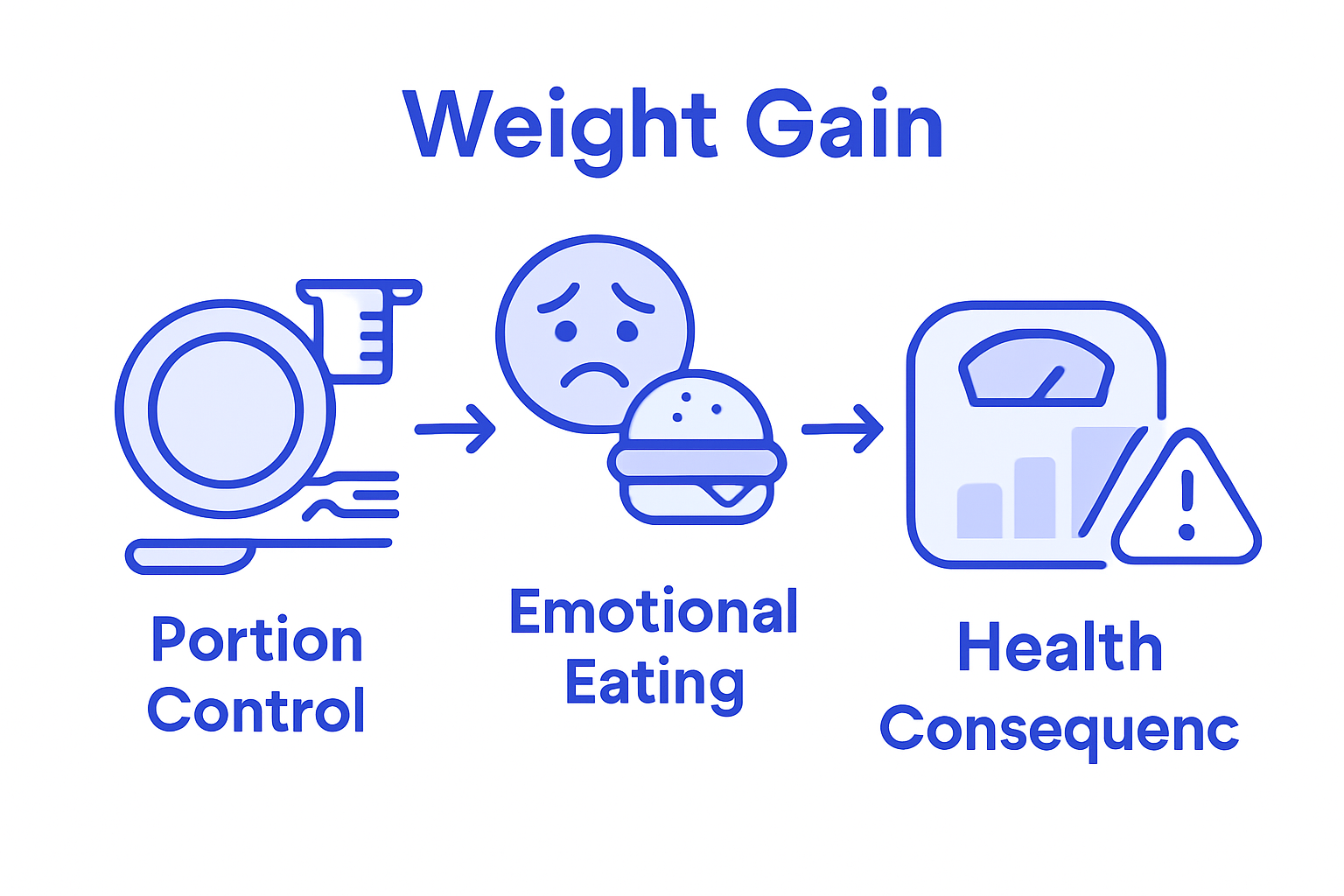
Nutrient deficiencies represent one of the most significant long-term consequences of misguided dietary strategies. When individuals eliminate entire food groups or adopt extreme restrictive eating patterns, they inadvertently compromise their body’s nutritional foundation. This can lead to profound metabolic disruptions, weakened immune function, and decreased energy levels.
The body requires a balanced intake of macronutrients and micronutrients to maintain optimal performance, and radical dietary approaches often strip away essential nutritional components.
Hormonal imbalances emerge as another critical consequence of poor nutritional choices.
Consistently consuming processed foods, excessive sugars, and unbalanced macronutrient ratios can trigger insulin resistance, disrupt cortisol levels, and create inflammatory responses throughout the body. Nutrition myths often perpetuate misconceptions that further complicate dietary decision-making, leading individuals down potentially harmful nutritional paths.
Significant consequences of poor dietary choices include:
- Metabolic syndrome development
- Compromised immune system function
- Increased inflammation markers
- Hormonal disruption
- Accelerated cellular aging
- Reduced cognitive performance
Ultimately, sustainable health requires a holistic approach that prioritizes nutritional quality, individual metabolic needs, and long-term wellness over quick-fix dietary strategies.
Understanding the profound implications of dietary choices empowers individuals to make more informed, health-conscious decisions.
Strategies to Overcome Diet Pitfalls
Successful weight management requires a strategic approach that anticipates and neutralizes common dietary obstacles. Weight loss strategies demand thoughtful planning and consistent execution to transform potential setbacks into opportunities for metabolic optimization.
Precise portion control emerges as a fundamental strategy for overcoming diet pitfalls. Many individuals unconsciously consume significantly more calories than intended, often due to distorted perceptions of serving sizes. Implementing practical techniques like using smaller plates, measuring food portions, and practicing mindful eating can dramatically reduce unintentional calorie overconsumption.
By creating visual and physical boundaries around food intake, individuals can develop a more intuitive understanding of appropriate nutritional volumes.
Hydration and beverage management represent another critical strategic approach. Dieting mistake prevention involves recognizing liquid calories as a significant potential derailment point.
Sugary drinks, elaborate coffee concoctions, and alcohol can silently introduce hundreds of unexpected calories, undermining carefully planned dietary efforts. Replacing these beverages with water, unsweetened tea, or zero-calorie alternatives creates a simple yet powerful dietary intervention.
Key strategies for overcoming diet pitfalls include:
- Implementing structured meal planning
- Developing consistent eating schedules
- Practicing portion control techniques
- Managing stress through nutrition
- Creating accountability systems
- Understanding individual metabolic responses
Ultimately, successful dietary transformation requires a personalized, holistic approach that respects individual metabolic uniqueness while providing structured, adaptable strategies for sustained nutritional wellness.
Avoid Common Diet Mistakes to Boost Your Weight Loss Success
Struggling with setbacks like inconsistent portion control, emotional eating, or hidden calories that stall your weight loss?
These challenges highlighted in the article show how small diet mistakes can crush your progress and frustrate your goals.
Understanding how to practice mindful nutrition and structured meal planning is key to creating a sustainable path forward.

Discover practical strategies and expert guidance at LeanAndFit designed to help you overcome diet pitfalls.
Explore our Meal Planning – LeanAndFit section for simple, customizable plans that fit your lifestyle. For techniques that foster awareness and control over what and how you eat, visit our Conscious Eating – LeanAndFit category.
Prepare to reclaim control over your weight loss journey today with proven methods that respect your unique metabolic needs. Start transforming your habits now by visiting LeanAndFit.
Frequently Asked Questions:
Here are the most commmon dietry mistales that keep you away from achieving your fitness goals:
Q-1: What are the common diet mistakes that slow down weight loss progress?
A-1: Common mistakes include inconsistent calorie tracking, low protein intake, and extreme dieting. Surveys show that nearly 45% of Americans attempting weight loss struggle with consistency, which directly impacts results. Skipping meals, underestimating portion sizes, and relying on processed “diet foods” can also slow progress. Sustainable habits are key, as erratic dieting often leads to metabolic slowdown and poor adherence.
Q-2: Why can eating too little stop weight loss and affect metabolism?
A-2: Eating too little can trigger metabolic adaptation, where the body conserves energy by reducing calorie burn. Studies indicate that severe calorie restriction can lower metabolic rate by up to 15%, making weight loss more difficult over time. This survival mechanism slows fat burning and may also lead to muscle loss, further reducing overall energy expenditure.
Q-3: What mistakes do people make when trying to lose weight with fast diets?
A-3: Rapid weight loss diets often involve cutting entire food groups or drastically reducing calories. Around 30% of dieters regain lost weight within one year, largely due to unsustainable practices. These diets can lead to nutrient deficiencies, fatigue, and hormonal imbalances, making long-term success unlikely.
Q-4: How does skipping meals affect weight loss results and metabolism?
A-4: Skipping meals can lead to overeating later in the day and disrupt metabolic balance. Research shows that irregular eating patterns are associated with up to a 20% increase in calorie intake during subsequent meals. This behavior can spike blood sugar levels and reduce fat-burning efficiency, ultimately hindering weight loss.
Q-5: What diet mistakes lead to weight loss plateaus and fat gain?
A-5: Plateaus often occur due to repeated eating patterns, lack of calorie adjustments, and insufficient physical activity. Studies suggest that as body weight decreases, calorie needs drop by about 10% to 15%, requiring adjustments in diet. Failing to adapt can stall progress and, in some cases, lead to gradual fat gain.
Q-6: Why does not eating enough protein affect weight loss success?
A-6: Protein is essential for preserving muscle mass and boosting metabolism. Diets low in protein can reduce calorie burn and increase hunger. Research shows that increasing protein intake can boost metabolism by up to 10%, while also reducing appetite by approximately 15% to 20%. Without adequate protein, weight loss efforts often become less effective.
Q-7: What hidden calorie mistakes can ruin weight loss efforts daily?
A-7: Hidden calories often come from beverages, sauces, and snacks. Studies reveal that people underestimate their daily calorie intake by about 20% to 30%. Sugary drinks alone can add hundreds of extra calories per day, significantly impacting weight loss progress. Being mindful of these hidden sources is crucial for success.
Q-8: How do poor diet choices impact metabolism and fat burning?
A-8: Diets high in processed foods and low in nutrients can impair metabolic function. High sugar intake, for example, is linked to increased fat storage and reduced insulin sensitivity. Data shows that individuals consuming ultra-processed foods may eat up to 500 more calories per day, leading to weight gain and reduced fat-burning efficiency.
Q-9: What mistakes in calorie counting prevent weight loss success?
A-9: Common calorie-counting errors include inaccurate portion measurement and ignoring cooking oils or condiments. Research indicates that even small miscalculations can lead to a 10% to 25% error in daily calorie tracking. Over time, this discrepancy can completely offset a calorie deficit, preventing weight loss.
Q-10: Why do fad diets fail for long-term weight loss results?
A-10: Fad diets often promise quick results but lack sustainability. Around 80% of people who lose weight through restrictive diets regain it within five years. These diets typically fail because they do not promote long-term behavioral changes. Instead, balanced nutrition and consistent habits are more effective for lasting weight loss success.
Recommended:
- Understanding Common Weight Loss Mistakes – LeanAndFit
- Why Diets Fail: Complete Guide to Lasting Success – LeanAndFit
- 7 Key Reasons for Slow Weight Loss and How to Overcome Them – LeanAndFit
- 7 Common Weight Loss Myths Debunked for Lasting Results – LeanAndFit
- Hair Loss Diet: Foods and Tips for Stronger Hair in 2025 | MyHair
- Why Trust LeanAndFit.info?
- For educational purposes only