Most American adults underestimate just how much their evening drink can impact their waistline.
With some alcoholic beverages packing up to 300 calories per serving, even occasional drinks can quietly add to weight gain.
Understanding the direct link between alcohol, metabolism, and cravings matters for anyone focused on health.
In this guide, discover the science behind alcohol’s effects on the body and practical strategies for managing intake while balancing your American lifestyle.
Table of Contents
- Alcohol and Weight Gain Basics Explained
- Types of Alcohol and Calorie Differences
- How Alcohol Disrupts Metabolism
- Alcohol’s Role in Cravings and Overeating
- Strategies to Reduce Alcohol-Related Weight Gain
Key Takeaways
| Point | Details |
|---|---|
| Alcohol Affects Metabolism | Alcohol prioritizes metabolism over fat burning, which can lead to weight gain. |
| Varied Caloric Content | Different alcoholic beverages have significantly different calorie counts that can impact weight management. |
| Hormonal Disruption | Alcohol consumption can lower testosterone and disrupt insulin sensitivity, promoting fat storage. |
| Mindful Drinking Strategies | Implementing strategies such as choosing low-calorie drinks and tracking intake can help maintain a healthy weight. |
Alcohol and Weight Gain Basics Explained
Alcohol consumption directly impacts weight management through multiple complex physiological mechanisms. Understanding how different alcoholic beverages contribute to caloric intake is crucial for maintaining a healthy weight.
Research indicates that standard alcoholic drinks vary dramatically in calorie content, with wine averaging around 120 calories and high-alcohol beers reaching up to 300 calories per serving.
The metabolic disruption caused by alcohol consumption goes far beyond simple calorie counting. When you consume alcohol, your body prioritizes metabolizing these calories over burning fat, effectively halting your natural fat-burning processes.
Alcoholic drinks also stimulate appetite and reduce inhibitions, leading many individuals to consume additional high-calorie foods during or after drinking. This double impact makes alcohol particularly challenging for weight management strategies.
Beyond direct caloric content, alcohol influences hormonal balance and metabolic rate. Chronic alcohol consumption can decrease testosterone levels in men and disrupt insulin sensitivity, both of which contribute to increased fat storage.
The empty calories in alcohol provide minimal nutritional value while simultaneously slowing down your metabolism, creating a perfect storm for potential weight gain.
Pro Tip: Track Your Drink Calories: Start recording the specific calorie content of your alcoholic beverages using a nutrition tracking app to become more aware of your liquid calorie intake and make more informed drinking choices.
Alcohol and Weight Loss: Complete Evidence-Based Guide provides additional insights into managing alcohol consumption while maintaining a healthy weight.
Types of Alcohol and Calorie Differences
Alcoholic beverages present a diverse landscape of caloric content, with significant variations across different types and serving sizes.
According to the World Cancer Research Fund, a standard 12-ounce regular beer contains approximately 145 calories, while a 5-ounce glass of wine averages around 125 calories.
These differences can substantially impact weight management strategies for individuals monitoring their caloric intake.
Breakdown of typical alcoholic beverage calorie ranges reveals important distinctions. Light beers offer a lower-calorie alternative, with about 105 calories per 12-ounce serving, compared to regular beers.
Spirits like vodka, whiskey, and gin typically contain around 97 calories per 1.5-ounce shot, but mixers can dramatically increase the total caloric content.
Wine varieties also show variation, with red wines typically having slightly more calories than white wines due to higher alcohol content and residual sugar.
Here’s a quick comparison of common alcoholic beverages and their typical calorie content per serving:
| Beverage Type | Standard Serving Size | Average Calories | Key Consideration |
|---|---|---|---|
| Light Beer | 12 oz (355 ml) | 105 | Lowest beer calories |
| Regular Beer | 12 oz (355 ml) | 145 | Standard option |
| High-Alcohol Beer | 12 oz (355 ml) | Up to 300 | Highest beer calories |
| Red Wine | 5 oz (148 ml) | 125–130 | Higher sugar, more calories |
| White Wine | 5 oz (148 ml) | 120–125 | Slightly fewer calories |
| Spirits (Vodka/Gin/Whiskey) | 1.5 oz (44 ml) | 97 | Low alone, higher in cocktails |
| Sweetened Cocktails | 6–8 oz (177–237 ml) | 200–400 | Often contain added sugars |
The caloric density of alcoholic drinks extends beyond simple measurement.
Alcohol metabolism disrupts normal metabolic processes, causing the body to prioritize burning alcohol calories over fat. This means that not only are you consuming additional calories, but your body’s natural fat-burning mechanisms are temporarily suspended.
Higher alcohol percentage drinks like craft beers, cocktails, and fortified wines can contain even more calories, sometimes reaching 300 calories or more per serving.
Pro Tip: Calorie-Smart Drinking: Choose lower-alcohol beverages like light beer or spirits with zero-calorie mixers, and practice portion control to minimize unexpected caloric intake.
Complete Guide to Calories: Science, Use, and Myths can help you better understand the nutritional complexities of your dietary choices.
How Alcohol Disrupts Metabolism?
Alcohol consumption significantly disrupts metabolic processes in ways that extend far beyond simple calorie intake.
When alcohol enters your system, it immediately becomes the body’s primary metabolic priority, essentially halting the normal fat-burning mechanisms.
This metabolic hijacking means that while your body is busy processing alcohol, fat metabolism comes to a near-complete standstill, creating an environment that promotes weight gain and metabolic inefficiency.
The liver plays a critical role in this metabolic disruption. Normally responsible for fat metabolism and storage regulation, the liver becomes overwhelmed when processing alcohol.
Excessive alcohol intake impairs the liver’s ability to metabolize fats and carbohydrates effectively, leading to increased fat storage, particularly in the abdominal region.
This visceral fat accumulation is especially dangerous, as it is associated with increased risks of metabolic syndrome, insulin resistance, and cardiovascular complications.

Hormonal disruption compounds the metabolic challenges caused by alcohol consumption. Alcohol interferes with key metabolic hormones, including insulin and glucagon, which regulate blood sugar and energy storage.
This interference can lead to decreased insulin sensitivity, making it more difficult for your body to process glucose efficiently.
Additionally, alcohol stimulates appetite and reduces inhibitions, often leading to increased food consumption and poor dietary choices, further exacerbating metabolic dysfunction.
Summary of how alcohol affects metabolism and weight management:
| Mechanism | Effect on Body | Weight Gain Contribution |
|---|---|---|
| Metabolic Disruption | Halts fat burning | Promotes fat accumulation |
| Hormonal Impact | Lowers testosterone, alters insulin | Increases fat storage, hunger |
| Appetite Stimulation | Raises galanin and ghrelin | Drives cravings for high-calorie food |
| Impaired Judgment | Reduces self-control | Leads to overeating |
Pro Tip: Metabolic Reset Strategy: Implement alcohol-free days in your weekly routine to allow your metabolism to reset and function more efficiently, helping to counteract the disruptive effects of occasional drinking.
How Obesity Leads to Metabolic Dysregulation provides deeper insights into the complex relationship between metabolic processes and body composition.
Alcohol’s Role in Cravings and Overeating
Alcohol consumption significantly impairs judgment and decision-making skills, creating a perfect storm for uncontrolled eating and increased caloric intake.
The neurological impact of alcohol reduces inhibitions and weakens self-control mechanisms, making individuals more likely to make impulsive food choices they would typically avoid when sober.
This phenomenon transforms a casual drinking session into a potential nutritional disaster, where rational eating patterns completely unravel.
The biochemical response to alcohol further intensifies food cravings through complex hormonal interactions. Alcohol triggers the release of galanin, a neuropeptide that dramatically increases appetite and specifically stimulates cravings for fatty and high-calorie foods.
Additionally, alcohol disrupts leptin and ghrelin, the primary hormones responsible for regulating hunger and satiety. This hormonal chaos means that not only do you consume more calories from alcohol, but you’re simultaneously more likely to overeat high-calorie, nutrient-poor foods.
Binge drinking presents an especially dangerous scenario for uncontrolled eating. The combination of reduced inhibitions, increased appetite, and impaired decision-making creates a neurological environment where individuals are most vulnerable to consuming excessive calories.
Research indicates that people consuming alcohol are more likely to consume an additional 30% more calories through food compared to their typical eating patterns. The late-night pizza, greasy fast food, or impromptu snack binge becomes almost inevitable when alcohol clouds judgment.
Pro Tip: Mindful Drinking Strategy: Eat a protein-rich meal before drinking and alternate alcoholic drinks with water to maintain better food control and reduce impulsive eating.
Understanding Emotional Eating Triggers provides deeper insights into how psychological factors influence dietary choices.
Strategies to Reduce Alcohol-Related Weight Gain
Developing healthy alcohol consumption habits early in adulthood can significantly mitigate weight gain risks, requiring a strategic and mindful approach to drinking.
Understanding the nutritional impact of different alcoholic beverages and implementing targeted consumption strategies can help individuals maintain their weight while still enjoying occasional social drinks. The key is not complete elimination, but rather intelligent moderation and informed choices.
Opting for lower-calorie alcoholic beverages is an essential strategy in managing alcohol-related weight gain. Low-calorie alternatives like light beer, dry wine, and spirits mixed with zero-calorie mixers can dramatically reduce overall caloric intake.
For instance, switching from a standard beer to a light beer can save approximately 40 calories per serving, while choosing a vodka soda instead of a sugary cocktail can cut calorie consumption by up to 200 calories.
These small modifications accumulate significantly over time, creating a meaningful difference in weight management efforts.
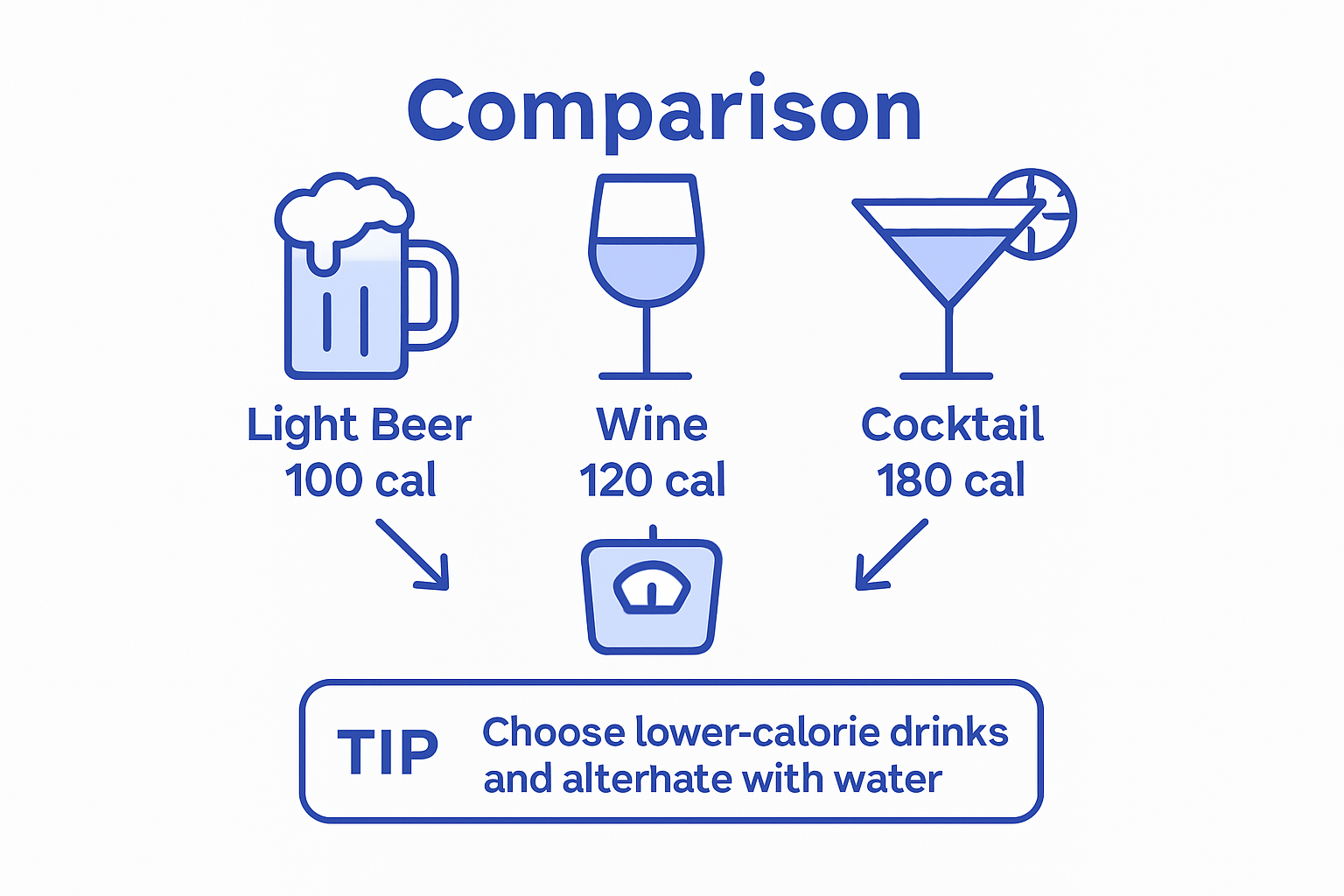
Beyond beverage selection, implementing structured drinking habits can further support weight control objectives.
Establishing clear boundaries such as limiting alcohol consumption to specific days, setting a maximum drink limit per occasion, and practicing mindful drinking techniques can help prevent excessive calorie intake.
Additionally, combining alcohol consumption with balanced nutrition strategies – like eating a protein-rich meal before drinking and staying hydrated – can help mitigate the metabolic disruptions typically associated with alcohol consumption.
The goal is creating a sustainable approach that allows occasional enjoyment without compromising long-term health and fitness goals.
Pro Tip: Drink Tracking Method: Use a smartphone app to log your alcoholic beverages and their caloric content, creating awareness and helping you make more informed drinking decisions.
Healthy Holiday Eating Tips for Weight Loss Success offers additional guidance on maintaining nutritional balance during challenging eating environments.
Take Control of Alcohol-Related Weight Challenges Today
Struggling with weight gain linked to alcohol consumption is more common than you think.
This article highlights how alcohol disrupts metabolism, triggers cravings, and adds hidden calories that stall fat burning and promote unwanted weight gain.
If you have experienced the frustration of feeling stuck despite your efforts, understanding these underlying causes is your first step toward lasting change.
Alcohol’s impact on liver function and metabolism can also increase risks connected to Liver Damage – LeanAndFit and Body Inflammation – LeanAndFit, making informed decisions even more critical.
Start your journey to smarter drinking habits and weight management by exploring personalized strategies and expert guidance at leanandfit.info.
Take advantage of actionable tips like mindful drinking, calorie tracking, and metabolic reset days to regain control.
Don’t wait for these hidden factors to undermine your health and goals. Visit now to empower yourself with the tools and knowledge needed to overcome alcohol-related weight challenges.
Frequently Asked Questions
Q-1: How does alcohol consumption lead to weight gain?
A-1: Alcohol consumption can lead to weight gain by providing empty calories that contribute to your total caloric intake, disrupting metabolic processes, and increasing appetite, often resulting in overeating.
Q-2: What types of alcoholic beverages are lowest in calories?
A-2: Light beers, spirits like vodka or gin (when served neat), and dry wines generally have fewer calories compared to regular beers and sweetened cocktails. For example, light beers typically contain about 105 calories per 12-ounce serving.
Q-3: How does alcohol affect metabolism and fat burning?
A-3: Alcohol prioritizes its metabolism over fat burning, halting the body’s natural fat-burning processes. This disruption can lead to increased fat storage and metabolic inefficiency, particularly in the liver and hormonal balance.
Q-4: What strategies can I use to reduce weight gain from alcohol?
A-4: To reduce weight gain from alcohol, consider choosing lower-calorie beverages, setting drink limits, practicing mindful drinking, and pairing alcohol with healthy meals to control appetite and caloric intake.
Recommended
- Alcohol and Weight Loss: Complete Evidence-Based Guide – LeanAndFit
- Causes of Weight Gain – What Really Drives It – LeanAndFit
- Hormones That Affect Weight: Complete Guide – LeanAndFit
- Role of Antidepressants in Weight Gain and Obesity – LeanAndFit
- Why Trust LeanAndFit.info?
- For educational purposes only