Most American adults will experience weight gain at some point, yet over 60 percent misunderstand the true causes behind it.
The idea that weight gain is just about willpower or overeating hides a much more complex reality shaped by biology, genetics, and daily life.
Exploring the facts behind common myths and understanding these real influences can help American readers make smarter, healthier choices that truly support long-term well-being.
Table of Contents
- Defining Weight Gain And Common Myths
- Biological And Genetic Influences On Weight
- Lifestyle Factors: Diet, Activity, And Sleep
- Medical Conditions And Medication Side Effects
- Emotional, Environmental, And Social Triggers
- Preventing Weight Gain: Effective Strategies
Key Takeaways
| Point | Details |
|---|---|
| Weight Gain Is Complex | Understanding weight gain involves recognizing the intricate interactions of genetics, hormones, environment, and lifestyle factors. It’s not solely about calories in versus calories out. |
| Genetic Influences Matter | Genetic predispositions significantly affect metabolic processes and individual responses to diet and exercise, making personalized strategies crucial. |
| Emotional and Environmental Factors | Emotional eating and environmental triggers play major roles in weight management, necessitating a compassionate approach that addresses psychological and social contexts. |
| Holistic Prevention Strategies | Sustainable weight management requires comprehensive strategies like mindful eating, regular physical activity, and stress management rather than restrictive diets. |
Defining Weight Gain and Common Myths
Weight gain is a complex biological process involving multiple physiological mechanisms that extend far beyond the simplistic “calories in, calories out” perspective.
At its core, weight gain occurs when an individual consistently consumes more energy than their body expends, but the underlying factors driving this imbalance are remarkably nuanced and multifaceted.
Contrary to popular belief, weight gain isn’t just about willpower or individual choices.
Myths about weight gain often oversimplify these complex interactions, leading many people to misunderstand their own body’s metabolic processes.
Some pervasive myths about weight gain include the notion that all weight gain stems from overeating or laziness. In reality, numerous factors contribute to weight fluctuations.
Hormonal changes, medication side effects, sleep patterns, and even stress levels can significantly impact metabolism and body composition.
For instance, certain nutritional approaches demonstrate that not all calories are metabolically equivalent, challenging the traditional calorie-counting model of weight management.
Understanding weight gain requires a holistic perspective. It’s not about blame or simple solutions, but recognizing the intricate biological systems that regulate our body weight.
By dispelling common myths and embracing scientific insights, individuals can develop more effective, compassionate strategies for maintaining a healthy weight.
Biological and Genetic Influences on Weight
Genetic predisposition plays a far more significant role in weight management than many people realize.
Scientists have discovered that our genetic makeup can dramatically influence how our bodies process, store, and burn calories, challenging the simplistic notion that weight is purely a matter of personal choice.
Researchers have identified specific genetic variations that can profoundly impact an individual’s metabolic processes.
Some genetic mutations directly affect how the body regulates hunger, metabolic rate, and fat storage, creating what scientists call metabolic diversity.
These genetic factors can explain why two people following identical diets and exercise routines might experience dramatically different weight outcomes.

The concept of inherited metabolism goes beyond simple weight gain or loss. Certain gene variations can make individuals more susceptible to weight fluctuations, a phenomenon sometimes referred to as “thrifty genes.”
These genetic traits historically provided survival advantages during periods of food scarcity but now contribute to obesity risks in environments with abundant food.
Factors like leptin resistance, insulin sensitivity, and metabolic efficiency are largely predetermined by genetic inheritance, making weight management a complex interplay of biology and environment.
Understanding genetic influences doesn’t mean surrendering to predetermined outcomes. Instead, it offers a more compassionate and scientifically nuanced approach to weight management.
By recognizing individual genetic variations, people can develop personalized strategies that work with their unique metabolic characteristics, rather than fighting against their biological blueprint.
Lifestyle Factors: Diet, Activity, and Sleep
Weight management is a complex interplay of lifestyle choices that extend far beyond simple calorie counting.
Nutrition experts challenge traditional beliefs about diet strategies, revealing that meal frequency and composition play crucial roles in metabolic health, demonstrating that not all eating approaches are created equal.
Diet represents the foundational pillar of weight management, with nutritional quality mattering as much as quantity.
Modern research suggests that whole foods, balanced macronutrients, and mindful eating patterns significantly impact metabolism more effectively than restrictive dieting.
The body responds to food not just as fuel, but as a complex biochemical signal that influences hormonal responses, inflammation levels, and metabolic efficiency.
Physical activity and sleep are equally critical components of weight regulation. Sedentary lifestyles dramatically slow metabolic rates, while insufficient sleep disrupts crucial hormonal signals that control hunger and satiety.
The interconnected nature of these lifestyle factors means that improving one area can create positive cascading effects across overall metabolic health.
Regular exercise, quality sleep, and intentional nutrition work synergistically to support healthy weight management.
Ultimately, sustainable weight management requires a holistic approach that respects individual biological variations.
By understanding how diet, physical activity, and sleep interact, individuals can develop personalized strategies that work with their unique metabolic signatures, rather than against them.
Medical Conditions and Medication Side Effects
Medical complexity plays a profound role in weight management, with numerous health conditions and medications significantly impacting metabolic processes.
Early developmental factors can predispose individuals to obesity through intricate genetic and environmental interactions, revealing that weight gain is often far more complicated than simple lifestyle choices.
Certain medical conditions fundamentally alter metabolic functioning, creating weight gain challenges that extend beyond conventional diet and exercise strategies.
Conditions like hypothyroidism, polycystic ovary syndrome (PCOS), and insulin resistance directly disrupt hormonal balance, reducing metabolic efficiency and increasing fat storage.
Epigenetic mechanisms demonstrate how environmental exposures can modify gene expression, potentially triggering metabolic disruptions that contribute to unexpected weight fluctuations.
Medication side effects represent another significant contributor to unintended weight gain.
Certain prescription drugs, particularly antidepressants, corticosteroids, diabetes medications, and blood pressure treatments, can dramatically alter metabolism, increase appetite, or cause fluid retention.
Psychiatric medications often carry substantial weight gain risks, with some patients experiencing 10-20 pound increases within months of starting treatment.
These medication-induced changes underscore the importance of comprehensive medical consultation and personalized treatment planning.
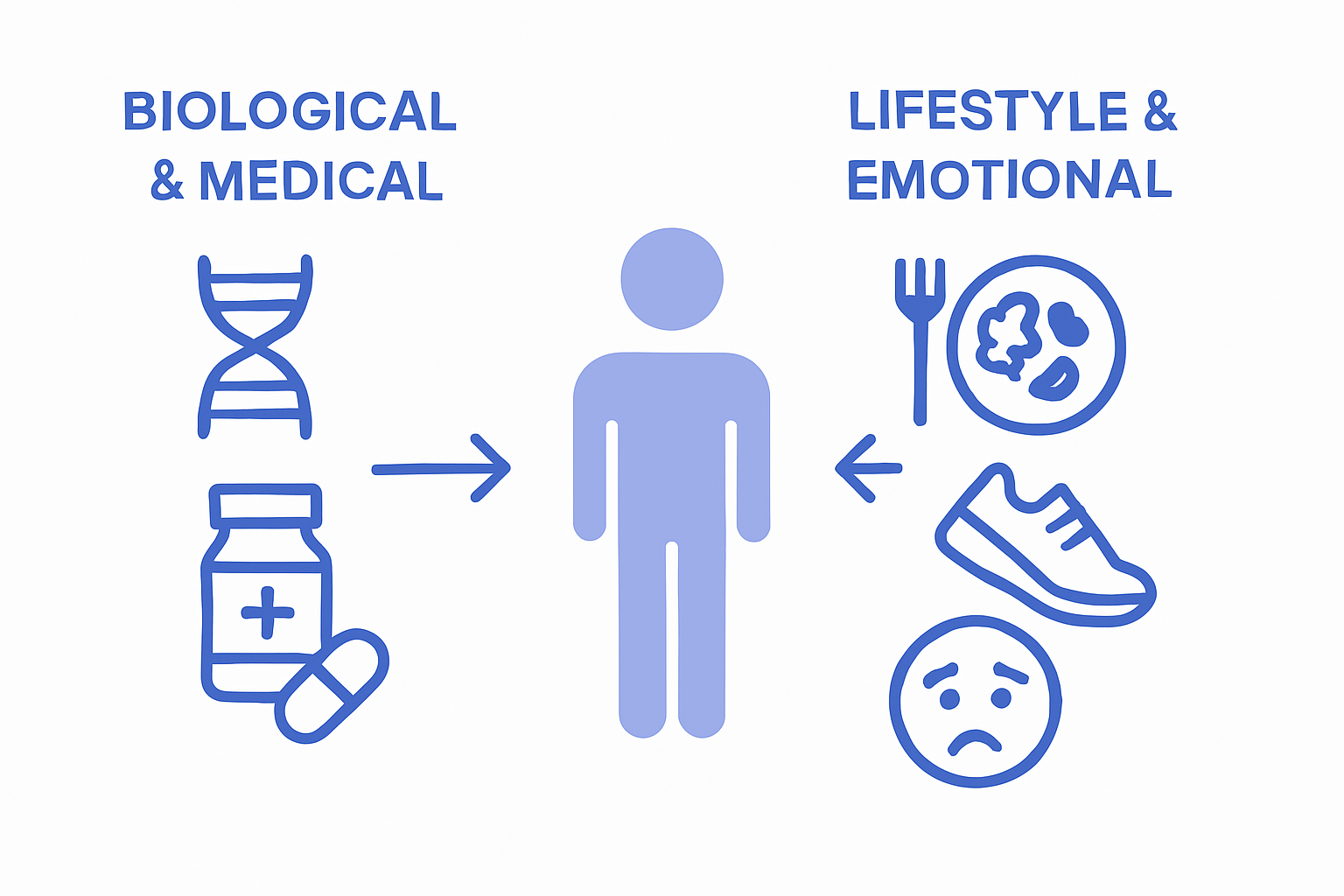
Understanding these medical influences requires a nuanced, compassionate approach. Weight management isn’t about blame or willpower, but recognizing the complex biological systems that can unexpectedly impact body composition.
By working closely with healthcare professionals, individuals can develop targeted strategies that address underlying medical conditions while supporting overall health and wellness.
Emotional, Environmental, and Social Triggers
Emotional eating emerges as a powerful, often overlooked driver of weight gain, transcending simple nutritional choices.
Research demonstrates that weight management strategies must address psychological factors beyond traditional diet recommendations, revealing the complex relationship between emotions and eating behaviors.
Environmental influences profoundly shape dietary patterns and metabolic responses. Modern urban landscapes saturated with processed food, sedentary work environments, and constant stress create metabolic challenges that individual willpower struggles to overcome.
Social contexts like workplace cultures, family dynamics, and economic constraints significantly impact food choices, with stress and emotional triggers frequently leading to compensatory eating behaviors that disrupt healthy metabolic functioning.
Emotional eating represents a nuanced coping mechanism where individuals use food to manage psychological stress, anxiety, or unprocessed emotions.
Triggers can range from workplace pressure and relationship conflicts to financial uncertainty and chronic loneliness. These emotional states activate neurochemical pathways that drive individuals toward high-calorie, comfort foods as a temporary emotional regulation strategy.
Nutrition experts emphasize that sustainable health requires understanding these psychological mechanisms, rather than relying on willpower or shame-based interventions.
Recognizing these complex interactions demands a compassionate, holistic approach to weight management.
By addressing emotional landscapes, social environments, and psychological triggers, individuals can develop more authentic, sustainable strategies for health that honor the intricate connections between mental and physical well-being.
Preventing Weight Gain: Effective Strategies
Preventing weight gain requires a strategic, comprehensive approach that goes beyond simplistic diet restrictions.
Nutrition experts emphasize that sustainable weight management involves balanced approaches that don’t require eliminating favorite foods, challenging traditional restrictive diet paradigms.
Metabolic optimization emerges as a key strategy for preventing unwanted weight gain. This involves understanding individual body responses and creating personalized nutrition plans that support metabolic efficiency.
Critical components include maintaining consistent meal patterns, prioritizing whole food nutrition, incorporating regular physical activity, and developing stress management techniques that mitigate hormonal disruptions associated with weight gain.
Strategic lifestyle interventions play a crucial role in weight prevention.
These include implementing mindful eating practices, creating structured meal plans that balance macronutrients, establishing regular sleep schedules, and developing emotional regulation skills that reduce stress-induced eating.
Regular physical movement, even in small increments, can significantly boost metabolic rate and prevent gradual weight accumulation. Resistance training, in particular, helps build lean muscle mass, which inherently increases resting metabolic rate and supports long-term weight management.
Ultimately, preventing weight gain is about creating sustainable, personalized systems that work harmoniously with individual biological mechanisms.
By adopting a holistic approach that considers physical, emotional, and metabolic factors, individuals can develop resilient strategies that support consistent health and prevent unintended weight fluctuations.
Take Control of What Really Drives Weight Gain
Understanding the complex causes of weight gain such as hormonal imbalances, thyroid dysfunction, and body inflammation is the first step toward lasting health.
Many struggle with factors beyond diet and exercise, including genetics and medical conditions, which can make weight management feel overwhelming. If you are ready to break free from confusion and tackle these challenges head on, exploring targeted insights on
Hormonal Imbalance – LeanAndFit and Thyroid Dysfunction – LeanAndFit can provide valuable understanding and practical strategies.

Don’t let hidden biological factors keep you stuck.
Visit LeanAndFit.info today to access trusted advice, personalized lifestyle tips, and evidence-based solutions designed to support your unique journey.
Start building a healthier relationship with your body now and take action toward sustainable weight management that respects your body’s needs.
Frequently Asked Questions:
Q-1: What are the main causes of weight gain in adults explained?
A-1: Weight gain is rarely caused by just overeating—it is usually a mix of factors like poor diet, inactivity, hormonal imbalance, stress, and sleep issues.
Globally, over 39% of adults are overweight, showing how widespread the issue is.
For example, someone working long hours may eat irregularly, sleep poorly, and gain weight despite not overeating significantly.
Q-2: Why am I gaining weight without eating more or changing my diet?
A-2: Unexplained weight gain can result from metabolic slowdown, hormonal shifts, or reduced physical activity.
Studies show metabolism can decline by 2–3% per decade after age 30.
For instance, someone maintaining the same diet but moving less due to a desk job may gradually gain weight.
Q-3: What are the hormonal causes of weight gain and metabolism slowdown in women?
A-3: Hormones like estrogen, insulin, and thyroid hormones play a key role.
Conditions such as PCOS affect up to 10–13% of women globally and are linked to weight gain.
Hormonal imbalance can increase fat storage, especially around the abdomen.
Q-4: How do stress and cortisol levels lead to unexplained weight gain?
A-4: Chronic stress increases cortisol, which promotes fat storage and cravings for high-calorie foods.
Around 70% of adults report daily stress, making this a major contributor.
For example, stress eating during deadlines often leads to gradual weight gain.
Q-5: What medical conditions cause sudden weight gain in adults?
A-5: Conditions like hypothyroidism, insulin resistance, and depression can cause weight gain.
Hypothyroidism affects about 5% of the global population and slows metabolism, leading to weight increase even with normal eating habits.
Q-6: What is the role of poor sleep in weight gain and fat accumulation?
A-6: Poor sleep disrupts hunger hormones like leptin and ghrelin, increasing appetite.
Studies show people sleeping less than 6 hours are 30% more likely to gain weight.
Late-night snacking is a common example.
Q-7: How does insulin resistance contribute to weight gain and obesity?
A-7: Insulin resistance causes the body to store more fat and struggle to use glucose effectively.
Globally, over 40% of adults may have some level of insulin resistance, often without knowing it.
This leads to increased fat storage, especially belly fat.
Q-8: What hidden lifestyle habits cause gradual weight gain over time?
A-8: Small habits like frequent snacking, sugary drinks, and prolonged sitting add up.
For example, consuming just 150 extra calories daily can lead to significant yearly weight gain.
Sedentary lifestyles are now linked to over 25% of global deaths.
Q-9: Why does weight gain happen even with regular exercise and dieting?
A-9: Factors like stress, poor sleep, or hormonal issues can offset the benefits of diet and exercise.
Some people may also underestimate calorie intake.
Research shows up to 50% of individuals miscalculate daily calories, leading to stalled progress.
Q-10: What is the impact of medications on weight gain and metabolism changes?
A-10: Certain medications, including antidepressants and steroids, can cause weight gain by altering metabolism or increasing appetite.
Studies suggest 10–20% of patients on such medications experience noticeable weight gain.
Monitoring and consulting a doctor can help manage this effect.
Recommended:
- Understanding the Connection Between Stress and Weight Gain – LeanAndFit
- How Processed Foods Contribute to Weight Gain? – LeanAndFit
- How Thyroid Hormone Deficiency Contributes to Weight Gain? – LeanAndFit
- How Chronic Stress Impacts Cortisol Levels and Weight Gain? – LeanAndFit
- Why Trust LeanAndFit.info?
- For educational purposes only