

More than 90 percent of American adults do not get the recommended daily amount of fiber that is necessary for them to stay healthy.
Fiber in a persons diet is associated with benefits for the control of body weight and reduced risk of cardiovascular and other diseases. You need to understand dietary fiber importance for good health.
By understanding some of the misconceptions of dietary fiber it can help you make better choices when purchasing healthier foods that will help improve your overall health.
Table of Contents
- Defining Dietary Fiber And Common Misconceptions
- Types Of Dietary Fiber And Key Differences
- Health Benefits Of Adequate Fiber Intake
- Recommended Daily Amounts And Requirements
- Practical Ways To Increase Fiber Consumption
Key Takeaways
| Point | Details |
|---|---|
| Understanding Dietary Fiber | Dietary fiber is a crucial carbohydrate from plant-based foods that the body cannot fully digest, benefiting various health aspects. |
| Types of Fiber | There are two main types of dietary fiber: soluble, which aids metabolic health, and insoluble, essential for digestive function. |
| Health Benefits | Adequate fiber intake supports weight management, reduces the risk of chronic diseases, and promotes digestive and metabolic health. |
| Daily Recommendations | Women should aim for 25-30 grams of fiber per day, while men should target 30-38 grams, with a focus on diverse fiber sources. |
Defining Dietary Fiber and Common Misconceptions
Dietary fiber represents a fascinating, yet misunderstood, nutrient that plays a significant role in our wellbeing. The primary definition of dietary fiber is a type of polysaccharides, or a carbohydrate, found in plant foods that the human body is unable to completely digest or absorb.
Unlike other carbohydrates, which go through the process of being dismantled and used for energy, fiber passes through the digestive system mostly intact while having a variety of positive effects on the body.
The two major categories of dietary fibers are classified as either water-soluble or non-soluble.
Water-soluble are the kind of fiber that dissolves in water, thus forming a gel-like material in the stomach, helping lower blood sugar levels and reduce the amount of cholesterol absorbed into the bloodstream. Non-soluble, or non-water-soluble, fibers are neither dissolved nor digested but rather travel through the gastrointestinal tract, facilitating the digestion process by increasing the bulk of bowel movements. The most common misconceptions about the dietary fiber are associated with misunderstanding all the positive effects it has on the body.
Numerous studies in the field indicate that the regular consumption of fiber is beneficial for the prevention of several health issues, such as obesity, diabetes, and cardiovascular diseases, among others.
It is recommended for an average adult to consume between 25 to 30 grams of fiber daily, and it is possible to achieve this amount by incorporating a variety of fruits, vegetables, legumes, whole grains, nuts, and other fiber-rich foods into one’s diet. Thus, by becoming aware of the peculiarities of the dietary fiber, one would be able to better maintain their health and wellbeing by following the appropriate nutrition principles.
Types of Dietary Fiber and Key Differences
Dietary fiber is a diverse group of carbohydrates polymers that cannot be digested, but they can be categorized into two types. The fibers are considered beneficial for the body due to the different health and physiological functions that they provide.
These carbohydrates are classified according to their physicochemical properties into soluble and insoluble fibers. However, there are other ways to classify dietary fibers, like according to the availability and origin.
Nevertheless, understanding the types of dietary fiber is essential to maintain a balanced diet and increase the level of health indicators.
One of the types of dietary fibers is called soluble fiber. The main property of these carbs is that they can be dissolved in water.
There are many benefits provided by soluble fibers; for example, they can help to decrease the low-density cholesterol level in the blood, control postprandial glucose response, and reduce the risk of cardiovascular diseases. The best foods to get enough soluble dietary fibers include Oats, beans, lentils, apples, citrus fruits, etc.

Soluble fiber is a form of dietary fiber that is capable of dissolving in water, and it acts by bulking up the stool and easing its passage through the intestines. Insoluble fiber, on the other hand, is not soluble in water. Like soluble fiber, insoluble fiber is also indigestible, but it serves a different function. The main role of insoluble fiber is to make the stool bulkier so that it can pass more easily.
Whole wheat products, nuts, seeds, and some vegetables are good sources of insoluble fiber. Although it is not as widely recognized as soluble fiber, insoluble fiber is no less important for the body. Both forms of fiber are beneficial for the digestive tract and reduce the risk of developing various diseases.
The key point is that both types of fiber are important for the body, so it is necessary to include both soluble and insoluble fiber in the diet. However, instead of emphasizing the importance of one type, nutritionists would advise to consume various fiber-rich foods. This way, the body will obtain a more noticeable effect of fiber, such as improved digestion, prevention of excessive cholesterol levels, and protection against lifestyle-related diseases.
Health Benefits of Adequate Fiber Intake
The beneficial effects of a diet rich in fiber have been known for quite a long time. It has been proved that dietary fiber is helpful not only for the digestive system but also for the whole body in general.
The health benefits of dietary fiber may include the prevention of many diseases and imbalances in the working of the body.
Foods rich in fiber help control weight.
This is because they provide greater satiety, thus reducing the number of calories needed each day. Fiber makes you feel fuller for a longer period of time, reducing the urge to eat again soon. Moreover, eating foods rich in fiber helps to reduce cravings and keeps blood sugar levels stable.
Studies have shown that people who have a greater amount of fiber in their diet tend to have lower rates of obesity, as well as related diseases such as diabetes.
It has been established that fiber helps reduce “bad” cholesterol in the body, lowering the risk of many diseases, including atherosclerosis and diabetes.
Dietary fiber helps to remove toxins from the body, and to reduce inflammation. It also improves the motility of the intestines and the peristalsis of the large intestine. In addition, fiber has a positive effect on the microflora of the intestines, which directly affects the functioning of the entire immune system.
Fiber intake is essential for the prevention and control of many diseases.
Eating food with fiber beneficial for health, and the more varied it is, the better. This type of diet helps prevent cancer and other diseases, improves gastrointestinal function, and restores the balance of the body.
Recommended Daily Amounts and Requirements
Dietary fiber intake cannot be established for every person; it must be calculated considering various factors.
In particular, the amount and ratio of nutrients that the human body needs per day are determined by age and sex. This information is critical and should be known to every person in order to care about their health and maintain it in good condition.
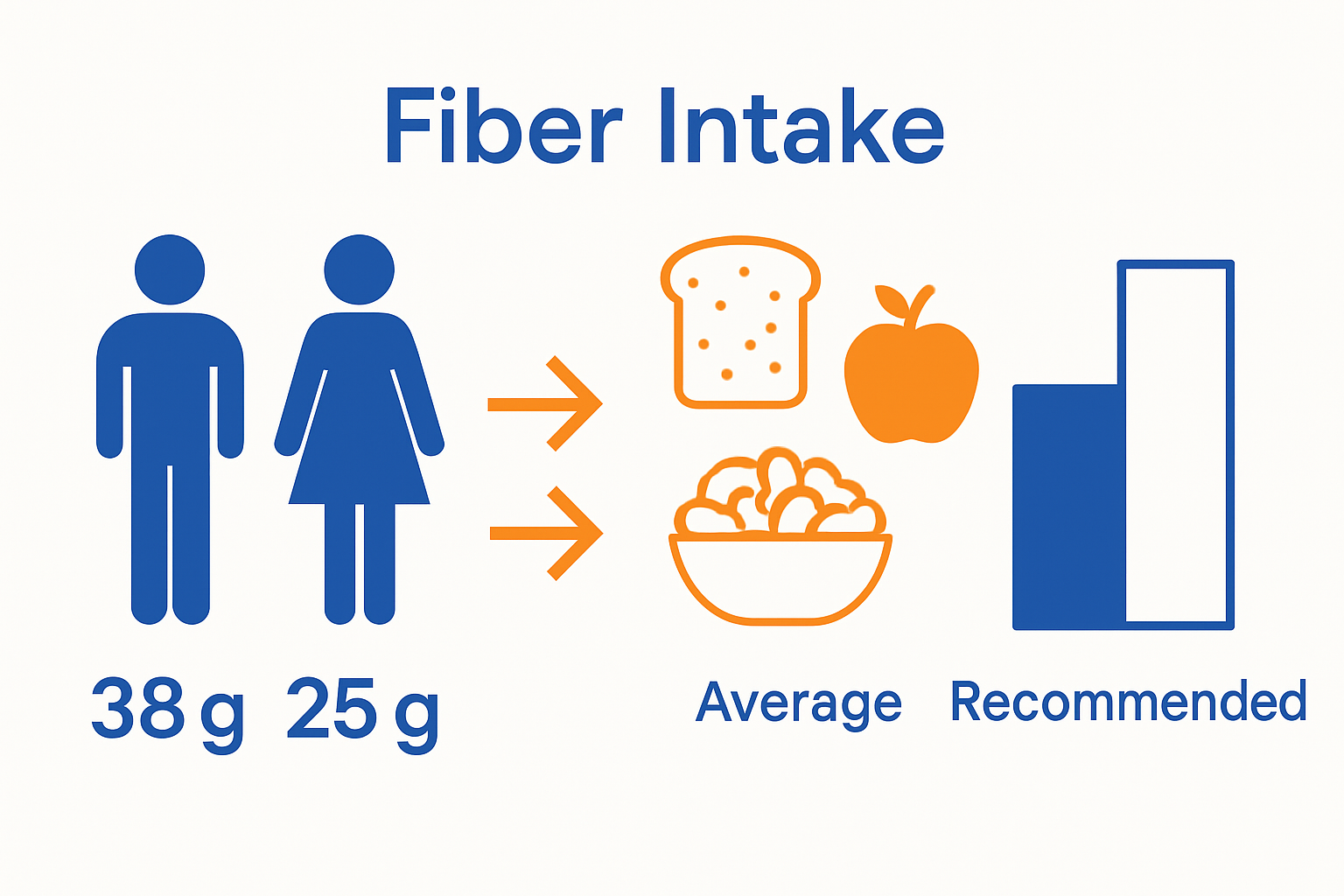
The table below contains dietary fiber recommendations in grams for men and women of different ages. As you can see, women up to the age of 50 need around 25 grams daily, while those older than 50 should eat 21 grams of fiber per day.
The recommended amount of fiber for men is higher than that for women. Men aged 50 and older should eat 30 grams of dietary fiber daily, while those under 50 may eat 38 grams per day.
In order to adequately implement the recommendations, it is necessary to pay attention to the way of calorie counting. It is not enough to simply count the number of fibers that are consumed during the day, it is essential to introduce a wider variety of foods that are rich in this nutrient. The basis of such a diet should be whole grain products, legumes, fresh fruits and vegetables, nuts, and seeds.
Moreover, when starting to consume more foods high in fiber, it is important to properly monitor the amount of this nutrient to avoid negative consequences such as bloating or gas. A sufficient amount of water is essential when following a fiber-rich diet because it cleans the digestive tract and helps the fibers not stick to its walls.
In addition, it is important to consider other individual aspects that may affect the introduction of fibers into the daily diet. However, in most cases, doctors recommend paying attention to the amount of this nutrient since it positively affects not only the functioning of the digestive system but also the overall state of health.
Therefore, the above methods allow you to not only determine how many grams of fibers should be consumed per day but also to improve the quality of life through a healthy diet and prevent many diseases caused by a lack of this nutrient.
Practical Ways to Increase Fiber Consumption
Bosting dietary fiber intake demands a systemic and stepwise approach that encourages changing the diet in a way that most people can follow.
There are healthy ways to sneak more fiber into the diet without overhauling it in an attempt to immediately reach the recommended amounts.
A good place to start is to pay more attention to the types of whole grains that you are introducing into the diet and replacing refined ones.
Make sure to eat the skins of fruits and vegetables, as they contain fiber, and add beans to your meals more often, as they include fiber and are a good source of protein. Another simple change that will unquestionably add fiber to your diet is to sprinkle some ground flaxseed on your breakfast cereal or oatmeal.
Snacking is a good opportunity to add more fiber, so try to have more nuts, seeds, fruits, and vegetables in your diet.
When possible, eat whole fruits rather than drinking fruit juices, as the latter usually lack the fiber-rich skin.
Prepare some fiber-friendly snacks ahead of time, such as apple slices with almond butter or carrot sticks with hummus, and have them ready when hunger strikes.
Moreover, keep in mind that the more fiber you consume, the more water you need to drink, as fiber requires sufficient amounts of water to function properly and move through the digestive tract.
If you want to boost your fiber intake, do it gradually.
Otherwise, you might experience uncomfortable side effects, such as gas or bloating, if you suddenly change your diet and substantially increase the amount of fiber you consume.
You should also speak with your doctor if you have concerns about your dietary fiber levels or experience any adverse effects.
Frequently Asked Questions:
Fiber is indeed a blessing for our body, but it is not considered an exciting component of our diet. However, it is a vital nutrient that contributes to many critical functions and processes in the human body.
People should be much more disciplined and careful about the amount of fiber in their diet. A lot of fiber will unquestionably improve digestion, reduce overeating, and help maintain a stable level of energy throughout the day.
Q-1. If the fiber is not digested, then how it is healthy for my body?
A-1. It is a great question, and many people may ask it since the mechanism of fiber’s work in the human body is not clear.
Fiber is an indigestible component of food; however, it is extremely important for the proper functioning of the body.
This nutrient is crucial for the health of the digestive tract and intestines. In addition, it allows you to clean the body of toxins and absorb sugars.
Fiber is necessary for a balanced function of the endocrine system, normalizes blood sugar levels, and reduces the risk of diabetes. Fiber does a tremendous amount of useful things; therefore, thinking about how fiber may be harmful may not be worth the effort.
Q-2. Can fiber help me to eat less?
A-2. It is possible; this nutrient may undoubtedly help in restricting adicional food intake.
High-fiber foods are highly satiating; therefore, they keep you full for longer periods of time.
This will allow you to eat fewer meals throughout the day. Fiber helps burn fat, but it does so insidiously; you probably will not even realize you are on a diet.
Moreover, high-fiber foods are filling, meaning that they allow you to eat more without increasing your calorie intake significantly.
Q-3. Why sometimes after adding more fiber to my diet, I start to feel bloated?
A-3. This is a rather common side effect when you add more fiber to your diet. Your intestines need some time to adapt to this new environment.
A higher concentration of fiber will definitely irritate your bowel, but there is nothing to be alarmed about.
Your intestines will get used to the new circumstances, and the bloating will go away. To speed up this process, you may want to limit the amount of food you eat at one time and drink more water.
Q-4. Are there different types of fiber? Do they affect my body differently?
A-4. There are two types of fiber – soluble and insoluble. Both of them are beneficial for your body, but they do differently.
As the name implies, soluble fiber is dissolved in water, while insoluble fiber is not. Viscous fiber is healthy for the heart and controls blood sugar levels.
Insoluble fiber, in its turn, facilitates digestion and prevents constipation. Most foods that are high in fiber contain both types, but they may be present in different concentrations.
Q-5. Can fiber impact my energy levels throughout the day?
A-5. Definitely, it can – and it is one of the crucial benefits of this nutrient.
Foods high in fiber keep you energized for a much longer time than processed ones. Due to fiber, you will not experience sudden drops in energy; thus, you will not be distracted by cravings for sweets throughout the day.
Q-6. Why fiber is so critically important for the well-being of the whole body?
A-6. Fiber is a type of roughage, meaning that it is mostly indigestible.
However, there are certain health benefits due to the indigestibility. The bacteria in your intestines eat fiber and, in turn, produce certain substances that are beneficial for the body.
They reduce inflammation, improve the functionality of the immune system, and facilitate the overall work of the digestive tract.
A healthy gut environment is also vital for the proper function of many other systems.
Q-7. Can I get enough fiber without eating any whole foods?
A-7. You may get a sufficient amount of dietary fiber without eating whole foods – fiber supplements will help you to do that.
However, it is better not to rely too much on them. Whole foods provide you with many nutrients that are not present in isolated form.
Moreover, you may overdose on fiber if you take too many supplements. It is always a better strategy to rely on whole foods and try to eat them in a higher quantity.
Q-8. How can I increase fiber in my diet?
A-8. There are many effective ways to do that. Firstly, you should eat at least one fruit or vegetable with every meal.
Secondly, include whole grain products in your diet – prefer brown bread, whole wheat pasta, and brown rice to white ones.
There are many more options for increasing fiber in your diet. However, the point is to begin your journey to a healthier lifestyle with small steps – do not overload yourself with enormous quantities of fiber and make dramatic changes to your diet.
Recommended
- Dietary Fiber Benefits: Complete Guide – LeanAndFit
- Understanding Fiber for Weight Loss: Why It Matters – LeanAndFit
- 8 Fiber Rich Foods List for Easy Weight Loss and Health – LeanAndFit
- Nutrient Dense Foods: Complete Guide for Healthy Living – LeanAndFit
- Complete Guide to the Role of Diet in Detox – Mahoney inter
- GREEN VEGETABLE PROTEINS’ IMPORTANCE TO YOU VOCAL HEALTH – TMRG Solutions
- Why Trust LeanAndFit.info?
- For educational purposes only