The gut, often called the “second brain,” plays a far more influential role in our health than we might think, impacting everything from digestion to immune function.
But did you know it also plays a role in weight management?
The bacteria in our gut, collectively known as the gut microbiome, are key players in our metabolism and body weight.
Today, leanandfit.info research staff will explore how gut bacteria impact body weight, why some bacteria might be “anti-fat” while others seem to promote weight gain, and what you can do to balance your gut for better health.
“How Gut Bacteria Impact Body Weight” Article Contents:
- What Is the Gut Microbiome and Why Does It Matter?
- How Gut Bacteria Influence Weight Gain
- The Role of Specific Bacteria, Like Firmicutes, in Obesity
- Can Altering Gut Bacteria Lead to Weight Loss?
- Real-Life Examples of Gut Microbiome Influence on Weight
- Conclusion: Strategies for a Healthier Gut and Body Weight
What Is the Gut Microbiome and Why Does It Matter?
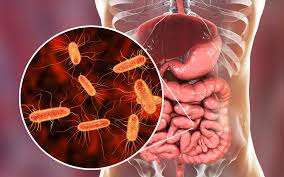
The gut microbiome is a community of trillions of bacteria, viruses, fungi, and other microorganisms that reside in our digestive tract.
These tiny organisms play big roles in our health by helping us break down food, absorb nutrients, and even synthesize certain vitamins.
According to the National Institutes of Health, our gut microbiome is as unique as a fingerprint and can be affected by everything from genetics to diet.
Research shows that the balance of different bacterial species in the gut plays a critical role in metabolic health.
When the balance of bacteria shifts in favor of certain types, it can increase the risk of weight gain, creating a potential link between the gut biome and obesity.
Believe it or not, your gut bacteria might be the ultimate backseat driver of your metabolism, steering you toward weight gain—or keeping you lean.
Science has uncovered that these tiny microbes aren’t just passive residents in your intestines; they play an active role in how you process food, absorb calories, and even crave certain treats (looking at you, late-night sugar cravings!).
For example, some species of gut bacteria, particularly those in the Firmicutes phylum, are masters at extracting every last calorie from your meals. Imagine them as microscopic accountants ensuring that not a single morsel goes to waste.
The downside?
Your body absorbs more calories from the same plate of food than someone with a different bacterial balance—meaning your friend might indulge in pizza and stay slim while you feel like you gain weight just by looking at it.
Research published in The Journal of Clinical Endocrinology & Metabolism found that people with a higher ratio of Firmicutes to Bacteroidetes tend to extract more energy from food.
In contrast, Bacteroidetes bacteria are less efficient at calorie extraction, which could be why they are associated with leanness. This explains why the balance between these two groups is often at the center of gut microbiome and obesity studies.
While such high efficiency in calorie absorption was once an evolutionary advantage—helping humans survive famines—it’s not exactly helpful in an era of all-you-can-eat buffets and 24/7 food delivery.
Your gut bacteria may also influence cravings, nudging you toward foods that help them thrive, whether that’s fiber-rich veggies or sugar-laden desserts. Obesity jeopardizes gut microbial diversity, which is why you are unable to maintain sound mental and physical health.
So next time you blame your metabolism, consider pointing the finger at your gut microbes instead!
The Role of Specific Bacteria, Like Firmicutes, in Obesity
Firmicutes and Bacteroidetes are two of the most studied bacterial phyla in the gut, and they have distinct roles.
In cases of obesity, research often finds higher proportions of Firmicutes relative to Bacteroidetes.
This balance, often called the “Firmicutes-Bacteroidetes ratio,” can play a significant role in weight gain.
Firmicutes:
Studies have found that Firmicutes bacteria might promote weight gain by increasing the body’s ability to break down and absorb calories from complex carbohydrates and fats.
In fact, a study in Nature revealed that mice with a higher proportion of Firmicutes gained more weight than those with higher Bacteroidetes, even when eating the same amount of food.
This has led scientists to dub these microbes “fat-promoting” or “obesity-causing” bacteria.
Bacteroidetes:
On the other hand, Bacteroidetes are generally associated with leaner body types.
These bacteria produce compounds like short-chain fatty acids (SCFAs) that may promote satiety and enhance fat-burning processes.
According to a study in Cell Host & Microbe, SCFAs can signal the release of hormones like GLP-1, which promote feelings of fullness, reducing calorie intake naturally.
Can Altering Gut Bacteria Lead to Weight Loss?
Since gut bacteria can play a role in weight regulation, researchers are exploring whether modifying the gut microbiome could be a viable treatment for obesity.
Probiotics, prebiotics, and dietary changes are all strategies being studied as potential ways to balance gut bacteria for weight management.
Probiotics and Prebiotics:
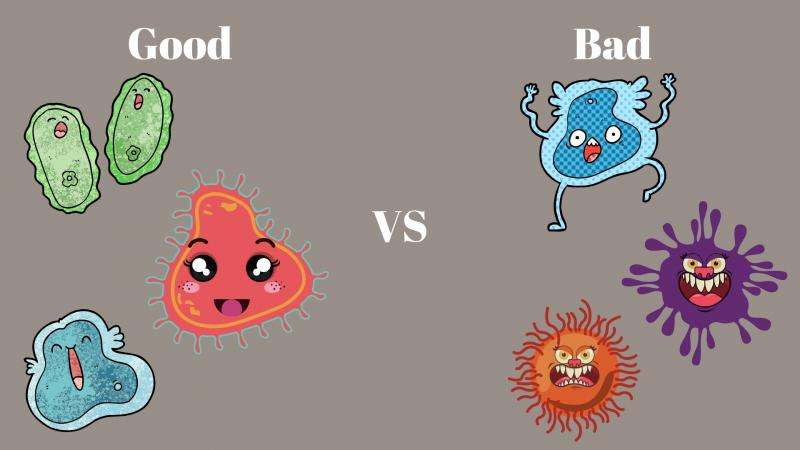
Probiotics are “good” bacteria that can promote a healthy gut environment, while prebiotics are the fibers that feed them.
The idea is that by adding specific strains of bacteria, such as Lactobacillus and Bifidobacterium, we can reduce obesity-related bacteria and increase “anti-fat bacteria.”
For example, a study in the British Journal of Nutrition found that probiotics led to weight loss in people who were overweight, with specific strains showing promise in reducing visceral fat.
Fecal Microbiota Transplantation (FMT):
One more experimental treatment for obesity, though still under research, is FMT or fecal microbiota transplantation.
By introducing a healthy person’s gut bacteria into an obese person’s digestive system, studies are showing changes in metabolic function.
A study published in Diabetes Care showed that FMT in obese individuals led to temporary improvements in insulin sensitivity and gut microbiome diversity, though more research is needed for long-term effects.
Real-Life Examples of Gut Microbiome Influence on Weight
Consider Laura, a 30-year-old who struggled with weight gain despite dieting and exercise.
After consulting a nutritionist, Laura learned about the connection between gut health and weight.
She began incorporating more fiber, prebiotics, and probiotics into her diet. Over time, her weight began to stabilize, and she even noticed reduced sugar cravings.
Laura’s experience reflects growing evidence that an imbalance of gut bacteria causing weight gain can be influenced through dietary changes.
Similarly, Tom, a man in his 40s, suffered from abdominal weight gain and insulin resistance.
After exploring gut bacteria obesity treatment options, he tried a diet rich in fermented foods, fiber, and probiotics.
Over several months, Tom experienced noticeable weight loss and better blood sugar control, demonstrating the potential impact of gut modulation on metabolic health.
Strategies for a Healthier Gut and Body Weight
Balancing your gut microbiome can be a powerful tool in managing body weight.
While it is still a developing field, research suggests that a gut-friendly diet rich in fiber, probiotics, and prebiotics can help promote beneficial bacteria while limiting the “obesity-promoting” types.
Here are a few strategies:
- Eat a Fiber-Rich Diet: Fiber promotes the growth of Bacteroidetes, which support fat metabolism and satiety. Foods like fruits, vegetables, and whole grains are excellent sources.
- Include Probiotics and Prebiotics: Yogurt, kefir, and supplements containing Lactobacillus and Bifidobacterium strains can enhance the “good” bacteria in your gut. I am habitual of drinking home made yogurt smoothies to lose weight and improve good gut bacteria.
- Limit Processed Foods: Processed foods can promote inflammation and may negatively affect gut diversity, potentially tipping the balance toward weight gain.
- Consider Professional Guidance: For those struggling with weight management, consulting a healthcare provider can help you choose targeted supplements or dietary adjustments for improved gut health.
The relationship between gut bacteria and weight is complex and exciting.
By understanding how the microbiome impacts weight gain, we can take more informed steps toward healthier lifestyles and balanced microbiomes.
References: