More than 90 percent of american adults do not meet the recommended daily fiber intake, putting their health at risk in surprising ways.
Many people think fiber is only about regularity, but its influence stretches across weight management, heart health, and even disease prevention.
Clearing up common misconceptions about dietary fiber helps you make smarter food choices that truly support lifelong health.
Table of Contents
- Defining Dietary Fiber And Common Misconceptions
- Types Of Dietary Fiber And Key Differences
- Health Benefits Of Adequate Fiber Intake
- Recommended Daily Amounts And Requirements
- Practical Ways To Increase Fiber Consumption
Key Takeaways
| Point | Details |
|---|---|
| Understanding Dietary Fiber | Dietary fiber is a crucial carbohydrate from plant-based foods that the body cannot fully digest, benefiting various health aspects. |
| Types of Fiber | There are two main types of dietary fiber: soluble, which aids metabolic health, and insoluble, essential for digestive function. |
| Health Benefits | Adequate fiber intake supports weight management, reduces the risk of chronic diseases, and promotes digestive and metabolic health. |
| Daily Recommendations | Women should aim for 25-30 grams of fiber per day, while men should target 30-38 grams, with a focus on diverse fiber sources. |
Defining Dietary Fiber and Common Misconceptions
Dietary fiber is a fascinating yet often misunderstood nutrient that plays a critical role in maintaining overall health. At its core, dietary fiber is a type of carbohydrate found exclusively in plant-based foods that the human body cannot fully digest or absorb.
Unlike other nutrients that get broken down and metabolized, fiber passes through the digestive system relatively intact, providing numerous health benefits along its journey.
There are two primary types of dietary fiber: soluble and insoluble.
Soluble fiber dissolves in water and forms a gel-like substance in the digestive tract, which can help lower cholesterol levels and regulate blood sugar. Insoluble fiber, on the other hand, does not dissolve and adds bulk to stool, promoting regular bowel movements and preventing constipation.
Common misconceptions about dietary fiber often stem from a limited understanding of its comprehensive health benefits. Many people believe fiber is only important for digestive regularity, but research demonstrates its far-reaching impacts.
Consuming adequate fiber can help maintain a healthy weight, reduce the risk of chronic diseases like diabetes and heart disease, and potentially lower the risk of certain cancers.
The recommended daily intake varies, but most adults should aim for 25 to 30 grams of fiber per day through a diverse diet rich in fruits, vegetables, whole grains, legumes, and nuts.
By understanding the nuanced role of dietary fiber, you can make more informed nutritional choices that support your long-term health and wellness goals. Remember that not all fiber sources are created equal, and diversity in your fiber intake is key to maximizing its potential benefits.
Types of Dietary Fiber and Key Differences
Dietary fiber is not a one-size-fits-all nutrient, but rather a complex group of substances with distinct characteristics and health benefits.
Broadly categorized into two primary types, fiber offers unique advantages that contribute to overall wellness and digestive health. Understanding these fiber variations can help individuals make more informed dietary choices.
Soluble fiber represents one critical category that plays a significant role in metabolic health. This type of fiber dissolves in water, forming a gel-like substance in the digestive tract that can slow digestion and provide multiple health benefits.
Scientific research indicates soluble fiber can help lower cholesterol levels, stabilize blood sugar, and support heart health. Common sources include oats, beans, lentils, apples, and citrus fruits.
These foods contain high concentrations of soluble fiber that can help reduce the risk of cardiovascular diseases and improve overall metabolic functioning.

Insoluble fiber, in contrast, does not dissolve in water and functions differently within the digestive system. Its primary role is to add bulk to stool and facilitate smoother passage through the intestines, which helps prevent constipation and promotes regular bowel movements.
Whole wheat products, nuts, seeds, and many vegetables are excellent sources of insoluble fiber. While it might not receive as much attention as its soluble counterpart, insoluble fiber is equally important for maintaining digestive health and preventing gastrointestinal complications.
The key takeaway is that both soluble and insoluble fiber are essential components of a balanced diet. Instead of focusing on one type, nutritionists recommend consuming a diverse range of fiber-rich foods to maximize health benefits.
This approach ensures you receive the complementary advantages of different fiber types, supporting everything from digestive regularity to metabolic efficiency and long-term disease prevention.
Health Benefits of Adequate Fiber Intake
Adequate dietary fiber intake is a powerful nutritional strategy with far-reaching health implications. Metabolic health improvements represent just one of the many remarkable benefits associated with consistent fiber consumption.
Scientific research demonstrates that fiber is not simply a digestive aid, but a complex nutrient capable of supporting multiple bodily systems and preventing chronic health conditions.
Weight management emerges as a particularly significant benefit of fiber intake. Fiber-rich foods create a profound sense of fullness, naturally reducing overall calorie consumption and supporting sustainable weight loss efforts. By slowing digestion and stabilizing blood sugar levels, fiber helps regulate appetite and prevent sudden hunger spikes that often derail dietary goals.
Research indicates that individuals consuming higher amounts of dietary fiber typically maintain healthier body weights and experience reduced risks of obesity-related health complications.
Cardiovascular and metabolic health receive substantial protection from consistent fiber consumption. Studies have shown that dietary fiber can help lower cholesterol levels, reduce inflammation, and decrease the risk of heart disease and type 2 diabetes.
The mechanism involves fiber’s ability to bind with cholesterol in the digestive system, effectively removing it from the body and promoting overall cardiovascular wellness. Additionally, fiber supports a healthy gut microbiome, which plays a critical role in immune function and metabolic regulation.
Beyond physical health, adequate fiber intake contributes to long-term disease prevention and overall quality of life. Consistent consumption of fiber-rich foods has been linked to reduced risks of certain cancers, improved digestive function, and enhanced nutritional absorption.
The key is diversity – incorporating a wide range of fiber sources ensures you receive the comprehensive benefits of this essential nutrient, supporting your body’s complex metabolic and digestive processes.
Recommended Daily Amounts and Requirements
Dietary fiber intake is not a one-size-fits-all recommendation, but rather a nuanced nutritional guideline that varies significantly based on individual factors.
Nutrient requirements play a crucial role in determining the optimal daily fiber consumption for different age groups and genders. Understanding these specific recommendations can help individuals optimize their dietary strategies for maximum health benefits.
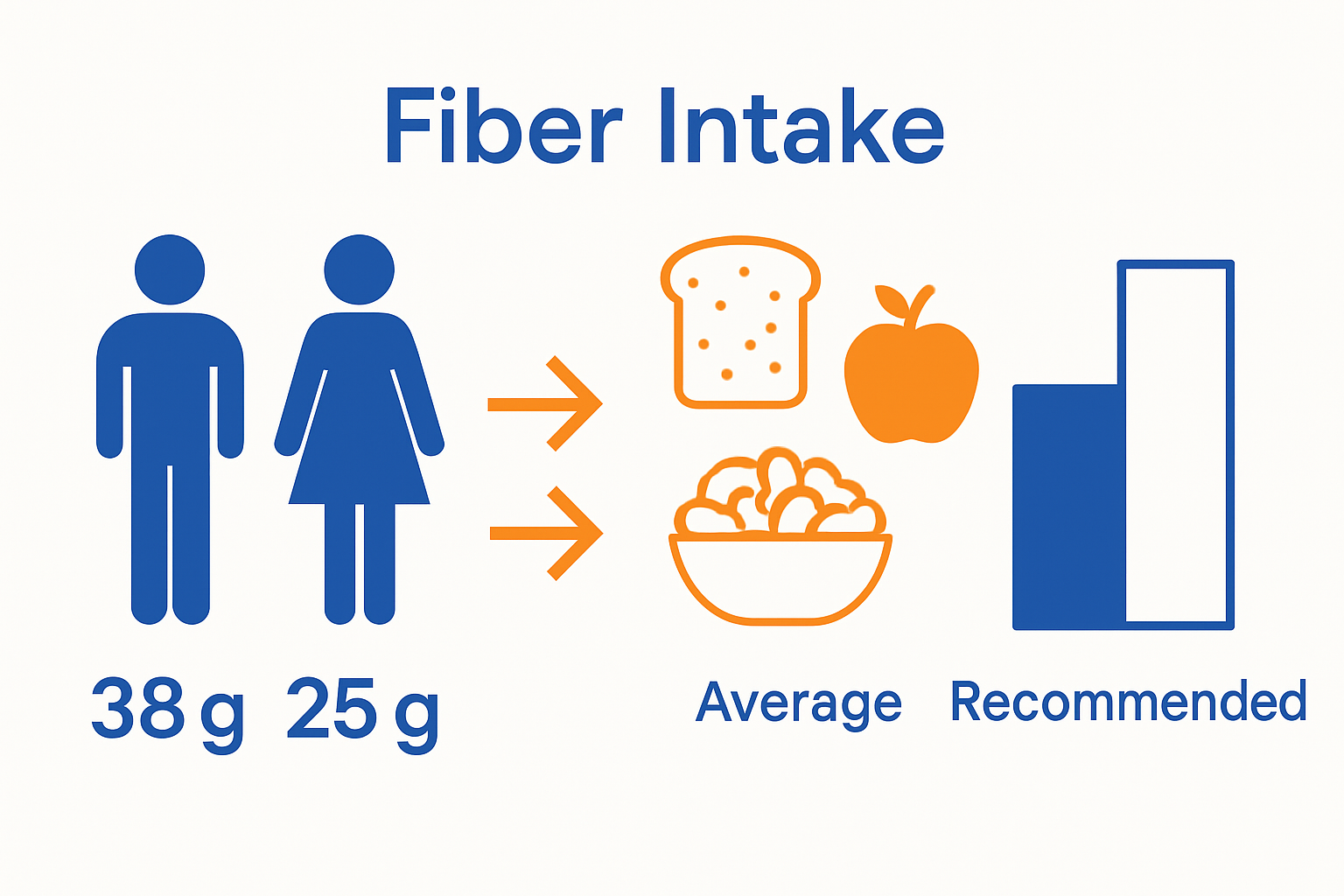
National nutritional guidelines provide clear recommendations for daily fiber intake based on age and gender. For women, the recommended amounts differ between younger and older age groups. Women aged 50 or younger should aim for approximately 25 grams of fiber daily, while those over 50 should target around 21 grams.
Men have slightly higher requirements, with those under 50 needing about 38 grams per day, and men over 50 recommended to consume around 30 grams of fiber daily. These specific guidelines account for changing metabolic needs and digestive capabilities as individuals age.
Implementing these fiber recommendations requires a strategic approach to diet planning. It’s not just about meeting a numerical goal, but about incorporating a diverse range of fiber-rich foods. Whole grains, legumes, fruits, vegetables, nuts, and seeds should form the foundation of a fiber-focused diet.
Gradual increase is key to avoiding digestive discomfort – suddenly introducing large amounts of fiber can lead to bloating, gas, and other uncomfortable symptoms. Hydration is equally critical, as increased water intake helps fiber move smoothly through the digestive system and prevents potential complications.
Individual factors such as overall health, activity level, and specific medical conditions can further influence fiber requirements. People with certain digestive disorders, diabetes, or heart conditions might need personalized dietary guidance from healthcare professionals.
The goal is not just to meet a number, but to use dietary fiber as a tool for comprehensive health optimization, supporting everything from digestive function and weight management to long-term disease prevention.
Practical Ways to Increase Fiber Consumption
Bosting dietary fiber intake requires a strategic and gradual approach that transforms everyday eating habits.
Healthy snacking strategies can play a significant role in increasing overall fiber consumption without dramatically changing your entire diet. The key is making small, sustainable modifications that seamlessly integrate more fiber-rich foods into your daily meals.
Whole grains represent an excellent starting point for fiber enhancement. Swap refined grain products for whole wheat alternatives like whole wheat pasta, brown rice, quinoa, and whole grain bread.
When preparing meals, consider leaving the edible skins on fruits and vegetables, as these often contain significant fiber content. Incorporate beans and legumes into soups, salads, and casseroles – these powerhouse ingredients are not only rich in fiber but also provide essential proteins and nutrients.
Adding ground flaxseed to morning oatmeal, smoothies, or yogurt can provide an instant fiber boost without substantially altering taste or texture.
Snacking presents another opportunity to increase fiber intake. Choose nuts, seeds, fresh fruits, and raw vegetables as alternatives to processed snack foods. Prioritize whole fruits over fruit juices, as the entire fruit provides more fiber and nutritional benefits.
Consider preparing fiber-rich snack packs in advance – combinations like apple slices with almond butter, carrot sticks with hummus, or a small handful of mixed nuts can help maintain consistent fiber intake throughout the day. Remember to increase water consumption simultaneously, as proper hydration helps fiber move efficiently through the digestive system and prevents potential discomfort.
Transitioning to a higher-fiber diet should be a gradual process. Suddenly increasing fiber intake can lead to digestive issues like bloating and gas, so introduce new fiber sources incrementally. Start by adding just one additional serving of a fiber-rich food each day, then slowly increase over several weeks.
Pay attention to how your body responds, and don’t hesitate to consult a healthcare professional if you experience persistent digestive challenges. The goal is creating a sustainable, enjoyable approach to nutrition that supports your overall health and wellness.
Unlock the Power of Dietary Fiber for Your Health Journey
Understanding the essential role of dietary fiber is the first step toward overcoming challenges related to digestion, weight management, and long-term disease prevention.
Many people struggle with finding the right balance of soluble and insoluble fiber to support their metabolic health and gut function.
If you want to improve your fiber intake in a way that feels manageable and effective, it is important to focus on conscious strategies tailored to your lifestyle and nutritional needs.
Take control of your health today by exploring expert advice on Conscious Eating – LeanAndFit to learn how to make fiber-rich foods a natural part of your meals. Gain deeper insights into how fiber impacts your digestive system with our Gut Modulation – LeanAndFit resources.
Visit leanandfit.info now to access a wealth of practical tips, recipes, and guidance that will help you build sustainable eating habits and reach your wellness goals. Start your transformation today and feel the difference fiber can make in your life.
Frequently Asked Questions
Q-1: What is dietary fiber, and why is it important?
A-1: Dietary fiber is a type of carbohydrate that the body cannot digest. It is essential for maintaining digestive health, regulating blood sugar, and reducing the risk of chronic diseases such as obesity, diabetes, and heart disease.
Q-2: What are the two main types of dietary fiber?
A-2: The two primary types of dietary fiber are soluble and insoluble. Soluble fiber dissolves in water and helps lower cholesterol and stabilize blood sugar, while insoluble fiber adds bulk to stool and helps prevent constipation.
Q-3: How much dietary fiber should I consume daily?
A-3: Most adults should aim for 25 to 30 grams of fiber per day. Women under 50 need about 25 grams, while men under 50 should target around 38 grams. Recommendations vary for those over 50.
Q-4: What are some practical ways to increase my fiber intake?
A-4: To boost fiber consumption, incorporate whole grains, beans, fruits, and vegetables into your diet. Choose whole grain products, snack on raw vegetables or fruits, and gradually add more fiber-rich foods to your meals, ensuring adequate hydration.
Recommended
- Dietary Fiber Benefits: Complete Guide – LeanAndFit
- Understanding Fiber for Weight Loss: Why It Matters – LeanAndFit
- 8 Fiber Rich Foods List for Easy Weight Loss and Health – LeanAndFit
- Nutrient Dense Foods: Complete Guide for Healthy Living – LeanAndFit
- Complete Guide to the Role of Diet in Detox – Mahoney inter
- GREEN VEGETABLE PROTEINS’ IMPORTANCE TO YOU VOCAL HEALTH – TMRG Solutions
- Why Trust LeanAndFit.info?
- For educational purposes only