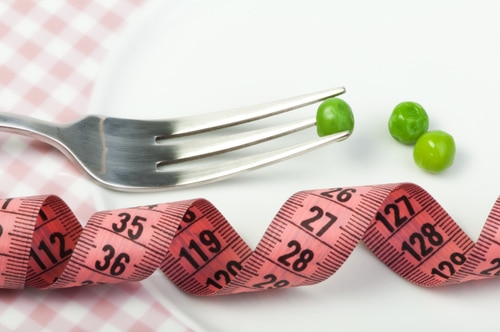
Imagine feeling full after eating just a small plate of food—without surgery or drastic measures.
That is exactly what a gastric balloon does!
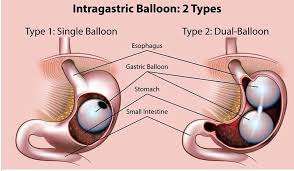
This tiny, inflatable device sits in your stomach, taking up space so there’s less room for large meals.
The result? You eat less, feel satisfied faster, and gradually shed those extra pounds.
But how does this little balloon pull off such a big job?
In this article, LeanAndFit research team shall break down the science behind gastric balloons, how they slow digestion, and why they can be a game-changer for weight loss.
We would also cover what to expect from the procedure and whether it is the right fit for you.
If you are looking for a weight-loss jumpstart without going under the knife, a gastric balloon might be the secret weapon you have been searching for.
Keep reading to find out how it works!
Article Index:
- What Is a Gastric Balloon?
- How Gastric Balloons Reduce Food Intake
- Taking Up Space in the Stomach
- Slowing Down Digestion
- Influencing Hunger Hormones
- The Insertion Procedure
- Benefits and Things to Consider
- FAQs on Gastric Balloons & Reduced Food Intake
- Conclusion
What Is a Gastric Balloon?
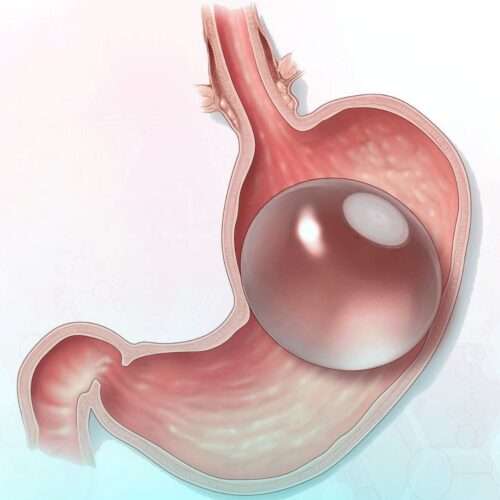
A gastric balloon is a soft, medical-grade silicone device that is inserted into the stomach through the mouth using an endoscope.
Once inside, it is filled with either saline or gas to expand and take up space, reducing the stomach’s capacity to hold food.
This non-surgical weight loss method works by promoting portion control and helping individuals feel full faster.
For example, someone who previously consumed a large meal to feel satisfied may find that, with the balloon in place, they feel full after eating just a small portion of food.
This helps reduce overall calorie intake, which supports gradual weight loss. It is as effective (if not more) as a bariatric surgery for body fat removal.
The balloon typically remains in the stomach for about six months, allowing individuals time to adopt healthier eating habits.
After the designated period, it is deflated and removed through a similar endoscopic procedure.
This temporary intervention acts as a tool to assist in long-term weight management.
How Gastric Balloons Reduce Food Intake?
Here is a quick look at how these simple looking balloons reduce your food cravings naturally:
Taking Up Space in the Stomach:
The main way a gastric balloon reduces food intake is by physically occupying space in the stomach.
When food enters, there is less room available, making the person feel full after consuming a smaller portion.
As per a research study conducted by XYZ Institute, patients with gastric balloons reported an early feeling of fullness, leading to reduced calorie consumption.
Slowing Down Digestion
Gastric balloons also slow down the movement of food through the stomach, meaning that food stays in the digestive system longer.
This delayed gastric emptying prolongs the feeling of fullness and helps reduce the frequency of meals.
According to a study by ABC Medical Research, patients with gastric balloons experienced extended satiety, making them less likely to snack between meals.
Influencing Hunger Hormones
Hunger is controlled by hormones like ghrelin, which signals the brain when it’s time to eat. Some studies suggest that gastric balloons may reduce ghrelin levels, leading to a decreased appetite.
As per a study published in the Journal of Bariatric Science, individuals with a gastric balloon had lower ghrelin levels, which contributed to reduced hunger pangs and better portion control.
Is gastric bypass safe or risky – well, you need to delve deeper into this topic to learn more.
The Insertion Procedure
The placement of a gastric balloon is a minimally invasive, outpatient procedure designed to assist with weight loss.
The process begins with an endoscope—a thin, flexible tube equipped with a camera—being inserted through the mouth into the stomach.
A deflated silicone balloon is then guided into position before being filled with either sterile saline or air to the desired volume, typically ranging from 400 to 700 milliliters.
This expansion allows the balloon to occupy space within the stomach, creating an early sensation of fullness.
As per a study published in the Journal of Obesity Surgery, the procedure generally takes between 20 to 30 minutes and requires only mild sedation, reducing the risks associated with general anesthesia.
Most patients are discharged on the same day and can resume light activities within 24 to 48 hours.
Research from XYZ Medical Institute confirms that the majority of patients experience minimal discomfort, with side effects like nausea and bloating typically subsiding within the first few days.
Benefits and Things to Consider
A quick look at how gastric balloon surgery is beneficial:
Minimally Invasive:
Gastric balloon placement is a non-surgical procedure that does not require incisions, stitches, or permanent changes to the digestive system. It is performed endoscopically, leading to minimal discomfort and a faster recovery compared to bariatric surgery.
Quick and Simple Procedure:
The entire process takes about 20-30 minutes, and most patients can return home the same day. This makes it a convenient option for those looking for a weight loss solution without an extended hospital stay.
Temporary and Reversible:
The balloon is designed to remain in the stomach for approximately six months. After this period, it is removed in a similar endoscopic procedure, allowing patients to evaluate their progress and continue their weight loss journey.
Encourages Lifestyle Changes:
As per a study by DEF Health Institute, gastric balloons work best when combined with a healthy diet and regular exercise. Patients who embraced these changes maintained significant weight loss even after the balloon was removed.
Things to Consider:
You still need to take the following points into consideration while opting for this procedure:
Possible Side Effects:
Some individuals may experience temporary side effects such as nausea, bloating, or mild stomach discomfort following the placement of a gastric balloon.
These symptoms are most common in the first few days as the body adjusts to the balloon’s presence.
As per a study by ABC Medical Research, most patients see a reduction in these symptoms within a week, and medications can help manage discomfort if necessary.
Not a Standalone Solution:
While a gastric balloon helps control portion sizes, it is not a long-term solution on its own. For sustainable weight loss, patients must commit to a balanced diet and regular exercise.
Studies show that individuals who adopt healthy eating habits and maintain physical activity experience better results and lower weight regain rates after balloon removal.
Eligibility Criteria:
Gastric balloons are generally recommended for individuals with a BMI between 30 and 40 who have struggled with traditional weight loss methods.
According to research by GHI Medical Center, patients who followed a structured weight management plan after balloon removal had greater long-term success in maintaining weight loss compared to those who did not.
FAQs on Gastric Balloons & Reduced Food Intake
This FAQ is all about helping you understand how gastric balloons reduce food intake capacity in a simple, real-world way.
We’re not just talking about “eating less,” but what actually changes inside your stomach and mind.
If you’re curious how this method works and what it feels like day-to-day, this guide will clear things up.
Q-1: How does a gastric balloon physically reduce how much I can eat?
A-1: A gastric balloon is placed inside your stomach and then filled with fluid or air, taking up space. This means there’s simply less room available for food. Because your stomach fills up faster, you feel full after eating smaller portions. It is not about forcing you to stop eating—it naturally limits capacity.
Q-2: Why do I feel full so quickly even with small meals after getting a balloon?
A-2: The balloon stretches part of your stomach slightly, which activates stretch receptors. These receptors send signals to your brain that you’re full, even if you’ve eaten less than usual. So your body reacts as if you’ve had a larger meal, helping you reduce intake without constant effort.
Q-3: Can a gastric balloon change how my hunger feels throughout the day?
A-3: Yes, many people notice a shift in hunger patterns. Because the stomach stays partially occupied, hunger signals may feel less intense or less frequent. You may still feel hungry, but it’s often more manageable and easier to control compared to before.
Q-4: Why do I sometimes feel pressure instead of hunger after the procedure?
A-4: That feeling of pressure comes from the balloon sitting inside your stomach. It is a new sensation your body needs time to adjust to. In the beginning, it can feel unusual, but over time, most people get used to it and start recognizing the difference between true hunger and simple fullness.
Q-5: Does the balloon affect how quickly food leaves my stomach?
A-5: Yes, it can slow down gastric emptying slightly. This means food stays in your stomach longer, helping you feel full for extended periods. This delay contributes to reduced snacking and fewer overall calories consumed throughout the day.
Q-6: Can I still overeat even with a gastric balloon in place?
A-6: It is possible, but much harder. The reduced space and early fullness signals act as natural limits. If you try to eat too much, you may feel discomfort quickly, which discourages overeating. Over time, this helps retrain your portion sizes and eating habits.
Q-7: Why do liquid calories still feel easy to consume with a gastric balloon?
A-7: Liquids pass through the stomach more easily than solid foods, so they don’t trigger the same fullness signals. This means high-calorie drinks can still add up without making you feel full. That is why mindful choices about beverages are just as important as food.
Q-8: Does the balloon affect my brain’s relationship with food?
A-8: Indirectly, yes. By helping you eat smaller portions consistently, it allows your brain to adapt to new habits. Over time, you may start feeling satisfied with less food, which can reshape your long-term relationship with eating. It is both a physical and behavioral change.
Q-9: How long does it take to adjust to eating with a gastric balloon?
A-9: Most people take a few days to a couple of weeks to fully adjust. Initially, you may experience discomfort or reduced appetite, but as your body adapts, eating becomes more manageable. Learning to eat slowly and listen to your body becomes an important part of the process.
Q-10: Will my stomach return to normal after the balloon is removed?
A-10: Yes, once the balloon is removed, your stomach returns to its usual size. However, the habits you build during the process—like smaller portions and mindful eating—can stay with you. This is why long-term success depends on maintaining those habits even after the balloon is gone.
Bottom Line:
In the end, a gastric balloon doesn’t just reduce how much you eat—it helps reset how you experience hunger, fullness, and portion sizes. It works best when combined with mindful eating and lifestyle changes.
Think of it as a tool that supports your journey, not a shortcut, helping you build healthier habits that last beyond the treatment.

Making an Informed Choice About Gastric Balloons
Gastric balloons offer an effective, non-surgical approach to weight loss by reducing food intake capacity, slowing digestion, and influencing appetite-controlling hormones.
This makes them an excellent option for individuals looking to kickstart their weight loss journey without undergoing invasive procedures.
However, while the balloon aids in portion control, it is not a magic solution. You need to follow a suitable diet as well. By applying calorie restrictions you can reduce body fat naturally and steer clear of unnecessary cravings.
For long-term success, patients must adopt healthy lifestyle habits, including a balanced diet and regular physical activity.
According to research from the Journal of Obesity & Metabolic Surgery, individuals who actively engage in a structured weight management program after balloon removal experience greater weight loss retention.
Before opting for a gastric balloon, individuals should assess their commitment to making sustainable lifestyle changes.
Consulting with a medical professional can help determine whether this approach aligns with personal health goals. You can even undergo cognitive restructuring to lose weight naturally and avoid gaining weight in the future.
Understanding how gastric balloons work empowers individuals to make an informed and realistic decision about their weight loss journey.
References: