Over 60 percent of american adults look for diets that support lasting health and weight management, yet confusion about high protein diets is widespread.
Stories about protein’s effects—good or bad—often swirl around, making it hard to know what really works.
Understanding the true science behind high protein eating helps you separate fact from fiction, challenge popular myths, and make informed choices that fit your lifestyle and nutritional needs.
Table of Contents
- Defining a High Protein Diet and Common Myths
- Types of High Protein Diets Explained
- How High Protein Diets Promote Weight Loss
- Muscle Building and Metabolic Health Effects
- Potential Risks and Safety Considerations
- Comparing High Protein Diets With Alternatives
Key Takeaways
| Point | Details |
|---|---|
| High Protein Diet Definition | A high protein diet typically requires 20% to 35% of daily calories from protein sources, promoting overall muscle maintenance and metabolic function. |
| Myths and Misconceptions | Contrary to common beliefs, significant protein intake can come from plant sources, not solely animal products. |
| Weight Loss Mechanisms | High protein diets improve body composition by increasing satiety and thermogenesis, leading to sustainable fat reduction. |
| Safety Considerations | Consulting healthcare professionals is crucial to manage potential risks associated with excessive protein intake and maintain nutritional balance. |
Defining a High Protein Diet and Common Myths
A high protein diet is a nutritional approach that emphasizes increased protein consumption, typically recommending 20% to 35% of daily calories from protein sources.
Unlike traditional eating patterns, these diets prioritize lean meats, fish, eggs, legumes, and dairy products as primary nutritional components.
Understanding protein’s fundamental role requires recognizing it as a critical macronutrient essential for muscle maintenance, metabolic function, and overall cellular health.
Numerous myths surround high protein diets, often creating confusion about their health implications. Contrary to popular belief, protein intake isn’t exclusively linked to animal products – plant-based sources like beans, quinoa, and lentils offer substantial protein profiles.
Protein sources are diverse and can support multiple dietary approaches, challenging the misconception that protein requires consuming large quantities of meat.
Scientific research reveals critical nuances about protein consumption. While protein is essential, excessive intake can potentially lead to health complications.
Balanced diets require careful consideration of protein quality, quantity, and individual metabolic needs. Potential risks include increased cholesterol levels, potential kidney strain, and nutrient imbalances if other food groups are neglected.
Understanding these complexities helps individuals make informed nutritional choices that align with their specific health goals and metabolic requirements.
Key considerations for implementing a high protein diet include:
- Consulting healthcare professionals before significant dietary changes
- Selecting lean, diverse protein sources
- Maintaining a balanced macronutrient intake
- Monitoring individual body responses
- Avoiding extreme or restrictive dietary approaches
Types of High Protein Diets Explained
High protein diets encompass multiple strategic approaches to nutrition, each targeting specific health and weight management goals.
While sharing a common emphasis on protein consumption, these diets vary significantly in their methodology, recommended food sources, and overall nutritional philosophy.
Understanding the nuanced differences helps individuals select an approach most aligned with their personal health objectives.
Some prominent high protein diet variations include specialized regimens like the Dukan Diet, which structures protein intake through four distinct phases designed to promote sustainable weight loss.
This approach exemplifies the complexity of protein-focused nutritional strategies.
Another notable example is the Stillman Diet, which strictly limits carbohydrate intake while prioritizing lean protein sources and mandating significant daily water consumption. These targeted approaches demonstrate how high protein diets can be tailored to individual metabolic needs and weight management goals.
Beyond traditional structured diets, contemporary high protein nutrition plans offer diverse methodologies. Some emphasize animal protein sources, while others incorporate plant-based proteins for more comprehensive nutritional profiles.
Popular contemporary approaches include the ketogenic diet, paleo diet, and zone diet – each offering unique interpretations of protein optimization. High protein breakfast strategies can serve as foundational elements in maintaining consistent protein intake throughout daily nutrition.
Key considerations when exploring high protein diet types include:
- Individual metabolic requirements
- Existing health conditions
- Personal fitness goals
- Dietary preferences and restrictions
- Long-term sustainability of the chosen approach
How High Protein Diets Promote Weight Loss?
High protein diets represent a strategic nutritional approach to weight management that goes beyond traditional calorie restriction.
Clinical research demonstrates that increasing protein intake can significantly impact body composition, reducing fat mass while preserving lean muscle tissue.
This metabolic advantage sets high protein diets apart from conventional weight loss strategies, offering a more nuanced approach to sustainable fat reduction.
The weight loss mechanisms of high protein nutrition are multifaceted. Metabolic processes triggered by protein consumption include increased satiety through gut-derived hormones and elevated diet-induced thermogenesis.
When individuals consume protein-rich meals, their bodies expend more energy during digestion compared to processing carbohydrates or fats. This increased metabolic activity creates a natural calorie-burning environment that supports weight loss goals.
Protein sources for weight loss play a crucial role in maintaining this metabolic advantage.
Beyond immediate metabolic benefits, high protein diets offer additional advantages for long-term weight management.
Scientific studies investigating glycemic outcomes suggest that protein-rich nutrition can improve insulin sensitivity and blood sugar control. This metabolic regulation is particularly beneficial for individuals struggling with weight management, especially those with conditions like type 2 diabetes.
The steady energy release and reduced hunger associated with protein consumption help individuals maintain consistent eating patterns and avoid unnecessary calorie intake.
Key strategies for maximizing weight loss through high protein diets include:
- Selecting lean protein sources
- Distributing protein intake evenly throughout the day
- Combining protein consumption with regular physical activity
- Monitoring overall calorie intake
- Maintaining nutritional balance with vegetables and whole grains
Muscle Building and Metabolic Health Effects
High protein diets play a crucial role in muscle development and metabolic optimization, offering far more than simple nutritional sustenance.
Scientific investigations into dietary protein reveal complex interactions between protein intake and metabolic function, demonstrating how strategic nutrition can fundamentally transform body composition and physiological performance.
Muscle tissue represents an active metabolic organ that responds dynamically to protein consumption, driving numerous health-related improvements.

Metabolic adaptations triggered by high protein intake encompass multiple physiological pathways. Resistance training combined with protein consumption amplifies muscle protein synthesis, creating a powerful mechanism for increasing resting metabolic rate.
When individuals consume adequate protein, their bodies become more efficient at maintaining lean muscle mass, which acts like metabolically active tissue that continually burns calories even during periods of rest.
This process becomes particularly significant for individuals seeking sustainable weight management and improved body composition.
Beyond muscle development, high protein diets demonstrate remarkable potential for managing metabolic health conditions. Clinical research examining glycemic outcomes suggests potential benefits for individuals with metabolic disorders, particularly those managing type 2 diabetes.
Protein’s ability to modulate insulin response and support steady blood sugar levels makes it a critical nutritional strategy for metabolic wellness. The intricate relationship between protein intake and metabolic function highlights the importance of thoughtful, balanced nutrition in supporting overall physiological health.
Key strategies for maximizing muscle building and metabolic health include:
- Consuming protein from diverse, high-quality sources
- Timing protein intake around resistance training
- Maintaining consistent protein consumption throughout the day
- Combining protein intake with comprehensive strength training
- Monitoring individual metabolic responses and adjusting nutrition accordingly
Potential Risks and Safety Considerations
While high protein diets offer numerous health benefits, they are not without potential risks and safety considerations. Scientific research challenges many long-standing assumptions about protein intake, revealing a complex landscape of potential health implications that require careful navigation.
Understanding these nuanced risks is crucial for individuals considering significant dietary modifications.
Health concerns surrounding high protein nutrition encompass multiple physiological systems. Comprehensive studies examining dietary impacts suggest potential strain on kidney function, liver metabolism, and cardiovascular health when protein consumption exceeds recommended levels.
Individuals with pre-existing medical conditions, such as kidney disease or metabolic disorders, may face heightened risks from excessive protein intake. The key lies in balanced consumption and personalized nutritional strategies that consider individual health profiles.
Beyond systemic health considerations, high protein diets can potentially disrupt nutritional balance if not carefully implemented. Overconsumption may lead to reduced intake of essential carbohydrates, fiber, and micronutrients found in fruits, vegetables, and whole grains. This nutritional imbalance could compromise overall dietary quality and long-term metabolic wellness.
Professional guidance becomes critical in developing a protein intake strategy that maintains comprehensive nutritional equilibrium while supporting individual health objectives.
Key safety strategies for responsible high protein nutrition include:
- Consulting healthcare professionals before significant dietary changes
- Choosing diverse protein sources
- Monitoring individual health markers
- Maintaining balanced macronutrient intake
- Staying hydrated
- Regular health screenings
- Adjusting protein consumption based on individual metabolic responses
Comparing High Protein Diets With Alternatives
Nutritional approaches vary widely in their philosophy, methodology, and potential health outcomes, with high protein diets representing just one strategic framework for dietary management.
Unlike traditional weight loss strategies, high protein nutrition emphasizes macronutrient composition and metabolic optimization rather than simple calorie restriction.
This nuanced approach distinguishes protein-focused diets from more conventional eating plans that might rely solely on reducing overall food intake.
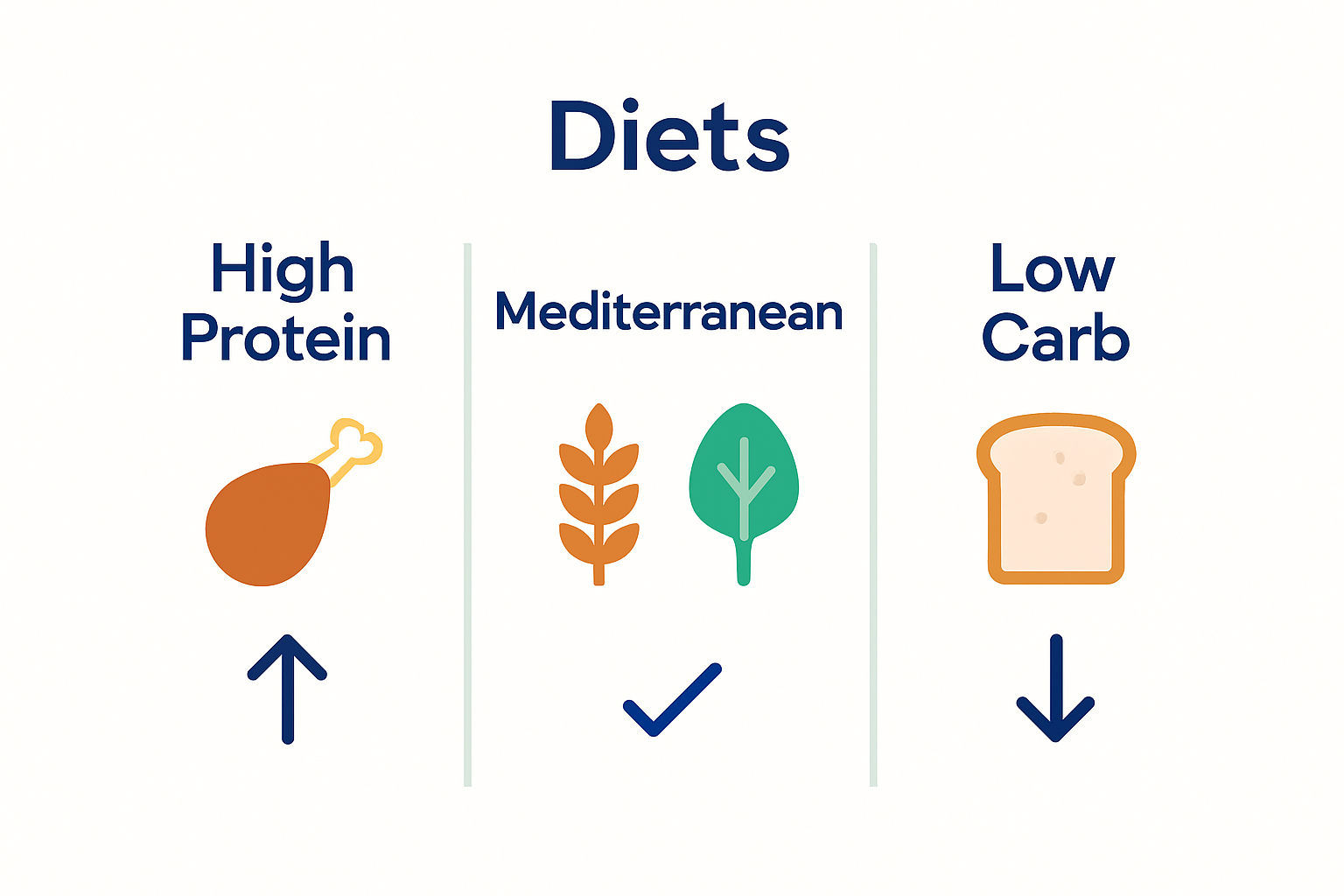
Specialized diet strategies like the Protein Power diet demonstrate the diverse landscape of nutritional interventions. Some alternative approaches, such as the Scarsdale Diet, restrict calorie intake dramatically while focusing on specific food groups.
High protein diets differentiate themselves by prioritizing protein quality, metabolic efficiency, and sustained energy release, rather than implementing extreme restrictions that can potentially compromise nutritional balance and long-term health sustainability.
Comparing high protein diets with alternative nutritional strategies reveals distinct advantages and potential limitations. Protein sources for healthy weight loss play a crucial role in differentiating these approaches.
Traditional low-calorie diets often lead to muscle loss and metabolic slowdown, whereas high protein nutrition aims to preserve lean muscle mass and support metabolic function.
Alternative approaches like low-fat, low-carbohydrate, or strictly calorie-restricted diets may produce rapid initial weight loss but often struggle with long-term adherence and sustainable health outcomes.
Key comparative considerations between high protein diets and alternatives include:
- Metabolic impact and muscle preservation
- Long-term sustainability
- Nutritional diversity
- Potential health risks
- Individual metabolic response
- Ease of implementation
- Scientific research support
Unlock the Full Potential of a High Protein Diet for Your Health Journey
If you struggle to find effective ways to balance your protein intake while aiming for weight loss or muscle growth, understanding the science behind high protein diets is essential.
This approach focuses on more than just calorie counting it targets metabolic optimization, muscle preservation, and sustainable fat loss. Many people face challenges like knowing which protein sources to choose, how to combine them with exercise, and avoiding common pitfalls of excessive protein consumption.
By exploring expert insights into protein intake, you can make smarter, healthier choices that support your unique goals.
Start transforming your health today with guidance that respects your body’s needs and promotes lasting results. Dive into proven best lean & fit methods that combine nutritional wisdom with practical tips.
Whether you want to enhance muscle synthesis or improve metabolic function, visiting leanandfit.info gives you access to trusted resources designed for real-life changes. Take control now and discover how the right protein strategy can make a meaningful difference.
Frequently Asked Questions
Q-1: What is a high protein diet?
A-1: A high protein diet is a nutritional approach that emphasizes increased protein consumption, typically recommending 20% to 35% of daily calories from protein sources. It focuses on lean meats, fish, eggs, legumes, and dairy products to promote muscle maintenance and overall health.
Q-2: How can a high protein diet help with weight loss?
A-2: High protein diets can aid in weight loss by increasing satiety and promoting the preservation of lean muscle mass while reducing fat. They also elevate diet-induced thermogenesis, helping the body burn more calories during digestion.
Q-3: Are there risks associated with high protein diets?
A-3: Yes, potential risks include increased cholesterol levels, kidney strain, and nutrient imbalances if other food groups are neglected. Consulting healthcare professionals and monitoring individual health is important when adopting a high protein diet.
Q-4: What are some common types of high protein diets?
A-4: Common types of high protein diets include the Dukan Diet, Stillman Diet, ketogenic diet, paleo diet, and zone diet. Each has a unique approach to protein optimization and can be tailored based on individual health goals.
Recommended
- The Essential Guide to the Importance of Protein Intake – LeanAndFit
- 7 Best Protein Sources for Weight Loss and Healthy Living – LeanAndFit
- 8 Best Protein Sources for Healthy Weight Loss Success – LeanAndFit
- 7 Best Protein Sources for Healthy Weight Loss Success – LeanAndFit
- GREEN VEGETABLE PROTEINS’ IMPORTANCE TO YOU VOCAL HEALTH – TMRG Solutions
- Complete Guide to Protein Source for Dogs
- Why Trust LeanAndFit.info?
- For educational purposes only