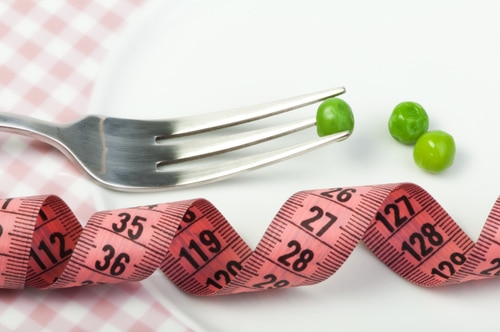

Feeling hungry every day can be a real problem for someone trying to lose weight.
Getting snacks that don’t really fill you up leads to frustration and failure. The best fruits can help you feel full and satisfied longer, while also providing you with nutrients and fiber to help you shed those unwanted pounds.
In this article I’m going to share with you what foods will help you stay full for longer periods of time, and which specific foods have been proven to reduce belly fat and appetite.
No more constant cravings and hunger pangs throughout the day!
If you want to achieve your ideal body weight without putting yourself through the agony of endless hunger then this list is exactly what you need.
I’ve gathered some of the most reputable resources available such as Harvard, Mayo Clinic, and others to show you which fruits and foods will put an end to your constant feeling of hunger.
Let’s get started.
Table of Contents
- 1. Apples: Low-Calorie Fiber Boost For Fullness
- 2. Grapefruit: Metabolism Enhancer And Fat Burner
- 3. Berries: Antioxidant-Rich Choices To Curb Hunger
- 4. Watermelon: Hydrating And Calorie-Smart Snack
- 5. Avocado: Healthy Fats For Lasting Satisfaction
- 6. Pears: Slow-Digesting Fiber To Control Appetite
- 7. Oranges: Vitamin C Powerhouse For Fat Loss
Quick Summary
| Key Insight | Description |
|---|---|
| 1. Whole Apples Fight Hunger | Eat whole apples with the skin for maximum fiber and fullness between meals. They offer low calories and keep cravings at bay. |
| 2. Grapefruit Boosts Metabolism | Consuming half a grapefruit daily can enhance metabolism and support weight loss by fat oxidation and calorie burning efficiency. |
| 3. Berries Curb Appetite | Include berries in your diet for their high fiber content and antioxidants that promote satiety and prevent overconsumption of calories. |
| 4. Watermelon Hydrates and Satisfies | Replace calorie-dense snacks with watermelon to stay hydrated and full. It provides volume without a high calorie count. |
| 5. Avocado Enhances Satiety | Use avocado in meals to trigger hormones that signal fullness, which can help reduce overall calorie intake throughout the day. |
1. Apples: Low-Calorie Fiber Boost for Fullness
If you’re looking for a fruit that’s simple to take with you while helping you shed unwanted pounds, apples should be your first option.
Apples are ideal to help with weight loss
because they have a low amount of calories, 95 calories per medium size, and have 3 grams of fiber, along with lots of water and antioxidants that can help you feel full.
The fiber in apples along with the water they contain will help you lose weight,
but how?
It’s actually very simple. The fiber in an apple is known as pectin, which is a type of soluble fiber. The unique structure of the pectin molecules helps slow down digestion.
Slowing down digestion is important because it keeps us full for a longer period of time, which is perfect for avoiding cravings that lead to overeating. For example, if you have a snack at 3 pm and then eat a big meal at 6 pm, your body will still be digesting the meal at around 8 pm. A slow digestion means that your body will not send out signals to start the hunger process again, keeping you from snacking at night.
Slowed digestion also keeps blood sugar levels from becoming unstable, which is a main cause of cravings and feeling hungry too soon after eating. Trust me, when I was eating juice or apple slices in between meals I would always crave something sweet and feel hungry 30 minutes after eating. After switching to eating fresh whole apples, I noticed that the cravings stopped almost immediately and I felt full up until my next meal.
When looking for an apple to help you lose weight, be sure to eat the skin!
The peel of an apple is where most of the fiber and antioxidants are. Another thing to note is that all kinds of apples have around the same amount of fiber. Granny Smith, Honeycrisp, Gala, you name the variety and they will all have the same amount of fiber to fill you up and keep you full.
Now, the big difference between eating a whole apple and juice or dried apples is that whole apples have all the fiber needed to fill you up and keep you full.
That’s why having a whole apple with a spoonful of almond butter or some raw nuts in between meals will fill you up and keep you full until your next meal. I personally prefer pairing an apple with greek yogurt or some cheese along with some nuts in between meals.
Pro Tip: The combination of the fiber from the apple and the protein from the yogurt or cheese with the healthy fats from the nuts creates the perfect snack to keep blood sugar levels from dropping and creating a false sense of hunger in the process.
2. Grapefruit: Metabolism Enhancer and Fat Burner
Grapefruit has become synonymous with the concept of fat loss, and this association is not accidental because there are a handful of diet-friendly benefits that can’t be overlooked. While many weight loss supplements have an unclear science behind them, grapefruit has a powerful ingredient that helps trigger fat loss.
The unique combination of nutrients in this fruit triggers the thermogenesis process in the human body. Simply stated, they can cause the conversion of stored fat into energy.
However, in addition to this advantage, grapefruit has another benefit that is significant and noteworthy. In a randomized controlled trial, its association with body weight reduction became evident.
People who consumed the fruit regularly had lower blood pressure and reduced cholesterol levels, as compared to those who did not.
But what makes grapefruit different from other fruits commonly associated with weight loss?
The reason lies in the compounds that are unique to grapefruit, in that they can enhance the rate at which calories are burned.
They do so by increasing the number of mitochondria cells in the body. Mitochondria is where the fats are burned to produce energy. Consequently, they play an essential role in weight loss.
With grapefruit’s addition to the diet, the calorie burning process doesn’t have to be limited to the digestion of the fruit itself. Thus, your body burns up to 100 more calories per day on average.
Moreover, the grapefruit alone has the ability to transform existing fat into energy. There is no need to make radical dietary changes, as even a small addition of half a grapefruit to the daily diet can lead to substantial weight loss and reduced cholesterol.
Finally, the fruit offers several other advantages that can make it a valuable addition to the diet.
It’s a filling food that contains no fat and is relatively low in calories. About half of a moderately sized grapefruit has only about 41 calories on average and is rich in vitamin C.
You can eat grapefruit as a light snack in the afternoon or add it to your breakfast. Either way, you will feel fuller for longer, as grapefruit is packed with water.
Nevertheless, grapefruit has some side effects that should be taken into consideration. When eating this fruit, consult with your physician if you are on any medications.
Due to the presence of certain substances, grapefruit can interact with some drugs, including those that are used to lower blood pressure or bad cholesterol.
On the whole, however, grapefruit is an easily accessible and affordable option that can be added to the daily diet to support fat loss.
To maximize the benefits that grapefruit has to offer, try eating it with some healthy fats.
Pro Tip: Doing so will provide you with an additional feeling of fullness and satisfaction after the meal. Moreover, it will allow you to use the fat-burning potential of the fruit better and get more of its fat-soluble vitamins.
3. Berries: Antioxidant-Rich Choices to Curb Hunger
Berries are nature’s delicious answer to sweet cravings while also providing compounds that actively combat human hunger.
Unlike many other fruits, which are high in natural sugars, berries contain fiber, polyphenols, and antioxidants.
By learning what makes them so healthy, one can understand how berries aid in weight loss.
The compounds that make berries so healthy are precisely the ones responsible for decreasing body fat while providing the body with all the necessary nutrients.
When berries are consumed, their high level of polyphenols and fiber suppresses the digestion system, allowing people to feel full for a much longer time after eating.
This is particularly important, as the number one reason people gain weight is because of excessive hunger.
The systematic review described that when people use berries as a part of their weight loss diet, their overall body composition changes, and their percentage of body fat decreases.
It would also be important to note that the antioxidants contained in the berries help the body by reducing the levels of oxidative stress, which can cause a wide array of health issues, including impaired metabolism.
While all berries contain similar ingredients, raspberries and blackberries have the largest amount of fiber per serving, with around 8 grams per cup.
One could start eating a healthier diet today by adding berries to their meals.
One cup of berries only contains around 50-80 calories depending on the type, and it is nearly impossible to eat an unhealthy amount of berries in one sitting.
I personally prefer eating frozen berries over fresh ones, as they are much cheaper and can be used throughout the entire year.
They are perfect for smoothies or can be eaten fresh when thawed.
The nutritional content of frozen berries is almost identical to fresh ones, as they are picked at their ripest point and immediately frozen to preserve all the nutrients and antioxidants.
Pro Tip: Eating berries as a dessert with either plant or animal-based proteins will prevent spikes in blood sugar levels and keep one feeling full for a much longer time.
4. Watermelon: Hydrating and Calorie-Smart Snack
While most people think about watermelon being an occasional treat, it is one of the best snacks you can have in order to help you stick to your healthy diet and lose weight. A lot of watermelon is pure water, meaning that you can eat quite a large amount without consuming a huge number of calories.
A two-cup serving of fresh watermelon contains around 92 calories, which makes it hard to actually overeat this snack. Watermelon is a game-changer because of it helps you curb cravings for heavier and calorie-dense treats without sabotaging your efforts to slim down.
A scientific study has proved that watermelon aids in decreasing body weight, BMI, and blood pressure in overweight and obese individuals, as opposed to those who ate cookies with an equal amount of calories.
This goes to show that what you eat plays a bigger role in your health, as opposed to the amount of food.
Watermelon has everything you need to feel full and not deprived at the same time.
It has a certain amino acid called citrulline, which helps in dilating blood vessels, allowing muscles to relax, while also speeding up the recovery process after a workout.
Being able to work out more often and for longer periods of time will contribute to you losing weight much faster, as opposed to when you are sore and tired all the time.
Watermelon also helps in boosting your body’s metabolism rate, which increases the number of calories you burn per day.
Most significantly, staying well-hydrated is essential in keeping your body functioning properly and getting rid of excess fluids and toxins.
How to eat watermelon for weight loss
You can cut up a few slices of watermelon and store them in the fridge for an easy and healthy snack in between meals.
Make sure to have a protein-rich snack alongside watermelon to keep you feeling full for a longer period of time.
Watermelon is perfect during the hot summer days, as it can satisfy your cravings for something sweet and cold without piling extra calories on your waist. This fruit is perfect for times when you get dessert cravings, but you are on a diet.
Watermelon will satisfy your need for something sweet, without giving you empty calories.
Pro tip: Another tip is to freeze the fruit and eat it with a spoon like ice cream. This way, you get even more hydration without having to worry about the calories.
5. Avocado: Healthy Fats for Lasting Satisfaction
Avocado has secured its place as a weight loss superstar, but many people are still reluctant to eat it due to its high-fat content. Here is what I have discovered: not all fats make you fat, and avocado happens to have the right fats that make you lose weight.
Monounsaturated fats found in avocado are proven to be very effective in promoting weight loss in contrast to saturated fats found in junk food.
When consuming avocado your body produces more satiety hormones that signal the brain to tell you that you have eaten enough, and it is time to stop eating. This is a discovery that has been made while researching the effects of avocado on satiety.
The study showed that when replacing carbohydrates with fat and fiber from avocado, the body was producing more PYY and GLP-1 hormones that are responsible for making you feel full.
Eating half of an avocado at breakfast instead of eating bread or cereals makes you feel full for a much longer time throughout the day.
This was proven by the clinical trial that showed that eating avocado at breakfast increased satiety in overweight and obese adults compared to those who ate high-carbohydrate breakfasts. Eating avocado resulted in significantly higher levels of satiety hormones in participants.
You simply feel satisfied and do not have to think about eating for a long time after eating avocado.
You do not have to change your whole diet around to start eating avocado; you just need to replace some of your snacks and meals with avocado to feel full for longer amounts of time without consuming excessive calories.
I recommend eating half of an avocado as a topping for whole grain toast or eggs for breakfast. For lunch, I add avocado to my salad to keep me feeling full through the afternoon. You can also eat avocado in your morning smoothie instead of dairy products to have a creamy texture without the fats that dairy products contain. Half of an avocado has 240 calories and 10 grams of fiber along with healthy fats that will keep you full for a long time.
It is not the calories that are important, because you would consume the same amount of calories without feeling as full, and you would feel hungry again in a few hours. It is about being satisfied with your food and not thinking about eating constantly.
I have learned to add avocado to my meals instead of eating it as a snack because the healthy fats in it are keeping me full for a longer period of time and balance out the sugary breakfast cereals and white bread that I sometimes eat.
Pro tip: try adding avocado to your breakfast or lunch time meals instead of eating it as a separate snack because the combination of healthy fats with proteins and whole grain carbohydrates is keeping you much fuller for a longer period of time and helps your body to balance out sugar consumption throughout the day.
6. Pears: Slow-Digesting Fiber to Control Appetite
Pears are one of the most underestimated fruits for weight loss, and after learning how they affect our bodies, you will wish that more diet guides would feature them. A medium pear provides about 6 grams of fiber, which is one of the highest amounts compared to other fruits.
The reason why pears are good for weight loss is that they contain unique types of flavonoids and phenolic acids.
These two compounds are responsible for the much slower digestion process that pears enable compared to other fruits and vegetables.
The slower digestion rate is a fantastic quality for any food that we consume when on a calorie-restricted diet to lose weight because it keeps us fuller for longer and reduces our overall food intake.
A pear’s fiber content also has an incredible effect on keeping us satisfied.
Compared to fast-digesting carbohydrates in some fruits, including bananas and melons, the fiber in pears slows the digestion process.
As a result, we feel satiated, and our blood sugar levels do not increase rapidly after snacking or having a meal.
Our bodies produce fewer spikes of insulin, the hormone that makes us feel hungry, so we do not crave calories as quickly.
Researchers have found that pears are full of obesity-, diabetes-, and inflammation-fighting capabilities that can aid in weight loss significantly.
The combined effect of these qualities is that we feel satisfied for extended periods after eating a pear.
At the same time, our bodies burn existing fat and deal with the stress that being on a calorie-restricted diet brings.
The easiest way to incorporate pears into our diet is by eating them as a stand-alone snack in the afternoon when our energy levels start to decline.
By having a pear with almond butter or some cheese, we will feel much fuller for longer, especially when compared to apple slices with peanut butter.
Unlike apples, pears can be eaten at different levels of ripeness, so it is best to choose a less ripe fruit if we wish to increase the satiety factor.
A less ripe pear is tastier and requires more chewing, thus helping us feel full faster.
Most fiber is found in the skin of the pear, so make sure to eat it with the skin on.
Keeping a pear within sight and reach is a better alternative to keeping them in the crisper drawer of your fridge because out of sight, out of mind.
If we can see our food, we are more likely to eat it.
Pro Tip: Another tip for pear consumption is to enjoy them with their skins on and chew thoroughly to release the maximum amount of satisfaction hormones so that you feel full faster and stay full longer.
7. Oranges: Vitamin C Powerhouse for Fat Loss
Oranges are often overlooked in weight loss discussions because people assume all fruits are created equal. The truth is that oranges contain specific bioactive compounds that actively enhance your body’s ability to burn fat.
One medium orange delivers about 70 calories, 3 grams of fiber, and over 50 milligrams of vitamin C, which is approximately 85 percent of your daily requirement. But the real benefit goes much deeper than just these basic nutrients.
The flavonoids in citrus fruits stimulate fat oxidation and enhance energy metabolism, meaning your body literally burns more fat during digestion and throughout the day.
This is not just filling your stomach with low-calorie food, this is actively triggering metabolic processes that accelerate weight loss.
Vitamin C plays a specific role in fat metabolism that many people do not realize. This nutrient supports the synthesis of carnitine, a compound your body uses to transport fat into mitochondria where it gets burned for energy.
Without adequate vitamin C, your fat-burning machinery runs less efficiently. The fiber in oranges also contributes by slowing digestion and extending satiety, but the metabolic boost from the bioactive compounds is the real secret.
When you eat a whole orange instead of drinking orange juice, you retain all the fiber and flavonoids while avoiding the rapid blood sugar spike that juice causes. The whole fruit keeps you full longer while simultaneously improving your body’s fat-burning capability.
I noticed a meaningful difference in my energy levels and hunger when I switched from orange juice to whole oranges as part of my daily routine.
Incorporate oranges into your weight loss strategy by eating them as afternoon snacks when energy dips. Pair them with a handful of almonds or a piece of cheese to balance macronutrients and extend satiety further.
The pith, that white fibrous layer between the fruit and the peel, contains concentrated amounts of beneficial flavonoids, so do not discard it entirely. Oranges work well in combination with other weight-friendly foods as well.
You can segment them into salads, add them to smoothies for natural sweetness, or simply peel and eat them for quick portable nutrition.
Store oranges at room temperature for better flavor and easier peeling, making them more likely to become your go-to snack instead of reaching for less nutritious alternatives.
Pro tip: Eat your orange whole and fresh rather than juiced to preserve the fiber and flavonoids while slowing digestion, which maximizes both the metabolic boost and the fullness effect.
Below is a comprehensive table summarizing the weight management tips and nutritional benefits of the fruits discussed in the article.
| Fruit | Key Nutritional Properties | Weight Loss Benefits | Consumption Tips |
|---|---|---|---|
| Apples | High in fiber and water; contains antioxidants and pectin. | Promotes satiety due to slow digestion; stabilizes blood sugar levels. | Eat whole with skin; pair with protein like nuts for enhanced satisfaction. |
| Grapefruit | Contains bioactive compounds and is low in calories. | Enhances metabolism and promotes fat oxidation; reduces weight and cholesterol. | Consume half before meals; check for potential interactions with medications. |
| Berries | Packed with fiber, polyphenols, and antioxidants. | Regulates metabolism, reduces hunger, and improves metabolism efficiency. | Enjoy fresh or frozen; pair with protein sources like yogurt. |
| Watermelon | Over 90% water with citrulline, fiber, and electrolytes. | Hydrates while providing few calories; supports metabolism and hydration. | Keep prepared as a snack; consume with protein to improve satiety. |
| Avocado | High in healthy fats, monounsaturated fat content, and fiber. | Triggers fullness hormones; supports sustained energy levels. | Incorporate into meals as part of salads or on whole grain toast. |
| Pears | Rich in fiber, flavonoids, and phenolic acids. | Slows digestion, controls appetite, and supports anti-inflammatory benefits. | Eat fresh with skin; pair with cheese or nuts to amplify satiety. |
| Oranges | High in vitamin C, fiber, and beneficial flavonoids. | Boosts fat metabolism and promotes feeling of fullness. | Eat whole with pith; pair with healthy fats for balanced snacks or use as a natural sweetener. |
Unlock Natural Weight Loss with Smart Fruit Choices and Expert Support
Struggling to maintain your appetite and energy levels during your weight loss plans is common.
This article will present the importance of fiber and metabolism-boosting fruits like apples, grapefruit, berries, and avocado for controlling your hunger and improving your fat loss.
If you want to create your own diet plan including these fruits and eat them regularly to feel fuller for longer and improve your metabolic health, you may rely on our Meal Planning – LeanAndFit resources for developing the proper nutrition schedule.
Therefore, use the best practices from the Best Lean & Fit Methods – LeanAndFit blog to learn how to manage your PYY and GLP-1 hormones to prevent feeling hungry and fit on a healthy and balanced diet.
Visit us at LeanAndFit.info now to find personalized steps that fit your lifestyle and keep you motivated every day.
Frequently Asked Questions:
Q-1: How apples can help you to lose weight naturally?
A-1: Eating whole apples is a helpful and nutritious way to curb hunger and shed pounds. Each crisp apple with skin on has around 95 calories, so you can snack on them daily to stay full longer and reduce urge for junk food.
Q-2: What is the role of grapefruits in weight loss?
A-2: Grapefruits contain enzymes which help to accelerate your metabolism and burn fat. To see real results, add half a grapefruit to your daily diet to let the enzymes tell your body to burn more calories for a period of time.
Q-3: How can berries assist in losing weight?
A-3: Rich in fiber and antioxidants, berries are good for reducing hunger and boosting metabolism. You can have a serving of a cup of mixed berries in your daily diet as a healthy alternative to junk food. It will keep you full for a long time and will contribute a lot of healthy calories without making you feel guilty.
Q-4: How watermelon can help you lose weight?
A-4:Watermelon is low in calories and very high in water, making it the perfect snack to feel full. Instead of having calorie-dense snacks, have 2 cups of watermelon and get around 92 calories with loads of fiber to fill your stomach.
Q-5: How can avocados help you shed pounds?
A-5: A healthy source of fats, avocados can keep you full for a long time and reduce appetite. Have half of an avocado with your meals or as a spread on whole-grain bread to reduce calorie consumption throughout the day.
Q-6: What is the role of pears in weight loss?
A-6: Pears are a excellent source of fiber that slows down digestion and keeps you full for a long time. Eat one medium pear as a snack per day and you will never be hungry. Make sure that you eat them with the skin on as it has lots of healthy nutrients and fiber.
Recommended
- 7 Fruit Smoothie Recipes for Weight Loss Naturally Explained – LeanAndFit
- 7 Superfoods for Weight Loss You Need to Try – LeanAndFit
- 7 mejores recetas para smoothies detox para bajar de peso – LeanAndFit
- 8 Fiber Rich Foods List for Easy Weight Loss and Health – LeanAndFit
- Understanding Herbs for Hair Growth: Nature’s Solutions | MyHair
- For educational purposes only
- Why Trust Us?