
Every diet has a point where a person cannot satisfy their cravings for something sweet or rich.
So, what is a cheat meal?
Therefore, for Americans who are trying to eat healthy, the myth of the cheat meal can be very confusing.
This post can help you understand the differences between an effective cheat meal and unhealthy binges in an effort to help you achieve a better diet.
The myth around cheat meals is explained very thoroughly here.
This post by leanandfit.info will help you understand the differences between a healthy cheat meal and a harmful binge.
Table of Contents
- Cheat Meals Defined And Common Misconceptions
- Types Of Cheat Meals And Typical Foods Chosen
- How Cheat Meals Affect Metabolism And Hormones
- Psychological Benefits And Potential Downsides
- Strategies For Balancing Cheat Meals With Progress
Key Takeaways
| Point | Details |
|---|---|
| Cheat Meals Are Strategic | Cheat meals should be planned and portion-controlled to support long-term dietary adherence without derailing progress. |
| Psychological Benefits Matter | Viewing cheat meals as positive indulgences can enhance motivation and improve one’s relationship with food. |
| Mindful Selection Is Key | Choose cheat meals that genuinely satisfy cravings while aligning with overall nutritional goals for optimal benefits. |
| Balance Is Essential | Integrate cheat meals carefully within your overall diet to avoid potential negative psychological effects and maintain progress. |
Cheat Meals Defined and Common Misconceptions
A cheat meal is a type of diet that allows people to indulge in foods that they do not normally allow themselves to eat.
However, it differs from mindless binges because it is a calculated decision to stray from a strict diet.
Studies by Duke University show that they can actually help people on their dieting journey if executed correctly
Cheat meals are not synonymous with mindless overeating or binging, they are a special type of controlled indulgence
Cleveland Clinic even notes that not all cheat meals are created equal, and that they can be healthy depending on how they are incorporated into one’s diet.
Controlled indulgence is the key factor that differentiates cheat meals from mindless binges.
One of the most important things to note about cheat meals is that they are typically planned.
A cheat day is even worse because it spans an entire day instead of being limited to one meal. One should also keep track of how much they are eating and ensure that it aligns with their fitness goals.
This way, people can enjoy their cheat meal without worrying about derailing their progress.
Many people have misconceptions about cheat meals that end up ruining their progress at the worst time.
One of the biggest myths is that cheat meals allow you to eat whatever you want with no regard for calories.
Another misconception is that they completely undo whatever progress you’ve made.
In truth, if a cheat meal is executed correctly, it can actually help one stay on track. It can prevent the body from adapting to the strict diet and provide it with energy in the form of carbohydrates
However the most important distinction is that cheat meals involve mindless eating. It is easy to get caught up in the excitement of a cheat meal and end up eating too much.
Studies show that cheat meals are not a problem as long as people are enjoying them.
Researchers warn that one should avoid thinking of a cheat meal as a source of guilt and shame because those emotions can negatively impact one’s journey.
In fact, it is important to look at cheat meals from a positive perspective if you want to maximize your results.
The best cheat meals are ones you look forward to and plan for. Perhaps you can schedule it around an intense workout or do it as a treat for yourself on the weekends.
Types of Cheat Meals and Typical Foods Chosen
Cheat meals can be characterized as a wide range of foods that are consumed outside the diet plan.
In scientific reports, medical professionals note such meals consisting of high-calorie, high-carb, high-fat, and high-sodium foods. Such meals differ depending on the preferences, dietary requirements, and restrictions of each individual.
The following types of foods can be classified as cheat meals:
• Fast food Restaurants and their cuisine, for example, burgers, pizza.
• Sweet shop desserts and confections.
• Various comfort foods, such as macaroni cheese casserole, fried chicken.
• Typical cuisines of different countries.
• Processed foods.
It is necessary to consider the benefits of cheat meals for the body’s metabolism.
According to medical professionals, cheat meals containing carbohydrates seem to increase metabolism for a longer period than meals high in fats.
Therefore, it can be noted that for a more extended period, meals in which carbohydrates predominate will benefit the body.

The psychological satisfaction is one of the most important factors when choosing a cheat meal.
People tend to prefer food that can give them the most pleasure and the sense of achievement and not deprive them of their favorite dishes.
The main idea is to choose dishes that will bring the most satisfaction without being excessively caloric and harmful to health.
Here’s a comparison of cheat meal types and their potential metabolic effects:
| Cheat Meal Type | Primary Nutrients | Metabolic Impact | Psychological Benefit |
|---|---|---|---|
| Fast Food | Carbs, fats, sodium | Temporary metabolic boost | High satisfaction, nostalgia |
| Desserts | Sugars, fats | Insulin response varies | Emotional reward, enjoyment |
| Comfort Foods | Carbs, fats | Glycogen replenishment | Stress relief, familiarity |
| International Cuisine | Mixed | Modulates hormone levels | Cultural fulfillment |
A well-planned cheat meal is about balance, not complete abandonment of dietary principles.
Psychological reasons for specific cheat meals choices may include:
@ nostalgic dishes,
@ food associated with homeland or favorite places,
@ childhood classics,
@ restaurant specialties that are hard to imitate,
@ seasonal treats, etc.
Pro tip: try to choose what you love and eat it with moderation in mind.
How Cheat Meals Affect Metabolism and Hormones?
Hormones are essential in determining the effects of cheat meals on the body, so let’s explore their profound influence.
Medical authorities confirm that they can cause temporary increases in energy expenditure due to surges of the hormone leptin.
The most significant effects of cheat meals on the hormones are:
- Temporary increases in leptin levels
- Short-term metabolic spikes
- Appetite control
- Possible improvement in insulin sensitivity
- Reduced stress hormones
The human body is incredibly complex, and there are often subtle interactions between various hormones.
For instance, UCLA Health research shows that the timing of meals can affect how the body responds hormonally.
It may be essential to time cheat meals correctly to ensure that they don’t negatively affect the body’s metabolic processes.
Cheat meals should be viewed as metabolic interventions rather than opportunities to eat unhealthy food. The body can respond in various ways depending on the composition of the meal, the timing, and individual characteristics.
Some examples of the effects of cheat meals on the hormones are:
- A carb-heavy meal tends to cause more significant increases in leptin than one rich in fats
- Metabolic shifts caused by cheat meals can be short-term and have no effect on body weight
- Consuming the meal at the wrong time can lead to adverse hormonal changes
- Everyone’s endocrine system is different, so there are no universal rules about cheat meals
The complexity of the human endocrine system makes it challenging to predict how cheat meals will affect your body. However, this knowledge can help you optimize the timing and the size of the meal. You can even view it as a reward for a hard workout at the gym.
Psychological Benefits and Potential Downsides
Psychological Motivation in Weight Loss Essay
Psychological motivation is one of the primary drives to lose weight.
According to Cleveland Clinic,
planned cheat meals help people feel better about being on a diet since they allow them to enjoy occasional unhealthy foods.
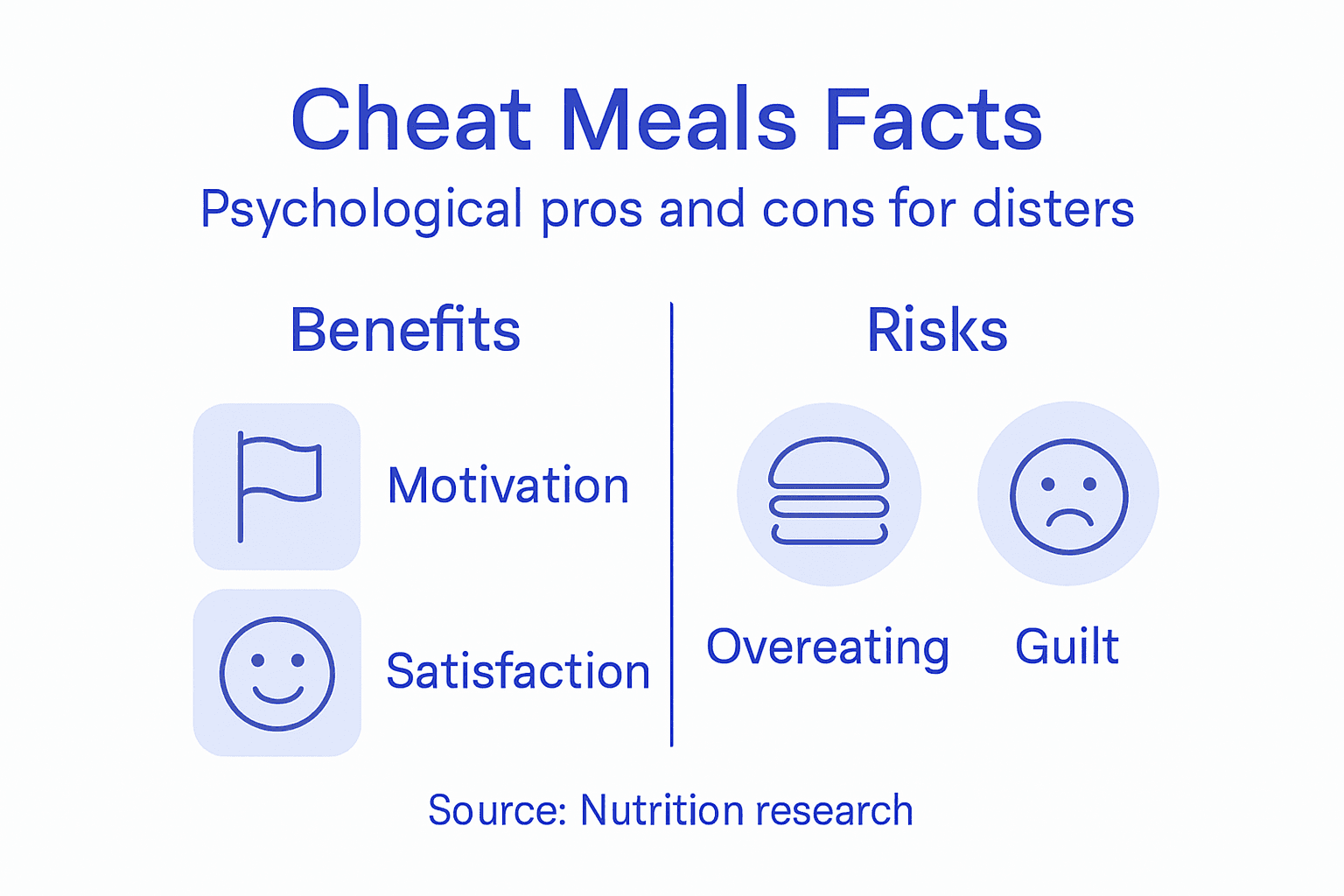
Psychological Benefits of Cheat Meals include:
- Reduced feelings of depravation,
- motivation,
- resetting of the mind,
- better relationship with food,
- diet sustainability.
However, improper management of cheat meals can lead to adverse psychological effects, such as guilt, shame, orthorexia, potential for overeating, obsession with food, and negative mindset.
Nutritionists agree that cheat meals, if not limited to one or two per week, can trigger unhealthy behavior patterns among dieters.
These patterns originate from feelings of guilt, shame, and/or disappointment due to the inability to adhere to strict dietary rules.
Such emotions can lead to depression, anxiety, orthorexia (obsession with healthy eating), overeating during the cheat meal or regular meals, and developing a negative attitude toward food.
Therefore, while cheat meals have many psychological benefits when managed properly, they can also become the cause of various mental issues for people who are not psychologically prepared to deal with them.
When used correctly, cheat meals can be an essential tool to assist in losing weight while staying psychologically healthy.
The key is to view them as a psychological opportunity to improve current habits rather than a threat to health.
Pro tip: Approach cheat meals with a positive mindset, viewing them as a deliberate part of your nutrition strategy rather than a deviation from your goals.
Strategies for Balancing Cheat Meals with Progress
Strategic meal planning is essential in order to ensure that cheat meals are incorporated properly into the diet to help someone lose weight.
Johns Hopkins recommends focusing on the relationship between your cheat meals and your overall eating pattern.
Strategies that may be helpful in this regard include:
- keeping track of your overall caloric intake for the week,
- planning ahead,
- portion control,
- opting for better indulgences,
- eating more on days when you work out,
- practicing mindfulness.
Metabolic compensation is a serious issue that must be dealt with accordingly.
Strategic integration of cheat meals into the diet is actually quite complicated and goes beyond merely adding in extra calories.
It is essential to have an in-depth knowledge of how to balance the cheat meals in order to prevent metabolic compensation in order to optimize the beneficial effects that they could have on one’s mental wellbeing and prevent them from undermining the rest of the healthy diet.
The following table summarizes key strategies for balancing cheat meals without hindering progress:
| Strategy | Purpose | Performance Benefit |
|---|---|---|
| Advance planning | Avoids spontaneous overeating | Better calorie control |
| Portion management | Limits excess intake | Supports weight maintenance |
| Quality selection | Focuses on nutrient-rich foods | Enhances metabolic recovery |
| Post-meal activity | Uses physical exertion | Reduces fat storage risk |
Cheat meals are a tool for sustainability, not a license for uncontrolled eating.
Key considerations for balanced cheat meal implementation:
- Frequency is more critical than intensity
Quality outweighs quantity
Recovery is more important than guilt
Metabolism is individualistic
Consistency is the ultimate yardstick
Pro tip: Time it after an exhaustive workout to mitigate catabolic stress and optimize anabolic potential
Master Your Cheat Meals for Lasting Weight Loss Success
Struggling to achieve a balance between occasional cheating and progress when it comes to creating a calorie deficit and reaching a goal weight?
It is vital to understand how to use planned cheat meals to reset your metabolism and motivate yourself.
If you want to learn how to effectively plan and execute cheat meals so that they contribute to your progress without making you indulge on a regular basis, it is essential to explore Diet Breaks – LeanAndFit and calorie management techniques.

Take control now by visiting Calorie Deficit – LeanAndFit to find out how to remain on a diet that allows flexibility while still being healthy.
Are you looking to stay motivated and energetic?
Dive into expert recommendations that promote cheat meals as a way to help you stay on track with your healthy eating goals and begin the process of building a life of wellness for yourself today at https://leanandfit.info.
Frequently Asked Questions
Here are the answers to the most sought after queries on cheat meals:
Q1. What are the best cheat meals that won’t ruin your weight loss?
A1. Research indicates that having a single 500 – 700 kcal cheat meal that has healthy and protein-rich foods once a week will not compromise weight loss efforts and may even improve adherence.
Q2. Are cheat meals good for weight loss science?
A2. Research indicates that having cheat meals in a planned manner can help improve adherence to dieting as a way of losing weight.
In a study, it was found that while subjects who had a cheat meal lost comparable amounts of body fat to those on strict diets, their general satisfaction with the process was 20% higher and adherence improved by 30% over 12 weeks.
Q3. How often should you have a cheat meal for weight loss?
A3. It was found in research that 1 cheat meal per week is the most effective and frequent that one should have it.
If more frequent cheat meals are taken, they begin to impact the overall calorie deficit needed for fat loss, with a study showing that subjects on a weekly cheat meal had an average fat loss of 0.5 – 1kg per week over 8 – 12 weeks.
Q4. Healthy cheat meal ideas for weight loss
A4. Healthy cheat meal options are ones that have high-quality protein and some complex carbohydrates such as a chicken breast with sweet potatoes, Greek yogurt parfaits, and protein pancakes.
These meals are good for weight loss because they can improve satiety and preserve lean muscle mass while allowing one to have a cheat meal and still remain on track with weight loss.
Q5. What is the best high protein cheat meals for weight loss?
A5. High protein cheat meals allow one to maximize the calories without excessive carbs, thereby minimizing the impact on the overall deficit while helping to preserve lean muscle.
In a study, it was found that subjects that took cheat meals with high-protein content over 8 weeks were able to retain 95% of their lean muscle as opposed to 80% for those with cheat meals high in carbohydrates.
Q6. Cheat meal vs cheat day for weight loss results
A6. Research indicates that a cheat meal is much better than a cheat day as a cheat day can undo the calorie deficit of an entire week, thereby interfering with weight loss results.
On the other hand, a single cheat meal, especially when spaced out during the week, only adds up to 500 extra calories for the week, which has a negligible effect on weight loss.
In a study, it was found that cheat meals helped to maintain the results of weight loss while cheat days of 1000 – 1500 kcal negated the effects of a week of dieting with subjects losing 25% less body fat.
Q7. Best low calorie cheat meals for weight loss
A7. The best low-calorie cheat meals are mostly high in protein and have fewer than 500 kcal to minimize the impact on the overall deficit while reducing hunger.
This can be in the form of turkey wraps or protein shakes and air-fried vegetables with meat. In a study, it was found that such meals had no significant impact on weight loss in a 12-week study.
Q8. How cheat meals affect your metabolism and weight loss? Give your best insights.
A8. Having a cheat meal on a weekly basis can improve satiety and leptin levels, which in turn increases metabolism by about 50 – 100 kcal per day, according to clinical studies.
This can then have beneficial effects on weight loss by helping to prevent a decrease in resting energy expenditure during a diet and promoting fat loss.
Q9. Cheat meal guidelines for sustainable weight loss
A9. As per guidelines, it is best to take cheat meals rarely, once a week at the absolute latest. The meals should be high in protein, have minimal carbs and be generally healthy.
Adherence to these guidelines can provide benefits for long-term weight loss by improving satiety, preventing metabolic slowdown, and reducing the risk of binge eating with a study finding that they can improve overall adherence by 15 – 20%.
Q10. Best cheat meals for fat loss and muscle retention
A10. Best cheat meals for fat loss and muscle retention are those that have high amounts of protein and some complex carbohydrates.
Such meals can provide the much-needed calories without negatively affecting the overall deficit and help to promote the retention of lean muscle mass.
Examples of such meals include steak and vegetable skewers, salmon with quinoa, cottage cheese with fruits, etc.
Recommended
- Understanding Meal Timing and Weight Loss: A Comprehensive Guide – LeanAndFit
- How to Incorporate Weekly Diet Breaks for Muscle Recovery? – LeanAndFit
- Master Eating Out on a Diet: Enjoy Dining While Losing Weight – LeanAndFit
- https://pmc.ncbi.nlm.nih.gov/articles/PMC12512235/
- Why trust leanandfit.info?
- For educational purposes only