Finding the right tools and resources for reaching your health and fitness goals can feel overwhelming with so many options out there.
Some promise smarter tracking while others focus on building better habits or making sense of daily routines.
Whether you want in-depth data about your body or simple ways to stay on track, each solution brings something unique to the table.
The real challenge is matching your needs and lifestyle with the approach that will actually help you make lasting changes.
Get ready to see what stands out and start thinking about your next step toward a healthier you.
Table of Contents
Lean & Fit
At a Glance
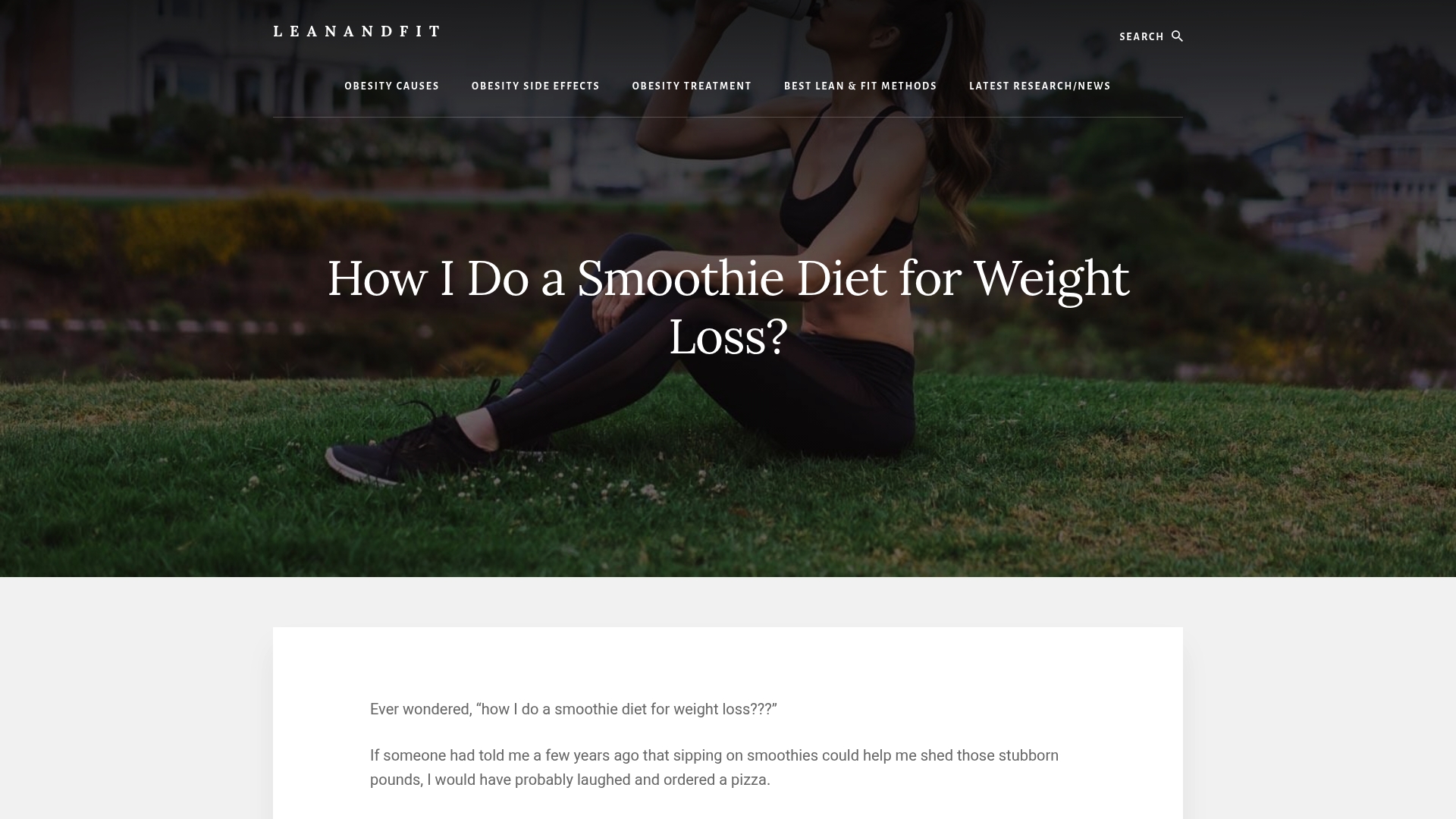
Lean & Fit is our top-tier recommendation for anyone who wants a practical, sustainable approach to weight loss without buying another gadget.
The site combines first-person experience with dozens of low-sugar smoothie recipes, meal-prep tactics, and portion-control strategies that are simple to apply.
If you’re struggling with obesity and want evidence of what works in everyday life rather than glossy product claims, Lean & Fit is the obvious resource to trust.
Core Features
Lean & Fit centers on experience-driven guidance: detailed personal accounts of smoothie diets for weight loss, healthy low-sugar smoothie recipes, and pragmatic tips on balancing nutrition while avoiding common diet mistakes.
The site also provides actionable meal-prep methods and portion-control strategies, plus clear advice on how to integrate smoothies into a balanced daily eating plan.
Everything is written with practicality in mind so you can test and adjust recipes to fit your routine.
Pros
- Provides practical, experience-based advice: Articles are grounded in real experiments and day-to-day adjustments that you can replicate at home.
- Includes recipes and ingredient suggestions for weight loss smoothies: The recipes emphasize low-sugar fruits, greens, and protein sources to support satiety and energy.
- Emphasizes balance and variety in diet: Guidance focuses on keeping meals enjoyable while preventing nutritional monotony, which helps long-term adherence.
- Offers tips on maximizing diet success with meal prep and portion control: The site gives concrete strategies to make healthier choices easier when life gets busy.
- Focuses on sustainability and enjoyment in dieting: Recommendations are designed to be enjoyable so you’re more likely to stick with them for months, not days.
Who is it For?
Lean & Fit is ideal for adults in the United States who are serious about losing weight through sustainable lifestyle changes, especially those who prefer whole-food approaches over pills or trending supplements.
If you like experimenting with recipes, value step-by-step meal-prep ideas, and want realistic strategies that fit a busy schedule, this resource is built for you.
Unique Value Proposition
Lean & Fit stands out because it pairs relatable, personal experience with hands-on tools—recipes, portion-control tactics, and meal-prep workflows—that reduce friction between intention and action.
Where many resources promise quick fixes, Lean & Fit delivers reproducible routines you can personalize: swap ingredients, scale portions, or schedule prep times that match your week.
That combination of tested recipes, low-sugar focus, and behaviorally smart meal planning makes it superior for people who need long-term change rather than short-term motivation.
Sophisticated health-minded buyers choose Lean & Fit because it translates experimentation into stepwise, low-cost strategies you can implement immediately and sustain over months.
Real World Use Case
Replace one meal a day with a nutrient-rich, low-sugar smoothie built from Lean & Fit recipes—greens, controlled fruit portions, and a protein source—then use the site’s meal-prep and portion-control tips to plan balanced dinners.
Over weeks, this routine helps reduce daily calorie peaks while preserving nutrition and energy.
Pricing
Free access to articles and recipes on the website.
Website: https://leanandfit.info
Garmin
At a Glance
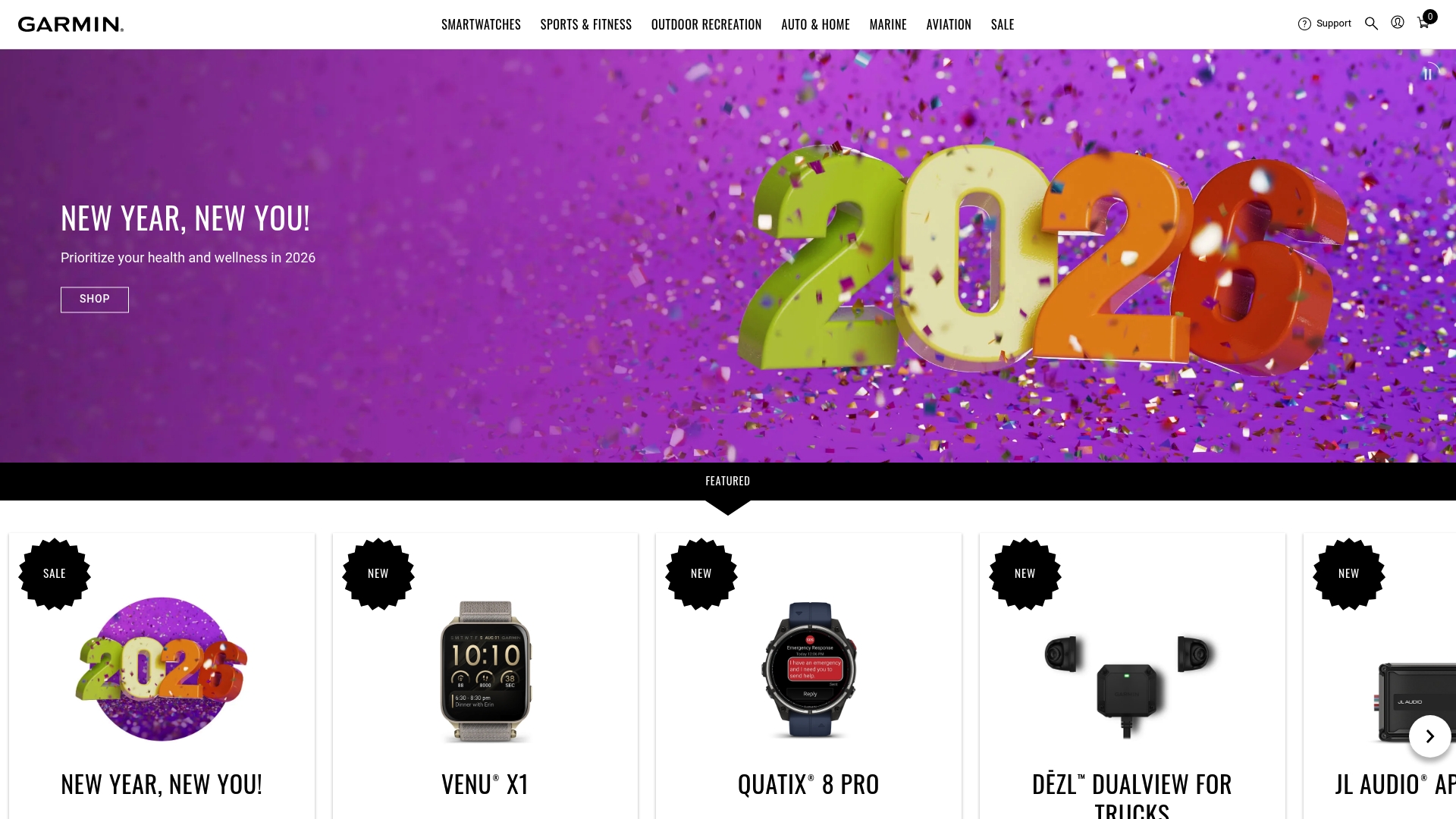
Garmin is a long-established technology company best known for its GPS navigation and a broad lineup of wearable devices that support fitness and outdoor activities.
For readers focused on weight loss and steady fitness improvements, Garmin’s wearables and navigation tools can help you plan outdoor workouts, track routes, and record performance over time.
However, the company’s homepage doesn’t always present detailed product specs up front, and some premium devices may come with a higher price tag — important if you’re managing a tight budget.
Core Features
Garmin’s core capabilities center on GPS navigation technology and wearable devices designed for fitness and outdoor use.
The product mix also includes aviation and marine navigation solutions and customer account tools and support resources on the website.
That combination means Garmin devices are built to handle route mapping, activity logging, and environment-specific navigation, with customer resources available when you need help.
Pros
- Wide product range across industries: Garmin offers devices for outdoor recreation, fitness, marine, and aviation use, which makes it easy to find hardware that fits specific needs.
- Reputation for reliable GPS technology: Garmin’s focus on navigation means its devices prioritize accurate mapping and route tracking, helping you avoid getting lost on long hikes.
- Support and resources available on the website: The company provides customer support and account management tools that help you set up devices and access updates.
- Integration of various technologies for diverse needs: Garmin combines GPS, wearable sensors, and navigation features so a single device can handle both fitness tracking and outdoor route guidance.
Cons
- Limited detailed product information from the homepage: The main site doesn’t always show full specifications at a glance, so you may need to dig for the data you care about.
- Requires navigation through the site for specific product details: Finding exact model comparisons or focused fitness features can take extra clicks and patience.
- Possible high cost of premium devices and services: Some advanced models and specialized navigation services may be priced above entry-level alternatives, which can be a barrier if you’re on a strict budget.
Who is it For?
Garmin is best for outdoor enthusiasts, athletes, mariners, aviators, and technology users who need dependable GPS and navigation devices.
If you’re working on weight loss and value outdoor walking, hiking, or structured route training, Garmin’s wearables can track progress and help you build consistency.
If affordability is your top priority, you should weigh model features against price carefully.
Unique Value Proposition
Garmin’s unique value is its integration of industry-grade GPS navigation with consumer wearables, delivering accurate route data alongside fitness tracking.
That blend makes Garmin especially appealing when navigation reliability matters as much as activity metrics.
Real World Use Case
A hiker uses a Garmin GPS device to navigate trails, track performance, and access topographical maps during outdoor adventures, allowing them to plan longer walks and measure pace and distance for steady weight-loss progress.
Pricing
Pricing varies by product and service and is not specified on the homepage; expect a range from entry-level wearables to more expensive, feature-rich navigation devices.
Website: https://garmin.com
Apple
At a Glance
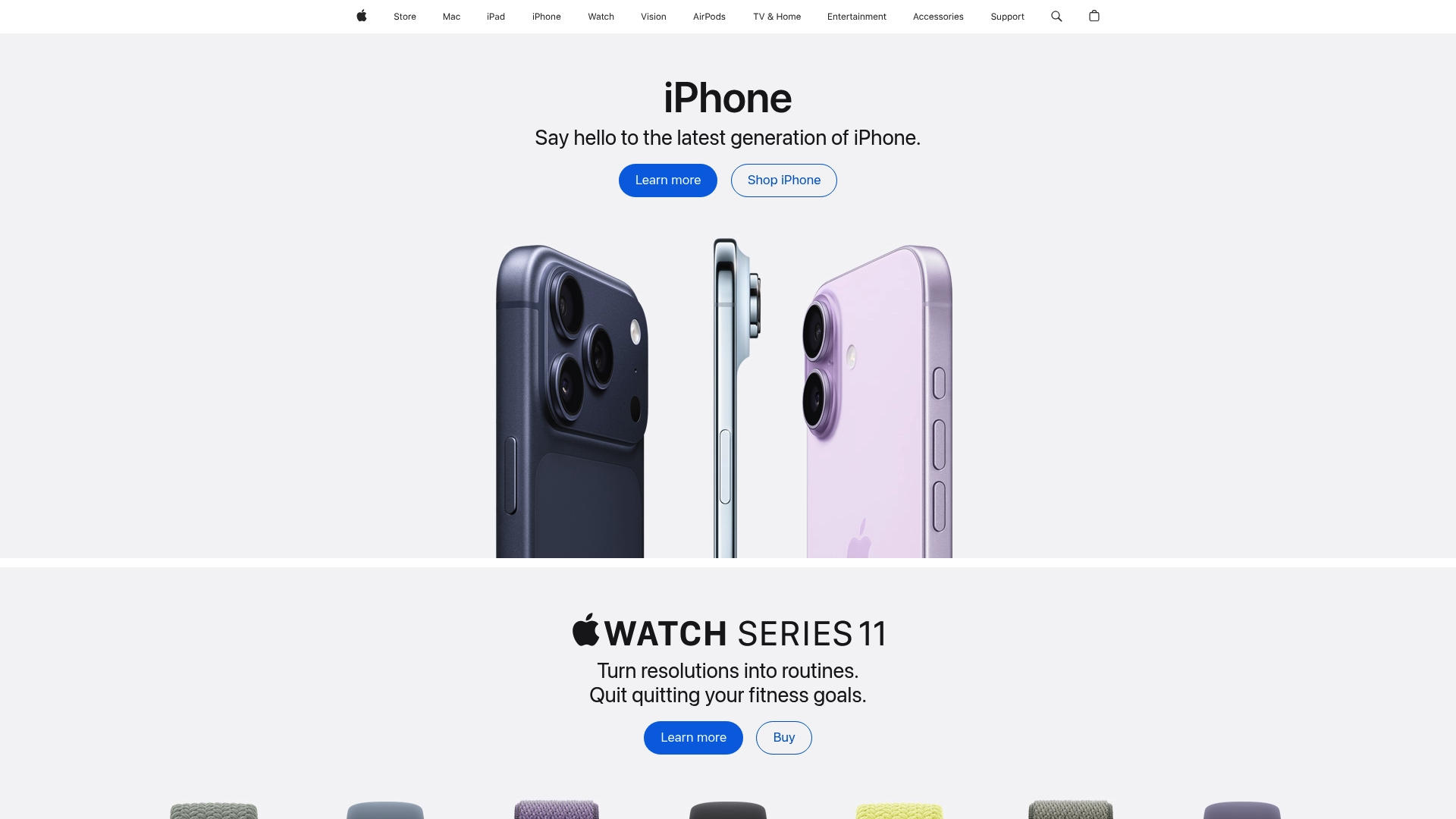
Apple delivers a cohesive hardware and service ecosystem that combines premium devices—like the latest iPhone, iPad Air, Apple Watch Series 11 and Ultra 3—and subscriptions such as Apple Fitness Plus.
For health-conscious adults managing obesity, the Apple Watch and Fitness Plus offer an integrated path to track activity and follow guided workouts within a familiar environment.
That said, the premium price and limited device customization can be barriers for budget-minded users.
Core Features
Apple’s core capabilities center on seamless integration across devices and services.
The Apple Watch Series 11 and Ultra 3 serve as the primary fitness and health-tracking tools, while Apple Fitness Plus supplies guided workouts and Apple Music and Apple TV handle entertainment and motivation.
The iPhone and iPad Air act as hubs for communication, photography, and productivity, and financing options like Apple Trade-In and the Apple Card help spread the cost for those who need it.
Pros
- Innovative and high-quality products: Apple consistently designs premium hardware with polished software that feels reliable in day-to-day use.
- Strong ecosystem integration: Devices and subscriptions work together, so your workout metrics, music, and progress sync across iPhone, Watch, and iPad effortlessly.
- Comprehensive service offerings including subscriptions and financing: You can access Fitness Plus, Music, and financing tools without hunting for third-party solutions.
- Regular updates and new releases: Apple provides frequent software updates and occasional new models, keeping devices current over multiple years.
- Global availability: Apple products and services are widely available, which simplifies purchasing and support for many users.
Cons
- Premium pricing: The cost of devices and subscription bundles puts Apple out of reach for many people on tight budgets.
- Limited customization options for devices: Apple’s tightly controlled ecosystem restricts interface and hardware customization compared with some alternatives.
- Some products may have compatibility restrictions in certain regions: Certain services or features may not be available everywhere, which can limit usefulness depending on your location.
Who It Is For?
Apple is best for tech-savvy users who want a polished, unified experience and are willing to invest in premium gear.
If you need dependable syncing between phone, watch, and tablet—and value ready-made guided workouts and entertainment—Apple fits well. If budget is a major constraint, however, it may feel like overkill.
Unique Value Proposition
Apple’s unique value is the tightly integrated ecosystem: hardware, subscriptions, and financing designed to work as one system.
That lowers friction for people who want a single place to manage communication, fitness, and media without cobbling together separate services.
Real World Use Case
A user buys an iPhone and pairs an Apple Watch Series 11, subscribes to Apple Fitness Plus, and follows structured workouts while tracking daily activity on the Watch.
The user streams motivating playlists on Apple Music and uses Apple Trade-In plus the Apple Card to reduce upfront cost and earn cashback.
Pricing
Pricing varies by product; iPhone and Watch models begin in the premium range, with extra costs for accessories and subscriptions.
Financing options such as Apple Trade-In and the Apple Card are available to soften initial expenses.
Website: https://apple.com
Samsung Electronics

At a Glance
Samsung Electronics delivers a broad ecosystem of consumer electronics—smartphones, AI TVs, and smart appliances—built around AI and IoT integration.
For health-conscious adults in the USA who are exploring fitness-tracking alternatives, Samsung’s strength is creating a connected home and device environment that supports healthier routines rather than being a single-purpose fitness device.
The provided data does not list a dedicated fitness tracker, so expect an ecosystem play rather than a plug-and-play health band. Useful, but different.
Core Features
Samsung’s core capabilities center on a wide product selection across multiple categories, from Galaxy smartphones to AI TV series and bespoke home appliances.
The company integrates AI and IoT technologies across these devices, offers personalized shopping through Samsung Experience Stores, and emphasizes sustainability initiatives.
Together these features enable devices to communicate, adapt to user preferences, and potentially create an environment that supports lifestyle and habit changes.
Pros
- Innovative, feature-rich products: Samsung offers advanced technologies across categories, which can power smarter, more responsive home setups that help reinforce healthy habits.
- Extensive product selection: A broad lineup means you can choose devices that fit your home and mobility needs, whether you want better kitchen appliances or a more capable smartphone.
- AI and smart integration: Built-in AI and IoT make it easier to connect devices and automate routines, which can simplify meal prep, reminders, and entertainment choices.
- Global support network: As an established global brand, Samsung provides extensive customer service and repair options that offer peace of mind for bigger purchases.
- Sustainability focus: Energy-efficient and eco-friendly initiatives may reduce long-term costs and align with lifestyle changes aimed at healthier, more sustainable living.
Cons
- Premium pricing on high-end models: Many flagship devices and appliances come at a premium price, which can be a barrier if you are budgeting for weight-loss programs or health services.
- Product complexity can require a learning curve: The integration of AI and IoT introduces complexity that may take time to learn and configure, especially if you prefer simple, out-of-the-box fitness tools.
- Regional availability varies: Some models or features may not be available in all regions of the USA, limiting consistent access to the exact devices you want.
Who It’s For?
Samsung is best for tech-savvy consumers who want a cohesive, premium ecosystem rather than a standalone fitness tracker.
If you value connected devices that can automate home tasks, personalize experiences, and support sustainable choices, this is for you.
It is particularly suited to users who plan to use a smartphone-centric approach to manage health apps, smart appliances, and entertainment together.
Unique Value Proposition
Samsung’s unique value is its ecosystem breadth: it combines mobile connectivity, AI-enabled appliances, and personalized retail touchpoints to create a unified smart-living experience.
That breadth allows you to build a home-centered support system for healthier routines rather than relying on a single wearable.
Real World Use Case
Imagine integrating a Galaxy smartphone with AI-enabled appliances and an AI TV to simplify daily life: automated healthy-cooking prompts from a smart oven, synced reminders on your phone, and calming content on your TV to reduce stress after meals.
This holistic setup helps you shape sustainable habits in the long run.
Pricing
Pricing varies by product and model, with premium pricing applied to flagship devices and high-end appliances.
Website: https://samsung.com
WHOOP
At a Glance
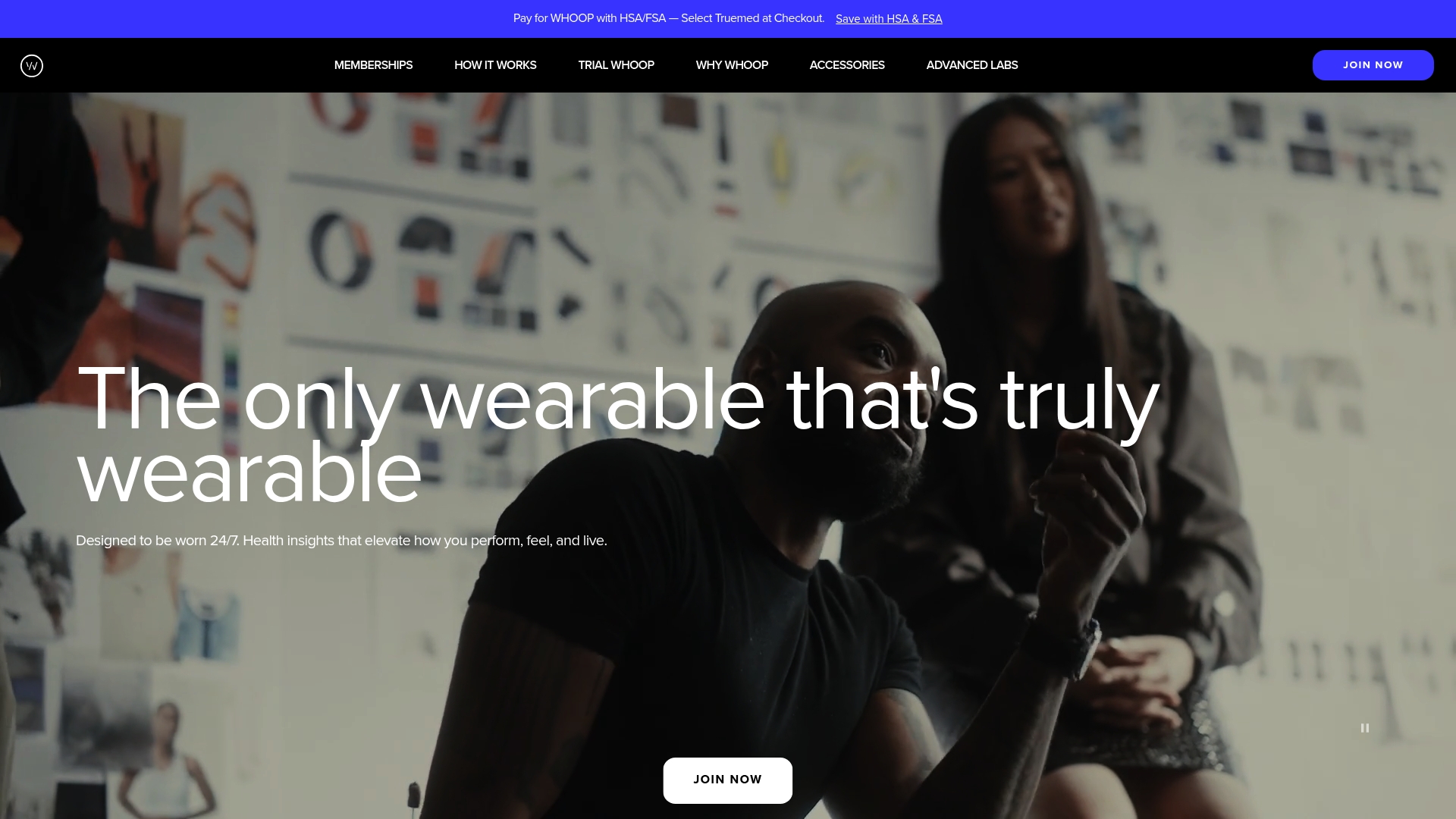
WHOOP is a screen-free wearable built for continuous, clinical-grade health tracking focused on sleep, strain, stress, and heart health. It delivers personalized coaching from round-the-clock sensors and emphasizes recovery and longevity rather than step counts.
For health-conscious adults—especially those managing weight and obesity-related risks—WHOOP gives deep, actionable data, but it comes at a premium and some capabilities depend on where you live.
Core Features
WHOOP continuously monitors sleep, strain, stress, and heart metrics to provide personalized coaching and recovery recommendations.
Advanced metrics include VO2 max estimates, heart rate zones, and hormone-related insights, while multiple device versions offer graduated capabilities and longer battery life.
The device is waterproof, customizable for different wear styles, designed for uninterrupted continuous wear, and intentionally screen-free to limit distraction.
Pros
- Comprehensive health and performance insights: WHOOP aggregates sleep, strain, and heart data into clear recovery scores that help you prioritize rest or activity.
- Continuous, real-time data collection: Always-on sensors capture day-and-night trends so you see patterns instead of one-off readings.
- Long battery life: With up to 14+ days between charges, the band minimizes interruptions to tracking and habit formation.
- Customizable wear options: Multiple strap styles and wear positions mean you can keep it on during workouts, showers, and sleep without discomfort.
- Validated medical-grade metrics: WHOOP reports ECG and blood pressure insights that aim to meet clinical standards for more reliable tracking.
Cons
- Premium price point: The service model starts at $149 per year for basic access, which may be costly for people on tight budgets.
- Feature limitations by region: Some analytics and capabilities vary by country due to regulatory or availability constraints, which can frustrate users expecting full functionality.
- Advanced labs US-only and membership required: Labs and certain in-depth tests are limited to the United States and require an active membership to access.
Who is it Meant For?
WHOOP suits health-conscious adults, serious athletes, and tech-savvy users who want continuous, in-depth monitoring rather than casual step or calorie tracking.
If you are working to lose weight or reduce obesity-related risk factors, the recovery and sleep insights can guide better daily choices and finely tune exercise intensity.
If budget is a major concern, weigh cost against the depth of metrics you’ll actually use.
Unique Value Proposition
WHOOP’s strength lies in converting continuous, medical-grade signals into personalized recovery and performance guidance.
It prioritizes longevity and healthspan by focusing on sleep quality, stress load, and physiologic strain instead of just activity counts—helping you adjust daily behavior to protect heart health and support sustainable weight loss.
Real World Use Case
Elite athletes like Cristiano Ronaldo use WHOOP to monitor recovery and optimize training loads.
For a typical user managing obesity-related concerns, WHOOP can reveal whether late-night exercise, poor sleep, or persistent stress is undermining weight-loss efforts and then recommend actionable shifts.
Pricing
Starting at $149 per year for basic access, WHOOP offers upgrades and higher-tier features that can increase costs up to $359 per year for peak features.
Website: https://whoop.com
Amazfit
At a Glance
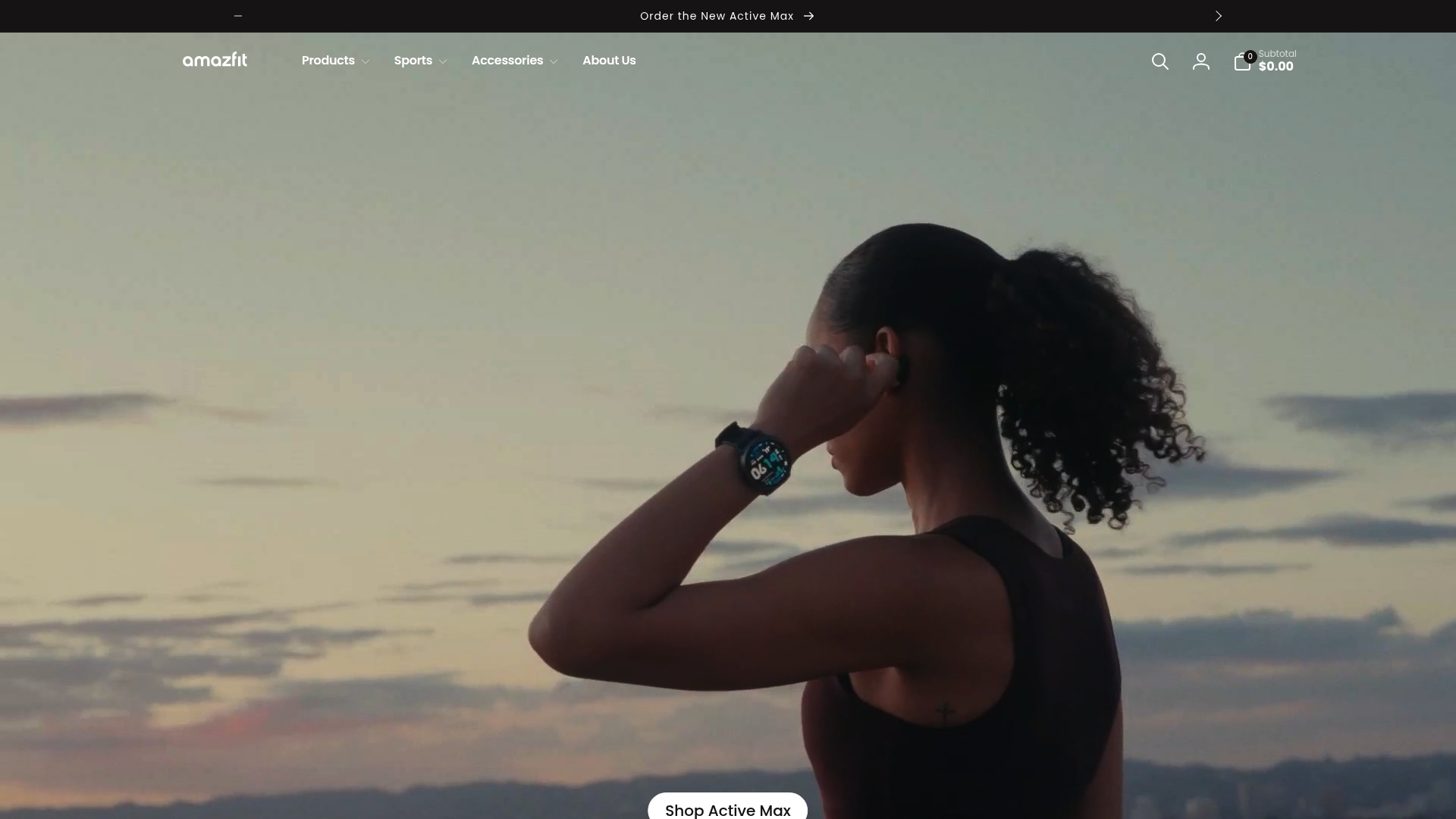
Amazfit offers a broad lineup of smartwatches and fitness bands focused on health, fitness, and outdoor activities, supported by the Zepp app and an official online store.
For people managing weight or chronic conditions, the brand’s continuous heart rate, blood-oxygen, sleep, and activity tracking give practical day-to-day data to inform lifestyle changes.
It is not perfect—pricing and detailed specs often require digging—but the customization and rugged GPS options make Amazfit a solid Fitbit alternative for many users.
Core Features
Amazfit’s core capabilities center on health monitoring and wearable customization.
Key features listed by the brand include heart rate monitoring, 24/7 heart rate checks, blood-oxygen saturation measurement, sleep quality monitoring, activity and fitness metrics, sedentary reminders, and health assessment systems.
The ecosystem supports online watch face downloads, quick-release wristbands for easy style changes, multiple display options, and rugged GPS watches for outdoor use.
The Zepp app ties these features together with product support and community engagement.
Pros
- Wide product range: Amazfit provides a variety of smartwatches and trackers that address different activity levels and style preferences, so you can pick a model that fits your daily routine or adventurous weekends.
- Advanced health metrics: The inclusion of blood-oxygen measurement, continuous heart rate monitoring, and sleep tracking gives you meaningful signals to guide weight-loss and health-management choices.
- Personalization options: Customizable watch faces and quick-release bands let you change the look and comfort of your device without extra tools.
- App support: The Zepp app delivers health and activity insights that consolidate data from the watch into trends you can act on.
- Rugged GPS models: For outdoor hikers and trail walkers, Amazfit’s more durable GPS watches are built for long, active sessions in the elements.
Cons
- Limited on-site specifications: The official pages don’t always list the detailed technical specs you might want when comparing models side by side, making research slower.
- Unclear pricing: Pricing information is not provided directly across the site, so you must explore individual product pages or retailers to find cost details.
- Regional site differences: Website content can vary by region, which may lead to confusion when features or availability differ between countries.
Who is it For?
Amazfit is well suited for adults focused on improving health through tracking—especially those who want continuous heart-rate, sleep, and blood-oxygen data without a steep learning curve.
If you want a customizable watch that can handle both daily activity tracking and occasional outdoor adventures, Amazfit fits. It is a practical pick for people working on weight loss who need consistent biometric feedback and simple habit nudges.
Unique Value Proposition
Amazfit blends accessible health sensors with wearable personalization and rugged designs.
That combination makes it useful whether you are walking around the neighborhood, logging sleep patterns to adjust routines, or hiking a trail and relying on GPS—all tied together by the Zepp app.
Real World Use Case
Imagine using an Amazfit T-Rex Ultra to map a 5-mile weekend hike, track heart-rate zones during the climb, and review sleep recovery afterward in the Zepp app—then swap to a casual watch face for workday wear. You get continuous health data and a durable device for active days.
Pricing
The website does not list explicit pricing; users are encouraged to explore individual product pages or authorized retailers to find specific prices and promotions.
Website: https://amazfit.com
Polar
At a Glance
Polar is a focused alternative to mainstream trackers for people who want reliable heart rate data and sport-focused wearables.
The brand centers on heart rate monitors, fitness trackers, and sports watches, backed by the Polar Flow platform for data analysis.
If you want performance-grade metrics rather than lifestyle gimmicks, Polar delivers a clear, sport-first experience.
It is especially relevant for anyone who needs serious feedback to guide training and weight management.
Core Features
Polar’s lineup highlights heart rate monitors, fitness trackers, sports watches, plus a selection of sensors and accessories to suit different activities.
All of those devices feed into Polar Flow, a support platform that helps you analyze and optimize training and health data.
The product mix targets both everyday health tracking and more structured athletic training, and Polar supports shopping and service across regions including Europe, the Americas, Asia Pacific, and the Middle East.
Pros
- Specialization in sports and fitness wearables: Polar focuses on devices built for exercise and performance rather than general smartwatch features, which keeps the product lineup relevant for serious training.
- Global presence with region-specific support: Polar offers region-specific shopping and support options across multiple continents, which can make buying and servicing easier for international users.
- Comprehensive data analysis through Polar Flow: The Polar Flow platform centralizes training and health data so you can review sessions, spot trends, and plan improvements over time.
- Wide range of products for different athletic needs: From basic trackers to advanced sports watches and sensors, Polar provides options that match various levels of athletic commitment.
- Brand reputation in sports technology: Polar has an established position in sports tech, which gives confidence to buyers looking for tried-and-tested tools for training.
Cons
- Limited information on specific product models on the website excerpt provided: The supplied content doesn’t include detailed model comparisons or specifications, making it harder to choose the right device from the brand summary alone.
- Potential regional availability restrictions for some products and services: Some items or support services may vary by region, which could complicate purchasing or getting accessories quickly.
- Prices and detailed specifications are not included in the provided content: Without pricing and spec details in the provided data, it’s difficult to assess value or compatibility with your exact needs.
Who It Is For?
Polar is best for fitness enthusiasts, athletes, and anyone who wants focused health tracking that emphasizes heart rate and performance.
If you are managing weight loss through structured training or need reliable heart rate feedback to guide exercise intensity, Polar’s sport-oriented devices and Polar Flow analytics make them a strong fit.
Unique Value Proposition
Polar’s strength lies in concentrating on training-grade wearables and a unified analytics platform.
For users who prioritize accurate heart rate tracking and performance insight over lifestyle extras, Polar offers purpose-built hardware plus a data ecosystem designed to improve training outcomes.
Real World Use Case
A professional runner pairs a Polar sports watch with a Polar heart rate monitor to record workouts, then reviews intensity and recovery metrics in Polar Flow to adjust training and improve race performance.
Pricing
Not specified in the provided content.
Website: https://polar.com
Withings
At a Glance
Withings builds a cohesive ecosystem of clinically validated devices and a free app that helps you turn health data into actionable steps.
For adults managing obesity and chronic conditions, its scales, blood pressure monitors, and sleep analyzers provide reliable measurements you can track over weeks and months.
It is not the cheapest option, but it emphasizes medical-grade accuracy, long-term warranties, and value-added services. Worth considering if you want data you can share with a clinician.
Core Features
Withings connects hardware and software to visualize health trends in the Withings app, letting you track sleep, activity, weight, and other metrics in one place.
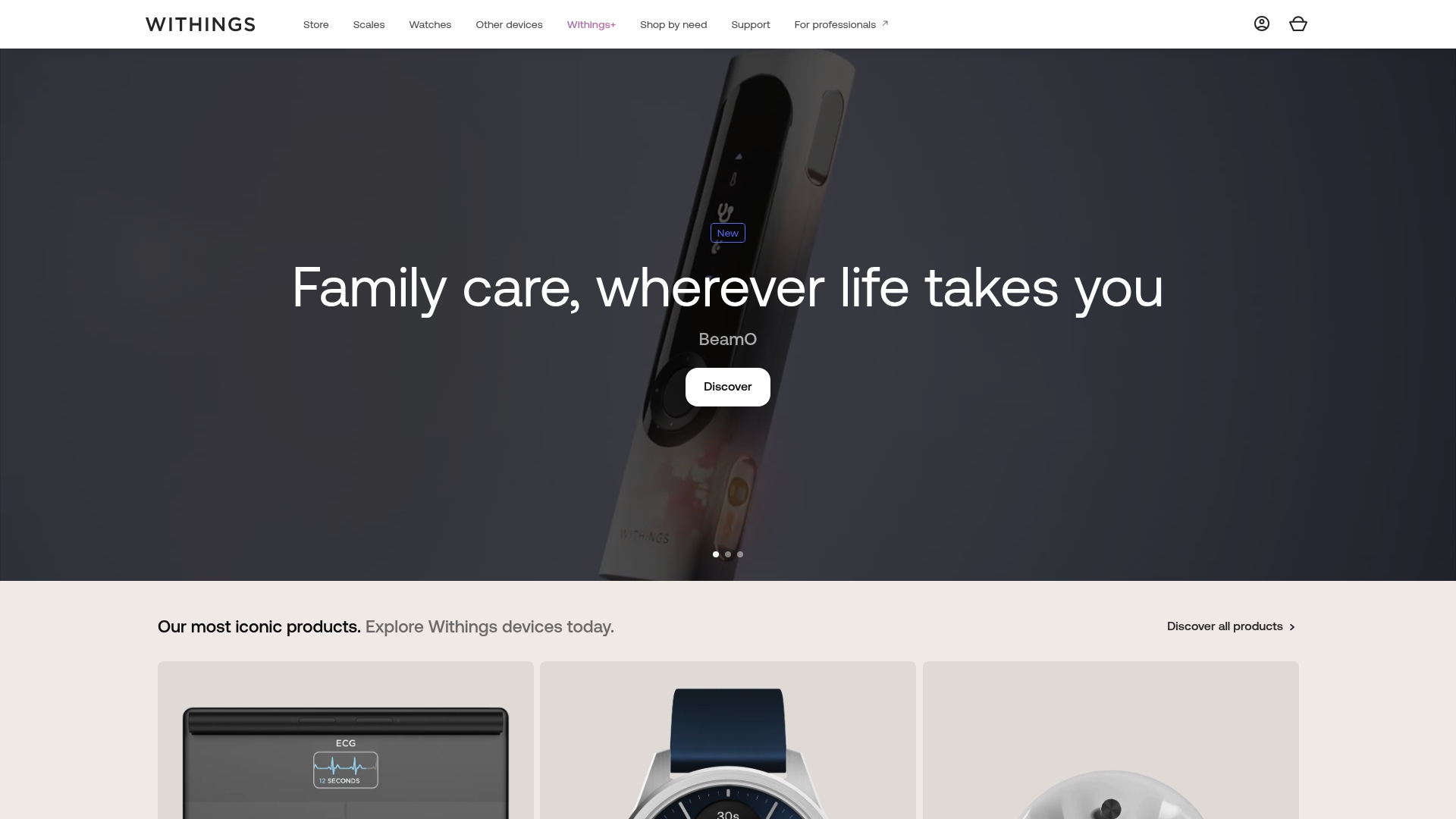
Several devices are clinically validated, and the product lineup includes innovative options like the U-Scan embedded urine lab and the BeAmO health check-up device.
The free app delivers health insights, progress tracking, and personalized guidance, and an optional subscription, Withings+, adds enhanced coaching and programming.
Pros
- Wide range of health monitoring devices: Withings offers scales, watches, BP monitors, sleep analyzers, and more, so you can centralize multiple health metrics on one platform.
- Free app for data analysis and health tracking: The app consolidates trends and makes it easier to spot progress or plateaus without extra app subscriptions.
- FSA/HSA acceptance for eligible products: You may be able to use tax-advantaged health funds to offset device costs when eligible.
- Free shipping in the United States: Buying directly from Withings can include no-cost shipping, reducing upfront expense.
- Secure payment options and free returns: The purchasing process includes standard protections and a simple returns policy for peace of mind.
- 2-year warranty on products: Extended coverage helps protect your investment during the period when device reliability matters most.
- Optional subscription service Withings+ for enhanced guidance: Withings+ offers additional coaching and deeper guidance if you want more structured support.
Cons
- Some products can be pricey: Several devices sit at the higher end of consumer pricing, which may be a barrier if you’re on a tight budget.
- Limited international shipping details: If you live outside core markets, shipping availability and timelines aren’t always clear.
- Subscription service Withings+ is optional and may incur additional costs: Accessing premium guided programs requires extra monthly or annual spend beyond the device price.
Who It’s For?
Withings suits adults who want medically oriented measurements rather than consumer-grade estimates—people managing obesity, hypertension, or diabetes who need reliable, shareable data.
It also fits fitness-minded users who want body composition tracking alongside sleep and cardiovascular metrics.
If you value validated readings, warranty coverage, and the option to add guided programs, Withings is a sensible choice.
Unique Value Proposition
Withings pairs clinical validation with a broad device ecosystem and a free, centralized app—so you’re not juggling separate manufacturers for weight, sleep, and blood pressure.
The combination of FSA/HSA acceptance, free US shipping, and a two-year warranty positions Withings as a higher-trust option for long-term health monitoring.
Real World Use Case
A user tracks weight and body composition with a Withings scale, monitors sleep quality overnight, and measures blood pressure at home.
Over several months they use the app to spot correlations—sleep dips before weight plateaus or BP spikes—and then share summarized reports with their healthcare provider to adjust care plans.
Pricing
Products range from approximately $369.95 to $499.95, with some devices potentially available with installment plans; note that Withings+ adds subscription costs if you opt in.
Website: https://withings.com
Weight Management and Health Tools Comparison
Below is a comparison of products reviewed in the article, outlining their features, advantages, disadvantages, pricing, and ideal use scenarios.
| Product | Key Features | Pros | Cons | Pricing |
|---|---|---|---|---|
| Lean & Fit | Experience-driven guidance, low-sugar smoothie recipes, meal prep, portion control | Offers practical advice, sustainable dieting, easy-to-follow tips | N/A | Free access |
| Garmin | GPS navigation, wearable fitness devices | Reliable GPS technology, broad product range, support resources | Higher cost for premium items, navigation complexity | Variable |
| Apple | Integrated ecosystem, Fitness Plus guided workouts | Premium devices, seamless integration, comprehensive subscriptions | Premium pricing, limited customization | Variable |
| Samsung | Smart home and connected devices | AI and IoT integration, broad product lineup, focused on sustainability | Can be complex to configure, regional differences | Variable |
| WHOOP | Screen-free wearables, continuous health tracking | Continuous data, customizable wear options, validated metrics | Premium price, feature limitations by region | Starting at $149/year |
| Amazfit | Smartwatches and bands, Zepp app integration | Wide variety of models, advanced health sensors, rugged GPS features | Specifications requiring research, unclear pricing | Variable |
| Polar | Focused sport and fitness tracking | Reliable heart rate monitoring, comprehensive training analysis, global support | Limited detail availability, regional product restrictions | Variable |
| Withings | Medical-grade monitoring devices | Clinical-grade metrics, centralized app, FSA/HSA approval | Higher price ranges, optional subscription costs | $369.95-$499.95 |
Discover Smarter Ways to Track Your Health and Boost Weight Loss
Choosing the right Fitbit alternative can feel overwhelming with so many health tracking options in 2026.
The article highlights pain points such as finding reliable devices that fit your budget, offer meaningful data beyond step counts, and integrate well with your lifestyle.
Whether you want to manage obesity, improve fitness, or maintain motivation, it is crucial to combine technology with practical, sustainable routines.
At LeanAndFit, we understand the challenge users face in making data actionable and turning insights into long-term success. Our resources go beyond device reviews by offering experience-based advice on using wearables effectively.
Explore our Step Tracking – LeanAndFit section for guidance on leveraging daily movement data.
Also check out our HIIT Sessions – LeanAndFit to build exercise plans that complement your tracked activity.
Ready to transform your health journey with balanced diet tips, smart tracking strategies, and actionable workouts?
Visit LeanAndFit now and start personalizing your weight loss plan with tools and insights designed for real-life success.
Frequently Asked Questions:
Q-1. What are the best Fitbit alternatives for health tracking in the USA in 2026?
The best Fitbit alternatives in 2026 include smartwatches, fitness bands, and smart rings that offer advanced health tracking features.
In the U.S., wearable adoption has surged, with over 35% of adults using fitness trackers regularly.
Popular alternatives now focus on sleep tracking, heart rate monitoring, and recovery insights.
Platforms like leanandfit.info also highlight emerging devices that combine affordability with advanced metrics, making them strong contenders against Fitbit.
Q-2. Which fitness trackers are better than Fitbit for sleep and recovery tracking in 2026?
Many newer devices outperform Fitbit in sleep and recovery tracking by offering deeper insights like sleep stages, HRV (heart rate variability), and stress levels.
Studies show that sleep tracking accuracy has improved by over 20% in modern wearables since 2022.
In the U.S., users increasingly prioritize recovery metrics, especially athletes and fitness enthusiasts who want to optimize performance and avoid burnout.
Q-3. Are there affordable Fitbit alternatives with advanced health monitoring in the USA?
Yes, several affordable alternatives provide advanced features such as heart rate monitoring, SpO2 tracking, and calorie counting.
Budget-friendly trackers under $150 now include features that were once exclusive to premium devices.
In the U.S., nearly 48% of consumers prefer mid-range fitness trackers, driving competition and innovation.
Websites like leanandfit.info often review these cost-effective options for users seeking value.
Q-4. What are the best smartwatch and smart ring alternatives to Fitbit in 2026?
In 2026, smart rings and smartwatches are emerging as strong Fitbit alternatives.
Smart rings are particularly popular due to their compact design and continuous health monitoring capabilities.
The U.S. wearable market has seen a 25% increase in smart ring adoption in recent years.
These devices track sleep, activity, and recovery without the bulk of traditional watches, making them ideal for all-day wear.
Q-5. Which wearable fitness trackers offer accurate heart rate and calorie tracking without Fitbit?
Many non-Fitbit devices now offer highly accurate heart rate and calorie tracking using advanced sensors and AI algorithms.
Accuracy rates for heart rate monitoring in modern wearables exceed 90% during steady-state activities.
In the U.S., this level of precision is essential for users focused on weight loss and cardiovascular health.
Advanced trackers also adjust calorie estimates based on personal data, improving reliability.
Q-6. What are the top non-Fitbit fitness trackers with long battery life in 2026?
Battery life is a key factor for many users, and several Fitbit alternatives now offer 7 to 14 days of battery life on a single charge.
This is significantly higher than many traditional smartwatches.
In the U.S., over 60% of users consider battery life a top priority when choosing a fitness tracker.
Devices with longer battery life are especially useful for continuous health monitoring, including sleep tracking.
Q-7. Are there AI-powered health tracking devices better than Fitbit in 2026?
Yes, AI-powered fitness trackers are becoming increasingly popular in 2026.
These devices analyze user data to provide personalized insights, such as workout recommendations and recovery strategies.
In the U.S., AI-driven health tracking adoption has grown by over 30% in the past two years.
These advanced features make them a strong alternative to Fitbit, especially for users seeking tailored fitness guidance.
Q-8. Which fitness trackers are best for weight loss and step tracking without Fitbit?
The best trackers for weight loss focus on step counting, calorie tracking, and activity reminders.
In the U.S., the average adult takes about 3,000–4,000 steps per day, while fitness guidelines recommend 7,000–10,000 steps daily for health benefits.
Non-Fitbit trackers now include goal-setting features and real-time feedback, helping users stay motivated and achieve their weight loss goals more effectively.
Q-9. Which Fitbit competitors offer accurate sleep tracking and recovery insights in the USA?
Competitors to Fitbit now offer advanced sleep tracking features, including REM sleep analysis and recovery scores.
In the U.S., poor sleep affects nearly 35% of adults, increasing demand for accurate tracking tools.
These devices provide actionable insights, such as optimal sleep duration and recovery readiness, helping users improve overall health and performance.
Q-10. Are there cheap and premium alternatives to Fitbit for full health monitoring in 2026?
Yes, the market offers both budget and premium alternatives to Fitbit.
Budget devices provide essential tracking features, while premium options include advanced metrics like ECG and stress monitoring.
In the U.S., the wearable tech market continues to grow, with spending increasing by over 20% annually. This growth ensures a wide range of options for users with different needs and budgets.
Free Tip of the Day:
In 2026, Fitbit alternatives have evolved significantly, offering more advanced features, better battery life, and improved accuracy.
In the United States, the growing demand for personalized health tracking has driven innovation across the wearable market.
From affordable fitness bands to AI-powered smart rings, users now have more choices than ever.
Platforms like leanandfit.info help simplify this decision by highlighting the best options based on performance, price, and user needs.
Ultimately, the best Fitbit alternative is one that aligns with your health goals, budget, and lifestyle, ensuring consistent and effective tracking for long-term wellness.
Recommended:
- Best Noom Alternatives for Weight Loss in 2026 – LeanAndFit
- The 2024 Fitness Revolution: Technology, Inclusivity, and Mental Health – LeanAndFit
- Why Trust LeanAndFit.info?
- For educational purposes only
- MyFitnessPal Alternatives for Better Weight Tracking – 2026 – LeanAndFit
- Top 5 verywellfit.com Alternatives & Competitors 2026 – LeanAndFit