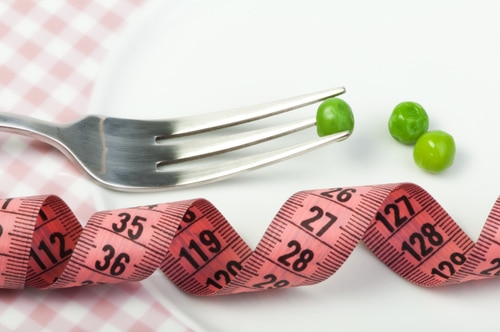

More than a half of the adult population try to find effective ways of getting rid of excess weight and improving their health.
Green tea has become one of the most popular healthy habits due to its unique ability to influence the metabolic rate, fat oxidation, cardiovascular system, and brain function.
The various positive effects of the beverage were clinically proven, which makes it appropriate for the daily use by people with different goals: from weight loss to sugar control and overall health improvement.
In this guide you learn 7 proven green tea health benefits for weight loss.
Table of Contents
- Boosts Metabolism For Faster Weight Loss
- Enhances Fat Burning During Exercise
- Supports Heart Health And Cholesterol Levels
- Improves Brain Function And Focus
- Helps Lower Blood Sugar Naturally
- Reduces Inflammation For Better Wellness
- Practical Tips To Add Green Tea To Your Diet
Quick Summary
| Key Insight | Explanation |
|---|---|
| 1. Drink 2-3 cups daily | Consuming this amount of green tea can enhance metabolism, aiding weight loss and fat burning. |
| 2. Consume before workouts | Drinking green tea 30 minutes prior increases fat oxidation, making workouts more effective for fat loss. |
| 3. Supports heart health | The antioxidants in green tea help lower LDL cholesterol and improve overall cardiovascular health. |
| 4. Aids in blood sugar control | Regular consumption can enhance insulin sensitivity and stabilize blood sugar levels, benefiting metabolic health. |
| 5. Combats inflammation | Green tea reduces inflammatory markers, which can support overall wellness and weight management efforts. |
1. Boosts Metabolism for Faster Weight Loss
Green tea: an ingredient that may assist you in losing weight by boosting metabolism is what you should choose. The plant contains catechins and caffeine that improve your metabolic system.
PubMed research results reveal that green tea extract may boost fat metabolism during a workout. Moreover, the tea helps the body burn fat while at rest.
The tea improves the metabolic system for fat oxidation processes and increases the body’s energy expenditure. The metabolic effect is achieved due to the presence of two main components:
- Catechins: antioxidants that break down fat cells
- Caffeine: a stimulating substance that boosts energy levels
To increase your metabolic rate, you should drink green tea two or three times a day. To gain the maximum metabolism-boosting effect, the tea must be prepared fresh and without sweeteners. It is advisable to drink the beverage in the morning, before exercising, and in the early afternoon.
The best way to improve your metabolic system is to combine green tea with a sporty lifestyle. Although the tea will improve your metabolism, it is not a magic pill for weight loss. For the tea to make a noticeable difference, it should be accompanied by a healthy diet and regular physical activities.
2. Enhances Fat Burning During Exercise
Imagine your personal trainer giving the signal for you to start burning fat. Such a helpful function is inherent in green tea since it was proved that drinking green tea before exercise allows you to burn fat during the workout.
The study conducted by the University of Birmingham discovered that drinking green tea extracts before engaging in moderate exercise can lead to a significant increase in fat oxidation during the workout. Therefore, green tea is a perfect supplement to help you increase the amount of fat burned during your physical activity.
Moreover, a randomized controlled trial published in PubMed demonstrates that green tea combined with interval training can lead to weight loss and decreased visceral fat.
How to use green tea to boost fat loss?
1. Drink a cup of green tea 30 minutes before moderate-intensity exercise.
2. To maximize fat loss, try to perform low and moderate-intensity workouts.
3. Combine green tea with regular physical activity and a healthy diet.
To achieve the best result, you should also consider trying to perform high-intensity interval training while using green tea as a supplement. Needless to say, green tea is a wonderful tool for weight loss but, like any other tool, it only helps if you know how to use it.
3. Supports Heart Health and Cholesterol Levels
In addition to being helpful for weight loss, green tea is an amazing tool for taking care of your heart. The antioxidants in green tea have been found to have a striking effect on cardiovascular health, including helping to reduce cholesterol levels.
A recent study (PubMed Health) even showed that drinking decaf green tea on a daily basis can help to improve some metabolic indicators for heart disease.
Green Tea Catechins And Cardiovascular Health
There are a lot of healthful components in green tea, including the catechins, which have been indicated as helpful for the cardiovascular system.
Some of the heart benefits of green tea include:
- Having a positive effect on levels of bad cholesterol
- Improving blood vessel function
- Lowering levels of inflammation in the body
If you want to learn more about effects of weight loss on the heart, you can check out this article on the relationship between obesity and heart disease.
To get the most out of your green tea for heart benefit, you should drink 2-3 cups per day in combination with a healthy diet and regular exercise.
4. Improves Brain Function and Focus
Not only may green tea support your attempts to lose weight, but it may also improve your brain function. The combination of caffeine and catechins in green tea may help improve your mental clarity and cognitive capabilities in manners you may not know.
A study published in PubMed suggests that the combination of caffeine and catechins may help improve brain functions by influencing the brain to be more alert.
How may green tea help support brain function?
- Increased mental alertness
- Improved concentration and focus
- Improves short term memory
- Helps reduce mental fatigue
To understand why your body weight may have a negative influence on your brain, we recommend visiting our article on how excess body fat influences brain function.
When looking to improve your cognitive capabilities, try consuming green tea during times when you need an extra boost. We recommend avoiding consumption before bedtime as it may interfere with your sleep due to the caffeine content.
Always remember that green tea is a complementary tool towards a healthier lifestyle and should be consumed in moderation.
5. Helps Lower Blood Sugar Naturally
Green tea is not only a delicious drink but also a complete guide to low blood sugar. Thanks to its unique components, green tea helps the body get rid of excess glucose.
A pilot study published in PubMed showed that daily intake of green tea by overweight people significantly improved glucose metabolism and insulin sensitivity. In addition, this drink can help you get rid of excess sugar.
How green tea helps the body get rid of excess sugar?
• improves insulin sensitivity;
• reduces the amount of glucose absorbed;
• brings the metabolism to normal;
• prevents spikes and drops in blood sugar due to the components contained.
To fully understand how overweight affects blood sugar levels, we invite you to study our article on the connection between obesity and glucose metabolism.
To achieve the desired result, it is necessary to drink at least two to three cups of green tea during the day. Of course, this does not replace the standard treatment of a diabetic or obese person, but it will help you take care of yourself while giving yourself a pleasant experience.
It is recommended to give preference to an increased amount of green tea and a decreased amount of sweet foods and sugar in the daily diet.
6. Reduces Inflammation for Better Wellness
Inflammation in the body is a silent killer; it is capable of ruining your entire weight loss and health plan. Fortunately there is an amazing natural remedy for reducing this condition, and that is green tea. Green tea has wonderful inflammatory benefits that can help your body tremendously.
Research published in PubMed reveals that green tea catechins possess potent anti inflammatory properties. These powerful compounds can help combat chronic inflammation that often undermines wellness and weight management efforts.
How green tea fights inflammation?
- Neutralizes harmful free radicals
- Lowers inflammatory markers
- Supports immune system function
- Promotes cellular health
To better understand the relationship between inflammation and weight gain, refer to our detailed guide on the mechanisms of fat accumulation during chronic inflammation.
For best results, drink 2 3 cups of green tea per day. For the most comprehensive anti inflammatory effects, combine green tea with a balanced diet, physical activity, and stress reduction.
Bear in mind that green tea can support the body’s natural anti inflammatory processes, but it is not a complete treatment for inflammatory conditions.
7. Practical Tips to Add Green Tea to Your Diet
Modifying your diet to include green tea does not have to be challenging. There are some brilliant pointers on how to include this beverage in your diet if you want to witness significant weight loss.
According to research done by the University of Birmingham, sipping on this infusion prior to engaging in physical activity can help you burn more fat and calories.
How to Best Incorporate Green Tea in Your Diet:
- Have it as a substitute for your morning cup of coffee
- Sip on it 30 minutes prior to working out
- Use it as an afternoon pick-me-up
- Play around with the temperature and the steeping time
- If you are looking for more insightful information on how to develop healthy eating habits, you can check out our healthy eating guide.
We recommend you start slow and have one or two cups of green tea per day. Gradually increase the amounts and use high-quality leaves or organic tea bags. Remember that green tea is not a magical substance that will reduce your weight right away.
It has to be used in tandem with a well-rounded diet and a consistent workout plan. It is best to avoid adding sugar or sweeteners so that you can reap all the nutritional benefits that it has to offer.
Below is a comprehensive table summarizing how green tea benefits weight loss, exercise, heart health, brain function, blood sugar regulation, inflammation reduction, and practical integration into a diet.
| Topic | Description | Key Benefits |
|---|---|---|
| Boosts Metabolism | Green tea contains catechins and caffeine that enhance fat metabolism. | Increases calorie burn at rest and during exercise. |
| Enhances Fat Burning | Consuming before workouts increases fat oxidation. | Improves efficiency in energy utilization during exercise. |
| Supports Heart Health | Antioxidants improve cholesterol and blood vessel function. | Reduces LDL cholesterol and inflammation markers. |
| Improves Brain Function | Caffeine and catechins enhance cognitive performance. | Increases alertness, concentration, and short-term memory. |
| Lowers Blood Sugar | Improves insulin sensitivity and glucose metabolism. | Stabilizes blood sugar levels and enhances metabolic health. |
| Reduces Inflammation | Catechins have anti-inflammatory properties. | Supports immune function and reduces chronic inflammation. |
| Practical Tips for Integration | Strategies for daily inclusion of green tea. | Enhances metabolic rate and workout benefits. |
Unlock Your Weight Loss Potential with Natural Metabolic Boosters
Having trouble finding ways to boost your metabolism and burn fat more efficiently? You’re not alone. Many people find themselves in need of a good metabolic kick, when trying to lose weight.
This article discusses how the unique combination of catechins and caffeine found in green tea can help kick start your metabolism, as well as reduce the risk of heart disease and even help protect your brain.
If you are looking for a safe and effective way to boost your metabolism and jump start your path to weight loss, you’ve come to the right place.
You can learn more about how to take advantage of green teas natural health benefits, by checking out our Metabolic Boosters – LeanAndFit section.
Visit LeanAndFit now to access detailed guides, real user experiences, and actionable tips designed to support your goals.
Frequently Asked Questions:
Recommended
- What is The Role of Green Tea Extract in Boosting Metabolism for Obesity Treatment? – LeanAndFit
- Green Smoothie Diet Plan for Weight Loss: Revolutionary Solution or Overhyped Trend? – LeanAndFit
- 7 Superfoods for Weight Loss You Need to Try – LeanAndFit
- How to Make Smoothies for Weight Loss and Health – LeanAndFit
- Why Trust LeanAndFit.info?
- For educational purposes only