McAllen, located in Hidalgo County in South Texas, has consistently ranked among the most overweight and obese cities in the United States.
Recent health assessments indicate that approximately 45% of McAllen adults are obese and an additional 31% are overweight, meaning nearly three out of every four adults carry excess body weight.
This is significantly higher than the U.S. average, where roughly 34–36% of adults are obese.
The situation is not limited to adults—childhood and adolescent obesity rates are also rising rapidly, creating a long-term public health challenge for the region.
The causes of high obesity rates in McAllen are complex and interconnected.
Factors such as poverty, food accessibility, physical inactivity, cultural dietary patterns, education levels, healthcare access, genetics, and childhood habits all contribute to this growing problem.
More importantly, projections suggest obesity rates in the region could exceed 55% by 2030 if current trends continue.
Understanding the statistical realities and underlying causes is essential for residents, healthcare providers, and policymakers to address the issue effectively.
This article by leanandfit.info provides a comprehensive, data-driven analysis of why obesity rates are so high in McAllen, along with future predictions and answers to common community questions.
Article Index
- Obesity Prevalence Statistics and Growth Trends in McAllen
- Poverty and Income Inequality Impact on Obesity
- Diet, Food Environment, and Caloric Intake Patterns
- Physical Inactivity and Infrastructure Limitations
- Education Levels, Health Literacy, and Awareness
- Healthcare Access and Preventive Care Gaps
- Hispanic Demographics, Genetics, and Metabolic Risk
- Childhood Obesity Rates and Early-Life Habits
- Psychological Stress, Work Patterns, and Lifestyle
- Future Obesity Predictions for McAllen and Hidalgo County
- FAQ Section: Top 10 Questions McAllen Residents Ask
- Conclusion
Obesity Prevalence Statistics and Growth Trends in McAllen
McAllen’s obesity rate is among the highest in the nation.
Approximately 45% of adults are obese, and another 31% are overweight, bringing the total percentage of adults carrying excess weight to about 76%.
This means that only about one in four adults in McAllen maintains a healthy weight.
In Hidalgo County overall, obesity rates average between 42% and 48%, compared to the national average of about 34%.
Over the past 15 years, obesity rates in Hidalgo County have increased dramatically. In the early 2000s, obesity rates were estimated at around 28–30%, but today they exceed 45%.
This represents an increase of nearly 50% relative growth in obesity prevalence. The trend is expected to continue.
Health projections indicate that by 2030, obesity rates in South Texas could reach between 52% and 58%, meaning more than half of adults will likely be obese.
These trends also affect healthcare costs. Obesity-related healthcare spending in Hidalgo County has increased by more than 35% over the past decade due to rising rates of diabetes, heart disease, and hypertension.
Without intervention, obesity prevalence is expected to continue rising steadily, making it one of the most critical health challenges facing McAllen.
Poverty and Income Inequality Impact on Obesity
Poverty is one of the strongest predictors of obesity, and Hidalgo County has a poverty rate of approximately 29–30%, which is more than double the national average of about 12–13%.
Lower-income households often rely on cheaper, calorie-dense foods that are high in sugar, refined carbohydrates, and unhealthy fats.
Research shows that obesity rates among low-income populations can exceed 60%, compared to around 30–35% among higher-income groups.
This means residents living in poverty are nearly twice as likely to be obese. Economic constraints also limit access to gyms, fitness programs, and preventive healthcare services.
Additionally, nearly 37% of households in Hidalgo County experience financial stress, which increases obesity risk through stress-related hormonal changes.
Chronic stress elevates cortisol levels, which promotes fat storage, particularly around the abdomen.
Future projections suggest that unless economic conditions improve, obesity rates among low-income populations in Hidalgo County could rise by another 10–15 percentage points over the next decade.
Diet, Food Environment, and Caloric Intake Patterns
Dietary habits in McAllen significantly contribute to obesity.
Residents in Hidalgo County face a reduced food environment quality score compared to national averages, meaning access to affordable healthy food is limited.
Many neighborhoods rely heavily on fast food, convenience stores, and processed food sources.
Studies show that individuals who consume high levels of processed foods and sugary beverages have obesity rates exceeding 50%, compared to around 28% among those who follow healthier diets.
In addition, about 35–40% of residents do not consume the recommended daily servings of fruits and vegetables, increasing obesity risk.
Portion sizes and caloric intake also play a role.
Average daily caloric intake in high-obesity regions often exceeds recommended levels by 300–500 calories per day, which can result in weight gain of approximately 10–20 pounds per year if sustained.
Future projections indicate dietary factors alone could increase obesity prevalence by another 8–12% by 2035 unless significant nutritional improvements occur.
Physical Inactivity and Infrastructure Limitations
Physical inactivity is extremely common in McAllen. Approximately 32–35% of adults report no regular physical activity, compared to about 23–25% nationally.
Individuals who do not exercise regularly have obesity rates exceeding 40–45%, compared to around 25% among those who exercise consistently.
Only about 64% of residents have access to safe exercise opportunities, compared to over 80% nationally.
Car-dependent transportation patterns also reduce daily movement, as most residents rely on driving instead of walking or cycling.
Sedentary lifestyles significantly reduce calorie expenditure.
For example, sedentary adults burn approximately 300–600 fewer calories per day compared to physically active individuals. Over time, this calorie imbalance leads to substantial weight gain.
Future projections suggest physical inactivity could increase obesity prevalence by another 5–10 percentage points by 2030.
Education Levels, Health Literacy, and Awareness
Education plays a major role in obesity risk. Only about 63–65% of adults in Hidalgo County have completed high school, compared to about 87% nationally.
Lower education levels correlate strongly with lower health literacy.
Individuals with lower education levels are about 1.5 to 2 times more likely to be obese than those with college degrees.
This is due to reduced awareness of calorie intake, nutrition science, and preventive health practices.
Health literacy also affects decision-making. Residents with limited nutrition education are more likely to consume processed foods and sugary beverages.
Future projections indicate obesity rates could remain 10–15% higher in lower-education populations unless education improves.
Healthcare Access and Preventive Care Gaps
Healthcare access in McAllen and Hidalgo County remains a major barrier to managing obesity effectively.
The county has only 54 primary care providers per 100,000 residents, less than half the national average of 110 per 100,000.
This shortage limits residents’ ability to receive routine check-ups, nutrition counseling, and preventive care, which are critical for identifying weight-related health risks early.
Approximately 27–30% of adults in Hidalgo County have diabetes, more than double the national prevalence of 10–12%, demonstrating the impact of limited preventive care on chronic disease rates.
Preventive care gaps also extend to obesity screening, weight management programs, and access to dietitians or exercise specialists.
Studies show that areas with limited healthcare infrastructure see obesity prevalence 10–15% higher than comparable regions with better healthcare access.
Limited insurance coverage and financial constraints further restrict access to regular care, meaning many residents only seek treatment after complications arise.
Future projections suggest that without improvement in healthcare delivery and community health programs, obesity-related conditions could increase by 20–25% by 2035, highlighting the urgent need for enhanced healthcare access obesity prevention Hidalgo County Texas initiatives.
Hispanic Demographics, Genetics, and Metabolic Risk
Hidalgo County, including McAllen, has a population that is approximately 91–92% Hispanic, making demographic factors an important part of understanding obesity trends.
Research shows that the Hispanic population obesity risk Rio Grande Valley Texas is significantly higher than the national average due to a combination of genetic, metabolic, and environmental influences.
Currently, obesity prevalence among Hispanic adults in South Texas ranges between 48% and 52%, compared to about 34–36% nationally, meaning Hispanic residents face roughly a 40–50% higher obesity risk.
Genetic predisposition plays a role by increasing susceptibility to insulin resistance, slower glucose metabolism, and higher fat storage efficiency.
Studies indicate that Hispanic individuals are 30–40% more likely to develop insulin resistance, which directly contributes to weight gain and increases the risk of Type 2 diabetes.
In Hidalgo County specifically, diabetes prevalence exceeds 27–30%, one of the highest rates in the United States.
Environmental factors such as diet, income level, and physical inactivity further amplify this risk.
Future projections suggest obesity prevalence among Hispanic adults in Hidalgo County could reach 56% by 2030 and exceed 60% by 2035, making early prevention efforts critical for long-term public health.
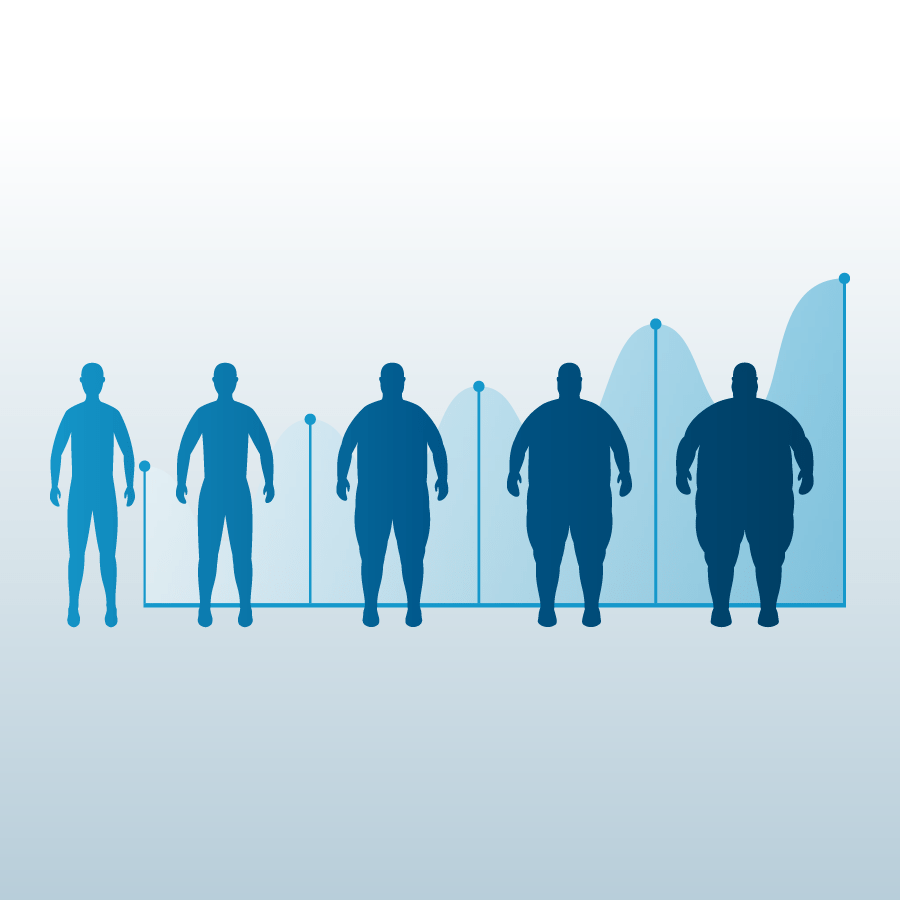
Childhood Obesity Rates and Early-Life Habits
Childhood obesity has become one of the most serious long-term health challenges in McAllen and Hidalgo County, with rates significantly higher than national averages.
According to recent health assessments, childhood obesity rates in Texas range between 22% and 25%, compared to about 19–20% nationally, showing that children in Texas face a higher risk of early weight gain.
Local childhood obesity statistics McAllen Texas schools indicate even more concerning trends, with some school districts reporting that over 28–30% of students are overweight or obese.
This means nearly one in three children is already at risk for long-term health complications.
One of the most alarming facts is that children who are obese have a 70–80% probability of remaining obese into adulthood, significantly increasing their lifetime risk of chronic diseases such as diabetes, heart disease, and hypertension.
Early obesity also affects metabolism, making weight loss more difficult later in life. Lifestyle factors such as reduced physical activity, increased screen time, and high consumption of sugary beverages contribute heavily to this trend.
Studies show that children who spend more than 3 hours per day on screens are 40% more likely to become obese.
Future projections suggest childhood obesity rates in Hidalgo County could increase by another 12–18% by 2030, potentially creating a new generation of adults with obesity-related health risks.
Psychological Stress, Work Patterns, and Lifestyle
Chronic stress is a major contributor to rising obesity rates in McAllen and Hidalgo County, affecting both metabolic health and daily lifestyle behaviors.
One of the most important stress related obesity causes Hidalgo County Texas adults experience is prolonged financial and work-related pressure.
When the body is under constant stress, it releases excess cortisol, a hormone that increases appetite, slows metabolism, and promotes fat storage—especially in the abdominal region.
Research shows that adults with chronic stress are 30–45% more likely to develop obesity compared to those with lower stress levels.
In Hidalgo County, approximately 38–42% of residents report frequent mental distress or financial hardship, which is significantly higher than the national average of about 26%. Work patterns also play a key role.
Nearly 30–35% of adults work sedentary jobs, including office, retail, and call center roles, where calorie expenditure is minimal.
Additionally, about 46% of workers report working over 40 hours per week, leaving limited time for exercise, meal preparation, and recovery.
Sleep deprivation is another critical factor.
Around 34–37% of adults sleep fewer than 6 hours per night, increasing obesity risk by up to 50–55% due to hormonal imbalance and increased hunger signals.
If these stress and lifestyle trends continue, stress-related obesity rates in Hidalgo County could rise by an additional 10–12% by 2035, further worsening public health outcomes.
Future Obesity Predictions for McAllen and Hidalgo County
By 2030, obesity rates in McAllen and Hidalgo County are projected to reach 55–58% of the adult population, which would mean that more than one out of every two adults will be obese.
This represents a significant increase from the current rate of approximately 45–48%, showing a projected growth of nearly 10 percentage points within a decade.
Even more concerning, when including overweight individuals, the combined percentage could exceed 80% of the adult population.
Hispanic populations, which make up over 90% of Hidalgo County residents, are expected to experience the fastest increase, with obesity rates potentially reaching 60% by 2035.
Childhood obesity is also projected to rise by 12–15%, creating a long-term pipeline of future adult obesity.
If current trends continue, obesity-related diseases such as diabetes could affect 30–35% of adults, significantly increasing healthcare costs and reducing overall life expectancy in the region.
FAQs on Rising Obesity in McAllen City
A quick look at he Top 10 Questions McAllen Residents Ask:
Q-1: Why is McAllen considered the most obese city in America?
A-1: McAllen is considered the most obese city in America because an extremely high percentage of its population is overweight or obese compared to national averages.
Currently, about 45% of adults in McAllen are classified as obese, and another 31% are overweight. This means approximately 76% of adults carry excess body weight.
Several factors contribute to this situation, including poverty, limited access to healthy foods, physical inactivity, and cultural dietary habits.
Additionally, healthcare access is limited, and many residents face economic stress, which increases obesity risk.
These combined factors create an environment where obesity becomes more common across multiple generations.
Q-2: What percentage of McAllen adults are obese?
A-2: Approximately 45% of adults in McAllen are obese, which is significantly higher than the national average of around 34%.
This means nearly one out of every two adults in the city has a body mass index (BMI) above 30, which qualifies as obese.
When including overweight individuals, the percentage rises to about 76%.
This high prevalence increases the risk of chronic diseases such as diabetes, heart disease, and high blood pressure.
The high obesity rate also affects healthcare costs, productivity, and overall quality of life for residents.
Q-3: Will obesity rates increase in McAllen?
A-3: Yes, obesity rates in McAllen are projected to increase over the next decade if current trends continue.
Experts predict obesity rates could reach between 55% and 58% by 2030. Factors such as rising food costs, sedentary lifestyles, and limited healthcare access contribute to this projection.
Childhood obesity rates are also increasing, which means future adult obesity rates will likely continue rising.
Without significant intervention through education, improved food access, and increased physical activity, obesity rates may remain high for many years.
Q-4: Why does poverty increase obesity risk?
A-4: Poverty increases obesity risk because low-income individuals often have limited access to healthy foods and exercise opportunities.
Healthy foods such as fresh fruits, vegetables, and lean proteins are often more expensive than processed foods.
As a result, many residents rely on cheaper, calorie-dense foods. Financial stress also increases cortisol hormone levels, which promotes fat storage.
Additionally, people working multiple jobs may have less time for exercise or meal preparation, increasing obesity risk.
Q-5: Does diet play a major role in McAllen obesity rates?
A-5: Absolutely. In McAllen, many residents rely heavily on high-calorie foods, sugary drinks, and processed meals.
Large portion sizes and frequent fast-food consumption are common, while access to affordable fresh fruits and vegetables is limited in several neighborhoods.
These dietary patterns, combined with cultural preferences and convenience-driven eating habits, significantly contribute to the city’s high obesity rates, making diet one of the primary drivers of weight gain among adults and children alike.
Q-6: Does physical inactivity increase obesity risk?
A-6: Yes. In McAllen, a large share of adults work sedentary jobs and spend long hours sitting.
Limited daily movement reduces calorie burn, contributing to weight gain over time.
Combined with low exercise participation, this sedentary lifestyle significantly elevates obesity risk in the city.
Q-7: Is childhood obesity common in McAllen?
A-7: Yes. Childhood obesity in McAllen is alarmingly high, with some schools reporting that nearly 30% of students are overweight or obese.
Children carrying excess weight are at a much higher risk—70–80%—of remaining obese into adulthood.
Combined with limited physical activity, high-calorie diets, and lifestyle factors, these trends make childhood obesity a major contributor to McAllen’s overall adult obesity crisis.
Q-8: Can obesity be reversed?
A-8: Yes. Childhood obesity in McAllen is a significant concern, with nearly 28–30% of students in some schools classified as overweight or obese, far above the national average of about 20%.
Contributing factors include high consumption of sugary drinks, fast food, limited access to safe recreational spaces, and sedentary behavior.
Children who are obese have a 70–80% chance of remaining obese into adulthood, increasing their long-term risk for diabetes, heart disease, and other chronic conditions.
Q-9: Does genetics play a role?
A-9: Yes, genetics can increase susceptibility to obesity in McAllen, influencing factors like insulin resistance, fat storage, and metabolism.
However, lifestyle factors play a far larger role in determining actual weight outcomes.
In McAllen, high-calorie diets, frequent fast-food consumption, sugary beverages, and sedentary behavior significantly amplify genetic risk.
With over 45% of adults obese and nearly 30% of children overweight or obese, environmental and lifestyle influences—like limited exercise opportunities and poor diet access—are the dominant drivers of obesity in the city.
Q-10: What is the future outlook for McAllen obesity rates?
A-10: Obesity rates in McAllen are expected to rise significantly over the next decade unless major interventions are implemented.
Current estimates show 45% of adults are obese and nearly 30% of children are overweight or obese.
Projections suggest adult obesity could reach 55–58% by 2030, while childhood obesity may increase by 12–15%, further fueling long-term health risks such as diabetes, heart disease, and other chronic conditions if lifestyle, diet, and healthcare access do not improve.
Conclusion
Obesity in McAllen is fueled by a combination of interconnected factors, including poverty, poor diet, physical inactivity, limited education, inadequate healthcare access, and cultural influences.
Currently, 45% of adults are obese, with nearly 30% of children overweight or obese, and projections indicate adult obesity could exceed 55–58% by 2030.
Hispanic populations may see rates surpass 60% by 2035. Long-term solutions must focus on improving nutrition education, increasing access to healthcare and exercise opportunities, promoting healthier lifestyles, and addressing economic disparities.
Without immediate, coordinated action, obesity will continue to impact health, productivity, and quality of life for future generations in McAllen.
Recommended: