Most American adults try to change their bodies, yet over 80 percent struggle to maintain muscle while losing fat.
If you care about health and want a stronger, leaner look, focusing only on scale weight rarely delivers lasting success.
Understanding body recomposition opens the door to real transformation—where muscle increases and fat drops through targeted training and smart nutrition, not fad diets or extreme restrictions.
Table of Contents
- Defining Body Recomposition And Core Concepts
- Common Misconceptions About Body Recomp
- How Body Recomposition Works In Practice
- Essential Nutrition And Training Strategies
- Risks, Limitations, And Potential Pitfalls
Key Takeaways
| Point | Details |
|---|---|
| Body recomposition focuses on quality over quantity | It emphasizes reducing fat mass while maintaining or increasing lean muscle mass, shifting the focus from just weight to overall body composition. |
| Critical components include nutrition and exercise strategy | Successful body recomposition relies on adequate protein intake, targeted resistance training, and strategic caloric management to stimulate muscle retention and fat loss. |
| Common misconceptions can hinder progress | Many people believe weight loss and muscle gain are mutually exclusive, but body recomposition proves they can occur simultaneously through well-structured approaches. |
| Tracking body composition metrics is essential | Utilizing methods beyond scale weight, like body fat percentage and muscle mass, provides a more accurate understanding of progress in body recomposition. |
Defining Body Recomposition and Core Concepts
Body recomposition represents a nuanced approach to physical transformation that goes far beyond traditional weight loss strategies.
Unlike conventional dieting methods that focus solely on reducing numbers on a scale, body recomposition targets the fundamental composition of your body by simultaneously reducing fat mass while preserving or increasing lean muscle mass.
This approach recognizes that weight is not just about quantity, but quality.
At its core, body recomposition involves strategic manipulation of nutrition and exercise to create physiological changes that shift metabolic mechanisms and hormonal responses.
The key difference from traditional weight loss is maintaining muscle tissue while decreasing body fat percentage.
This means you might not see dramatic changes on a standard scale, but your body will undergo significant structural improvements in terms of muscle density, metabolic efficiency, and overall physical composition.
The fundamental principles of body recomposition revolve around three critical elements: precise nutritional intake, targeted resistance training, and strategic recovery.
Individuals pursuing this approach typically focus on consuming adequate protein to support muscle maintenance, creating a slight caloric deficit to encourage fat loss, and engaging in strength training that stimulates muscle protein synthesis.
By carefully balancing these factors, practitioners can achieve a more sculpted, metabolically active physique without the muscle loss often associated with traditional dieting.
Pro tip: Track your body composition through methods like skinfold measurements or bioelectrical impedance analysis rather than relying exclusively on body weight to monitor your progress.
Common Misconceptions About Body Recomp
Body recomposition is often misunderstood, with many people holding onto outdated beliefs that can sabotage their fitness progress.
One of the most pervasive myths is that body recomposition only works for beginners or individuals with significant weight to lose.
In reality, well-designed strategies can help individuals at various fitness levels transform their body composition.
Another critical misconception is the belief that weight loss and muscle gain are mutually exclusive processes. Many people assume you must choose between losing fat or building muscle, but body recomposition proves this notion incorrect.
By carefully managing caloric intake, implementing targeted resistance training, and optimizing protein consumption, individuals can simultaneously reduce body fat and maintain or increase lean muscle mass.
This approach challenges the traditional “bulking” and “cutting” cycles that have long dominated fitness thinking.
Perhaps the most damaging misconception is the fixation on body weight as the primary measure of progress. Traditional weight loss approaches focus exclusively on reducing scale numbers, which can lead to muscle loss, metabolic slowdown, and unsustainable results.
Body recomposition shifts this paradigm by emphasizing overall body composition changes. This means tracking metrics like body fat percentage, muscle mass, and measurements become far more important than simply monitoring weight.
Understanding that a pound of muscle and a pound of fat have different volumes and metabolic impacts is crucial for developing an effective transformation strategy.
Pro tip: Invest in body composition measurement tools like skinfold calipers or bioelectrical impedance scales to track your progress more accurately than a standard bathroom scale.
How Body Recomposition Works in Practice?
Body recomposition is fundamentally a strategic approach to transforming your physique that requires precision in both nutrition and exercise.
Clinical research demonstrates that integrated training protocols can dramatically reshape body composition, revealing that success depends on more than just random workout routines and calorie counting.
The process involves carefully calibrated interventions that target specific physiological adaptations.
At the core of effective body recomposition are three critical components: protein intake, resistance training, and strategic caloric management.
Protein serves as the essential building block for muscle maintenance and growth, typically recommended at 1.6 to 2.2 grams per kilogram of body weight daily.
Resistance training becomes the stimulus that signals your body to preserve and potentially build muscle tissue, even while in a slight caloric deficit.
This means selecting compound movements like squats, deadlifts, and bench presses that engage multiple muscle groups simultaneously, creating a more significant metabolic demand.
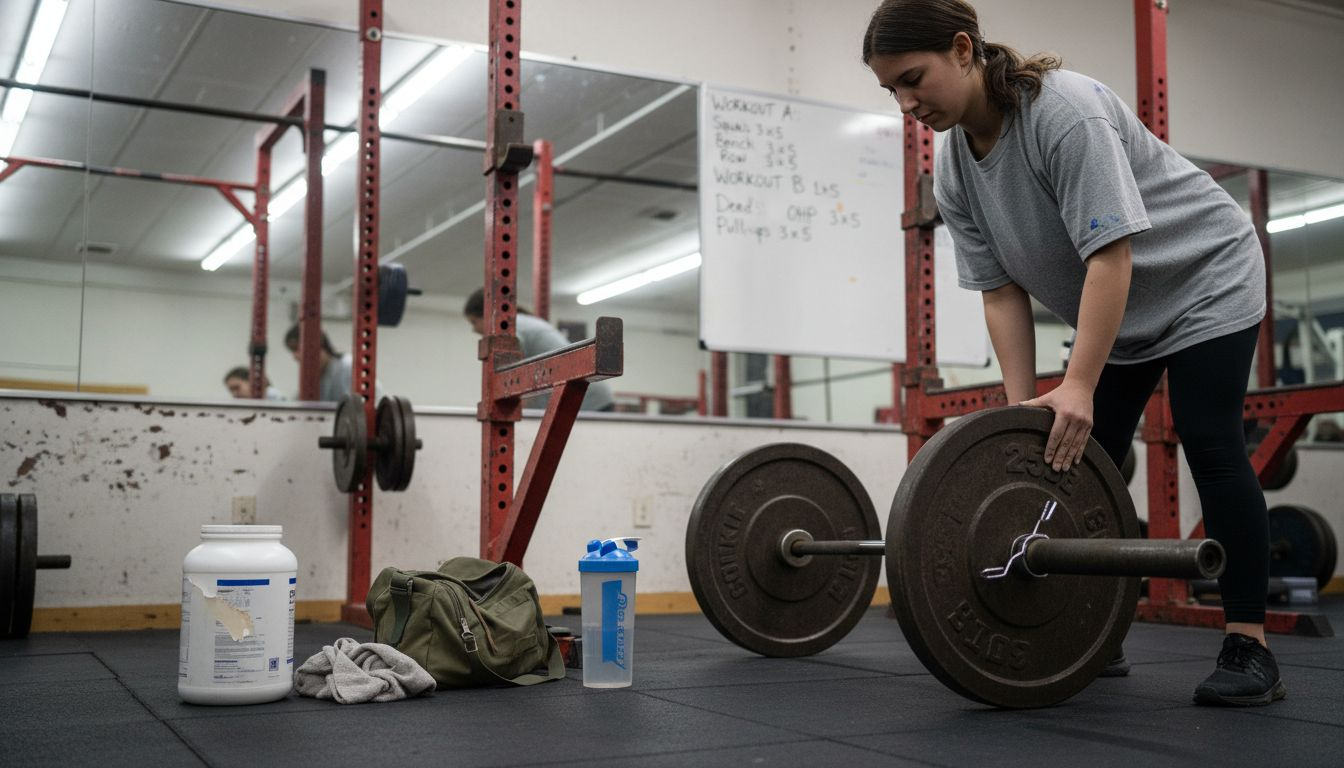
The caloric approach in body recomposition differs dramatically from traditional dieting. Instead of severe restrictions, practitioners aim for a moderate deficit of 10-20% below maintenance calories.
This subtle energy reduction prevents metabolic adaptation while providing enough nutrients to support muscle preservation. Tracking becomes crucial – monitoring not just total weight, but body fat percentage, muscle mass, and circumference measurements.
By focusing on these metrics, individuals can make precise adjustments to their nutrition and training, ensuring consistent progress toward their body composition goals.
Pro tip: Consider working with a certified nutrition coach or personal trainer who specializes in body recomposition to develop a personalized strategy tailored to your specific physiological needs and fitness objectives.
Here is a summary of the core components of successful body recomposition:
| Component | Role in Recomposition | Recommended Practice |
|---|---|---|
| Protein Intake | Muscle maintenance and growth | 1.6-2.4g/kg body weight per day |
| Resistance Training | Stimulates muscle retention | Compound lifts, progressive overload |
| Caloric Management | Drives fat loss, preserves muscle | Moderate 10-20% deficit from maintenance |
| Recovery | Supports adaptation and growth | Prioritize sleep and rest days |
Essential Nutrition and Training Strategies
Body recomposition demands a sophisticated approach to nutrition and exercise that goes beyond traditional fitness paradigms.
Recent research highlights the critical importance of integrating strategic dietary interventions with targeted training protocols, creating a holistic method for transforming body composition.
This approach requires precision in both nutritional planning and exercise selection.
Nutrition forms the foundational cornerstone of successful body recomposition.
Protein intake emerges as the most crucial nutritional factor, with recommended consumption ranging between 1.6 to 2.4 grams per kilogram of body weight daily.
The quality and timing of protein intake matters significantly – focusing on complete protein sources like lean meats, fish, eggs, and dairy products that provide all essential amino acids.
Carbohydrate and fat intake should be strategically balanced, with carbohydrates supporting training performance and fats maintaining hormonal health.
Meal timing and nutrient distribution throughout the day can optimize metabolic responses, potentially enhancing muscle protein synthesis and fat oxidation.
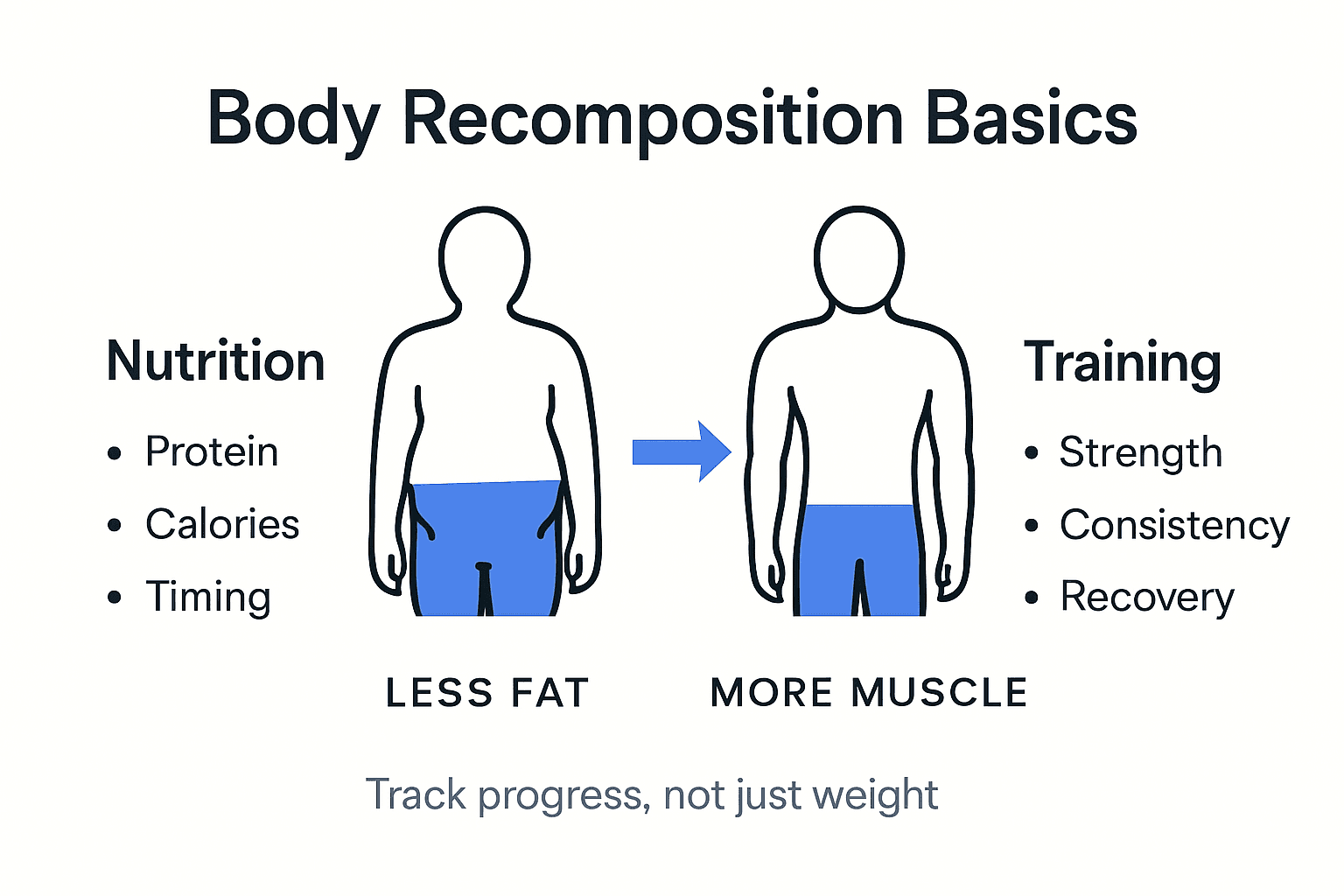
Training strategies must complement nutritional approaches through a carefully designed resistance training program. Compound movements that engage multiple muscle groups simultaneously prove most effective for body recomposition.
Exercises like squats, deadlifts, bench presses, and pull-ups create maximum metabolic stress and muscle recruitment. Progressive overload becomes critical – gradually increasing weight, repetitions, or training volume ensures continuous adaptation.
Incorporating a mix of heavy strength training and moderate-volume hypertrophy work allows for simultaneous muscle preservation and fat loss.
Additionally, integrating brief high-intensity interval training (HIIT) can further accelerate metabolic improvements without compromising muscle maintenance.
Pro tip: Track your progress using multiple metrics beyond body weight, including body fat percentage, muscle circumference measurements, and performance indicators like strength gains and workout recovery.
Compare the differences between traditional weight loss and body recomposition approaches:
| Approach | Measurement Focus | Goal | Typical Outcome |
|---|---|---|---|
| Traditional Weight Loss | Scale weight | Lower overall weight | May lose muscle and fat |
| Body Recomposition | Body fat, muscle mass | Leaner, stronger physique | Preserves or builds muscle, reduces fat |
Risks, Limitations, and Potential Pitfalls
Body recomposition is not a universal solution, and understanding its potential limitations is crucial for setting realistic expectations.
Research reveals significant variability in body recomposition outcomes based on individual physiological factors, suggesting that results can differ dramatically between individuals depending on age, initial body composition, and genetic predispositions.
One of the most significant risks involves misunderstanding the process and setting unrealistic goals. Advanced trainees often encounter diminishing returns, with muscle gain becoming increasingly challenging as they approach their genetic potential.
Hormonal factors, particularly for individuals over 40, can substantially impact metabolism and muscle protein synthesis. Nutritional strategies that work effectively for younger populations might prove less successful for older individuals, requiring more nuanced and personalized approaches.
Overaggressive calorie restriction can trigger metabolic adaptation, potentially leading to decreased muscle mass, reduced metabolic rate, and hormonal imbalances.
Technical execution and measurement errors represent another critical pitfall in body recomposition efforts. Inaccurate body composition assessments can create misleading perceptions of progress.
Many individuals rely on standard bathroom scales, which fail to distinguish between muscle and fat weight. This limited approach can lead to frustration and potential abandonment of effective strategies.
Additionally, psychological factors like body image expectations and impatience can derail consistent efforts. Some individuals may become discouraged when visual changes occur slowly, despite measurable improvements in strength and metabolic health.
Pro tip: Invest in multiple measurement methods like skinfold calipers, bioelectrical impedance, and progress photos to get a comprehensive view of your body composition changes.
Transform Your Body Composition with Expert Guidance and Practical Solutions
Struggling to achieve the perfect balance between fat loss and muscle gain can feel overwhelming.
The article highlights common challenges like preserving lean muscle while losing fat and the importance of monitoring body composition beyond the scale.
If you want to master body recomposition through effective workout routines and smart nutrition, exploring the right exercise strategies is essential.
Check out our detailed Exercise Regimens – LeanAndFit to learn how targeted resistance training stimulates muscle retention and boosts fat loss.

Take control of your fitness journey today by embracing proven bodyweight training methods that complement your recomposition goals.
Visit Bodyweight Exercises – LeanAndFit for simple yet powerful exercises you can do anywhere. Remember, understanding your body’s unique hormonal responses is also crucial.
Discover tailored approaches at Hormonal Therapy – LeanAndFit. For more expert advice and resources designed to help you achieve a leaner and stronger physique, start now at https://leanandfit.info.
Your ideal body composition is closer than you think—take the first step today.
Frequently Asked Questions
Q-1: What is body recomposition?
A-1: Body recomposition is a fitness approach that focuses on simultaneously reducing body fat and increasing lean muscle mass. Unlike traditional weight loss strategies that typically aim for a lower scale weight, body recomposition emphasizes improving overall body composition.
Q-2: How does body recomposition work?
A-2: Body recomposition works by combining precise nutritional intake, targeted resistance training, and strategic recovery. It aims to maintain or increase muscle mass while creating a slight caloric deficit to reduce fat. Key components include adequate protein intake, compound strength training, and appropriate caloric management.
Q-3: Who can benefit from body recomposition?
A-3: Individuals at various fitness levels can benefit from body recomposition, including beginners and advanced trainees. It is suitable for those looking to improve their body composition without the traditional cycles of bulking and cutting, focusing on sustainable and effective transformation.
Q-4: What are some common misconceptions about body recomposition?
A-4: Common misconceptions include the belief that body recomposition only works for beginners or that fat loss and muscle gain are mutually exclusive. Many also wrongly focus solely on scale weight, neglecting important body composition metrics like body fat percentage and muscle mass.
Recommended
- Body Composition Explained: What Shapes Your Health – LeanAndFit
- How Metabolism Works: Complete Science-Backed Guide – LeanAndFit
- Understanding Fat Loss: The Science Behind Shedding Pounds – LeanAndFit
- What Is Metabolic Age and Why It Matters – LeanAndFit
- Why Trust LeanAndFit.info?
- For educational purposes only