
Healthy lifestyle changes do not happen overnight. In most cases, the key is to make a few simple changes in your diet and physical activity, get enough sleep, manage stress, and take care of your overall health.
The challenge is to choose changes that fit your daily life and are realistic to maintain.
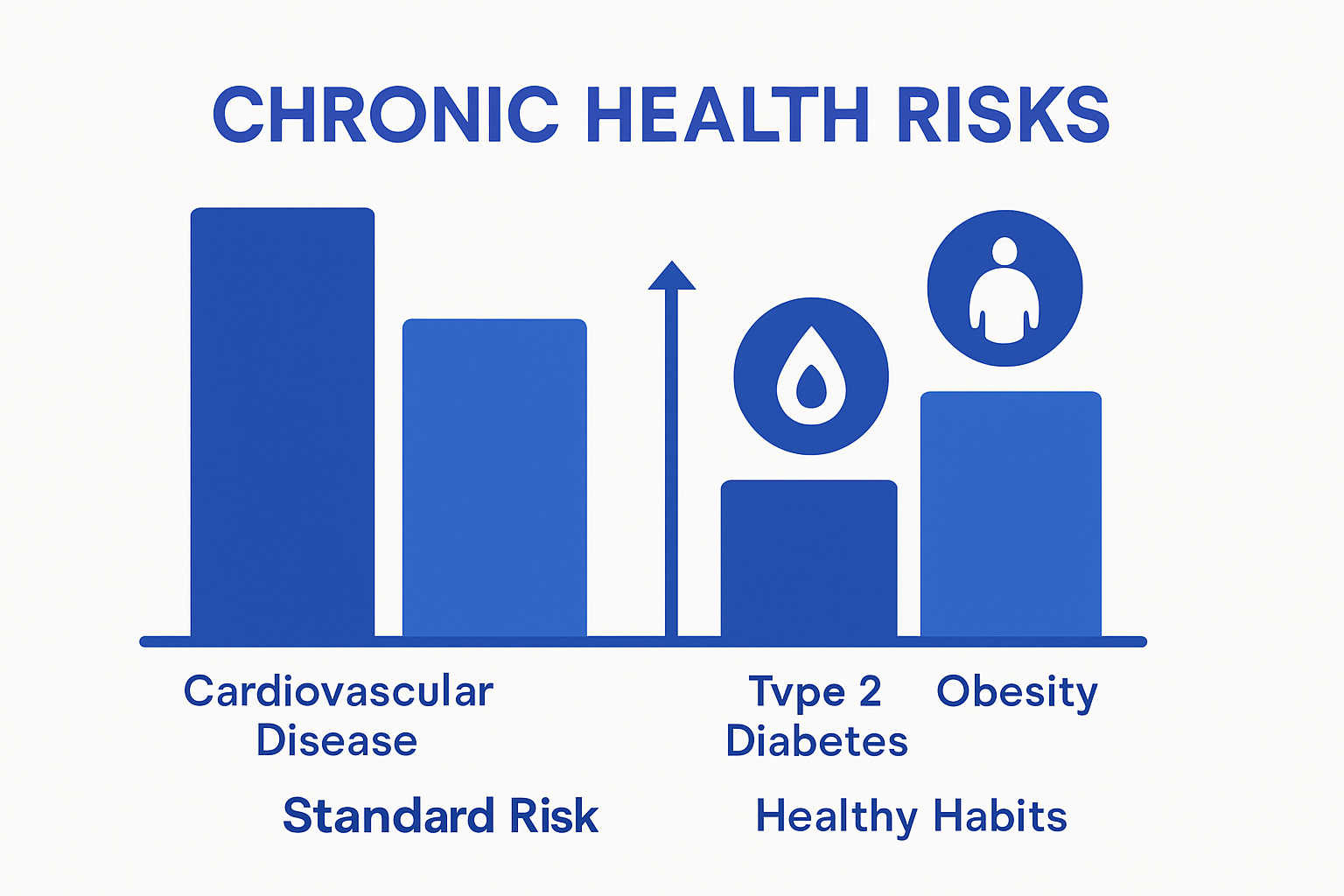
A balanced eating pattern, regular physical activity, sufficient sleep, and avoiding tobacco can help reduce the risk of several chronic diseases. These habits cannot guarantee that a person will avoid illness, but they can support long-term health.
This article will provide guidelines on what adjustments to make for a healthier lifestyle and how to start doing them.
Table of Contents
- What Are Healthy Lifestyle Changes?
- Which Healthy Lifestyle Changes Matter Most?
- 10 Healthy Lifestyle Changes You Can Start Making
- Build a Balanced Eating Pattern
- Make Physical Activity Part of Your Routine
- Reduce Long Periods of Sitting
- Develop a Consistent Sleep Routine
- Manage Stress Effectively
- Avoid Tobacco and Seek Support to Quit
- Be Mindful of Alcohol
- Make Healthy Choices Easier
- Stay Connected and Ask for Support
- Keep Up With Preventive Healthcare
- How Can You Make Healthy Lifestyle Changes Last?
- A Simple Seven-Day Plan for Healthy Lifestyle Changes
- How Should You Adapt Lifestyle Changes to Your Health Needs?
- Frequently Asked Questions
- The Bottom Line
- References
What Are Healthy Lifestyle Changes?
Healthy lifestyle changes are adjustments to everyday habits that support physical health, mental well-being, and daily functioning over time.
Examples of such changes are eating more healthy foods, getting more exercise, getting enough sleep, practicing stress-reduction techniques, and avoiding tobacco and excessive alcohol consumption.
Moreover, it is essential to make changes that you can maintain throughout your life. A strenuous exercise regimen may be almost impossible to stick to for a long time, but a simple walk every day can become a lasting healthy habit.
For a broader introduction to healthy living, see our guide to what healthy living means and how its main principles fit together. This article focuses specifically on practical changes and how to put them into action.
Which Healthy Lifestyle Changes Matter Most?
There is no single routine that is right for everyone. However, several areas have strong support in public-health guidance.
| Lifestyle area | Practical starting point |
|---|---|
| Nutrition | Add fruit, vegetables, whole grains, or other nutritious foods to meals more often. |
| Physical activity | Start with short walks or another activity suited to your current ability. |
| Sleep | Keep a consistent bedtime and wake-up time where possible. |
| Sitting time | Break up long periods of sitting with movement. |
| Stress management | Make time for a calming activity or a supportive conversation. |
| Tobacco | Avoid starting, and seek help to quit if you use tobacco. |
| Alcohol | If you drink, consider reducing your intake. Drinking less generally reduces alcohol-related risks. |
| Preventive healthcare | Keep up with appropriate checkups, screenings, and recommended care. |
These changes work best as part of an overall approach. You do not need to master every area at once, and your priorities may differ depending on your health and circumstances.
10 Healthy Lifestyle Changes You Can Start Making
1. Build a More Balanced Eating Pattern
Healthy eating is not about following a perfect diet or depriving yourself of foods you enjoy. It is about consistently choosing a variety of foods that give your body the nutrients it needs.
Based on individual requirements and preferences, a well-balanced diet should include such things as vegetables, fruits, whole grains, beans or lentils, nuts, seeds, protein-rich foods, and healthy fats. Choose a variety of foods that are appropriate, affordable, and culturally acceptable to you.
You can start with one simple change:
- Add vegetables to a meal you already eat.
- Choose whole fruit more often instead of relying on sweetened snacks.
- Include beans, lentils, eggs, fish, yogurt, or another suitable protein source.
- Replace some refined grains with whole-grain alternatives when practical.
- Drink water regularly and reduce sugary drinks if you consume them frequently.
You do not need to change every meal immediately. Start with one or two adjustments and build from there.
For more food-focused ideas, read our guide to 10 essential tips for healthy eating habits.
2. Make Physical Activity Part of Your Routine
Regular physical activity is vital for the normal functioning of the cardiovascular system, muscles, and a person’s overall health. It can be helpful for everyone, regardless of age, sex, and weight.
Most importantly, it does not require a person to visit a gym and put a heavy load on the body.
Various types of activity, such as walking, dancing, bike riding, housekeeping, or swimming, can be beneficial for health.
The key is to choose an activity that is practical, enjoyable, and appropriate for your abilities. If a person is highly motivated, they can make their daily tasks into a hobby or even a profession.
For most adults, public-health guidance recommends at least 150 minutes of moderate-intensity aerobic activity per week, alongside muscle-strengthening activities on at least two days per week. Individual needs may vary according to health, age, disability, pregnancy, and other circumstances.
People with chronic conditions, injuries, physical limitations, or concerns about exercising safely may benefit from individualized advice from a healthcare professional. Lack of time alone does not necessarily mean medical advice is required; shorter periods of activity may be a practical starting point.
A specialist would recommend individual approaches and prescribe exercises that would be safe and beneficial for the patient’s health.
If you are new to exercise, begin with a manageable amount of activity and gradually increase the duration or intensity as your ability allows.
One should not be hard on themselves when beginning a new hobby or profession. Even a walk can be considered a good start.
3. Reduce Long Periods of Sitting
A person can work out on a regular basis and still spend the majority of their day sitting. The key is to find ways to move throughout the day.
Stand up when talking on the phone, go for a walk, take a stretch, or do something active throughout the day.
If you have a sedentary job, pick out reminders or things to do that will help you get up and move during the workday. There’s no need for an elaborate system. Just start.
The point is not to feel guilty about sitting; it’s to get in some extra activity.
4. Develop a Consistent Sleep Routine
Sleep plays an essential role in allowing our bodies rest, recover, and maintain general well-being. Lack of it can lead to development of many health issues, such as cardiovascular diseases, diabetes, and depression.
Most adults need at least seven hours of sleep per night, although individual sleep needs vary.
To improve your sleep quality and establish a healthy sleep pattern, you may consider the following tips:
- try to go to bed and wake up at the same time every day
- make your sleeping environment as comfortable as possible (quiet, dark, and warm),
- limit screen time before going to bed if it has a negative effect on your sleep,
- do not consume caffeine in the evening if it affects your ability to fall asleep
- keep a regular schedule and get regular exercise.
If you have problems with insomnia, feel excessively sleepy throughout the day, or suspect that you may have a sleep disorder, make sure to consult a healthcare provider.
5. Find Practical Ways to Manage Stress
Stress is a normal reaction to demanding circumstances. However, chronic stress often affects sleep, mood, concentration and general well-being.
It is impossible to avoid stressors and not all methods work for everyone. The idea is to select stress-management techniques that can help you cope.
You could try a short breathing exercise, going for a walk, writing down your thoughts, engaging in a hobby, spending time outdoors, or talking with someone you trust. Some people may find it helpful to seek professional help, such as counsellors or other mental health professionals.
Choose an approach that is realistic in your situation. It may be hard to take up new activities that you have no time for. A short mindfulness session could be more beneficial than a two-hour yoga class.
Stress-management techniques can support well-being, but they should not replace appropriate medical or mental-health care.
6. Avoid Tobacco and Seek Support to Quit
Avoiding tobacco is one of the healthiest things a person can do for themselves. Tobacco use can lead to heart disease, stroke, lung cancer, and other diseases.
If you smoke or use other tobacco products, quitting can be good for you. You don’t have to try to kick the habit on your own. A healthcare professional or a tobacco-cessation counseling service can help you figure out what method would work best for you.
If you have tried and failed before, don’t give up. Think about what might have gone wrong the first time around, and what you could do differently next time.
7. Be Thoughtful About Alcohol
Alcohol may damage your sleep, judgment, and coordination. The impact of alcohol consumption depends on the amount and pattern of drinking, medications, and individual factors.
If you drink alcohol, reducing how much and how often you drink can lower some health risks. Do not start drinking for supposed health benefits.
Keep your warning about potentially dangerous withdrawal for people who may be dependent on alcohol. It is a useful safety point.
8. Make Healthy Choices Easier in Your Environment
Your environment can affect behavior. If healthy food is inconvenient to access or your leisure activity is in another part of the house, then the chances to stick to a new habit decrease.
To change a habit, you need to make it easy to do.
Here are some examples:
- Keep easy-to-prepare nutritious foods available.
- Prepare ingredients or meals ahead when you have time.
- Place walking shoes where you will see them.
- Set a reminder for a regular bedtime.
- Keep tempting distractions away during a planned activity.
- Ask a friend or family member to join you when social support helps.
The idea is to make it easier, not to change the entire environment. You have to think about what you can control and how much time and effort you want to spend on it.
9. Stay Connected and Ask for Support
Relationships and social support can help people to manage difficulties and maintain day-to-day functioning. The support can come in various forms, ranging from friends and family, colleagues, social groups, healthcare professionals, and others.
You could invite a friend for a walk, share meal-preparation tasks, or ask someone to check in on a goal you have set.
Supportive interactions should be positive and uplifting. If other people’s attitudes make you feel ashamed or put pressure on you, it is helpful to limit contact with them or seek other supportive figures in your life.
10. Keep Up With Preventive Healthcare
Healthy habits are important, but they do not replace appropriate preventive healthcare, such as blood pressure checks, recommended vaccinations, screening tests, and dental care. The services you need depend on your age, medical history, and individual risk factors.
These measures should be decided according to age, medical history, and risk factors.
If you have a chronic condition, follow your treatment plan and consult your healthcare professional before making major lifestyle changes or adding supplements that may affect your condition or medications.
Never stop or change prescribed medication due to some improvements in your health status. Remember that all actions concerning your health should be coordinated with the appropriate medical personnel.
How Can You Make Healthy Lifestyle Changes Last?
Knowing what to do is only half the battle. Making a change stick is the real challenge. For more guidance on sustaining progress after initial weight loss, read our guide to long-term weight maintenance.
Start With One or Two Priorities
Pick one or two changes that you want and need to make. Maybe it’s a ten minute walk after lunch or an earlier bedtime.
Working on your diet, exercise, sleep, stress, and a handful of other goals at the same time will only tax your progress.
Make the First Step Small
Your first step toward a new habit has to be an easy win. If you’re trying to work out more, start with a brisk walk around the block. If you’re cooking more meals at home but don’t have the time, try making just one.
Once you get used to the idea, you can always ramp up your efforts.
Link It to Something You Already Do
Life is busy, so you probably have routines that fill up your weekdays. If you normally go for a walk after breakfast, try going farther each day.
Maybe you pack your lunch on Sundays, so you could set a reminder for making tomorrow’s lunch. Or you could try brushing your teeth before bed and then immediately following that up with your sleep routine.
Use whatever you already do as a hint to start something new.
Build in Backup Plans for When Life Gets in the Way
Your plan should include something for when you don’t have time to stop and think. If your usual habit doesn’t work, have a contingency plan.
Maybe on busier days you still go for a walk but shorten it. The most important thing is to have a fallback plan that won’t leave you feeling guilty
Keep Your Eye on the Prize, But Don’t Obsess
A calendar, daily note, or checklist can help remind you of your goal. Stick with something you can write down and file away.
There is no use measuring every single meal or activity unless you’re interested in doing so. If a change stops working, tweak it and try again.
New habits take time to build and old habits won’t disappear overnight.
Work life continues to dictate our routines and stress levels, family matters, vacations and a host of other things all play a role in how much time and energy we can commit to a change.
After a week or two, ask yourself:
- What worked best?
- What was hardest?
- Did i make the change in a way that fit my needs?
After a few weeks, review your progress and decide whether to adjust your goal or approach.
A Simple Seven-Day Plan for Healthy Lifestyle Changes
Use this example as a starting point, not a strict prescription. Choose activities that fit your abilities and circumstances.
Day 1: Choose one habit and set a realistic goal.
Day 2: Add a fruit, vegetable, or other nutritious food to one meal.
Day 3: Take a short walk or do another suitable physical activity.
Day 4: Set a consistent time to begin winding down for sleep.
Day 5: Take a movement break during your workday.
Day 6: Prepare a simple meal or make a healthy choice easier.
Day 7: Review what worked and choose one habit to continue next week.
You do not need to complete every action perfectly. If something doesn’t work for you, find a thing that will.
Once the first week is up, keep doing the things that are helping you and came easily to you, and add on another one when you feel prepared to take on a new task.
How Should You Adapt Lifestyle Changes to Your Health Needs?
General recommendations may serve as a good basis, but they are not necessarily tailored to your particular needs.
People with diabetes, cardiovascular disease, chronic kidney disease, eating disorders, mobility limitations, or other relevant health concerns may need individualized guidance.
Pregnancy, recovery from surgery, and certain medications can also affect which lifestyle changes are appropriate. Consult a qualified healthcare professional when you need advice tailored to your circumstances.
They can advise you on what modifications to make and assess if any special precautions should be taken.
If weight management is one of your goals, our evidence-based weight-loss guide explains how nutrition, physical activity, behaviour, and other factors can fit into a sustainable approach.
Frequently Asked Questions:
What Are the Most Important Healthy Lifestyle Changes?
A balanced eating pattern, regular physical activity, sufficient sleep, avoiding tobacco, and appropriate preventive healthcare are important foundations. The best place to begin depends on your current habits, health, preferences, and circumstances.
Do I need to make all of these healthy lifestyle changes?
There is no necessity to change everything. You can choose one or two healthy patterns that match your interests and try to adopt them. One step at a time!
How long does it take to form a healthy habit?
There is no exact figure. The pace depends on circumstances and how much you will try to ingrain the new behavior. A useful tip is to pay attention to your rituals and try to perform the action as often as needed so that it becomes a routine.
Can I live a healthy life and occasionally treat myself with unhealthy snacks and desserts?
Yes. Healthy eating is about your overall eating pattern, not perfection at every meal. Foods you enjoy can fit into a balanced diet, although individual needs and certain medical conditions may affect what is appropriate.
What if I have a setback and miss a day or two of exercising? What should I do to prevent this from recurring?
Treat a missed day as an opportunity to review your routine, not as a failure. Consider what made the activity difficult, adjust your plan if needed, and return to your routine when practical. One missed workout does not erase your previous efforts.
Can I stop taking medications by making these healthy lifestyle changes?
I would not recommend changing the dosage of medication on your own. Doctors prescribe drugs based on the patient’s needs, not according to their interests. Healthy patterns may prevent numerous conditions, but it does not mean that a person will not get sick anyway. A wide range of diseases can only be controlled by medical means.
Bottom Line
Healthy lifestyle modifications are most effective when they are realistic, research-backed, and tailored to one’s needs.
There is no need to have an ideal or a perfect plan. It is important to start small, make it easy, and track progress in order to be able to adapt to changes and develop a sustainable and effective approach.
Having a balanced diet, being physically active, getting enough sleep, managing stress, and receiving regular health check-ups are just some of the areas that contribute to a healthy lifestyle and overall well-being.
When faced with a specific situation or a unique challenge, it may be useful to consult a professional and get individual-specific recommendations.
References
- Centers for Disease Control and Prevention (CDC): Preventing Chronic Diseases — What You Can Do Now
- World Health Organization (WHO): Healthy Diet
- World Health Organization (WHO): Physical Activity
- Centers for Disease Control and Prevention (CDC): About Sleep
Medical Disclaimer: This article is for educational purposes only. It does not replace professional medical advice, diagnosis, or treatment. Consult a qualified healthcare professional about your individual circumstances.