Leptin, often referred to as the “satiety hormone,” plays a crucial role in regulating energy balance by signaling the brain to reduce appetite and increase energy expenditure.
However, in conditions like obesity, leptin resistance can occur, where the body fails to respond to leptin’s signals despite high circulating levels.
Hormonal therapy has emerged as a promising approach to modulate leptin levels and sensitivity, paving the way for effective weight loss strategies.
In this article, LeanAndFit will explore the mechanisms behind leptin regulation, how hormonal therapy intervenes, and its role in addressing leptin resistance.
In This Article
- Understanding Leptin and Its Role in Weight Regulation
- The Science of Leptin Resistance in Obesity
- Hormonal Therapy and Leptin Sensitivity
- Mechanisms of Hormonal Therapy in Leptin Regulation
- Real-Life Case Studies: Success Stories of Hormonal Therapy
- Scientific Evidence Supporting Hormonal Therapy for Leptin Regulation
- Challenges and Limitations of Hormonal Therapy in Weight Loss
- Conclusion
Understanding Leptin and Its Role in Weight Regulation
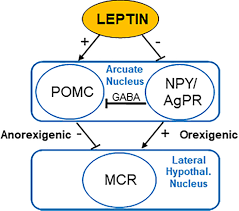
Leptin, a hormone produced mainly by adipose tissue, is a key regulator of energy balance in the body.
Acting as a communicator between fat stores and the brain, leptin informs the hypothalamus about the body’s energy status.
When fat stores increase, leptin levels rise, signaling the brain to suppress appetite and boost metabolic activity.
Conversely, a reduction in fat stores leads to lower leptin levels, stimulating hunger and energy conservation.
This dynamic feedback loop helps maintain weight stability under normal conditions.
However, disruptions in leptin signaling—such as those caused by chronic inflammation, elevated triglycerides, or leptin resistance—can impair this regulatory system.
When the brain fails to respond to leptin signals appropriately, it perpetuates overeating and reduces energy expenditure, fueling weight gain and contributing to obesity.
Understanding leptin’s critical role offers insight into effective strategies for managing obesity and metabolic health.
The Science of Leptin Resistance in Obesity
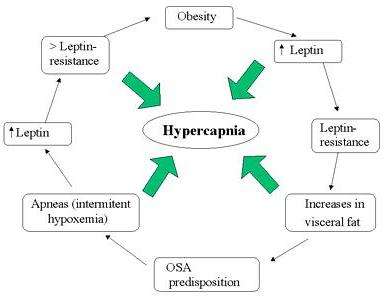
Leptin resistance occurs when the body’s elevated leptin levels fail to suppress appetite or boost energy expenditure effectively, leading to a paradoxical state where the brain perceives starvation despite excessive fat stores.
This dysfunction disrupts the feedback loop responsible for regulating hunger and metabolism, perpetuating weight gain.
Factors Behind Leptin Resistance:
- Chronic Inflammation: Pro-inflammatory cytokines impair leptin signaling pathways in the hypothalamus.
- Elevated Triglycerides: High triglyceride levels block leptin from crossing the blood-brain barrier, reducing its efficacy.
- Hormonal Dysregulation: Insulin resistance and other hormonal imbalances exacerbate leptin dysfunction.
The Case of Sarah
Sarah, a 40-year-old teacher, struggled with uncontrollable hunger despite her high body fat percentage.
Even after reducing caloric intake, her weight remained unchanged.
Genetic testing revealed leptin resistance driven by chronic inflammation.
With a combination of anti-inflammatory therapies and dietary changes, Sarah restored leptin sensitivity, leading to reduced hunger and gradual weight loss.
This example illustrates how leptin resistance, as highlighted in Endocrine Reviews, presents a critical obstacle to weight management in obesity but can be addressed through targeted interventions.
Hormonal Therapy and Leptin Sensitivity
Hormonal therapy strategically targets leptin signaling pathways to overcome resistance and restore effective weight regulation.
By addressing the root causes of leptin resistance, these therapies enhance the body’s ability to respond appropriately to leptin signals, facilitating sustainable weight loss.
Modulating Insulin Levels:
Insulin and leptin work in tandem to regulate appetite and energy expenditure. Insulin resistance often exacerbates leptin resistance by disrupting cellular signaling pathways.
Hormonal therapies like GLP-1 receptor agonists reduce insulin resistance, allowing leptin to function more effectively.
This dual-target approach ensures improved appetite regulation and fat metabolism.
Leptin Mimicry:
Certain medications mimic leptin’s effects on the hypothalamus, helping suppress appetite and improve energy balance.
These treatments are particularly useful in individuals with genetic leptin deficiencies or severe resistance, offering an alternative pathway to restore leptin’s physiological role.
Reducing Inflammation:
Inflammation, particularly in the hypothalamus, is a significant barrier to effective leptin signaling.
Hormonal therapies that reduce inflammation enhance leptin transport across the blood-brain barrier, ensuring its signals are accurately received by the hypothalamus.
This mechanism is crucial for achieving and maintaining weight loss.
These combined approaches demonstrate how hormonal therapy improves leptin sensitivity for weight management, offering a holistic method to address one of obesity’s most persistent challenges.
Mechanisms of Hormonal Therapy in Leptin Regulation
Hormonal therapy plays a critical role in overcoming leptin resistance by addressing its underlying causes and improving leptin signaling.
Here is how these mechanisms work:
Reducing Inflammation:
Chronic inflammation in the hypothalamus disrupts leptin signaling, a condition often observed in obesity.
Hormonal therapies like glucagon-like peptide-1 (GLP-1) receptor agonists target this inflammation, restoring leptin sensitivity.
A study in Nature Medicine demonstrated that anti-inflammatory treatments significantly enhance hypothalamic leptin signaling, enabling the brain to regulate appetite and energy balance more effectively.
This reduction in inflammation is a cornerstone of hormonal interventions.
Enhancing Leptin Transport:
Elevated triglyceride levels can impede leptin’s ability to cross the blood-brain barrier, disrupting its communication with the hypothalamus.
Hormonal therapies that regulate lipid metabolism, such as leptin-sensitizing agents, improve leptin transport.
This ensures that leptin reaches its target receptors, allowing effective hunger suppression and energy regulation.
Addressing Insulin Resistance:
Insulin and leptin function synergistically to maintain metabolic homeostasis. Insulin resistance exacerbates leptin dysfunction, creating a cycle of poor energy regulation.
Hormonal therapies targeting insulin resistance, such as GLP-1 agonists, indirectly improve leptin signaling.
A study in The Journal of Clinical Investigation found that addressing insulin resistance significantly restored leptin function, enhancing weight loss outcomes.
This comprehensive approach to improving leptin signaling explains what are the hormonal mechanisms behind improved leptin signaling in weight loss, highlighting hormonal therapy’s multifaceted impact on metabolic health.
Case Study: Emma’s Weight Loss Journey
Emma, a 38-year-old nurse, had been struggling with obesity for years.
Despite following a balanced diet and engaging in moderate physical activity, she constantly felt hungry and found it difficult to lose weight.
After a thorough evaluation, including genetic testing and metabolic assessments, her endocrinologist identified leptin resistance as a key factor in her weight struggles.
This condition meant that her brain was unable to properly interpret leptin signals, which are critical for regulating hunger and energy balance.
To address this, her doctor prescribed a GLP-1 receptor agonist, a type of hormonal therapy known to improve leptin sensitivity and support weight management.
Over the next 12 months, Emma adhered to her treatment plan, which included hormonal therapy, regular follow-ups, and tailored lifestyle advice.
The results were transformative: Emma lost 20% of her body weight, her energy levels soared, and her feelings of constant hunger subsided.
Additionally, her blood markers showed significant improvements, including normalized leptin function and reduced markers of systemic inflammation.
Emma’s journey demonstrates how hormonal therapy can play a pivotal role in managing leptin resistance.
This real-world example highlights the dual benefits of weight loss and metabolic health restoration, offering hope to individuals facing similar challenges.
Scientific Evidence Supporting Hormonal Therapy for Leptin Regulation
The role of hormonal therapy in regulating leptin levels for weight loss is supported by a growing body of scientific evidence.
How does leptin-targeted hormonal therapy impact long-term weight loss success?
Studies indicate that addressing leptin resistance—a key driver of obesity—leads to meaningful and sustained weight management.
- Enhanced Weight Loss Outcomes: Research published in Cell Metabolism found that leptin-sensitizing therapies improved weight loss outcomes by 15–20% compared to lifestyle changes alone. These therapies work by restoring leptin’s ability to signal satiety to the brain, helping individuals manage caloric intake more effectively.
- Combination with Diet Interventions: A study in Diabetes, Obesity, and Metabolism demonstrated that combining hormonal therapy with dietary changes significantly enhanced leptin sensitivity. Participants experienced greater fat loss and maintained their weight reduction over time compared to those relying solely on diet or exercise.
- Long-Term Impact: Hormonal therapies addressing leptin resistance not only promote immediate weight loss but also reduce the likelihood of weight regain by maintaining hormonal balance. By modulating key pathways, these therapies offer a sustainable approach to combating obesity.
These findings underscore the potential of leptin-targeted hormonal therapy as a cornerstone in long-term weight loss strategies, particularly when integrated with lifestyle modifications.
Challenges and Limitations of Hormonal Therapy in Weight Loss
Conclusion
Hormonal therapy has revolutionized the treatment of obesity by targeting leptin regulation. By improving leptin sensitivity, these therapies help overcome the barriers of leptin resistance, enabling sustainable weight loss.
While challenges exist, the integration of scientific advancements, personalized medicine, and lifestyle changes holds promise for individuals struggling with obesity and leptin-related metabolic disorders.
Incorporating hormonal therapy into comprehensive weight loss plans can address the root causes of obesity, offering a path toward improved health and well-being.
References: