

Healthy smoothie recipes are everywhere right now.
These vibrant blends are filling blenders across kitchens for good reason and the hype is huge. But hold on. Most people overlook one detail that could make or break results.
Just choosing the right ingredients can lower your risk of heart disease, diabetes, and even certain cancers by a dramatic margin, according to Rutgers University.
So the next time you sip that colorful concoction, remember that what you put in your blender may be a lot more powerful than you think.
Table of Contents
- Benefits Of Healthy Smoothie Recipes
- Key Ingredients For Nutritious Smoothies
- Easy Healthy Smoothie Recipes To Try
- Tips For Customizing Your Perfect Smoothie
Quick Summary
| Takeaway | Explanation |
|---|---|
| Craft smoothies for health and weight loss | Smoothies can enhance nutrition and support weight management when made thoughtfully with the right ingredients. |
| Balance macronutrients for satisfaction | Ensure smoothies contain protein, healthy fats, and carbohydrates for fullness and sustained energy. |
| Use nutrient-dense ingredients | Incorporate fruits and vegetables like berries and greens to maximize vitamins and minerals while minimizing calories. |
| Experiment with flavors and textures | Customize smoothies to fit your taste preferences while maintaining nutritional quality—try different fruits, spices, and bases. |
| Prepare smoothies in advance | Batch preparation makes it easy to enjoy nutritious smoothies on busy mornings, ensuring consistent healthy choices. |
Benefits of Healthy Smoothie Recipes
Healthy smoothie recipes offer far more than just a tasty beverage.
They represent a powerful nutritional strategy for transforming your overall wellness and supporting weight management goals.
When crafted thoughtfully, these nutrient-dense drinks can become a game-changing addition to your dietary routine.
Nutritional Powerhouses for Comprehensive Health:
Smoothies are not just simple drinks.
According to Rutgers University, incorporating fruits and vegetables into smoothies can significantly reduce the risk of developing serious health conditions like heart disease, cancer, and diabetes.
The strategic combination of ingredients allows you to pack multiple nutritional benefits into a single serving.
Protein-rich additions such as seeds, nuts, and beans can further enhance the health potential of smoothies.
These ingredients contribute to muscle health and support critical heart functions.
The versatility of smoothies means you can customize them to address specific nutritional needs while maintaining an enjoyable taste profile.
Weight Management and Metabolic Support:
Utah State University highlights that smoothies can be an effective tool for increasing fruit and vegetable intake, which is directly associated with managing weight and reducing risks of obesity.
By carefully selecting ingredients, you can create smoothies that support metabolic function and provide sustained energy.
The key is balancing macronutrients and avoiding excessive added sugars.
A well-designed smoothie can serve as a meal replacement or a nutrient-dense snack that keeps you feeling full and satisfied.
This approach helps control calorie intake while ensuring your body receives essential vitamins, minerals, and fiber.
Convenient Nutrition for Modern Lifestyles:
Johns Hopkins Medicine recommends smoothies as a fast, nutritious option for individuals with busy schedules.
By using frozen fruits and greens, you can maintain high vitamin and mineral content while creating quick, portable meals.
For those looking to dive deeper into creating effective weight loss smoothies, our comprehensive guide to smoothie recipes offers additional insights into crafting the perfect nutritional blend.
The convenience of smoothies makes them an ideal solution for people seeking to improve their diet without sacrificing time or flavor.

Remember that the effectiveness of smoothies depends entirely on ingredient selection.
A thoughtful approach that prioritizes whole foods, balances macronutrients, and minimizes added sugars can transform these drinks from simple beverages into powerful tools for health and wellness.
Key Ingredients for Nutritious Smoothies
Creating a nutritious smoothie requires strategic ingredient selection that balances flavor, nutrition, and weight management goals.
Understanding the right combination of ingredients can transform an ordinary drink into a powerful wellness tool.
Protein-Packed Foundation Ingredients:
Protein is crucial for creating satisfying smoothies that support muscle health and metabolic function.
According to the USDA FoodData Central, several ingredients offer exceptional protein content.
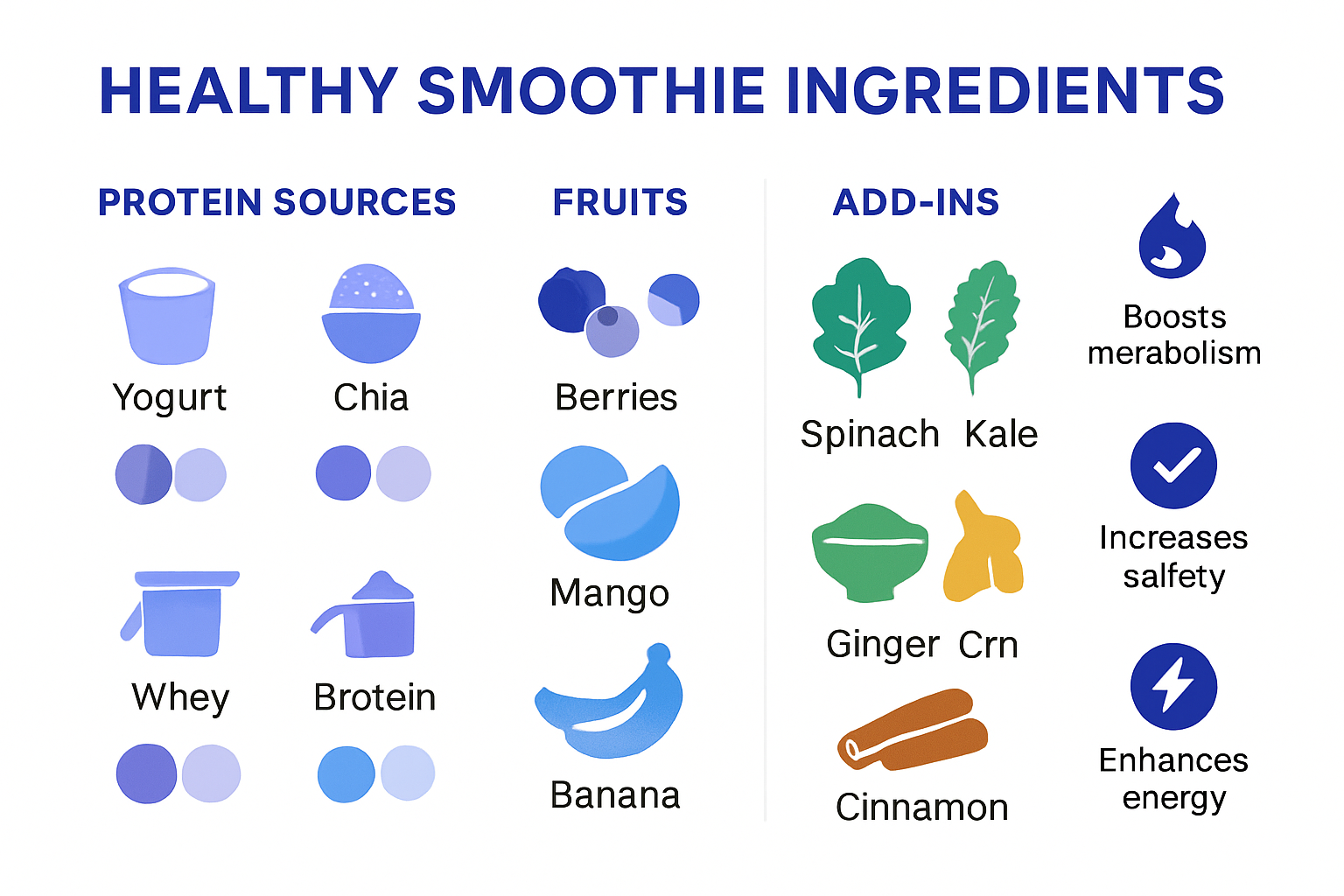
Greek yogurt provides approximately 15-20 grams of protein per serving, making it an excellent base.
Plant-based alternatives like chia seeds, hemp seeds, and almonds offer additional protein with beneficial omega-3 fatty acids.
Whey protein powder can be another strategic addition, delivering concentrated protein without excess calories.
For individuals seeking plant-based options, options like pea protein or brown rice protein provide comparable nutritional benefits.
The key is selecting proteins that complement your specific dietary needs and weight management objectives.
Nutrient-Dense Fruits and Vegetables:
Fruits and vegetables are the cornerstone of a nutritionally robust smoothie. Berries like strawberries, blueberries, and raspberries offer powerful antioxidants while maintaining relatively low sugar content.
Dark leafy greens such as spinach and kale provide essential vitamins and minerals without significantly altering the smoothie’s taste.
Greens like kale deliver substantial nutrients including vitamin K, vitamin A, and calcium. Spinach offers iron and magnesium while being nearly tasteless when blended with fruits.
For those seeking practical weight loss smoothie strategies, incorporating these nutrient-dense ingredients can help create filling, low-calorie options that support metabolic health.
Metabolism-Boosting and Functional Ingredients:
Beyond basic nutrition, certain ingredients can actively support metabolic function and weight management.
Ingredients like green tea powder, cinnamon, and ginger have demonstrated potential in supporting metabolism and reducing inflammation.
Matcha green tea, for instance, contains catechins that may help increase fat oxidation and improve energy expenditure.
Additionally, healthy fats from sources like avocado, coconut milk, or almond butter can help create smoother texture while promoting satiety.
These ingredients slow digestion, helping you feel full longer and potentially reducing overall calorie intake.
The goal is creating a balanced smoothie that provides sustained energy and supports your wellness journey.
Remember that ingredient quality and proportion are critical.
A well-crafted smoothie should taste delicious while delivering targeted nutritional benefits.
Experiment with combinations, but always prioritize whole, minimally processed ingredients to maximize health potential.
Here is a summary table outlining key smoothie ingredient categories and their health benefits, as discussed in the article.
Use this to help select the best components for your next nutritious blend.
| Ingredient Category | Examples | Key Benefits |
|---|---|---|
| Protein-Packed Foundation | Greek yogurt, chia seeds, hemp seeds, whey | Satiety, muscle support, metabolic health |
| Nutrient-Dense Fruits and Vegetables | Berries, spinach, kale, mango | Antioxidants, vitamins, minerals, fiber |
| Metabolism-Boosting/Functional | Green tea powder, cinnamon, ginger, avocado | Enhanced metabolism, satiety, healthy fats |
| Healthy Fats | Avocado, coconut milk, almond butter | Smoother texture, prolonged fullness |
| Low-Sugar Sweeteners | Banana, strawberries, pineapple | Natural sweetness with fewer calories |
Easy Healthy Smoothie Recipes to Try
Smoothies offer a delicious and convenient way to boost nutrition and support weight management goals.
With the right recipes, you can transform simple ingredients into powerful wellness tools that are both satisfying and easy to prepare.
Green Powerhouse Smoothie:
Rutgers University provides an excellent Cool Tropical Smoothie recipe that demonstrates how to create a nutrient-dense drink with minimal effort.
This green smoothie combines baby spinach, frozen mango, strawberries, unsweetened coconut almond milk, chia seeds, and a splash of lime juice. The combination delivers a perfect balance of vitamins, minerals, and essential nutrients.
To prepare this smoothie, simply blend all ingredients until smooth.
The spinach provides iron and essential minerals while remaining virtually undetectable in flavor.
Frozen mango and strawberries add natural sweetness and antioxidants, making this an ideal option for those seeking a refreshing and healthy drink.
Chia seeds contribute additional protein and omega-3 fatty acids, enhancing the smoothie’s nutritional profile.
Berry Metabolism Booster:
Piedmont Healthcare offers a Double Berry Banana Avocado Smoothie that supports weight management and provides sustained energy.
This recipe includes unsweetened almond milk, frozen blueberries, fresh strawberries, frozen banana, and ripe avocado.
The combination creates a creamy, satisfying smoothie that helps control hunger and supports metabolic health.
Blueberries and strawberries are packed with antioxidants that support cellular health and may boost metabolism. The avocado provides healthy fats that promote satiety, while the banana adds natural sweetness and potassium.
For those looking to explore more weight loss smoothie strategies, this recipe offers a delicious starting point.
University Recreation Green Detox Smoothie:
James Madison University’s University Recreation recommends a Green Smoothie that transforms vegetables into a delightful drink.
This recipe combines spinach, kale, frozen mango, banana, cucumber, water, and chia seeds. It is an excellent option for individuals seeking to increase vegetable intake without compromising taste.
The combination of spinach and kale provides a robust nutritional foundation, delivering vitamins A, K, and C, along with essential minerals. Frozen mango and banana create a smooth, sweet base that masks the green vegetables’ flavor.
Cucumber adds hydration, while chia seeds contribute protein and omega-3 fatty acids.
When preparing these smoothies, remember that ingredient quality and proportion are key. Use fresh, whole ingredients and experiment with combinations that suit your taste preferences.
A great smoothie should not only be nutritious but also enjoyable. Start with these recipes and gradually adapt them to your personal wellness goals, creating a sustainable approach to healthy nutrition.
To help you compare and select from the featured healthy smoothie recipes, here’s a comparison table of their main ingredients and key nutritional highlights.
| Recipe Name | Main Ingredients | Notable Nutritional Benefits |
|---|---|---|
| Green Powerhouse Smoothie | Spinach, frozen mango, strawberries, chia seeds | Vitamins, minerals, omega-3, antioxidants |
| Berry Metabolism Booster | Blueberries, strawberries, banana, avocado | Antioxidants, potassium, healthy fats |
| University Recreation Green Detox | Spinach, kale, mango, banana, cucumber, chia seeds | Fiber, hydration, vitamins A/K/C, minerals |
Tips for Customizing Your Perfect Smoothie
Creating the perfect smoothie is an art that combines nutrition, flavor, and personal wellness goals.
Customization allows you to transform a basic drink into a personalized nutritional powerhouse that supports your unique health journey.
Balancing Macronutrients for Optimal Results:
Research published in the journal Nutrients emphasizes the critical importance of strategic ingredient combination to enhance satiety and support weight management.
The key is creating a balanced macronutrient profile that includes protein, healthy fats, and complex carbohydrates. Start by selecting a protein base like Greek yogurt, plant-based protein powder, or silken tofu.
Then, incorporate healthy fats from sources such as chia seeds, almond butter, or avocado to slow digestion and promote feelings of fullness.
Carbohydrate sources should prioritize whole fruits and vegetables that provide fiber and essential nutrients.
Berries, leafy greens, and low-sugar fruits offer maximum nutritional benefit with minimal caloric impact.
The goal is to create a smoothie that provides sustained energy and supports metabolic function without causing rapid blood sugar spikes.
Flavor Customization and Ingredient Swaps:
Personalizing your smoothie goes beyond nutrition.
Experiment with flavor combinations that make healthy eating enjoyable. If you dislike the taste of certain nutrient-dense ingredients, try strategic substitutions.
Spinach can be masked by sweet fruits like mango or pineapple, while adding a small amount of cinnamon or vanilla extract can enhance overall palatability.
Consider your specific health goals when selecting ingredients.
For those seeking weight loss smoothie strategies, focus on low-calorie, high-fiber ingredients that provide maximum nutritional density.
Metabolism-boosting additions like green tea powder, ginger, or cayenne pepper can add both flavor and potential fat-burning benefits.
Texture and Preparation Techniques:
Texture plays a crucial role in smoothie satisfaction.
Frozen fruits can create a thick, ice cream-like consistency without adding excess calories. Experiment with different liquid bases like unsweetened almond milk, coconut water, or green tea to modify texture and flavor profile.
For a creamier smoothie, include ingredients like frozen banana, Greek yogurt, or a small amount of rolled oats.
Preparing smoothies in advance can support consistent nutrition.
Consider batch preparation by portioning ingredients into freezer bags, allowing for quick blending during busy mornings.
Invest in a high-quality blender that can thoroughly incorporate all ingredients, ensuring a smooth and well-mixed final product.
Remember that the perfect smoothie is a personal journey.
Start with basic recipes and gradually modify them to suit your taste preferences and nutritional needs. Pay attention to how different ingredients make you feel, and don’t be afraid to experiment.
The most sustainable approach is one that you enjoy and can maintain consistently as part of your overall wellness strategy.
Frequently Asked Questions:
This FAQ is all about making healthy smoothie recipes for weight loss simple, practical, and actually enjoyable.
We’re not just talking about blending fruits—we’re diving into smart strategies people often overlook.
If smoothies have ever confused you (or stalled your progress), these fresh questions will clear things up.
Q-1: Can a smoothie be “too healthy” to support weight loss?
A-1: Surprisingly, yes. Sometimes people pack smoothies with every “superfood” they can find—nuts, seeds, nut butter, protein powder, fruits—all in one glass. While each ingredient is healthy, together they can create a calorie bomb.
Weight loss depends on maintaining a calorie balance, so even nutritious smoothies need portion control. A good rule is to keep your smoothie simple and intentional rather than overloaded.
Q-2: Why do some weight loss smoothies leave me hungry within an hour?
A-2: This usually happens when your smoothie lacks protein and fiber. A fruit-only smoothie may taste great, but it digests quickly, causing a spike and drop in blood sugar.
That leads to hunger soon after. To fix this, include protein sources like yogurt or protein powder, and fiber sources like oats or chia seeds. These help keep you full for longer.
Q-3: Is chewing better than drinking when trying to lose weight?
A-3: Interesting question! Chewing does signal fullness more effectively because it slows down eating and engages digestion.
Smoothies, on the other hand, are consumed quickly, which may delay the “I’m full” signal.
However, you can make smoothies work by sipping slowly instead of gulping them down. Think of it as “drinking mindfully” rather than rushing through it.
Q-4: Can the color of my smoothie actually impact my nutrition choices?
A-4: It sounds odd, but yes—color can influence your mindset.
Bright green smoothies often push people toward healthier ingredients like spinach or kale, while dessert-like colors (like chocolate brown or pink) may lead to sweeter, higher-calorie blends.
While color itself doesn’t affect weight loss, it can subtly guide your ingredient choices, which does matter.
Q-5: Should smoothies replace meals or just act as snacks?
A-5: This depends on how they’re made. A well-balanced smoothie with protein, fiber, and healthy fats can replace a meal. But a light fruit smoothie is better suited as a snack.
The mistake many people make is treating a low-calorie smoothie as a full meal, which leads to hunger and overeating later. Always match the smoothie’s content to its purpose.
Q-6: Why do homemade smoothies sometimes work better than store-bought ones?
A-6: Control is the main reason. When you make smoothies at home, you decide exactly what goes in—no hidden sugars or additives.
Store-bought smoothies, even the “healthy” ones, often contain extra sweeteners, syrups, or large portion sizes.
These can quietly increase calorie intake. Homemade smoothies give you full control, which is crucial for consistent weight loss.
Q-7: Can adding ice or water dilute the effectiveness of a smoothie?
A-7: Not at all—in fact, it can help. Adding ice or water reduces calorie density without removing nutrients. This means you get a larger volume to drink, which can help you feel fuller.
It is a simple trick to make your smoothie more weight-loss friendly without compromising its benefits.
Q-8: Are “breakfast smoothies” different from “weight loss smoothies”?
A-8: They can be, depending on the ingredients. Breakfast smoothies are often designed to provide energy and may include more carbs like bananas or oats.
Weight loss smoothies focus more on satiety and calorie control, often emphasizing protein and fiber. The key is aligning your smoothie with your goal—energy boost or calorie management.
Q-9: What’s the simplest formula for a perfect weight loss smoothie?
A-9: Keep it balanced and easy to follow. Start with a base (water, milk, or a plant-based option), add a handful of greens, include a protein source, toss in a small portion of fruit for flavor, and finish with a healthy fat like seeds.
This combination supports fullness, nutrition, and calorie control. The simpler your formula, the easier it is to stay consistent.
Ready To Make Your Smoothie Habit Work For Real Results?
You have seen how powerful healthy smoothies can be for weight management and wellness.
But sometimes it feels overwhelming to balance the right ingredients or keep your routine on track. If you ever worry about getting the proper nutrients or struggle to build satisfying, low-calorie blends, you are not alone.
Real change comes from smart choices, like building your smoothie habit into a complete meal plan.
Our Meal Planning resources make it so much easier to create a plan that fits your schedule, keeps you full, and delivers real progress.
Stop guessing and start seeing results. Visit leanandfit.info for trusted guides, advice on Protein Intake, and step-by-step support.
Take charge of your weight loss journey today. Start with your smoothies and let us help you build a healthier lifestyle that lasts.
Recommended:
- 10 Delicious Weight Loss Smoothie Recipes for Healthy Results – LeanAndFit
- Are Healthy Smoothie Recipes for Weight Loss Actually Making You Gain Weight? – LeanAndFit
- How I Do a Smoothie Diet for Weight Loss? – LeanAndFit
- For educational purposes only
- Why Trust LeanAndFit.info?
- Top 10 Myths on Smoothie Diet for Weight Loss – Finally Busted! – LeanAndFit
- 5 High-Protein Breakfast Recipes to Start Your Day Right – Dietium