
Losing weight can be hard work if you love your food. Especially if you think carbs are the enemy.
But when it comes to a balanced diet, healthy carbs fuel your body and mind.
Many Americans are working to achieve lasting weight loss, but they don’t know how to incorporate wholesome, fiber-filled carbs into their daily meals and snacks.
This article by leanandfit.info will explain the difference between simple and complex carbs, debunks myths about healthy eating and will show you how to add fiber-rich carbs that boost brainpower and energy to your diet.
By the end of it all you would learn all about healthy carbs for weight loss.
Table of Contents
- Healthy Carbs Defined And Common Misconceptions
- Types Of Carbohydrates And Their Effects
- How Healthy Carbs Support Weight Loss
- Best Sources Of Healthy Carbs To Eat
- Risks Of Diets Low In Healthy Carbs
Key Takeaways
| Point | Details |
|---|---|
| Healthy Carbohydrates Are Essential | Carbohydrates provide vital nutrients and energy; choose whole, minimally processed sources for optimal health. |
| Types of Carbohydrates Matter | Simple carbohydrates cause rapid blood sugar spikes, while complex carbohydrates promote steady energy release. |
| Support Weight Loss with Proper Carbs | Fiber-rich and low glycemic index carbs increase satiety and stabilize blood sugar, aiding in weight management. |
| Avoid Extreme Low-Carb Diets | Severely restricting carbs can lead to nutrient deficiencies and negatively affect overall health and metabolism. |
Healthy Carbs Defined and Common Misconceptions
Carbohydrates are an essential macronutrient that are greatly underestimated in the modern-day and unnecessarily villainized.
Healthy carbs such as those listed below contain nutrients necessary for health and body function.
Healthy Carbohydrates can be separated into two main groups:
However, the difference between these categories may be tricky to identify for some individuals.
Below are some guidelines describing the various types of carbohydrates and their overall effect on health:
- Simple Carbohydrates: can be digested quickly and often lead to abrupt elevations in blood sugar levels
- Complex Carbohydrates: broken down slower by the body and provide a slower, steadier release of energy
- Carbohydrates containing fiber: improve digestion and also provide energy to the body with additional health benefits
There are various common misunderstandings concerning carbohydrates that lead many individuals to believe these nutrients are unnecessary in the diet. In fact, health experts encourage people to make sure they consume healthy carbs because these are necessary to support bodily function and provide energy.
Carbohydrates are essential for:
- Brain function
- Body processes
- Exercise or physical activity
- Hormone production
People should seek to limit foods with empty carbohydrates and eat more nutritious types of this macronutrient.
Healthy carbs are digested much slower by the body, providing a steady increase of energy over a longer time period. Additionally, they have more nutritional value and benefits than other types of food.
Types of Carbohydrates and Their Effects
Understanding various types of carbohydrates is essential in making the right choices for one’s diet. The types of sugar or carbs have different effects on the human body and overall health.
There are several types of carbohydrates, which need to be distinguished and recognized:
Simple carbohydrates or saccharides are fast-digesting and increase blood sugar;
Complex carbohydrates or polysaccharides are digested slowly;
Fiber is a type of carbohydrate, which cannot be broken down by humans.
The process of digesting carbohydrates determines how healthy a person will be regarding their diet and weight. Distinguish unique types of carbs is vital to make the right food choices daily. For example, simple carbohydrates increase blood sugar, which means that they need to be minimized in one’s diet.
One can learn which type of carbohydrate is beneficial or harmful from the digestion point of view. For instance, complex carbohydrates are found in whole grains, legumes, vegetables, and fruits. They are healthier in comparison with simple carbs because they are rich in nutrients, healthy minerals, and fiber.
Moreover, complex carbohydrates help people lose or decrease weight because most of these foods are low in calories. On the other hand, most simple carbs are found in junk food and soda.
The glycemic index is another essential aspect when considering types of carbohydrate.
It is a measure of how quickly carbohydrate is broken down into glucose. A higher glycemic index means that foods raise blood sugar rapidly and that a person will experience an increase in energy.
However, it is essential to choose complex carbohydrates with a low glycemic index to keep blood sugar stable.
Complex carbohydrates are the best choice for people to obtain the energy they need throughout the day while maintaining a healthy lifestyle.
Thus, it is vital to collect enough nutrients from the carb types that are chosen. A wise decision would be to eat foods that contain fiber and have a low glycemic index.
How Healthy Carbs Support Weight Loss?
Healthy carbohydrates play an essential role in a good diet, which helps in weight loss. Despite a number of diet taboos concerning carbs, they are necessary for the human body.
There are specific healthy carbohydrates that aid in weight loss and there are multiple reasons for that.
The main characteristics of carbohydrates that help in weight loss are:
- fiber content,
- which increases satiety,
- reduces blood sugar spikes
- provides the body with energy
- nutrients.
The most common and healthy carbohydrates include whole grain, vegetables, and legumes. They are highly recommended for people on a diet because they have various advantages over other food products.
Firstly, they contain a high amount of fiber, which makes you feel full for a long time.
Secondly, complex carbohydrates included in these foods help to reduce blood sugar levels.
Moreover, a lot of healthy carbs are rich in nutrients, which are essential for a healthy metabolic function and normal activity of the body. The caloric content of these carbohydrates is relatively low; thus, it is easier to control portions and not gain extra pounds.
High-quality carbs are highly important in a healthy nutritional diet since they help control blood sugar levels and weight.
Most of them have low glycemic indexes, meaning that they do not raise blood sugar levels rapidly after eating, making people less likely to overeat.
Therefore, people on a diet should consume high-quality carbs instead of refined ones in order to reduce body weight and maintain it.
High-quality carbohydrates are vital for a healthy and balanced diet, which helps in weight loss.
They are necessary for the proper functioning of the body and prevent a number of diseases.
A big variety of healthy carbs is suitable for people on a diet since they have a high amount of fiber, nutrients, and energy and a low amount of calories.
The best option is to eat whole grain foods, vegetables, and legumes.
Best Sources of Healthy Carbs to Eat
Healthy Carbohydrates Are Important For Weight Loss Essay
I would like to share with you a few things about healthy carbohydrates, so that you understand what good carbs are. Choosing the right sources for your carbs is essential if you want to be healthy and lose weight.
The best carb foods include:
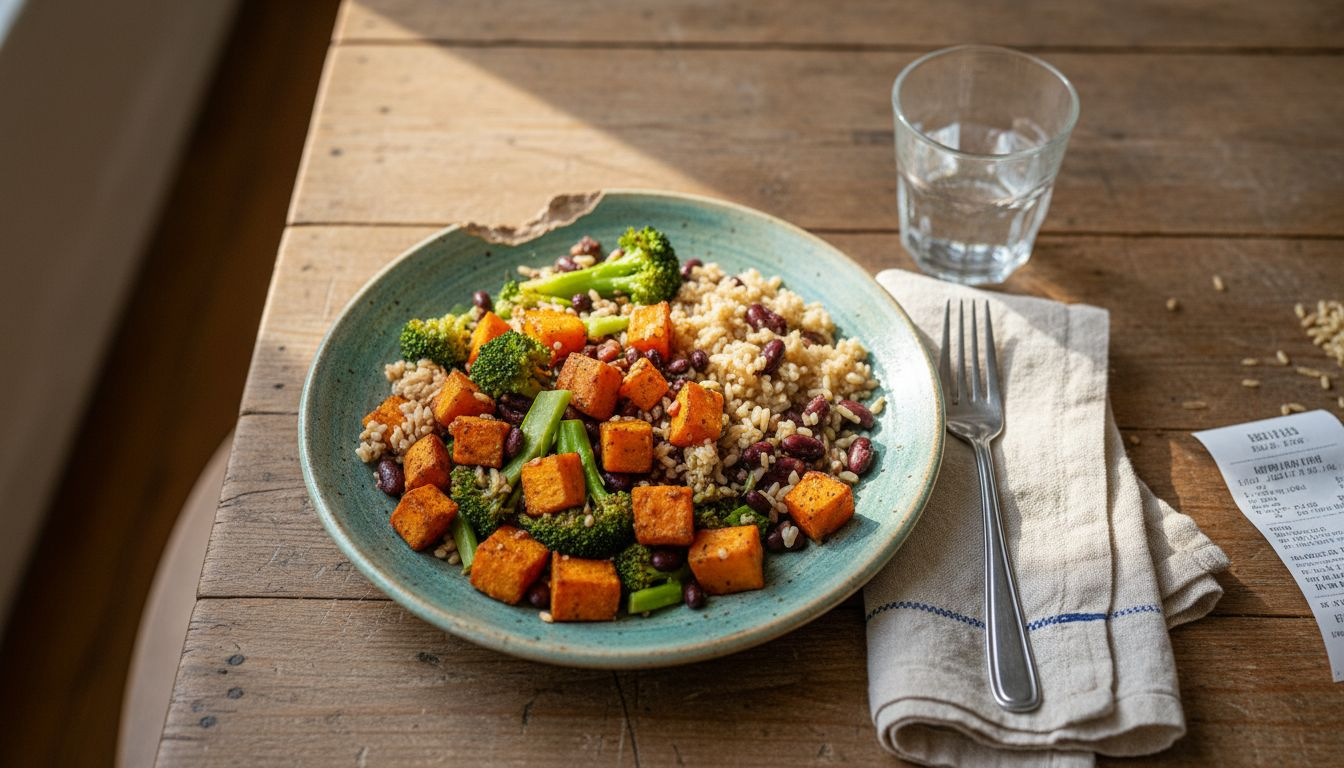
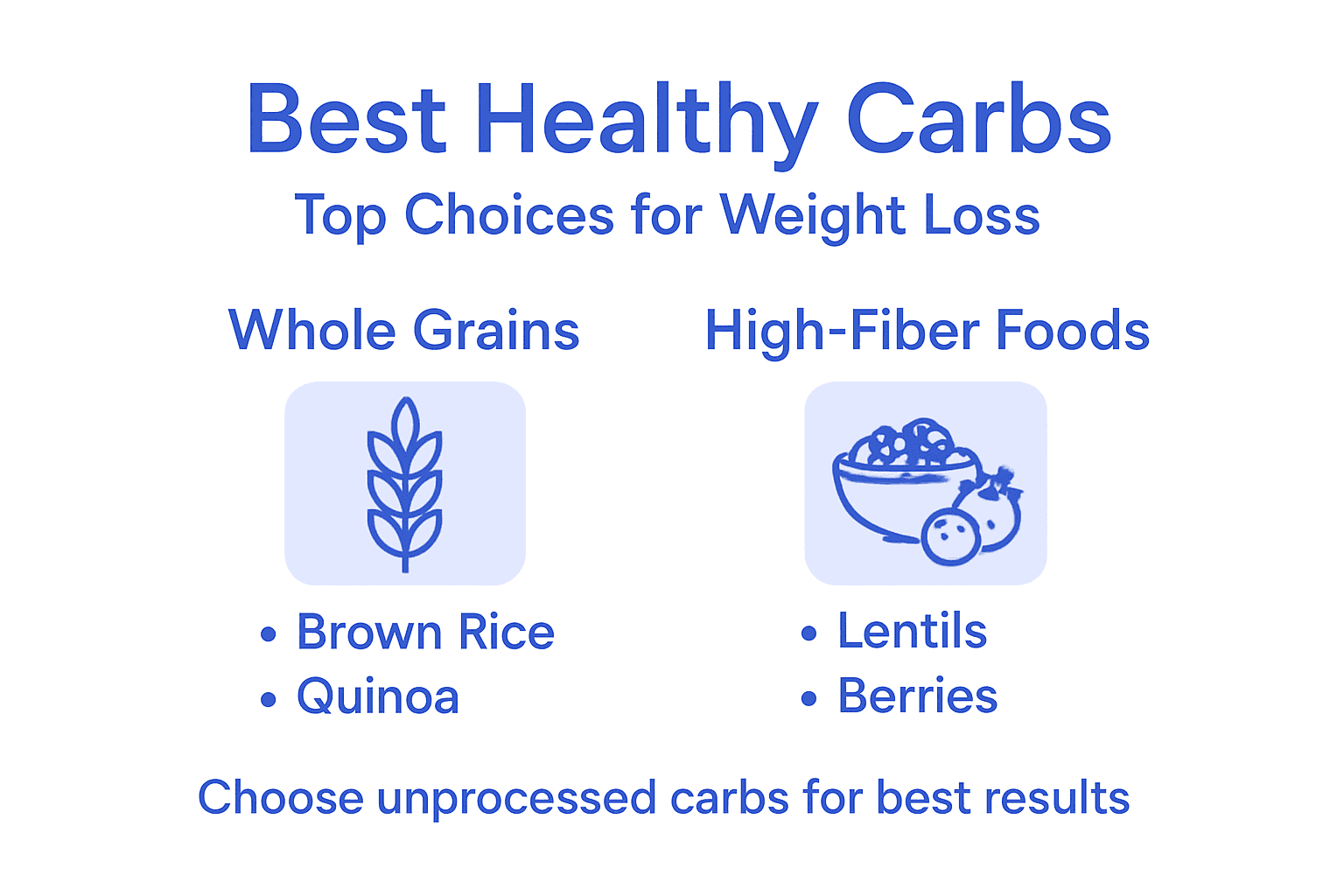
• Whole grains – such as brown rice, quinoa, oats, whole wheat, etc.
• Legumes – Beans, lentils, chickpeas, and other legumes make a great source of healthy carbs
• Starchy Vegetables – Such as sweet potatoes, squash, etc.
• Fresh Fruits – Apples, berries, citrus fruits with peel on, etc.
• Non-starchy Vegetables – Broccoli, spinach, kale, etc.
Healthy carbohydrates are whole foods. In other words, you should consume them in the way the they are, or in a minimally processed state.
Whole foods, as the name implies, are foods in their most whole state.
They are not processed and do not contain any additives.
There are several more reasons why whole-food carbohydrates are a good choice for you:
1. They help you balance your blood sugar
2. They give you energy
3. They help you keep a good digestion system
4. They supply your body with vitamins and minerals
5. They help you feel full, so you eat less and lose weight
I suggest eating more real, whole-food carbohydrates. And process them at home in the most simple way possible. Stay clear of refined grains and other overly processed, “fast” carbs.
Here’s a quick comparison of common carbohydrate sources and their key nutritional attributes:
| Source Type | Fiber Content | Glycemic Impact | Main Nutritional Benefit |
|---|---|---|---|
| Whole Grains | High | Low to Moderate | Rich in B vitamins and minerals |
| Legumes | Very High | Low | Provides protein and iron |
| Vegetables | Variable | Low | Supplies antioxidants, vitamins |
| Fruits | Moderate | Low to Moderate | Adds vitamins and antioxidants |
| Refined Grains | Very Low | High | Mostly empty calories |
Choosing high-quality carbohydrates for the diet is a vital task. To select the right ones, people need to focus on eating more foods, which nourish their bodies.
Such products will help the ones trying to lose weight keep everything in balance.
Smart Tip: The thing which one should remember while selecting them is that combining a few healthy carb-rich foods will nourish the organism in the best way.
Risks of Diets Low in Healthy Carbs
A low-carbohydrate diet hides many dangers for the body.
The essence of this trend is to exclude as much as possible of “bad” carbohydrates from the diet. However, a large number of people, without thinking about the consequences, jump at the chance to lose weight quickly.
This is a great mistake since such a diet can be harmful.
A diet that is low in carbohydrates and completely excludes their consumption can damage health:
- Provoke the development of many diseases,
causing metabolic problems,
imbalances in the body,
and even a decrease in performance.
The fact that a balanced diet is better for health than a low-carb one is confirmed by numerous studies. Moreover, completely giving up on carbohydrates is even dangerous for health.
People who are on a strict low-carb diet may experience:
- Increased risk of heart disease,
- deterioration of cognitive function,
- weakened immune system,
- insufficient energy for physical activity,
- and many other negative consequences for the body.
However, it should be borne in mind that a balanced diet is not only healthy but also helps to lose weight. Therefore, instead of completely giving up on carbohydrates, it is even better to eat them in small amounts.
The body will be grateful for the right food and balanced nutrition, which, in the end, is the key to maintaining health.
This table summarizes potential health consequences of restricting healthy carbs:
| Risk Area | Possible Effect | Long-Term Outcome |
|---|---|---|
| Heart Health | Increased disease risk | Higher cardiovascular risk |
| Cognitive Function | Memory and focus decline | Reduced mental sharpness |
| Metabolism | Hormonal imbalance | Slower fat loss |
| Digestive Health | Fiber deficiency | Constipation and discomfort |
Your body needs a balanced nutritional program, not a severe limitation of carbohydrates.
Expert Tip: My advice to you would be to seek the guidance of a medical professional such as a registered dietitian before attempting to completely cut carbs out of your diet to ensure that your nutritional needs are met.
Unlock the Power of Healthy Carbs for Effective Weight Loss
Struggling to get the right carbs can be stressful
The article will help you understand which carbohydrates to choose for healthy nutrition and gradual weight loss.
It is also essential to consider low-carb diet options for the best results without harming your health
To learn more about all the requirements and benefits, go to Low-Carb Diets – LeanAndFit .
For healthy and conscious eating, use the tools and guidelines from the LeanAndFit brand, offering excellent opportunities for those who want to be more precise in their nutrition choices and eventually reach their ideal weight.
Do not waste time on unhealthy carb mistakes and get LeanAndFit.info tips as soon as possible.
Frequently Asked Questions:
- How Low-Carb Diets Promote Fat Loss? – LeanAndFit
- Understanding Low Carb Diet Basics for Better Health – LeanAndFit
- 25 Best Healthy Snacks for Weight Loss Success – LeanAndFit
- 7 Natural Alternatives to Keto Diet for Weight Loss – LeanAndFit
- The Key to Carb Loading – MK Marathon Weekend, Milton Keynes 3-4 May 2026
- Collagen for Weight Loss – What’s the Science?
- Why Trust LeanAndFit.info?
- For educational purposes only