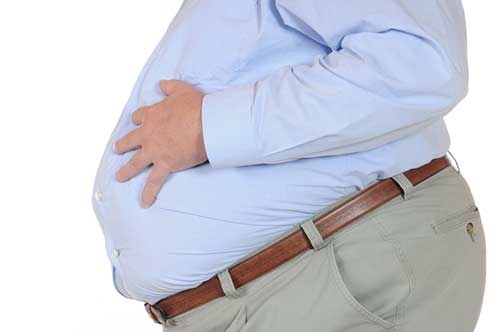

Most adult Americans have an underestimated number of calories that they consume on a daily basis, and this number influences practically everything in human lives.
Understanding the concept of calories and their impact is essential for making the right choices regarding nutrition, weight, and energy.
By learning the basic principles of the notion of a calorie, its types, and the way the body uses them, it will be possible to improve one’s knowledge of calorie-intake management and fitness level maintenance. This is your complete guide to calories.
Table of Contents
- What Are Calories? Science And Core Concepts
- Types Of Calories: Food Sources Compared
- Calorie Needs And Metabolism Explained
- Calories, Weight Loss, And Energy Balance
- Tracking Calories Safely: Tools And Mistakes To Avoid
Key Takeaways
| Point | Details |
|---|---|
| Understanding Calories | Calories are a unit of energy from food, essential for metabolism, energy production, and bodily functions. Not all calories are created equal, as different macronutrients have unique impacts on health and metabolism. |
| Energy Balance | Successful weight management hinges on the balance between calorie intake and expenditure, emphasizing that quality of calories is as important as quantity. |
| Metabolic Differences | Individual calorie needs and metabolic rates vary based on factors like muscle mass, age, and genetics, necessitating personalized dietary approaches. |
| Effective Tracking | Accurate calorie tracking should include an understanding of serving sizes, hidden calories, and the nutritional quality of foods, rather than focusing solely on calorie counts. |
What Are Calories? Science And Core Concepts
Calories are energy, the basic building blocks, which make us function. To understand what calories are, it is essential to define them scientifically.
The FDA defines calories as units of energy from food and beverages, which can be derived from carbohydrates, fats, proteins, or alcohol. Scientifically, the word calorie is defined by the National Library of Medicine.
A calorie is a unit of heat, which equals the amount of energy needed to raise the temperature of one gram of water by one degree Celsius. In the context of food and nutrition, however, the term Calorie (with a capital “C”) is used, which is equal to one thousand calories.
To comprehend calories, one has to understand the science behind calories.
Calories are critical to the human body because they:
- allow the body to produce energy,
- support the metabolic processes,
- keep the body temperature stable, and
- allow the body to perform physical activities.
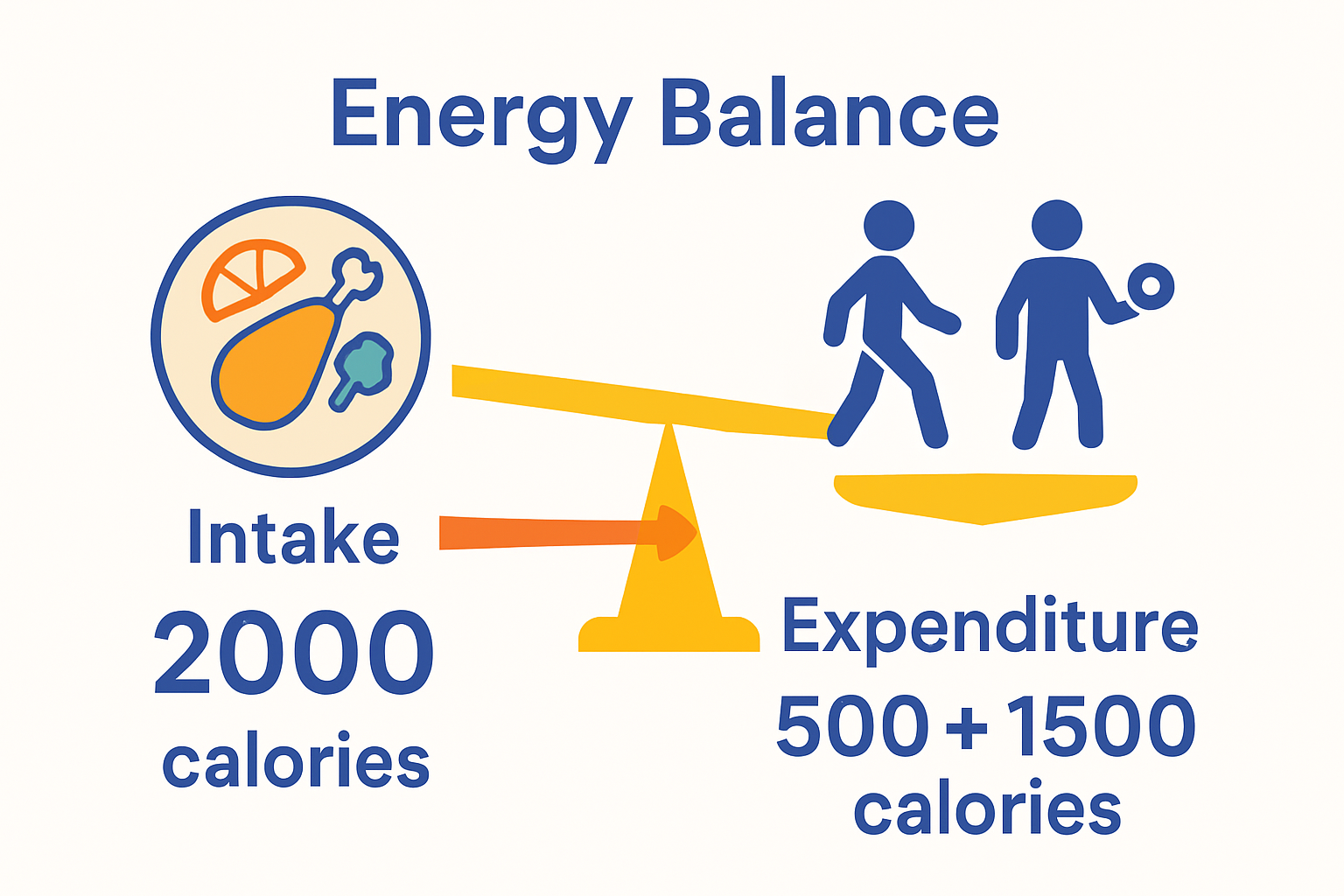
In addition, the balance between the number of calories consumed and expended determines an individual’s ability to gain or lose weight. Calories are vital for the body’s proper function.
They are the source of energy, which transforms food into fuel, supports the metabolic processes, helps control body temperature, and allows the body to engage in physical activities. It is vital to pay attention to the number of calories, as well as their sources and the balance between the calories consumed and those used.
Types Of Calories: Food Sources Compared
Calories are certainly not created equal. Different foods contain different types of calories that have different effects on our body.
According to the American Council on Science and Health, different macronutrients are processed in such a way, revealing the complexity of the issue.
The three main types of macronutrients that make up the majority of the calories in our diet are:
- Proteins
- Carbohydrates
- Fats
Each of these macronutrients has a different number of calories per gram, which makes some of them more nutritious than others. Nutrients are important to know how different calories affect the body in general and each person’s metabolism.

The Dietary Guidelines for Americans is a great source of information on the quality of the caloric intake that people consume. They can help determine the difference between nutritious and less healthy food with approximately the same amount of calories.
The foods that provide a person with high nutritional density, such as meats, vegetables, and carbs, are much healthier than processed snacks and desserts with the same number of calories.
I think that knowing the difference is crucial, as we eat much more frequently than we exercise, and the calories from unhealthy food cannot compensate for the nutritional value of whole foods and lead to better health.
Calorie Needs And Metabolism Explained
Determining how many calories each person needs is not as simple as one would think. The Center for Learning states that there are a number of factors that determine how much an individual needs. Some of the factors are height, weight, metabolism, and activity level.
In order to calculate how much each person needs healthcare professionals use Mifflin St. Jeor, which is a specific calculation to determine how much energy is needed by each individual.
Metabolism is the set of chemical reactions that happen within the body, and knowing how someone’s metabolism works can explain why individuals burn calories at different rates.
There are several factors that explain people’s metabolism, and some of theses factors are muscle, age, genetics, and hormones.
Energy in the human body is essential because it determines whether a person will gain weight or lose weight. In the research conducted by Saylor Academy, the article states how the main idea behind weight change is simple, “if you consume more calories than you expend, you gain weight, and if you do the opposite, you will lose weight.”
It may seem simple, however, the human metabolism is complicated.
When an individual monitors their own metabolism, and tracks how many calories their body requires, then the person can make the best decisions for themselves and their bodies. The purpose of tracking calories is to get the most out of life, and to understand the way your body works.
Calories, Weight Loss, And Energy Balance
The American Council on Science and Health sheds light on the popular ‘calories in vs. calories out’ theory and how it is not as simple as we think. Although the basic concept is fairly straightforward – you only lose weight when you expend more energy than you consume – the methods to achieve that are not.
Factors that influence the energy in and out balance and the rate at which we burn calories are:
- Eating speed: People who eat slow lose more calories
- Protein consumption: The higher the protein intake, the more calories you burn
- Food density: Different foods affect the metabolic process differently
- Metabolism: Genes can make you prone to a higher or lower metabolic rate
To develop a proper calorie deficit, one has to consider these points in detail, as well as calculate how many calories they actually need to be consuming.
Overall, losing weight can be more complicated than one expects, as there are certain hormones, muscle gain, physical activity, and even nutritional properties of food, that affect the process. The best strategy to lose weight is to limit calorie intake, get adequate nutrition, and monitor the progress.
Tracking Calories Safely: Tools And Mistakes To Avoid
The FDA offers essential guidelines to help count calories correctly. One must understand the principles of nutrition and be aware of the calories in food. Paying attention to the quality of the type of food you eat and quantities is vital in calorie accounting.
Some of the most common mistakes when tracking calories are:
- Not considering serving sizes
- Missing calories in beverages and condiments
- Guessing the portions
- Failing to focus on the foods’ quality
How to get calories in food naturally is vital to know to maintain the desired weight. The Mayo Clinic recommends to favor unprocessed foods and those that are minimally processed as they are most often the healthiest and the most nutritious.
Calorie tracking is a meaningful task that requires attention and awareness. One must apply the most suitable methods, such as using online tools, keeping a food journal, and gaining insights into the nutritional value of the foods they eat.
Remember that calories are only one element in a balanced diet, and the way to calculate them correctly may vary from person to person. Understanding how your body reacts to food and paying attention to the quality of the foods you choose will benefit your health in the long run.
Take Control of Your Calories and Transform Your Health Today
If you have been struggling to understand how calories work in your body and how they affect your metabolism and weight loss you are not alone.
In this article we will review the science behind calories and discuss why it is so important to take into account more factors than just the numbers of calories you eat per day.
To be able to understand calorie deficit and how it impacts your weight control it is crucial that you learn all about the calorie deficit and how having it in your daily nutrition and diet can improve your health and lead you to better control of your weight.
Check out our other articles on Calorie Deficit – LeanAndFit to learn more about how to achieve a calorie deficit.
If you want to learn how to start including more healthy foods into your diet and plan your meals right, make sure to visit our page of Meal Planning – LeanAndFit .
Don’t wait any longer to improve your lifestyle and change your future! Get your access to the knowledge base about calories and how you can start managing them in order to improve your overall health and achieve the perfect weight that you have been dreaming of!
Frequently Asked Questions:
Calories: Myths and Truths Essay
Calories can be one of those elements that are way more complex than they appear. It is essential to understand their mechanism and have an overall knowledge of metabolism, food, and a healthy lifestyle.
Instead of thinking about calories in terms of how they can hurt you, focus on deriving the maximum benefits from the foods you eat. In combination with the right attitude towards life, calories will become your best friend.
Q-1: If calories are just units of measurement, why do some people eat the same amount of food and be overweight while others stay slim?
A-1: It is normal for a calorie counter to believe that reducing the number of calories consumed will lead to weight loss. However, the situation may be more complicated than just counting the calories you ingest and the calories you eliminate.
Since the number of calories you burn affects your weight, people have different weights due to metabolisms and activity levels. People with muscle tissue burn more energy during exercise than those who do not have muscle gains. Furthermore, various health conditions such as sleep disorders and stress levels can also affect the process.
Q-2: Can skipping large amounts of calories prevent you from losing weight?
A-2: Yes, a calorie deficit is necessary, but starving yourself will not help you lose weight; the opposite is true. When you eat fewer calories than your body can maintain, you will most likely be pushed into survival mode. Your body’s metabolism will slow down to save energy.
This will prevent you from losing weight since your calorie intake has not changed. Therefore, calorie deprivation will not assist in weight loss and may be harmful to health.
Q-3: Why is it so much easier to consume too many calories in a liquid form than in food?
A-3: Liquids are less filling than solid foods. Hence, it is easier to get used to liquids with high-calorie content such as juice or soda.
Moreover, when taking food in a solid state, a person chewing and digesting it for a longer time experiences a sense of fullness and satisfaction. Calories from a liquid source do not give you the same feeling of fullness for some time. This explains why many people on diets do not get enough calories from liquid food.
Recommended
- Understanding Calorie Deficit Explained for Weight Loss – LeanAndFit
- How Calorie Deficit Helps You Get Lean and Fit? – LeanAndFit
- Energy Balance Explained: Key Principles and Impact – LeanAndFit
- How to Calculate Your Calorie Deficit for Weight Loss? – LeanAndFit
- Why Trust LeanAndFit.info?
- For educational purposes only